And so my friends, we have come to the end of this big and long adventure of mine.
I still had a lot of trouble fixing all the tiny missing bits both to the gun cradle and the gun breach, but somehow I have managed to fix everything to the end, although not to the grade of perfection I would have liked, due to the said badly described and designed instructions.
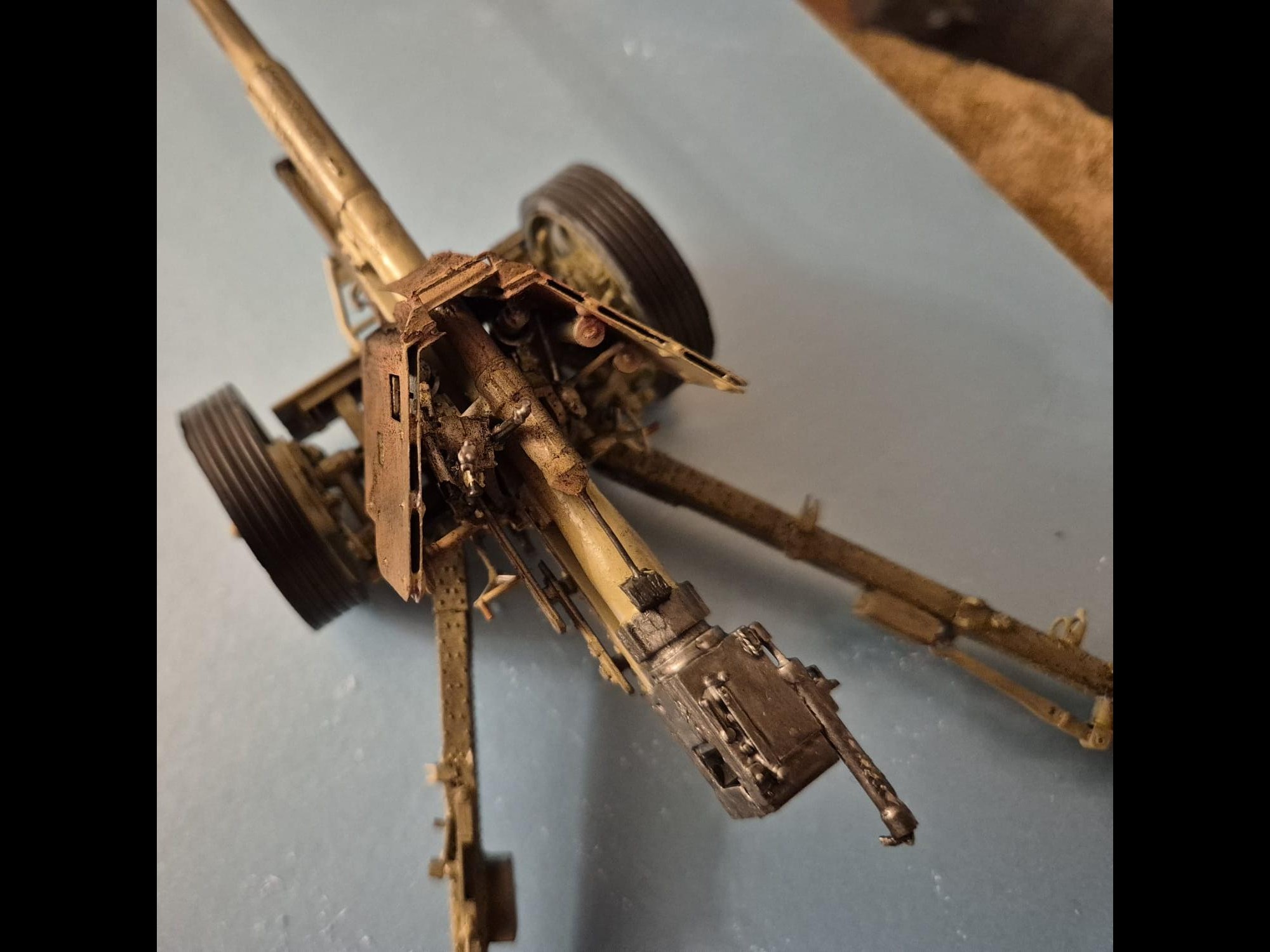
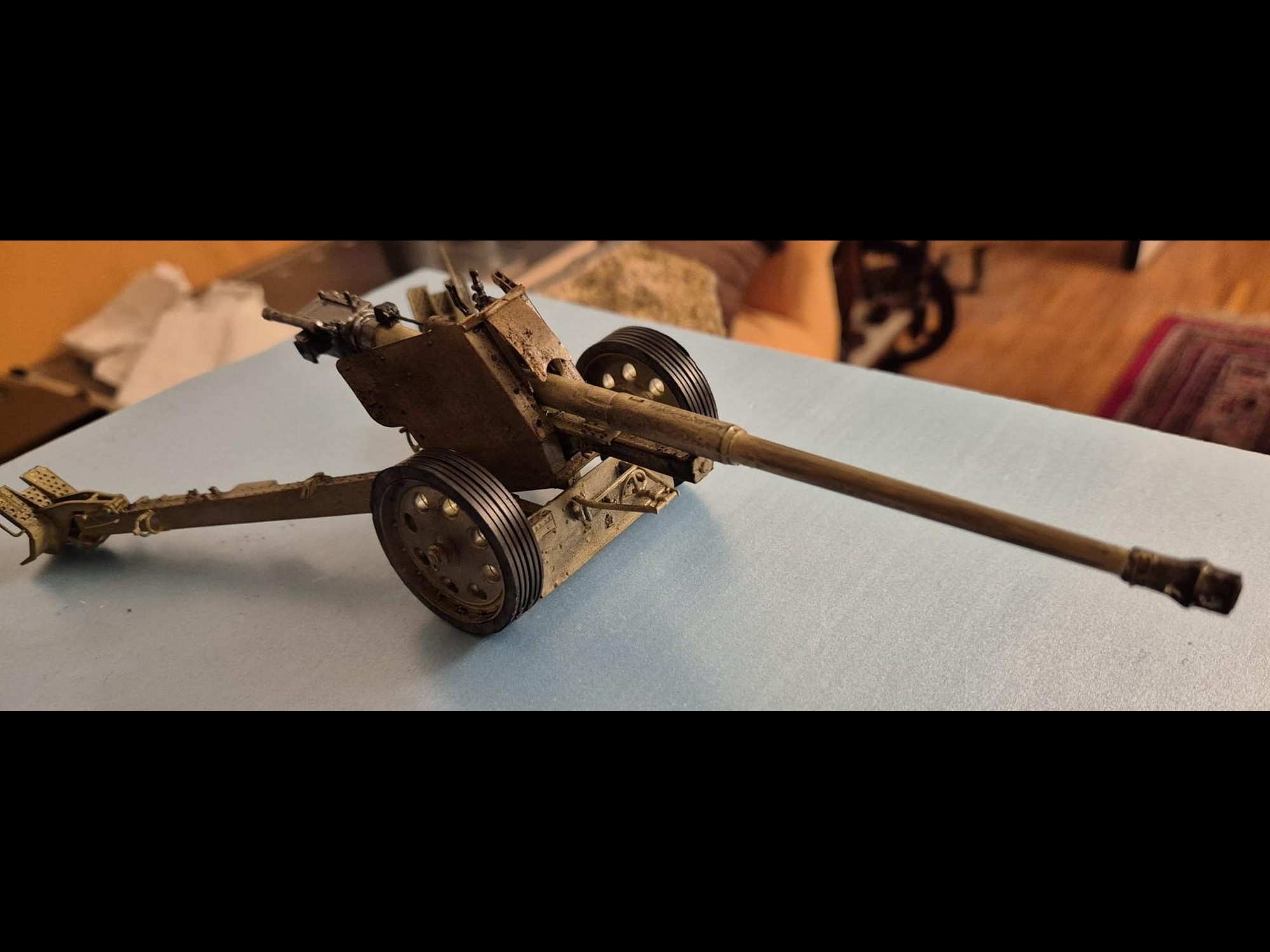
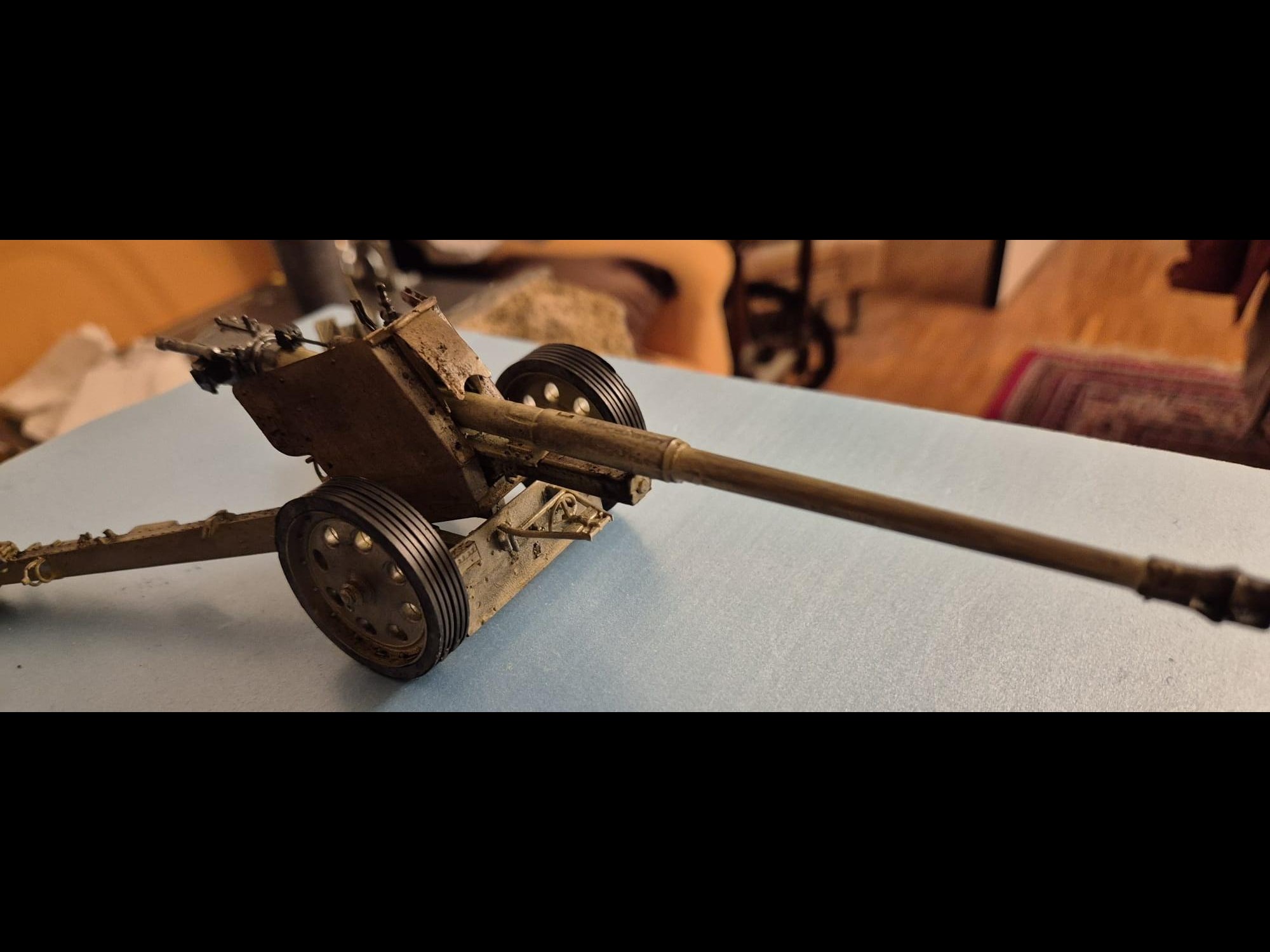
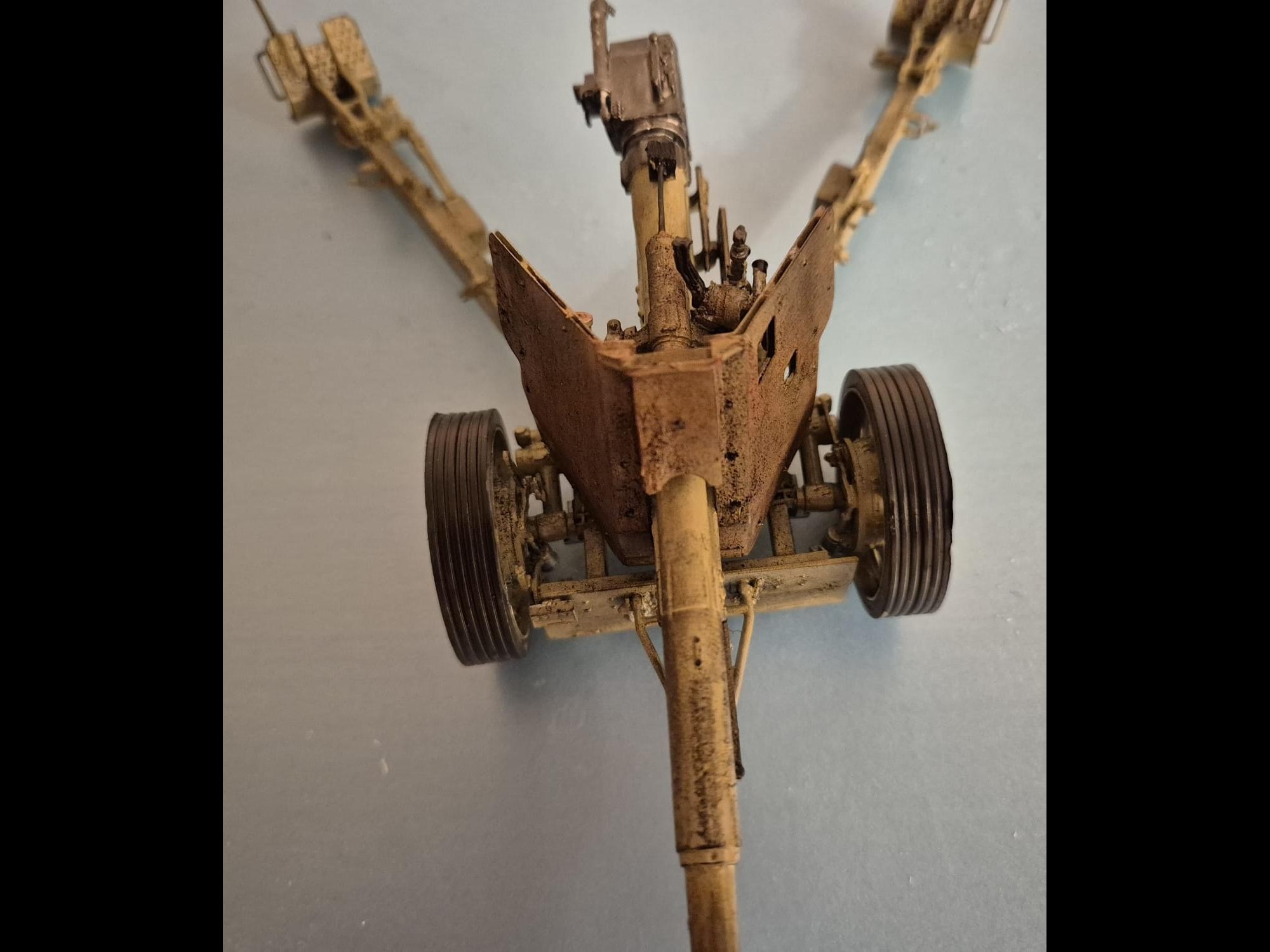
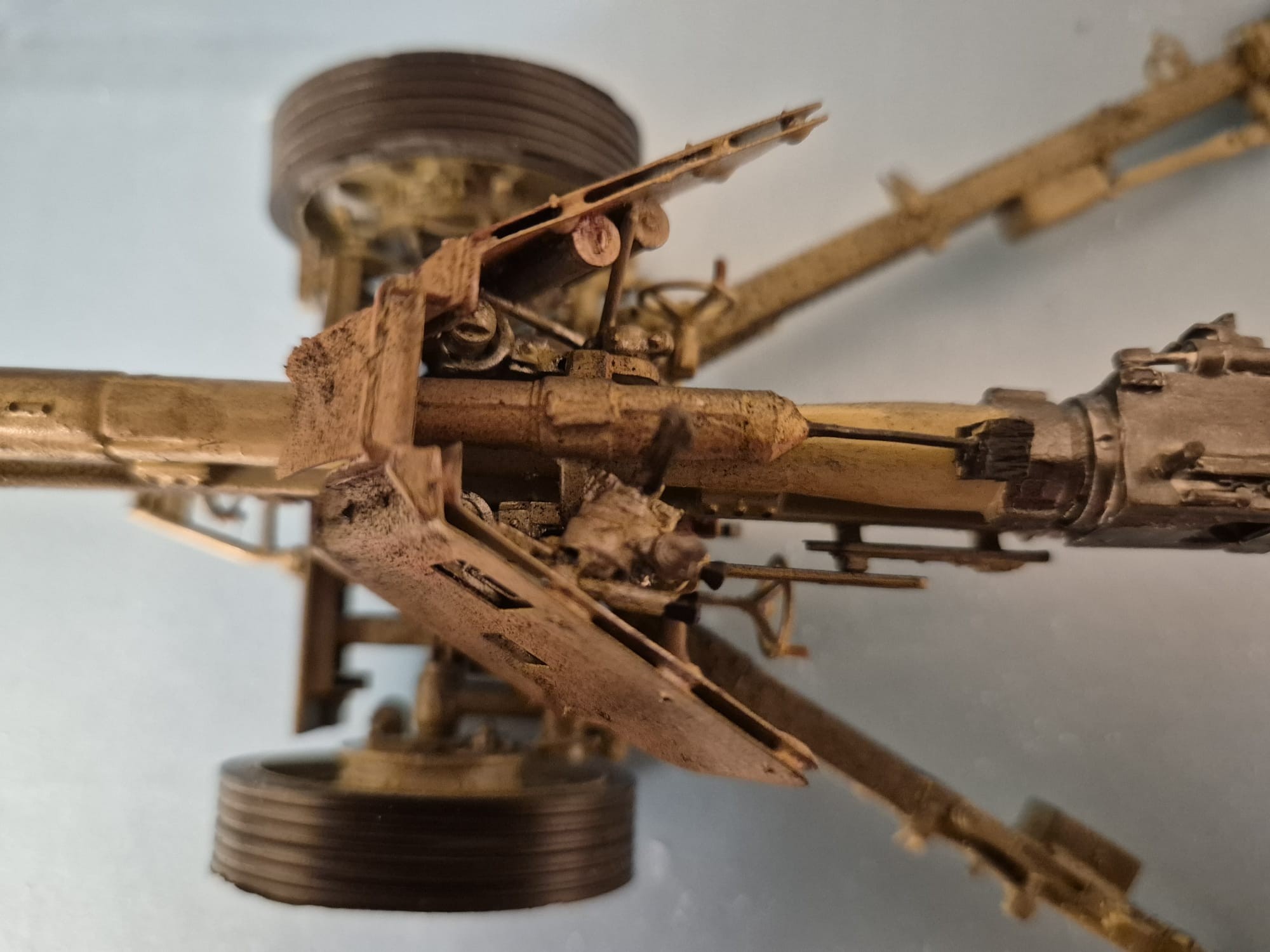
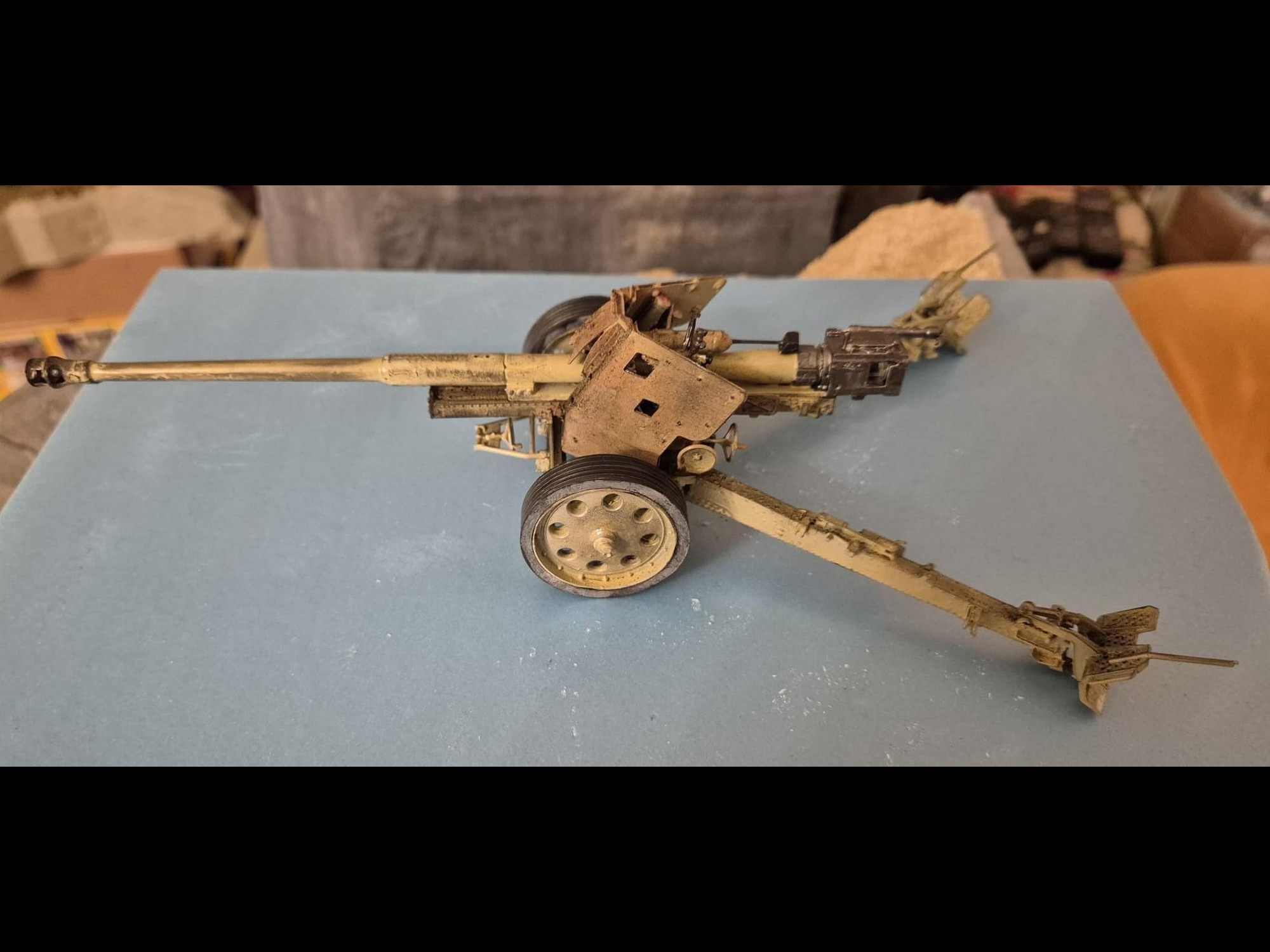
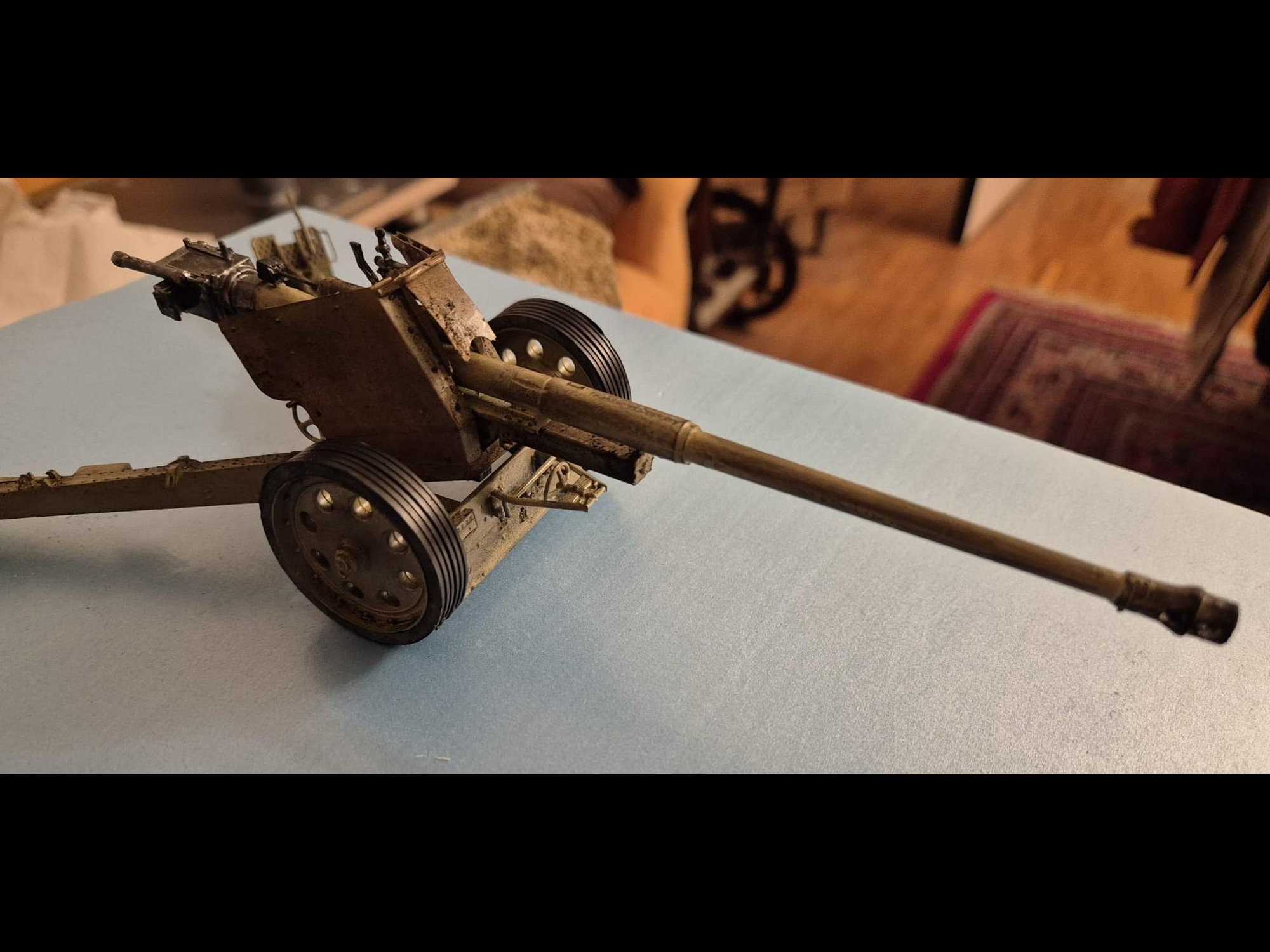
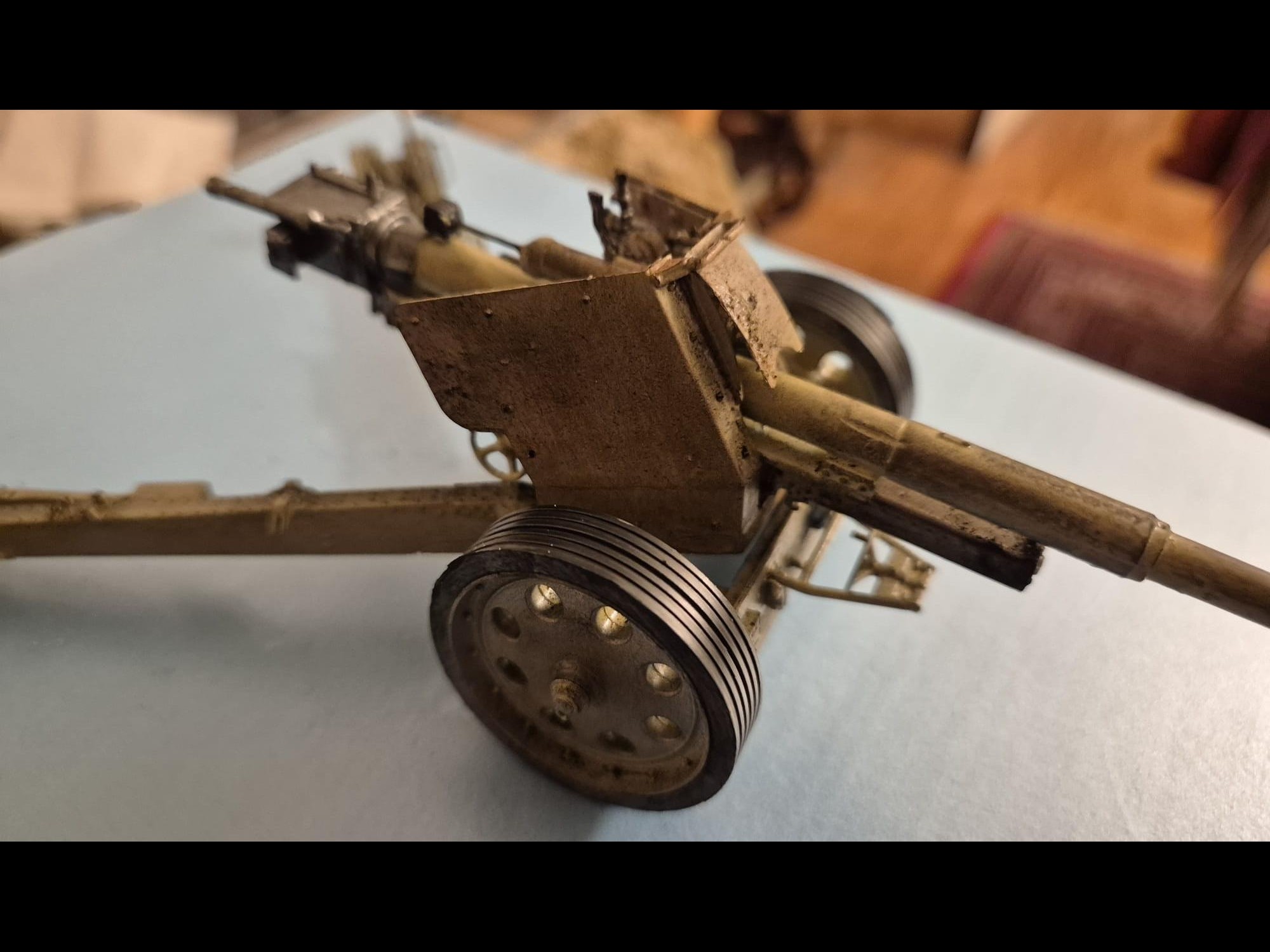
Nevertheless, the model of the PAK43/41 88mm Anti-tank gun is now completed, painted and weathered. The same also applies to the 15 cm (150 mm) SK C/36 naval gun for what concerns the painting and the weathering.
Now, do not be shocked. You might expect perfectly painted guns with fancy camouflage patterns and I must disappoint you. They are neither fancy nor beauty inspiring.
The reason for this is my documentation about them in Normandy which somehow explains the most common practices to camouflaged guns there.
First of all, all guns, whether they might have belonged to the Kriegsmarine (German Navy) or the Luftwaffe (German Air Force), were all painted according to “Heeres” regulations, or if you like, following the painting rules of the German Army, hence in 1944, the rule was to paint them all in Dark Yellow, also known as German Yellow.
But this desgnation was rather vague, since there were many hues of German Yellow. Some almost tending to be more a tan color, others instead, as pale as an ivory/cream yellow.
Due to the many shortages and difficulties to have punctual and constant material supplies, because of the bombings of various German factories and disabled railroads and roads, the Germans used whatever they could find to apply camouflage on their weapons.
In the case of guns in casemates, anything goes then and contrary to what so many so called “experts” always state, there were no guns wearing disruption colors over the main paint job, for the same reason I explained before.
Second, the paint jobs were often applied by hand and not with airbrushes, like some tank units used to. The way bunker guns were painted was by using either huge brushes to summarily paint them in the main color, or just washed with diluted paint.
In both cases the results were questionable and didn’t last for very long and therefore had to be constantly repeated, unless leaving the gun completely “as is”.
This seems to be the case for both the PAK43/41, as well as with the four guns in the Longues-sur-Mer Battery.
So, what you will now see is what I tried to accurately interpret from the sources I have read, so do not expect gorgeous depictions of these guns. Rather expect to see well and constantly used guns worn by usage, by weather and by the above described shortages.
I will first show you the guns alone and following that, the same guns in their finished bunkers and casemates as they actually appeared during the longest day, or if you will, D-Day, the 6th of June, 1944.
I hope you will like them nevertheless, since they are both part of a tragic story of men confronting each other in battle and only fighting to stay alive for just one more day.
And here is my finished work…
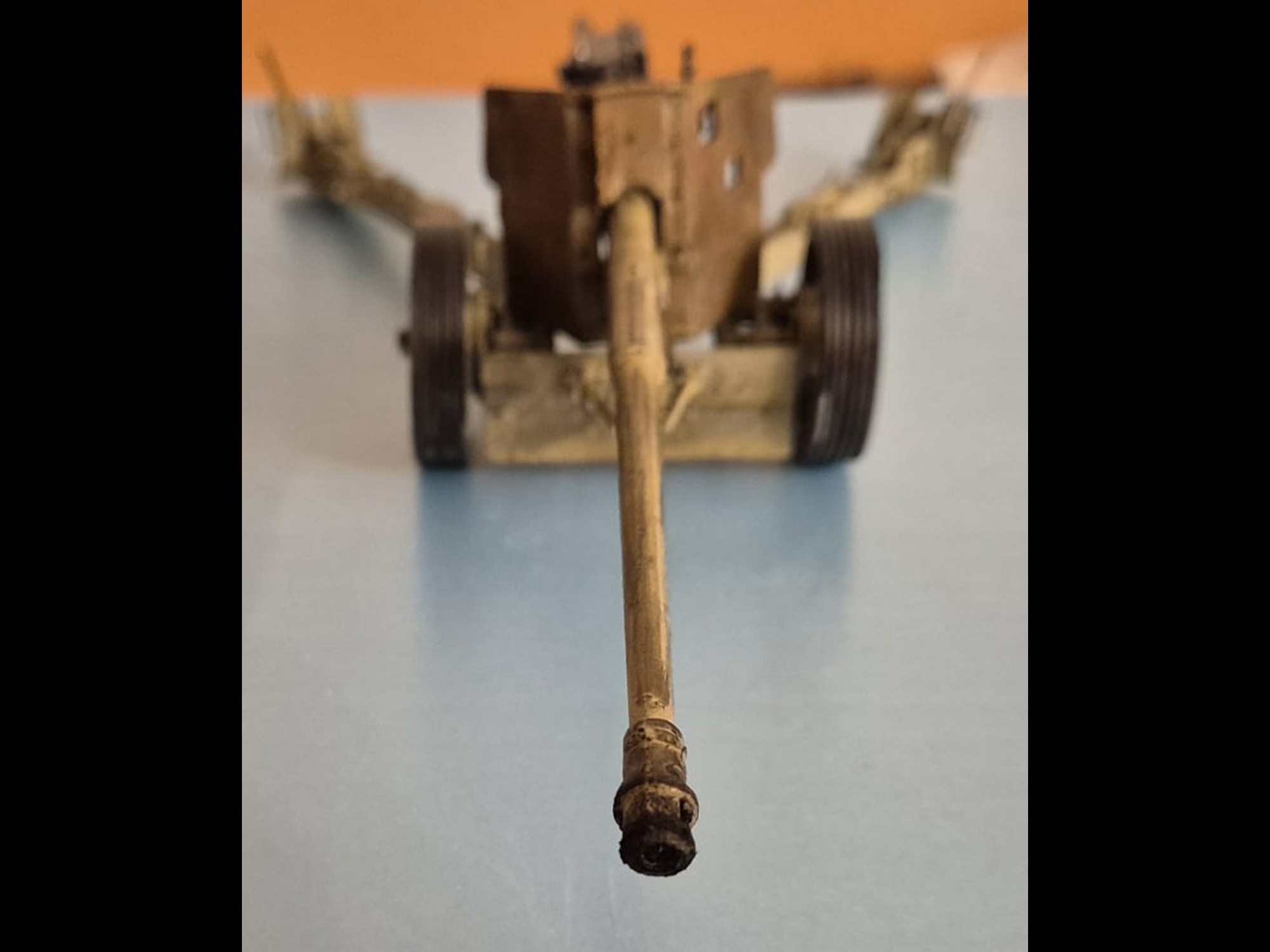
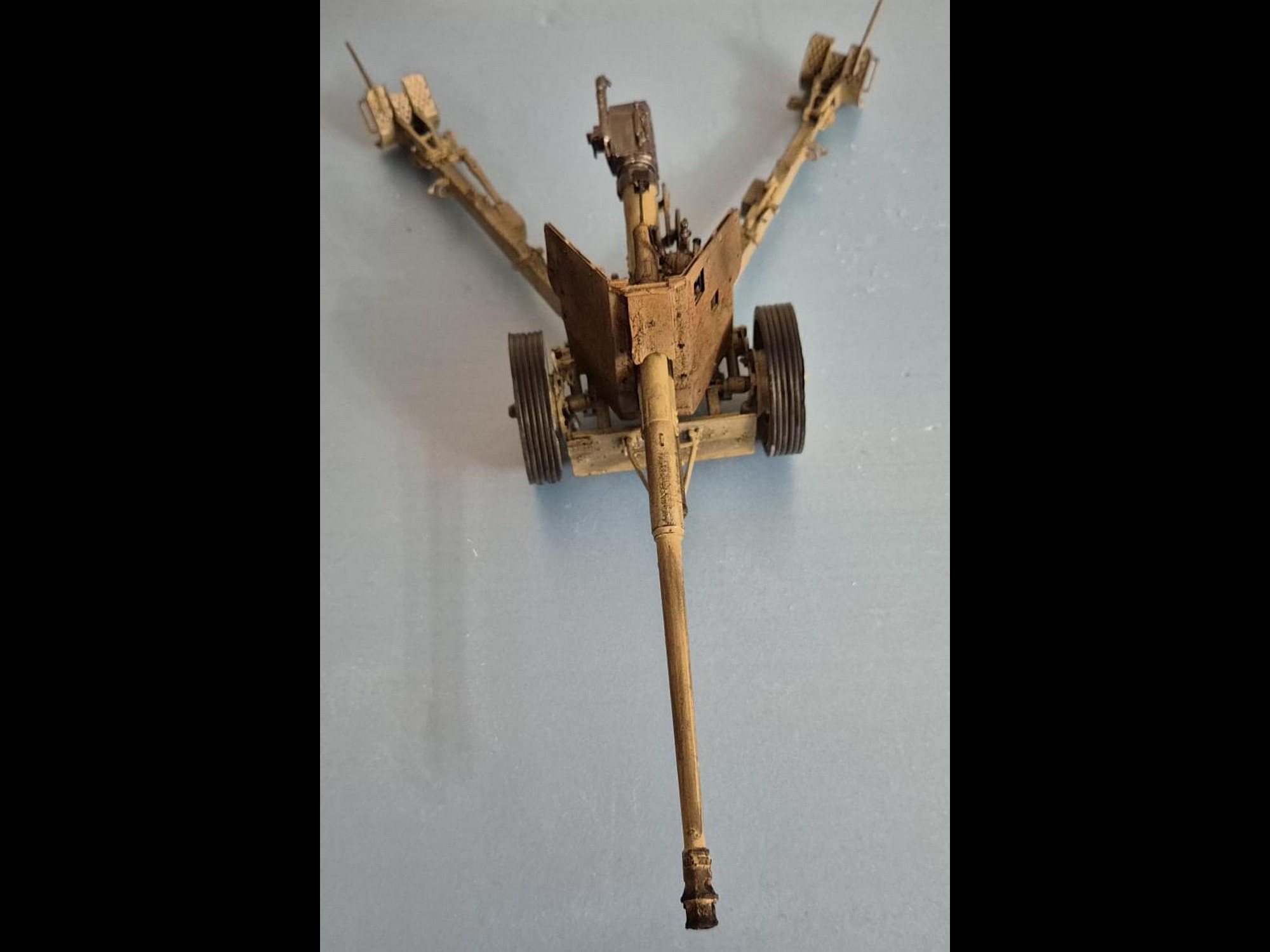
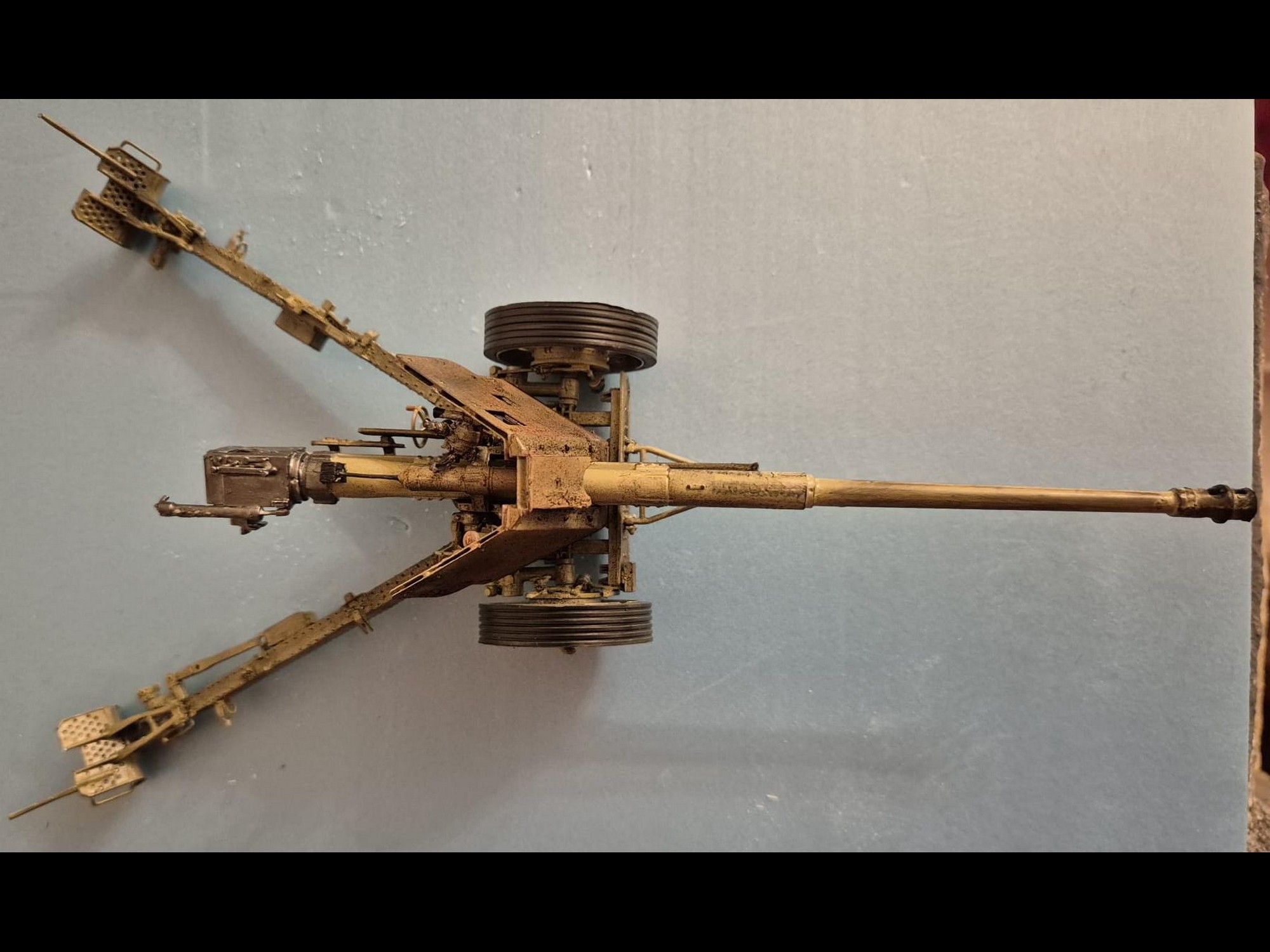
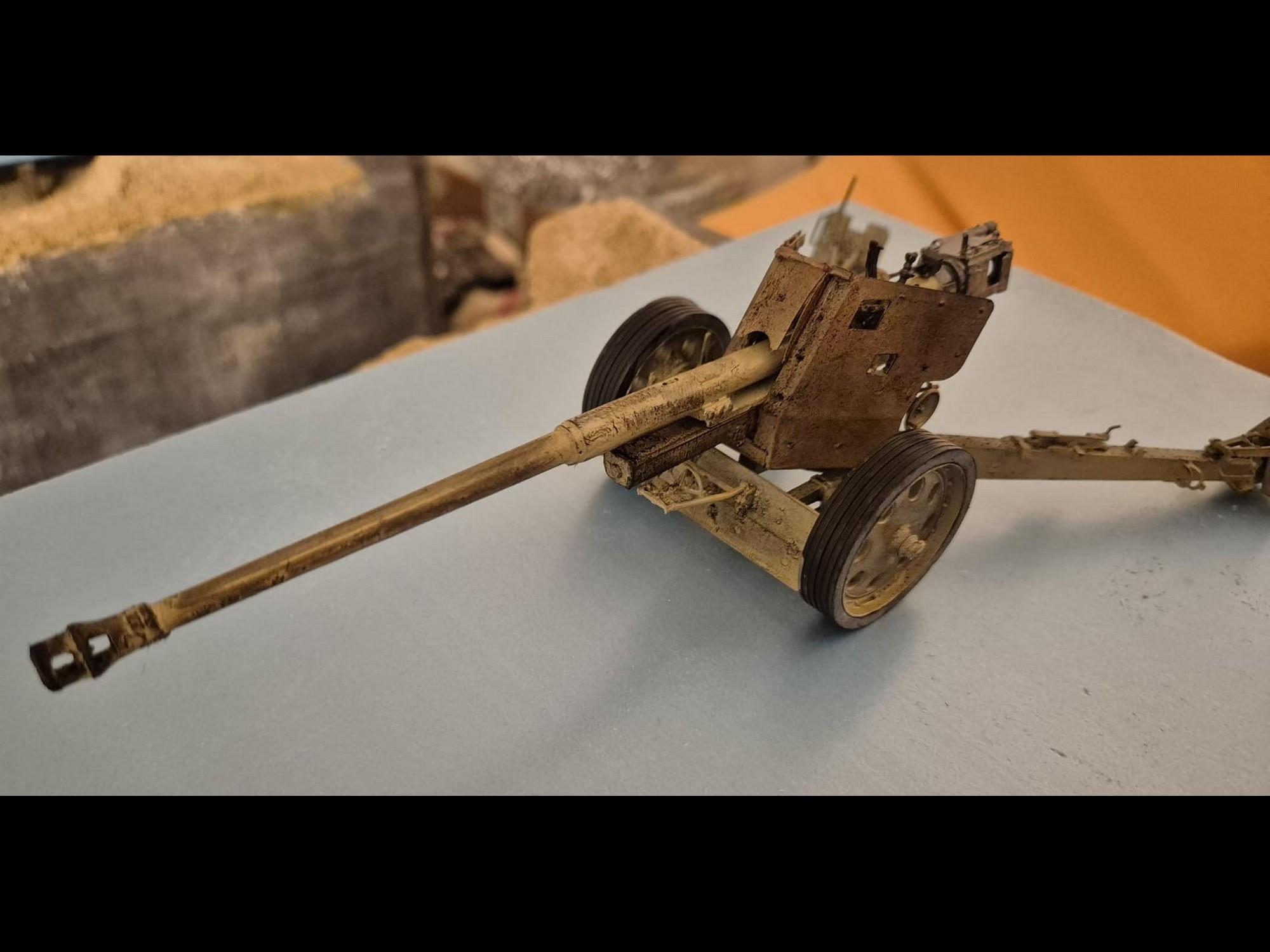

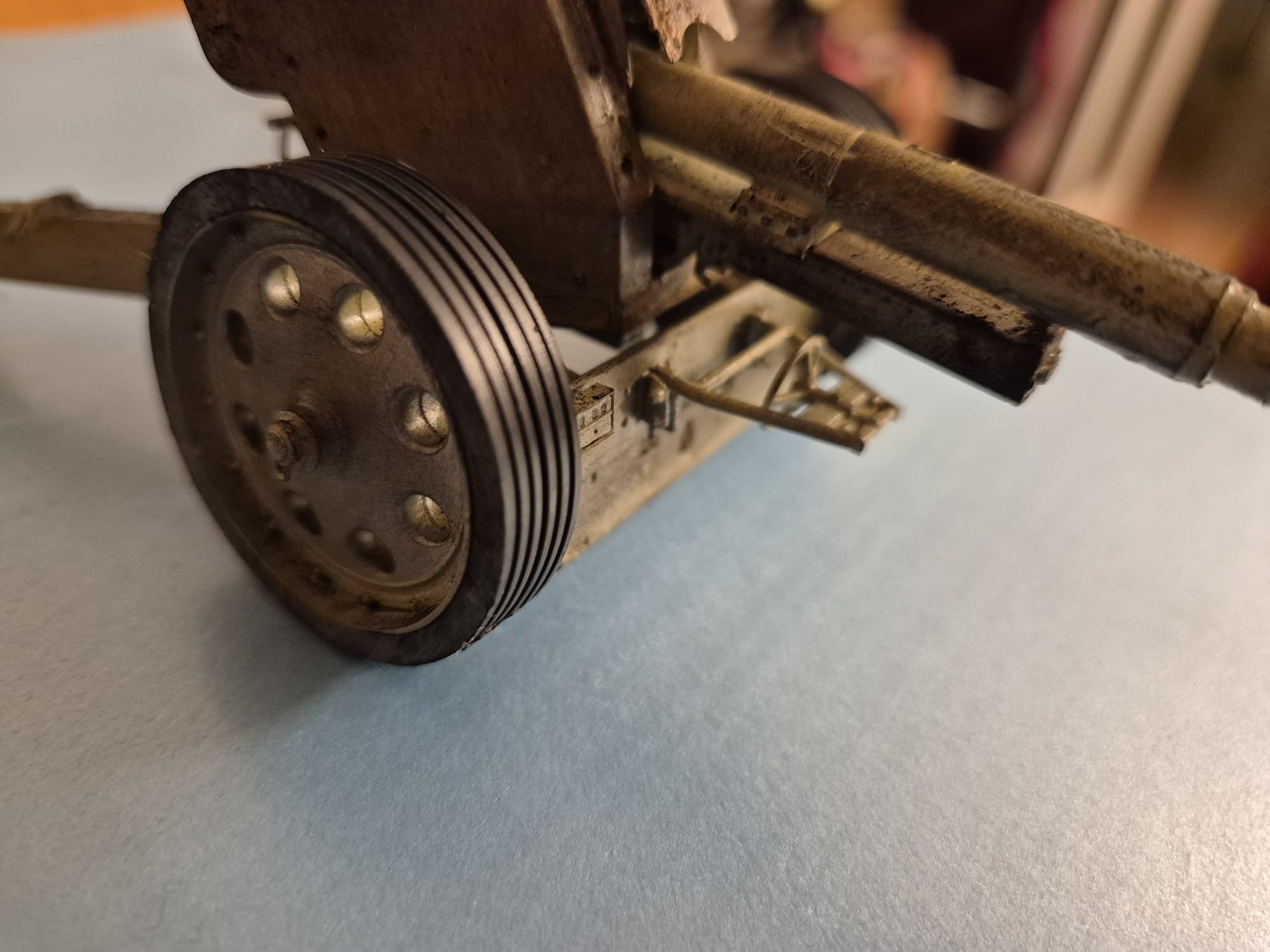
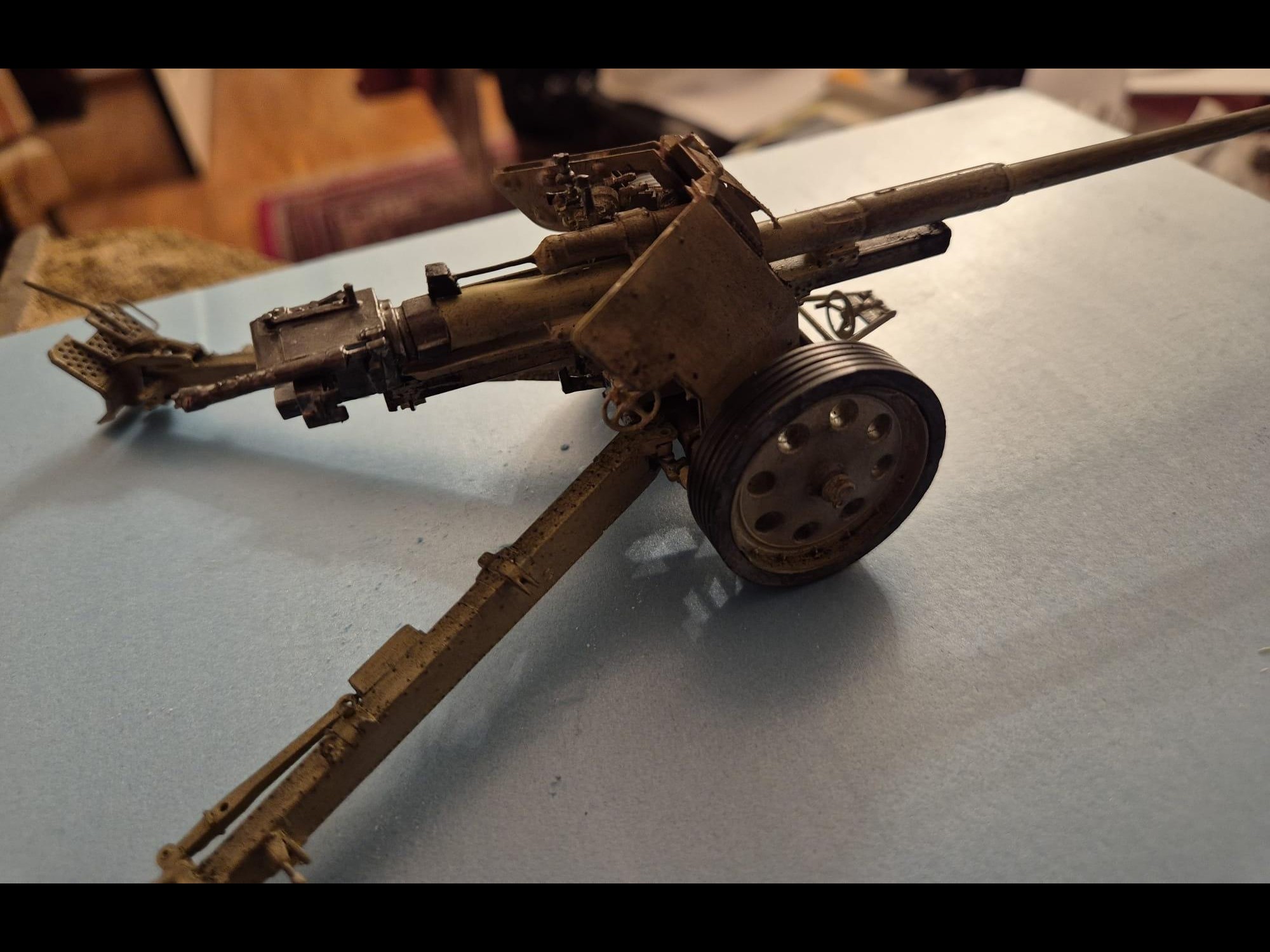
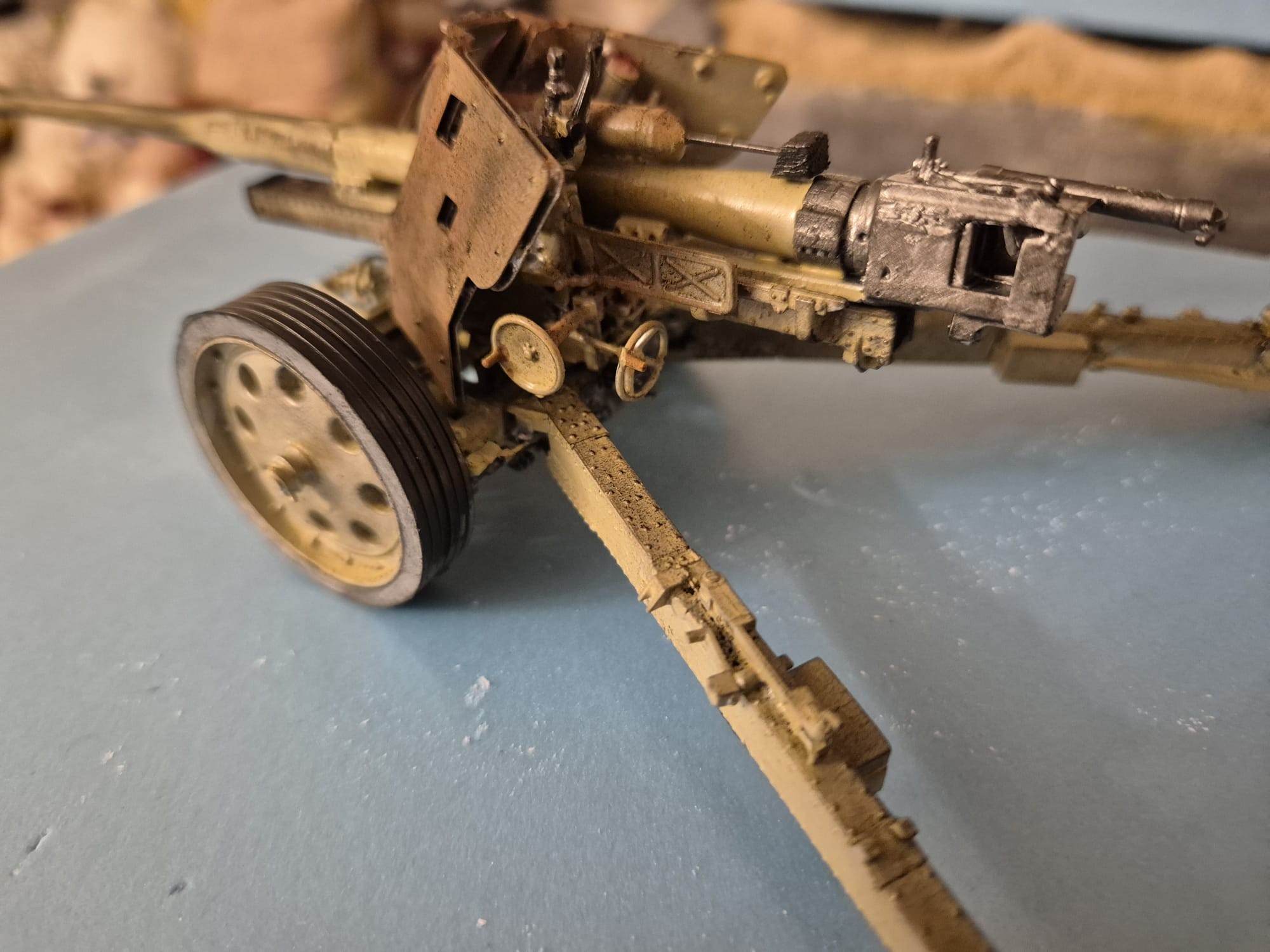
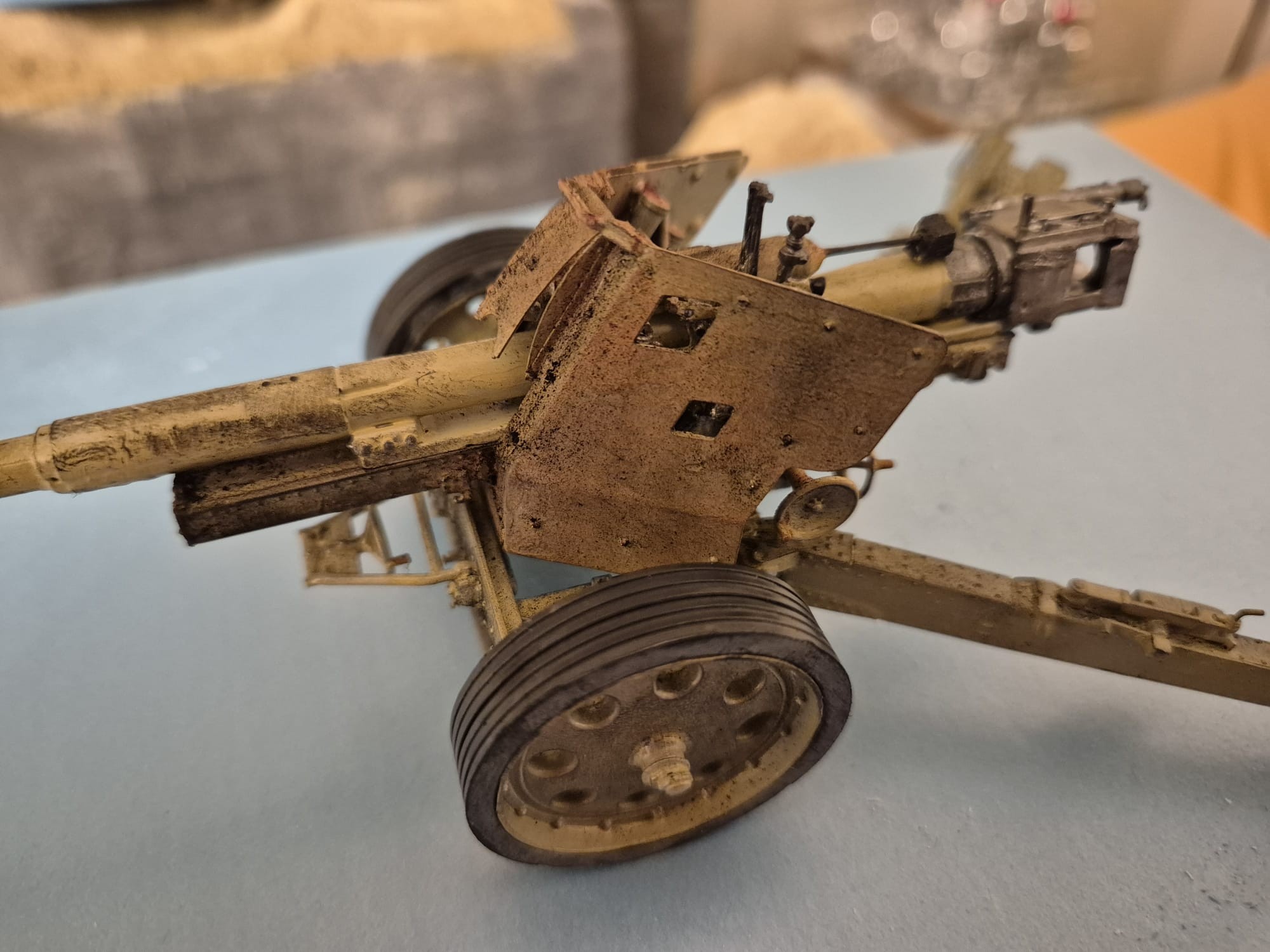
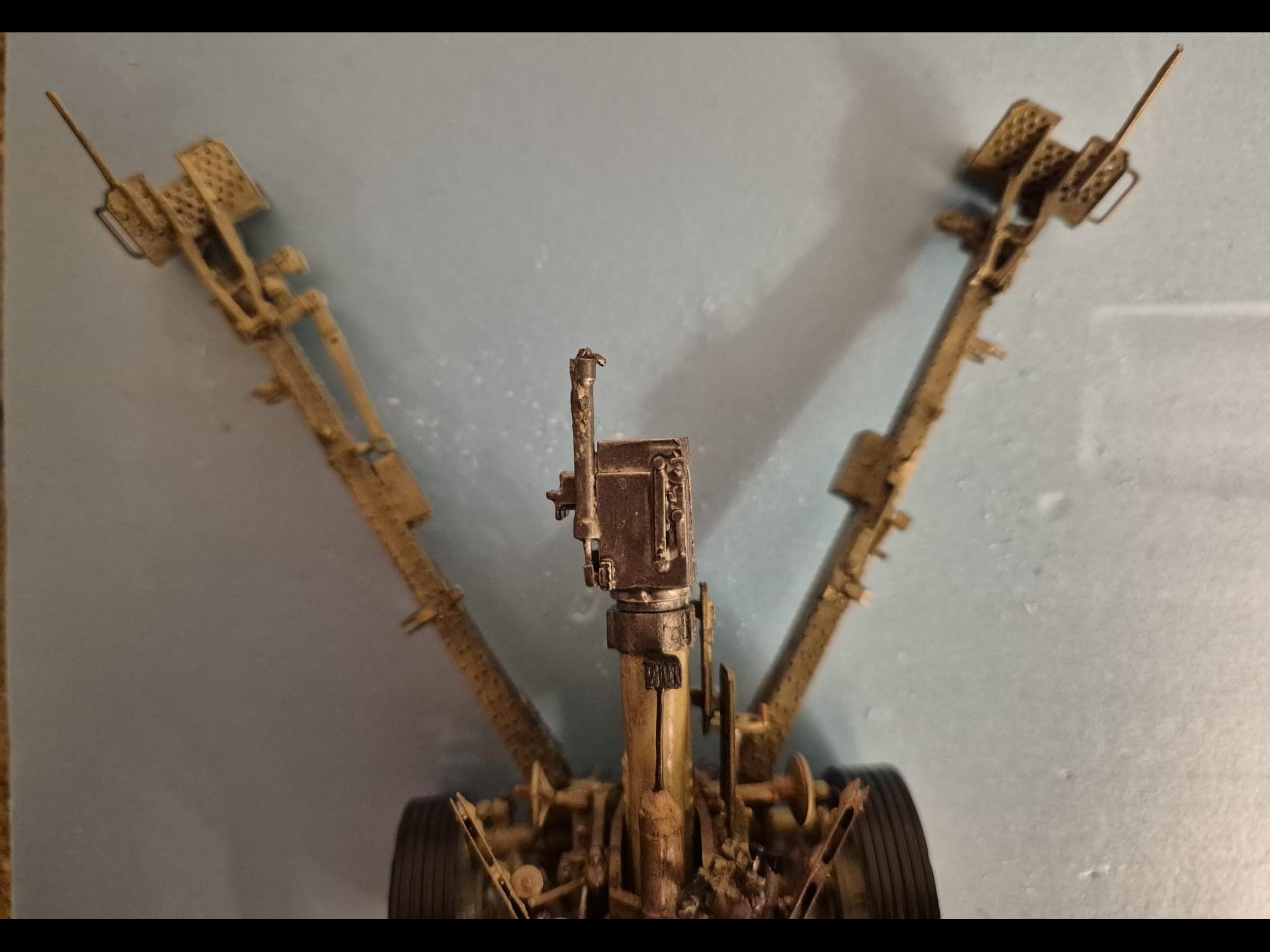
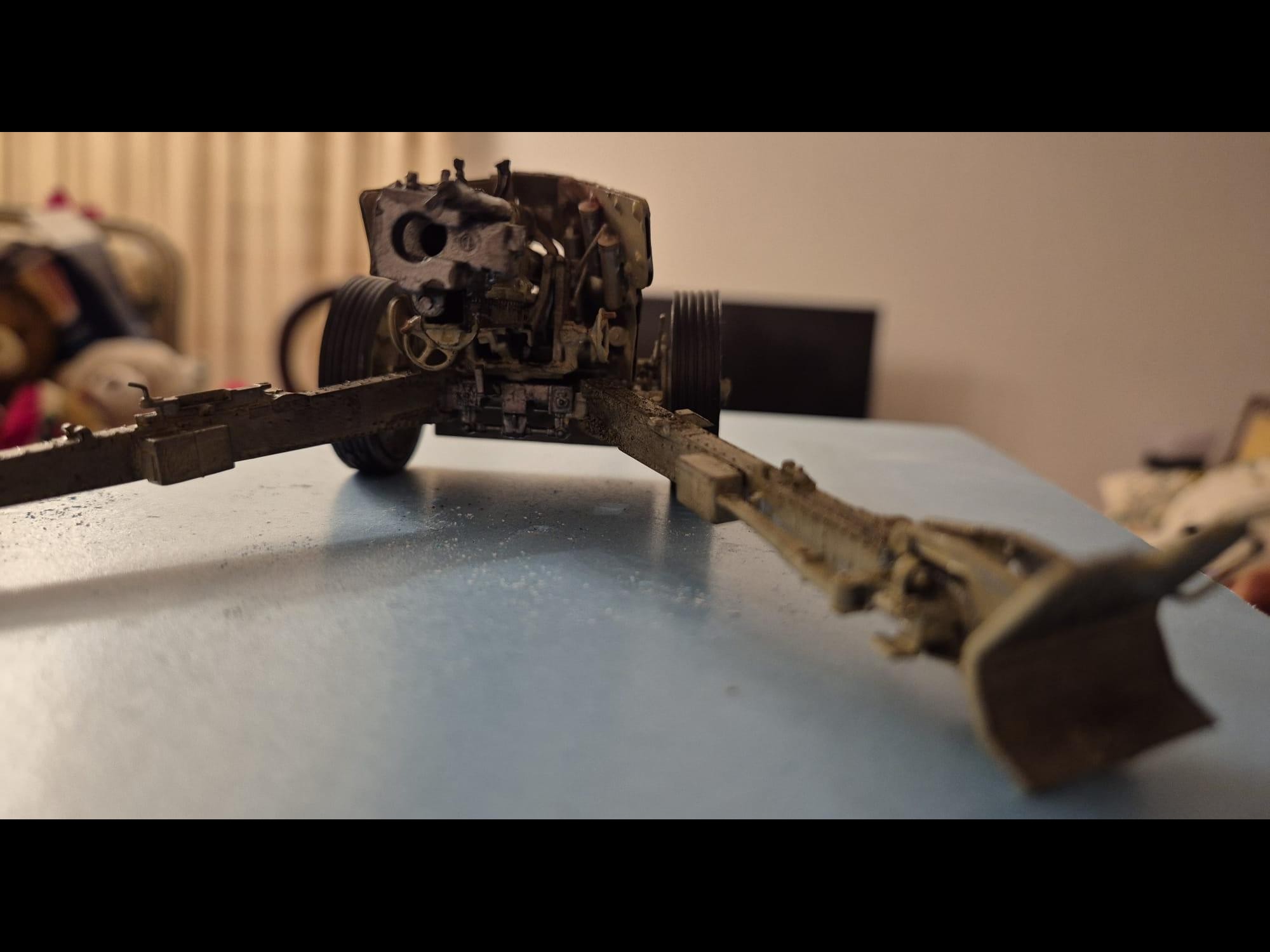
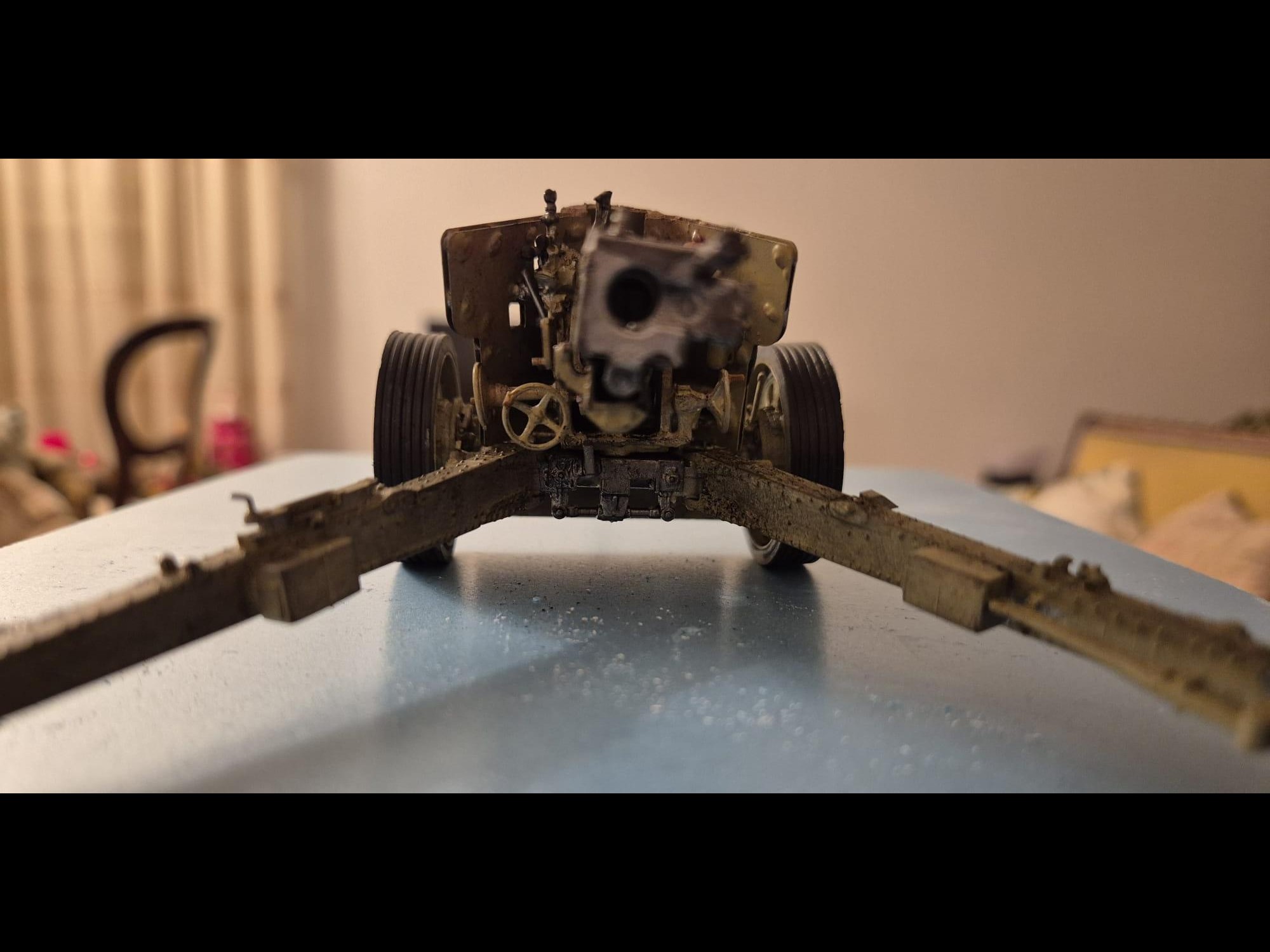
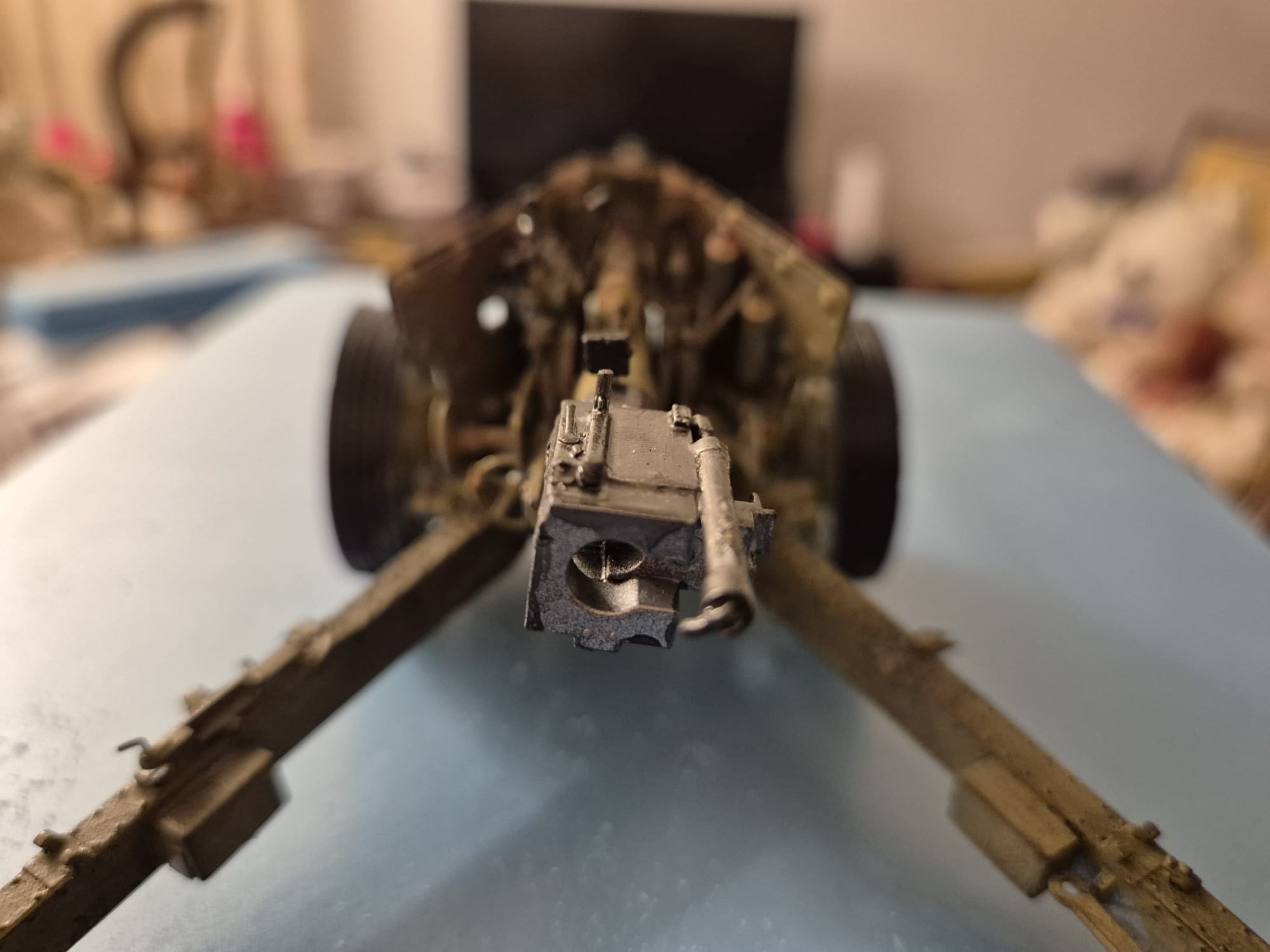
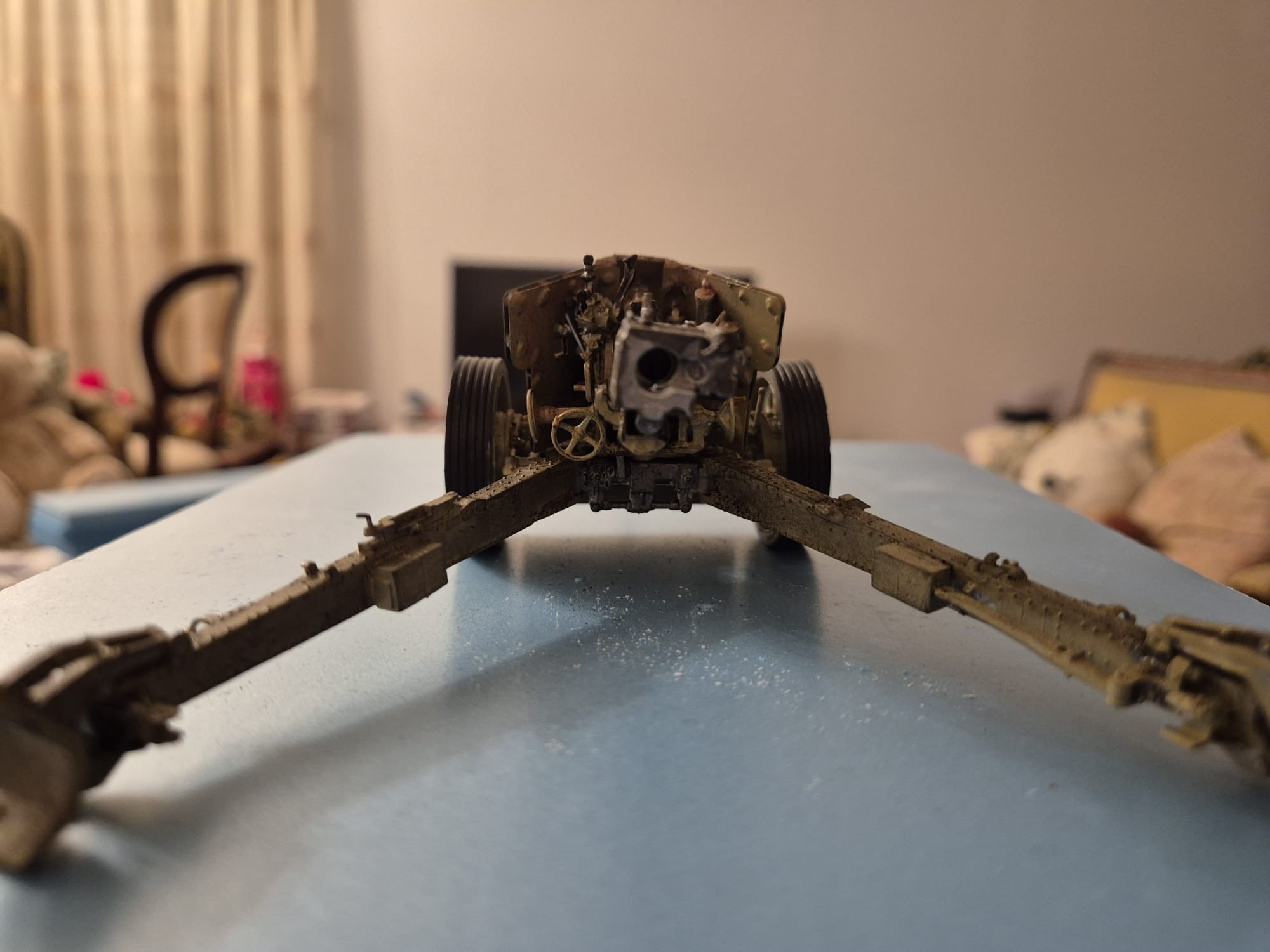
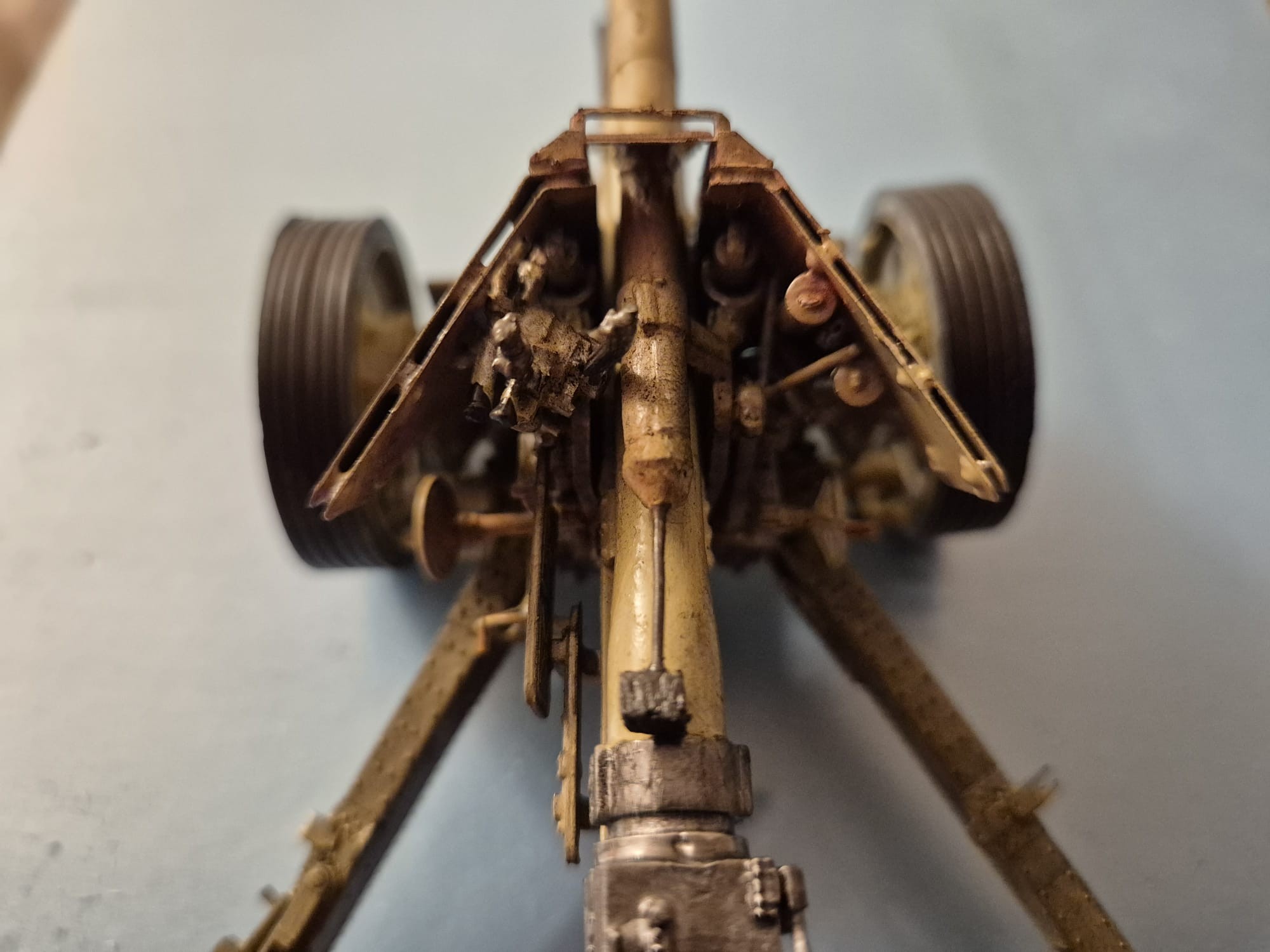
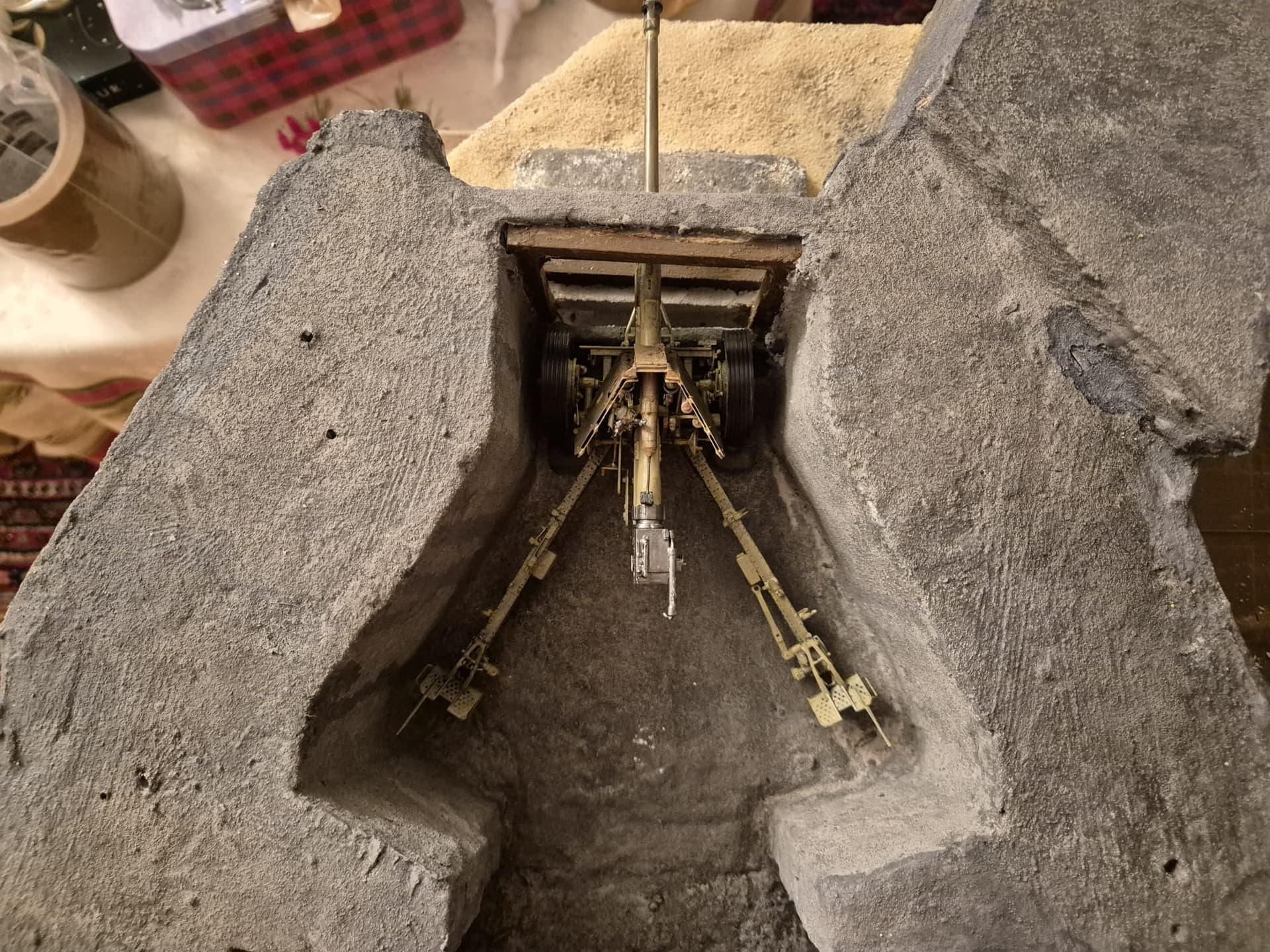
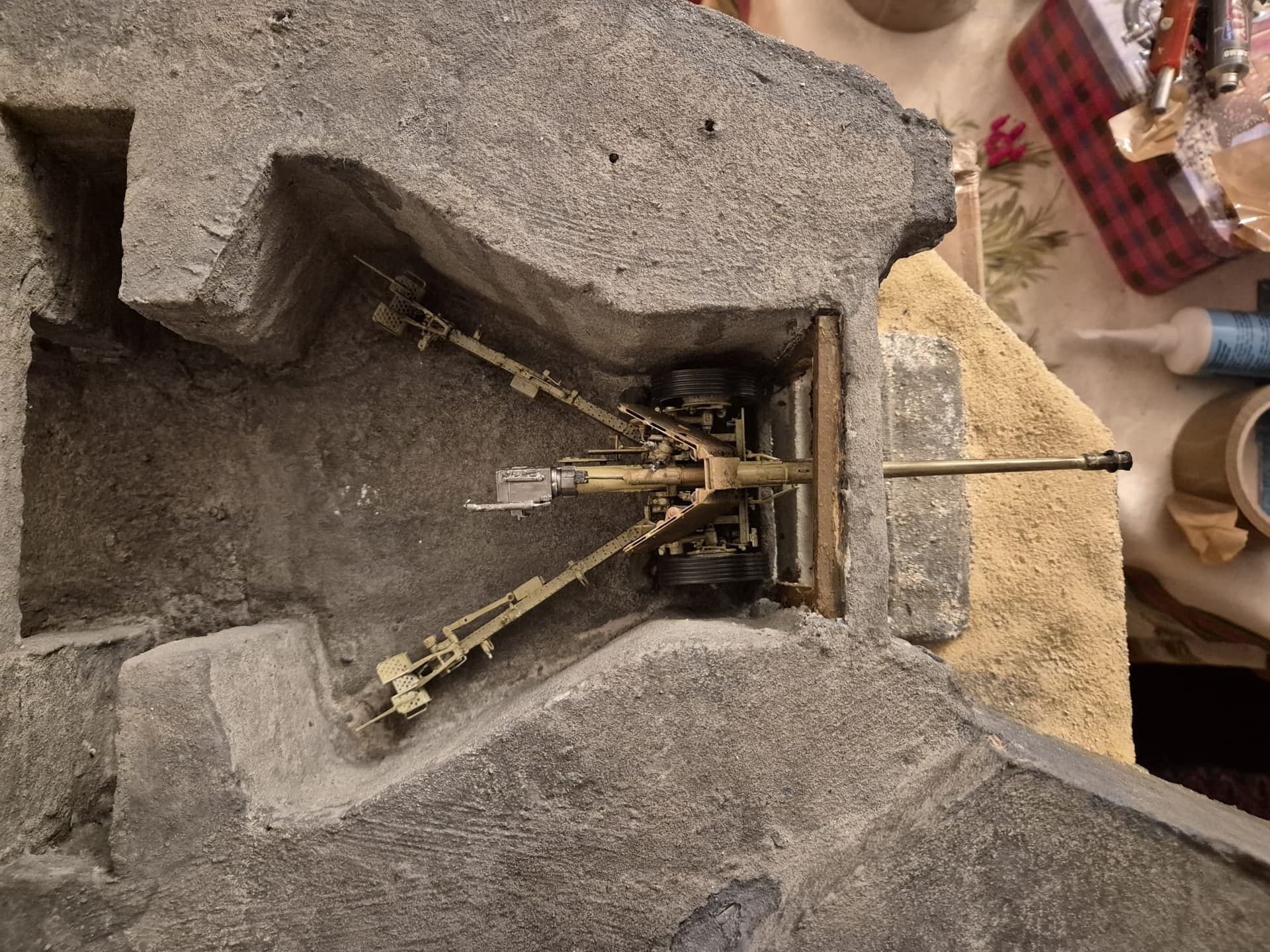
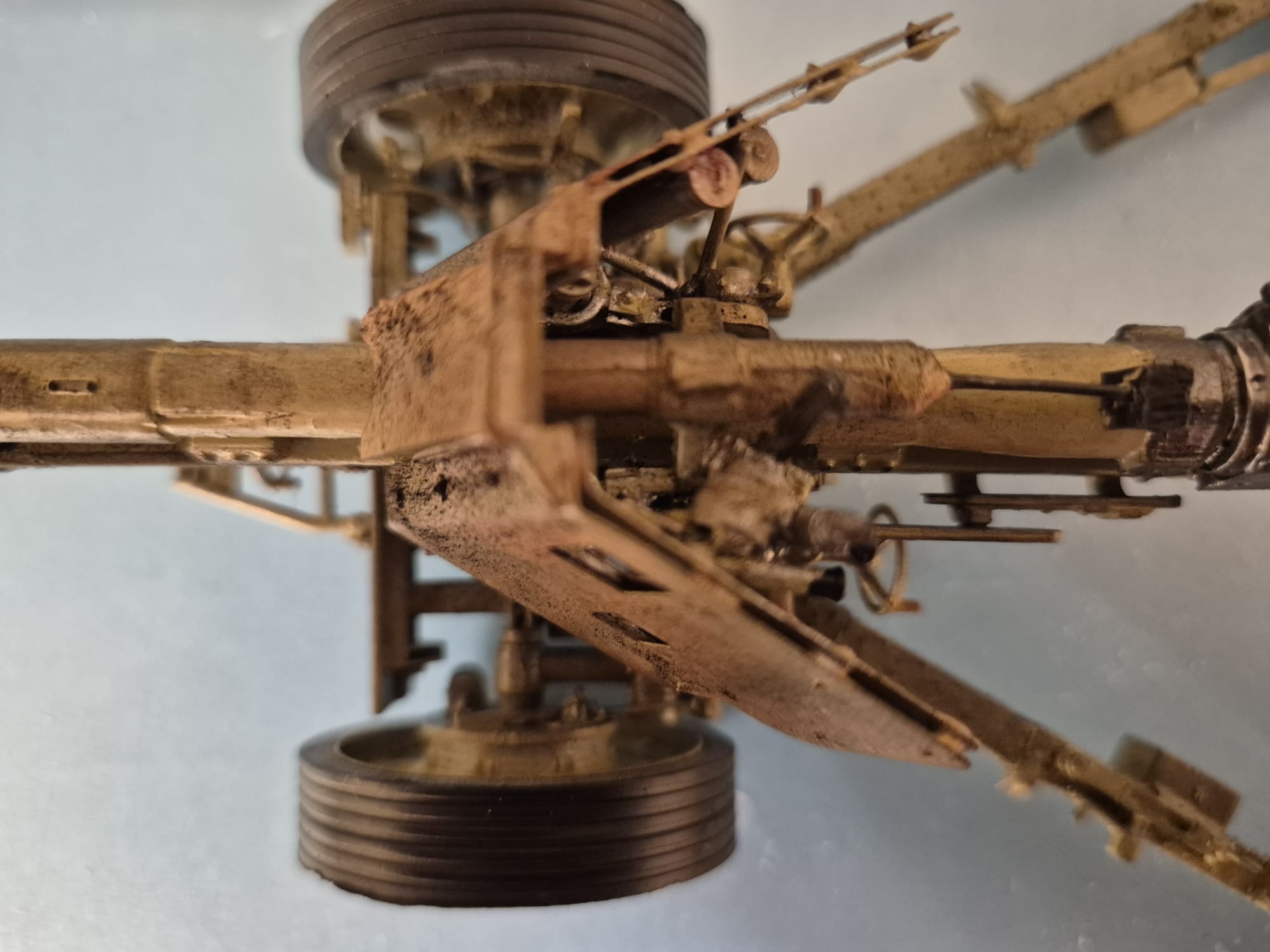
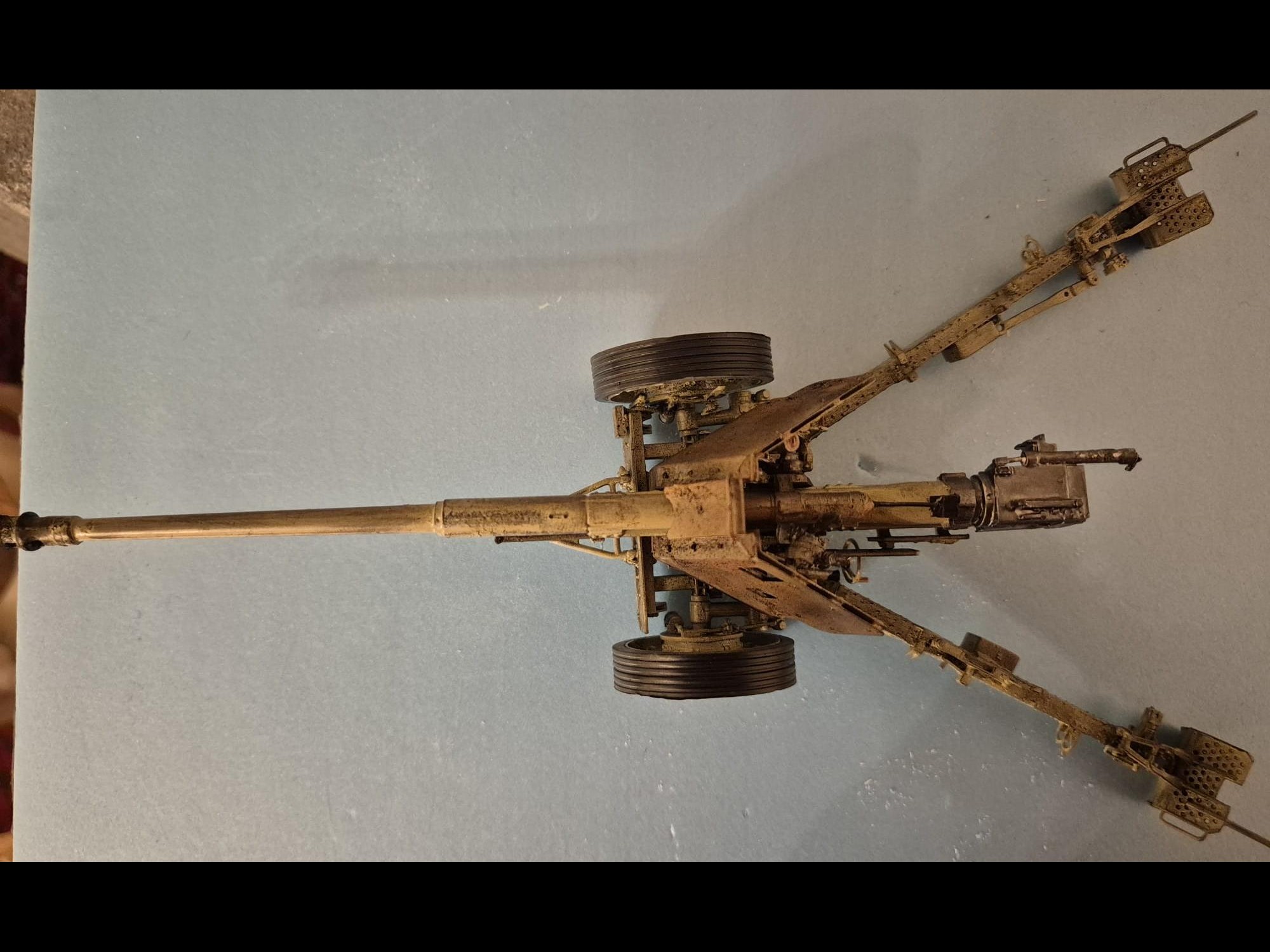
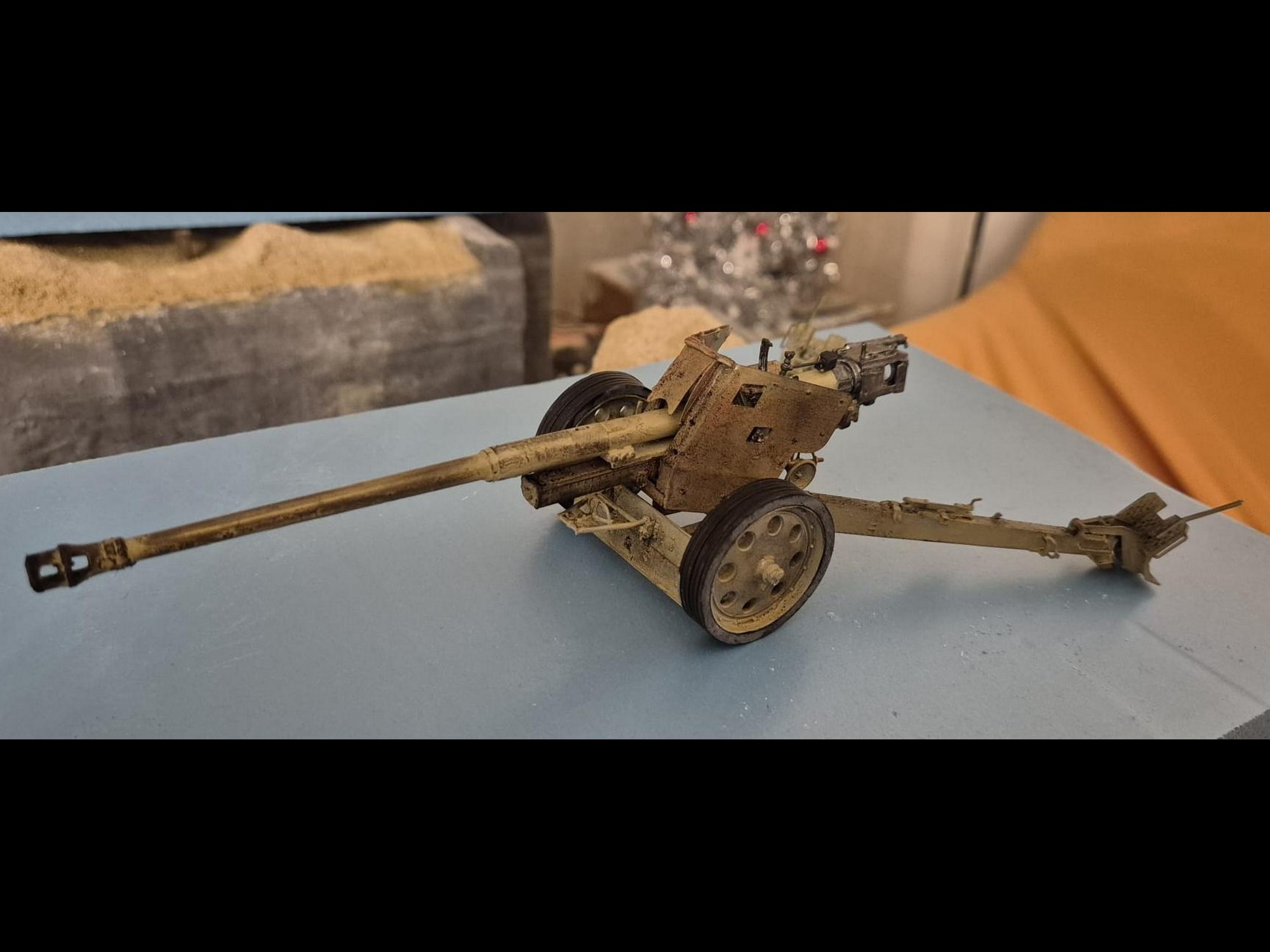
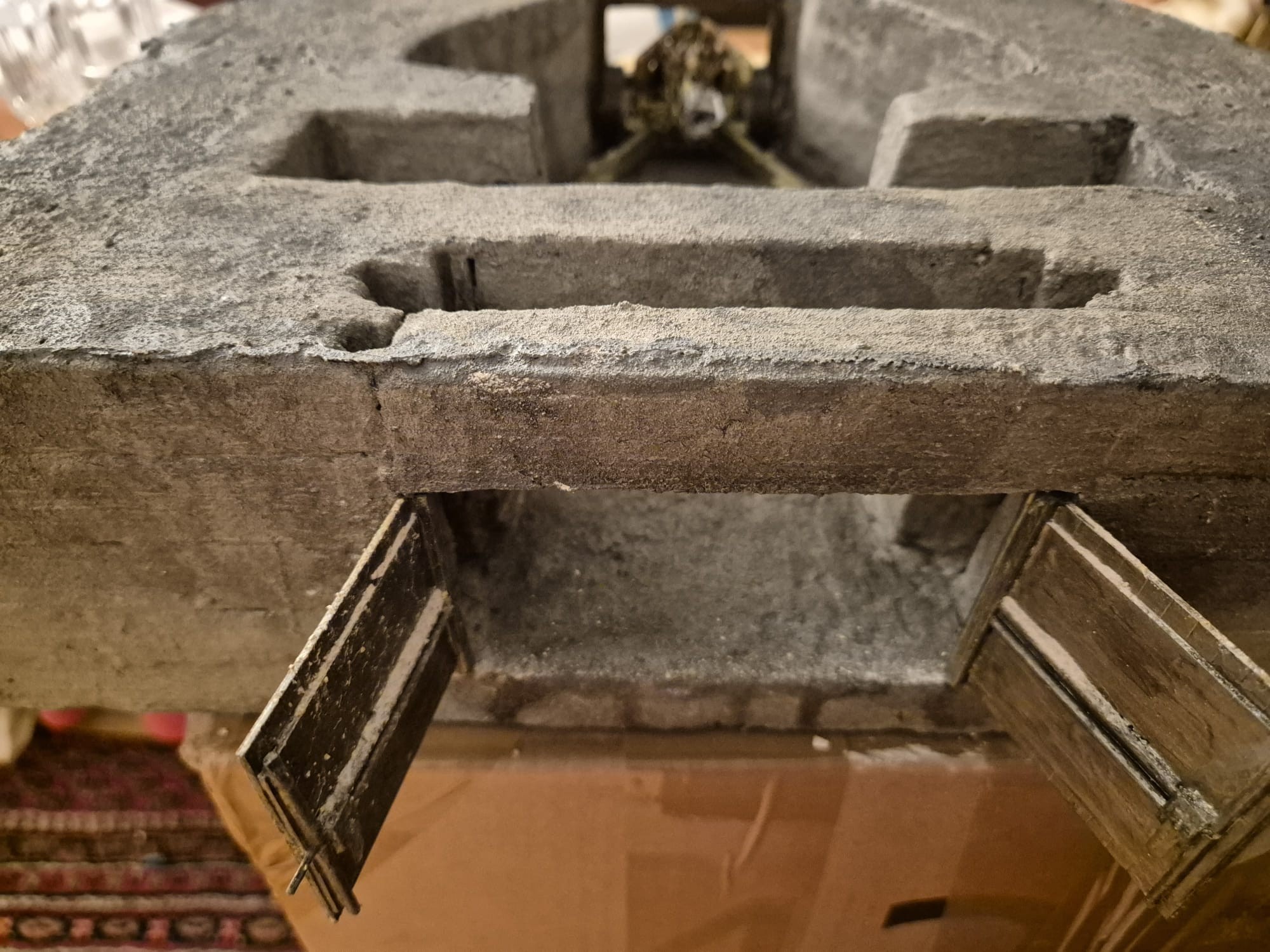
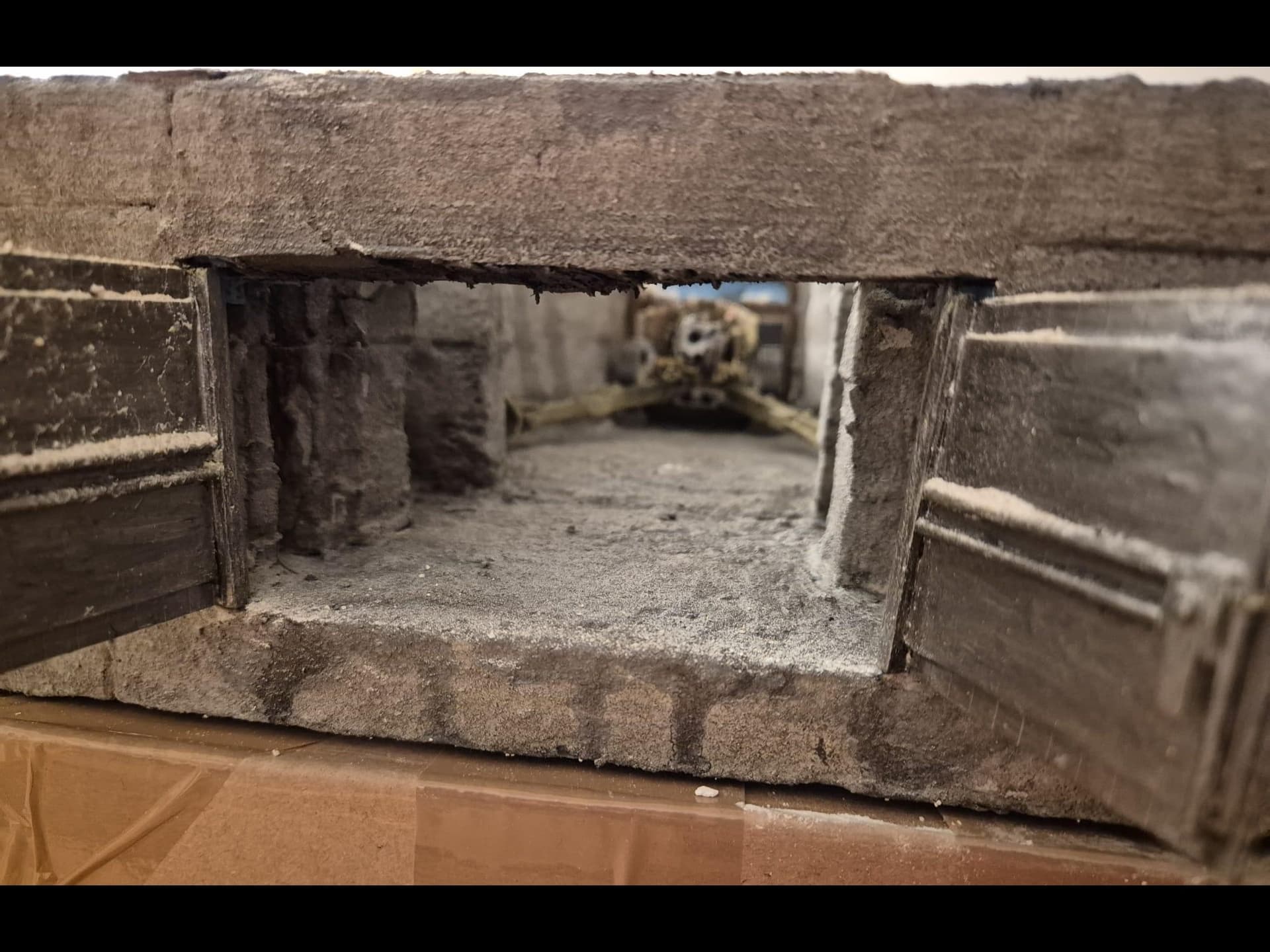
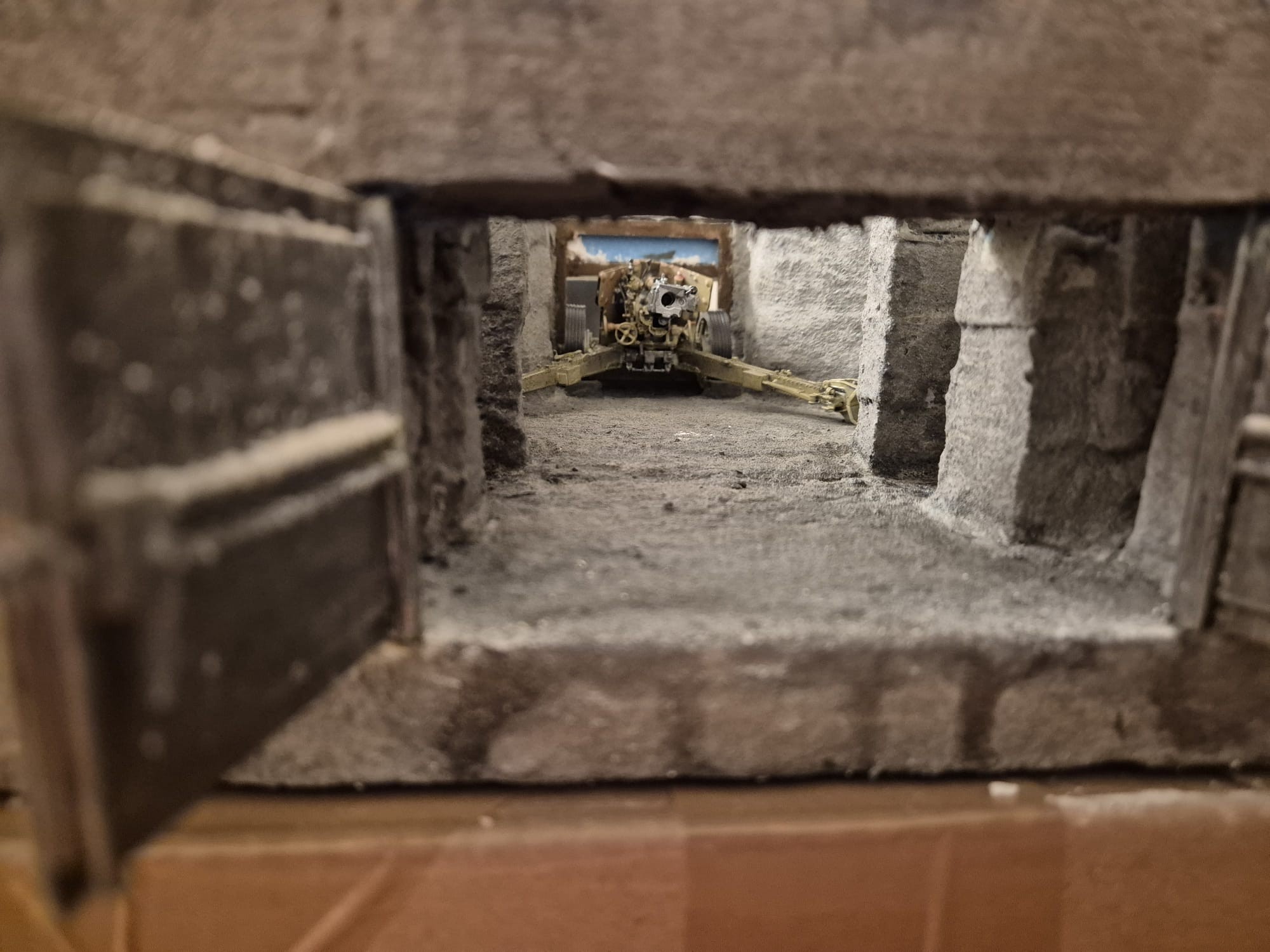
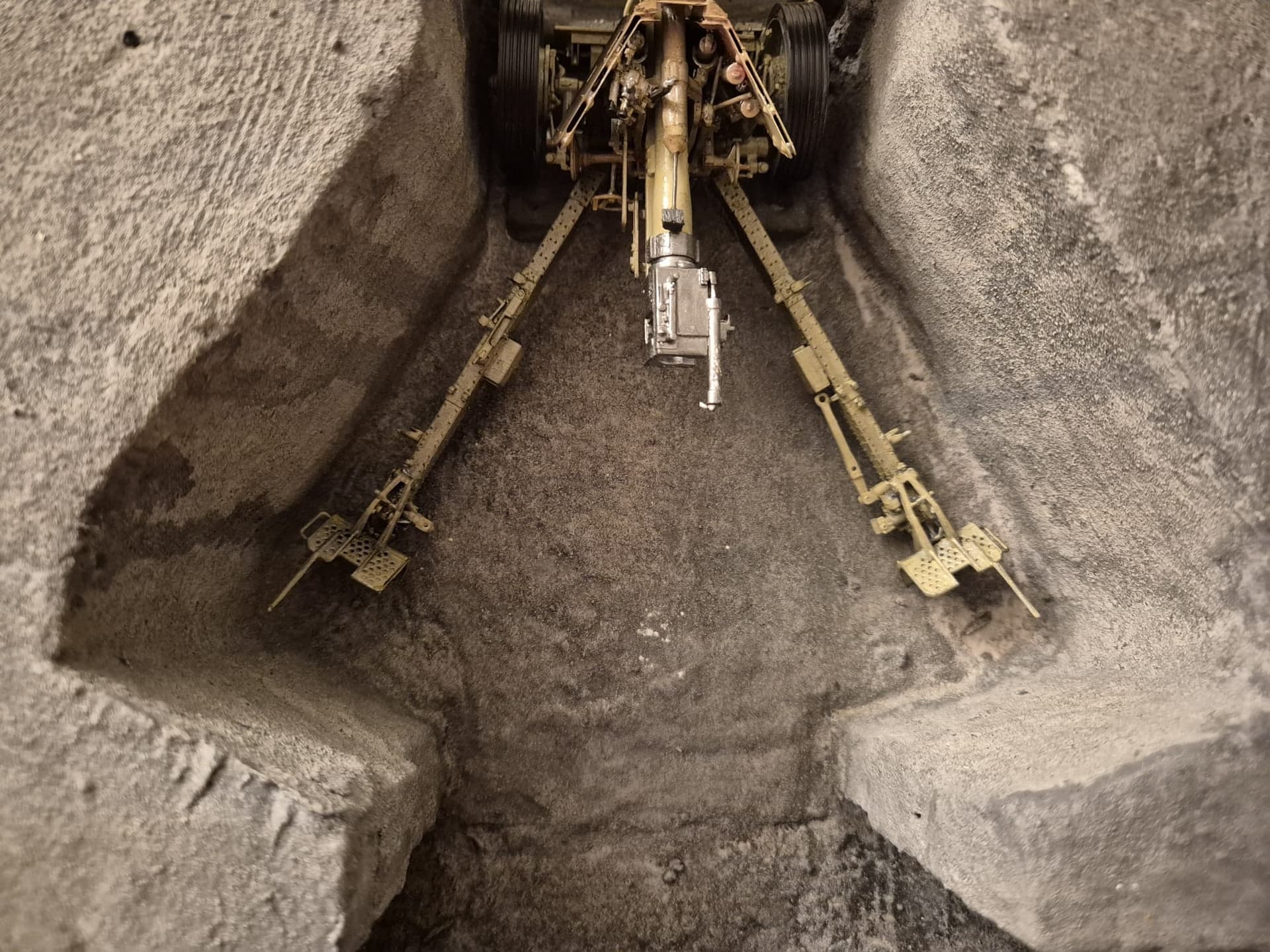
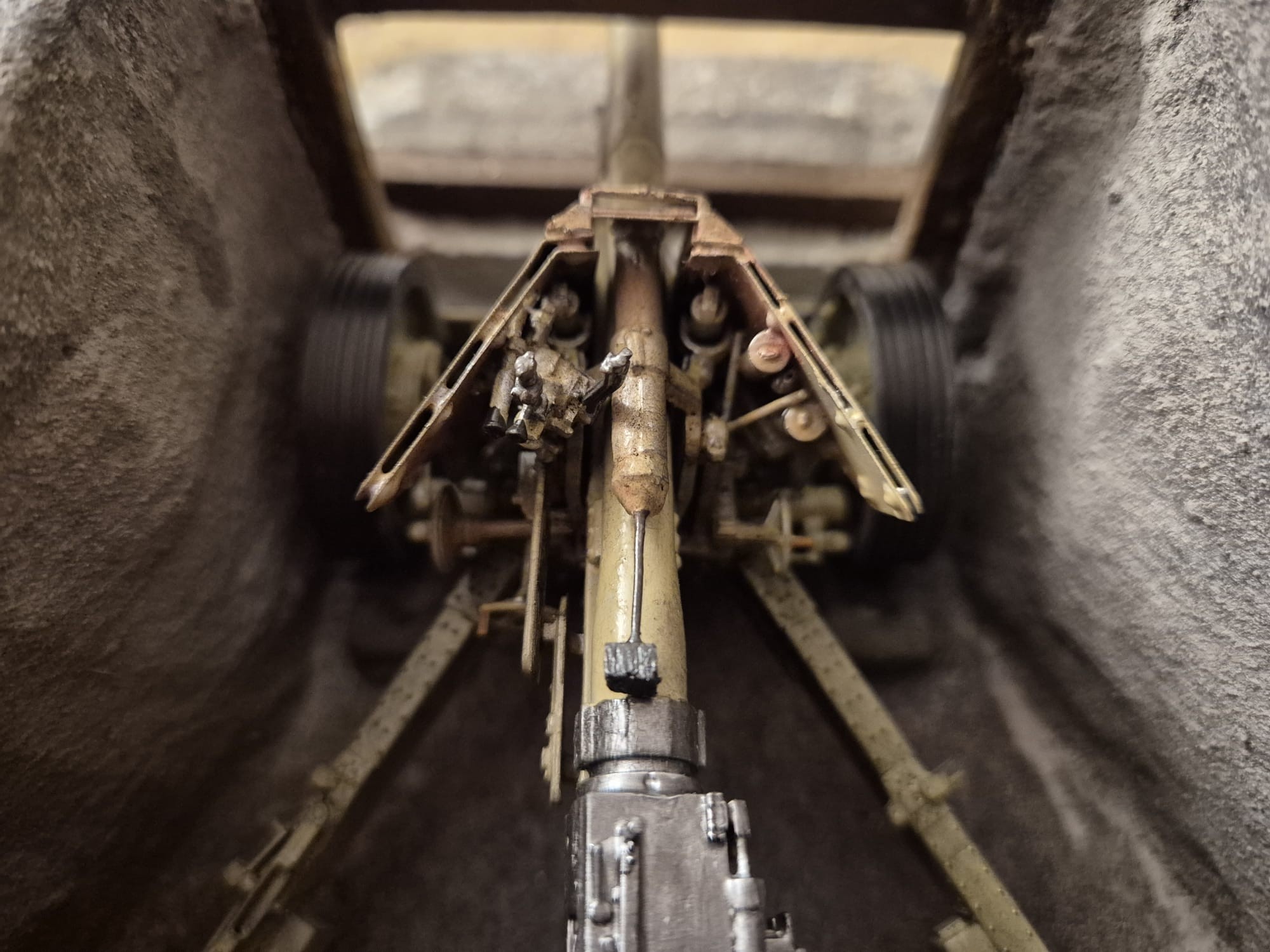
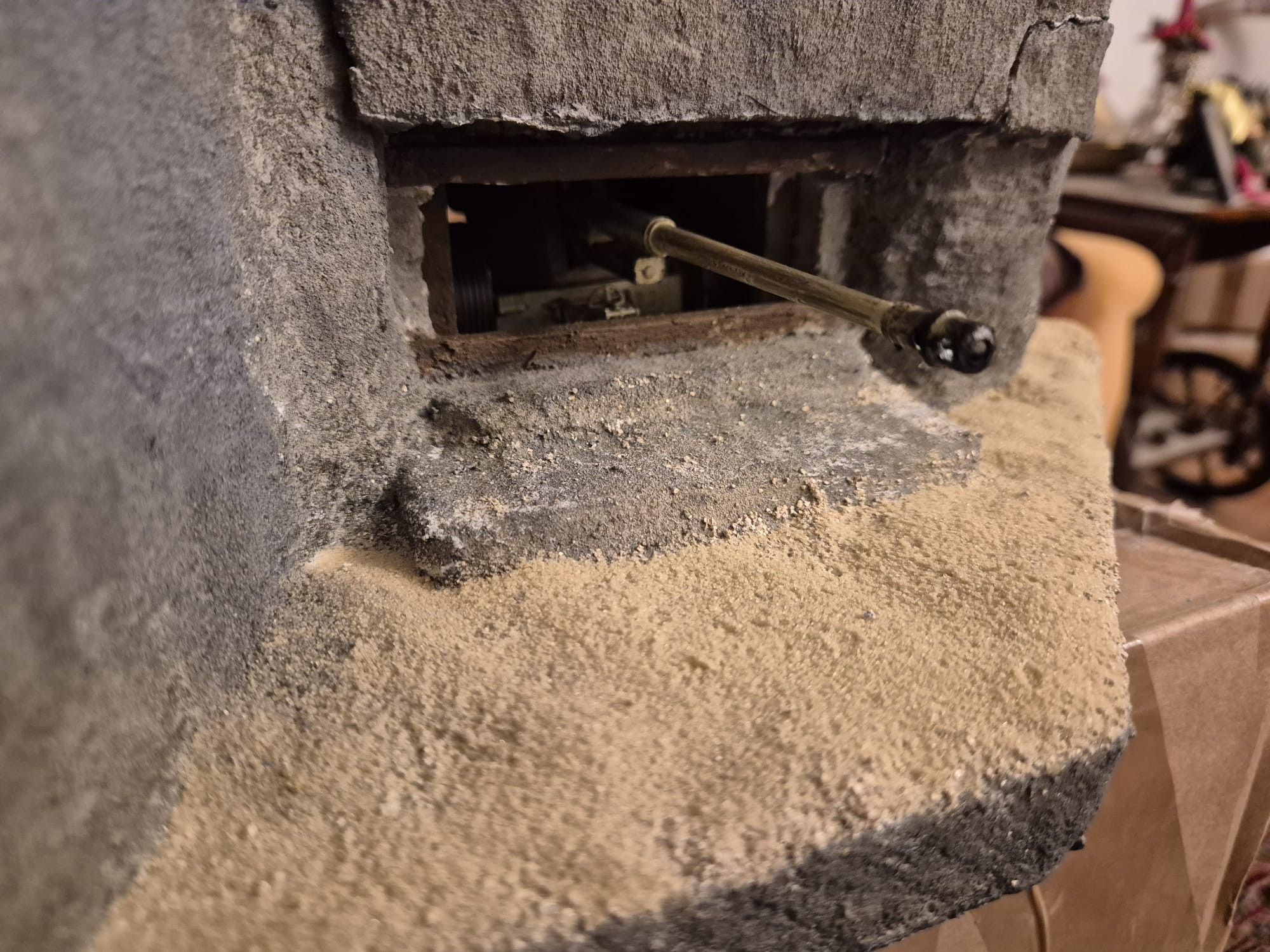
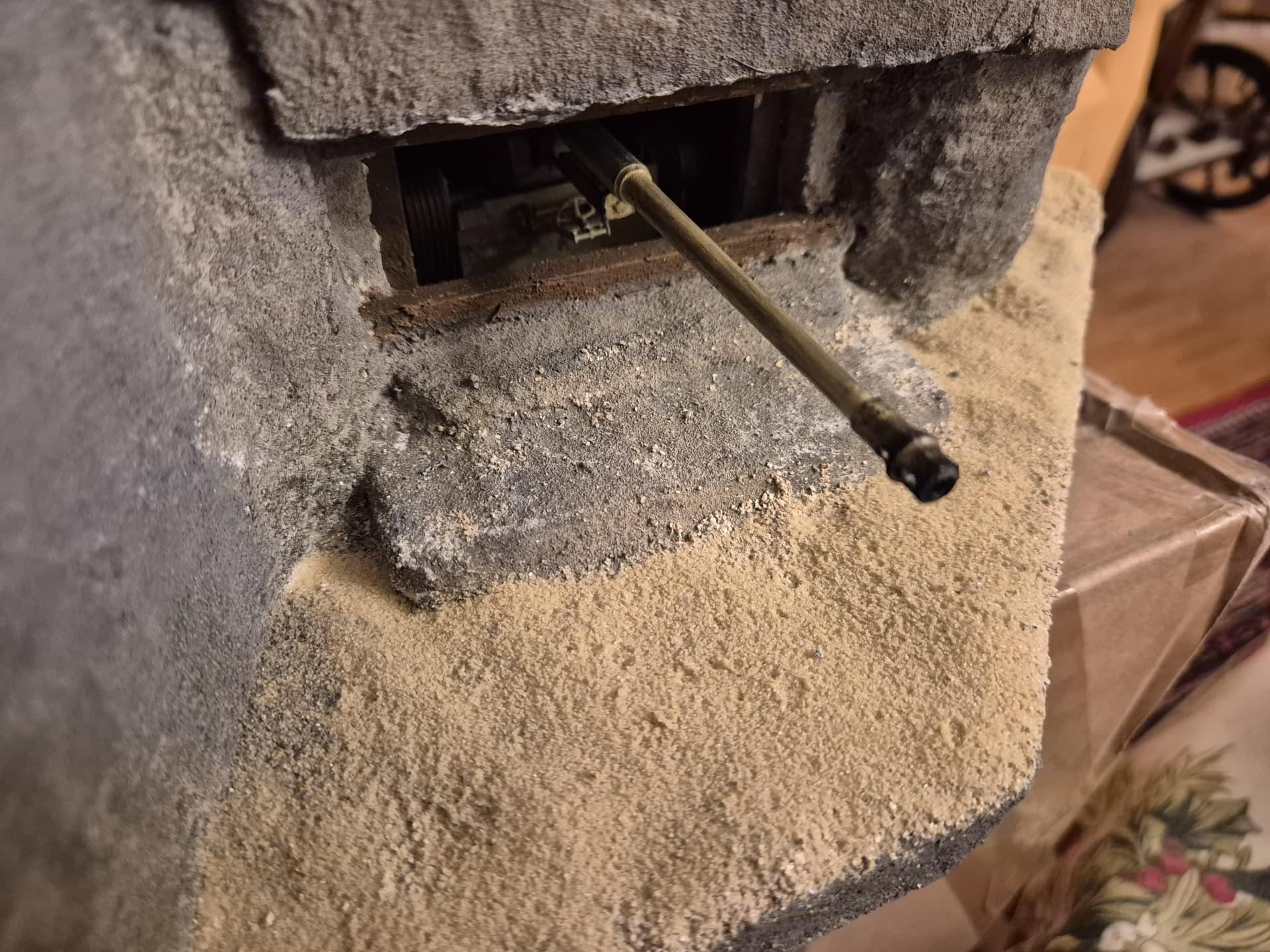
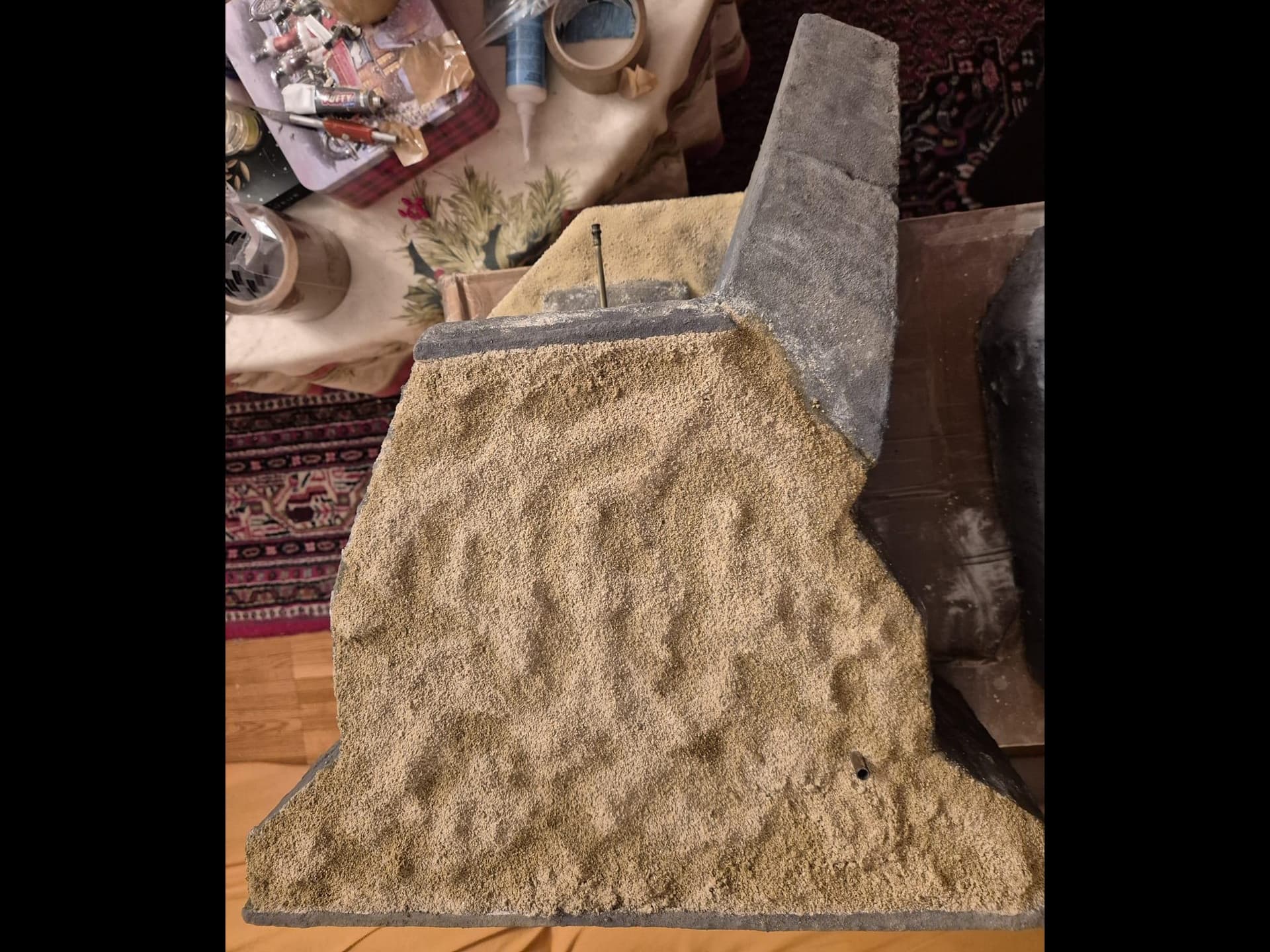
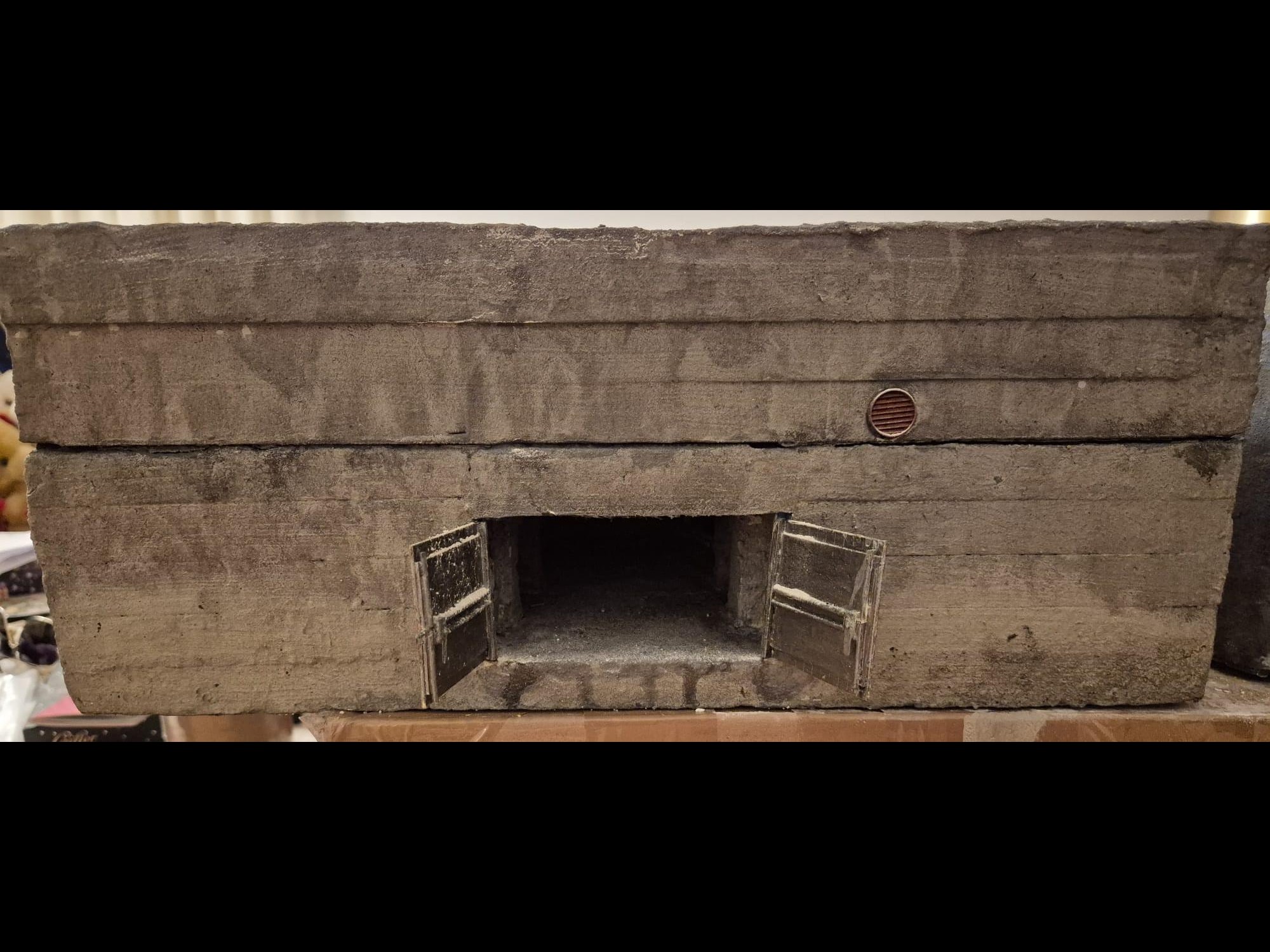
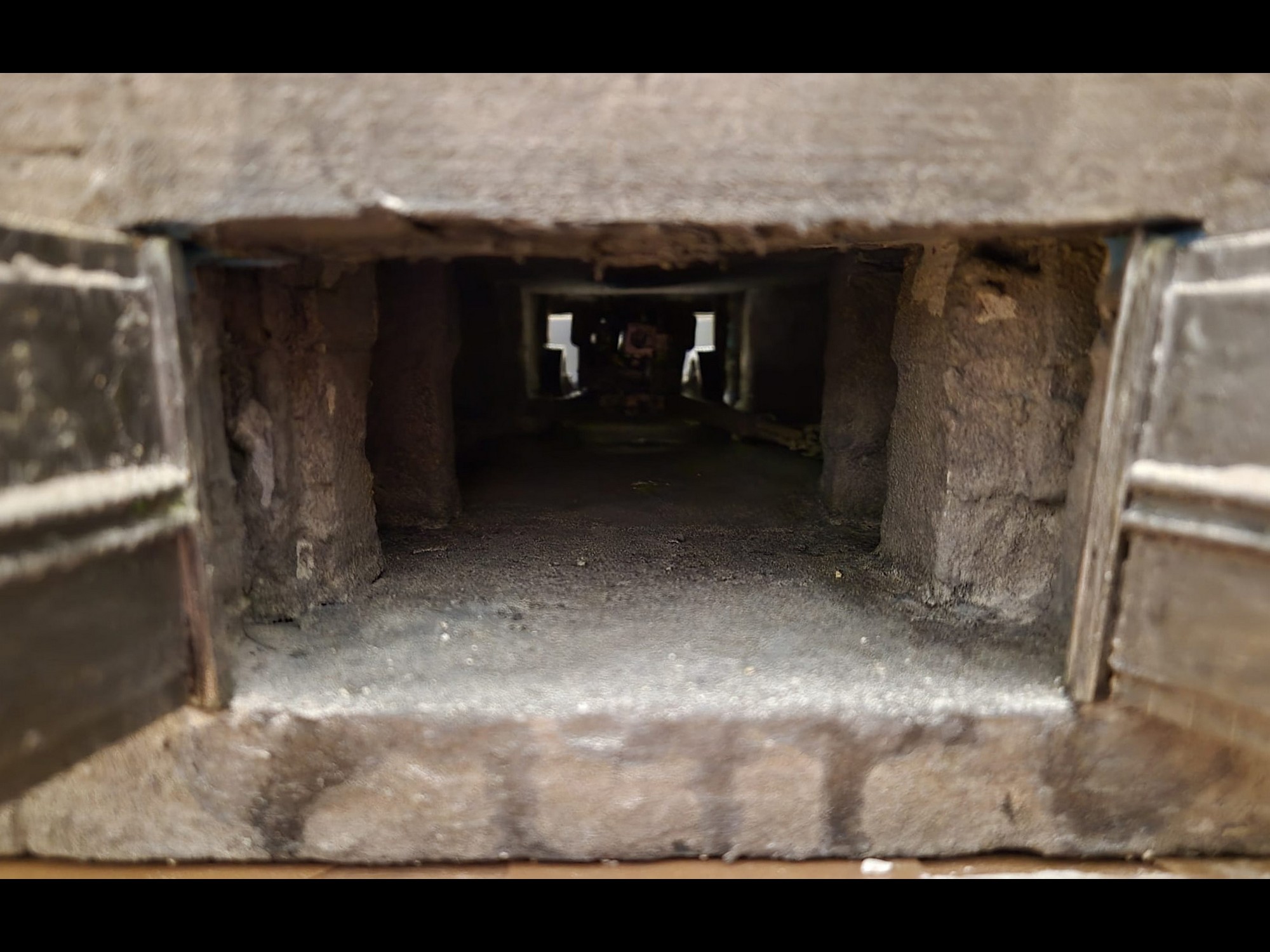
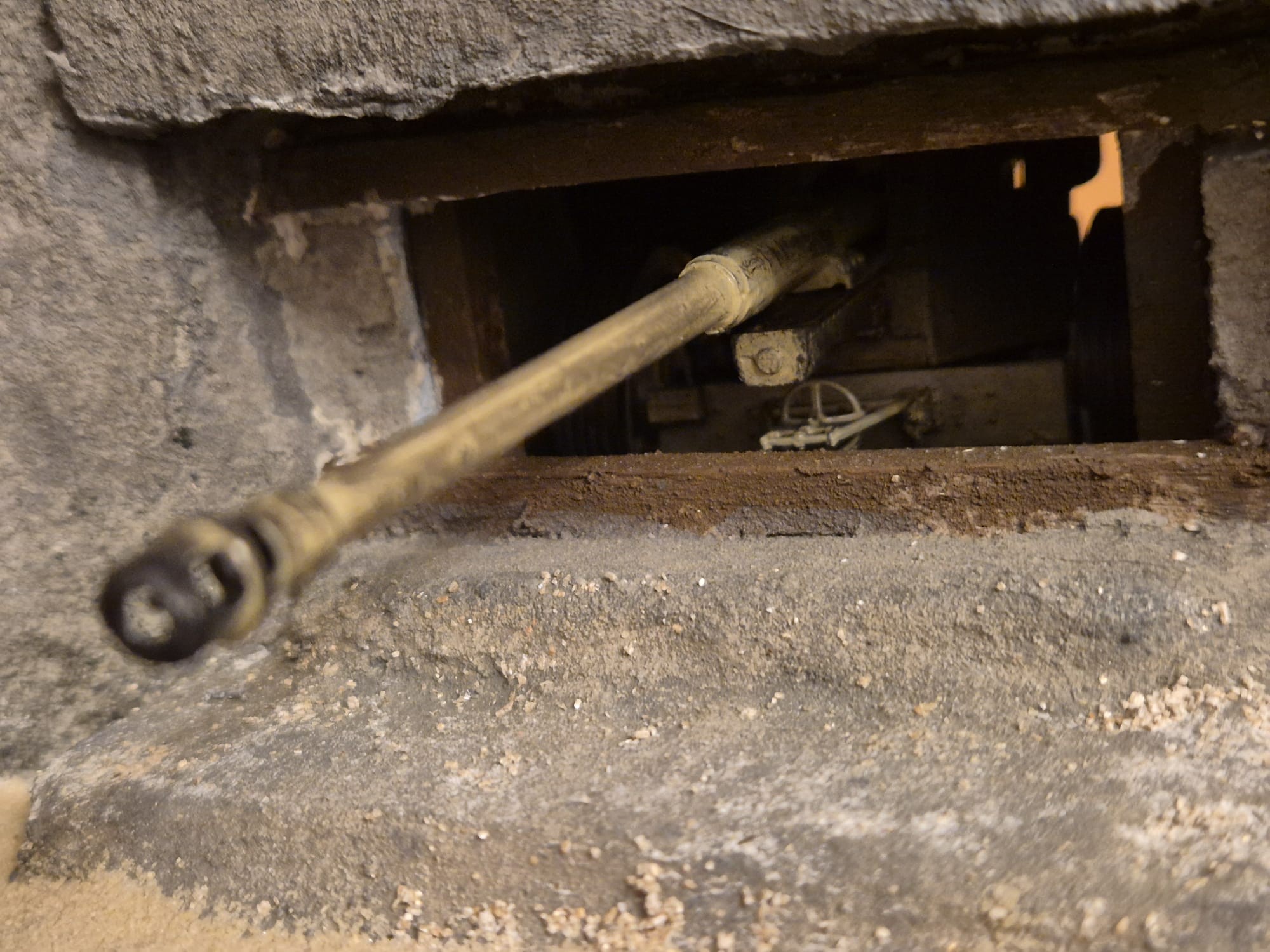
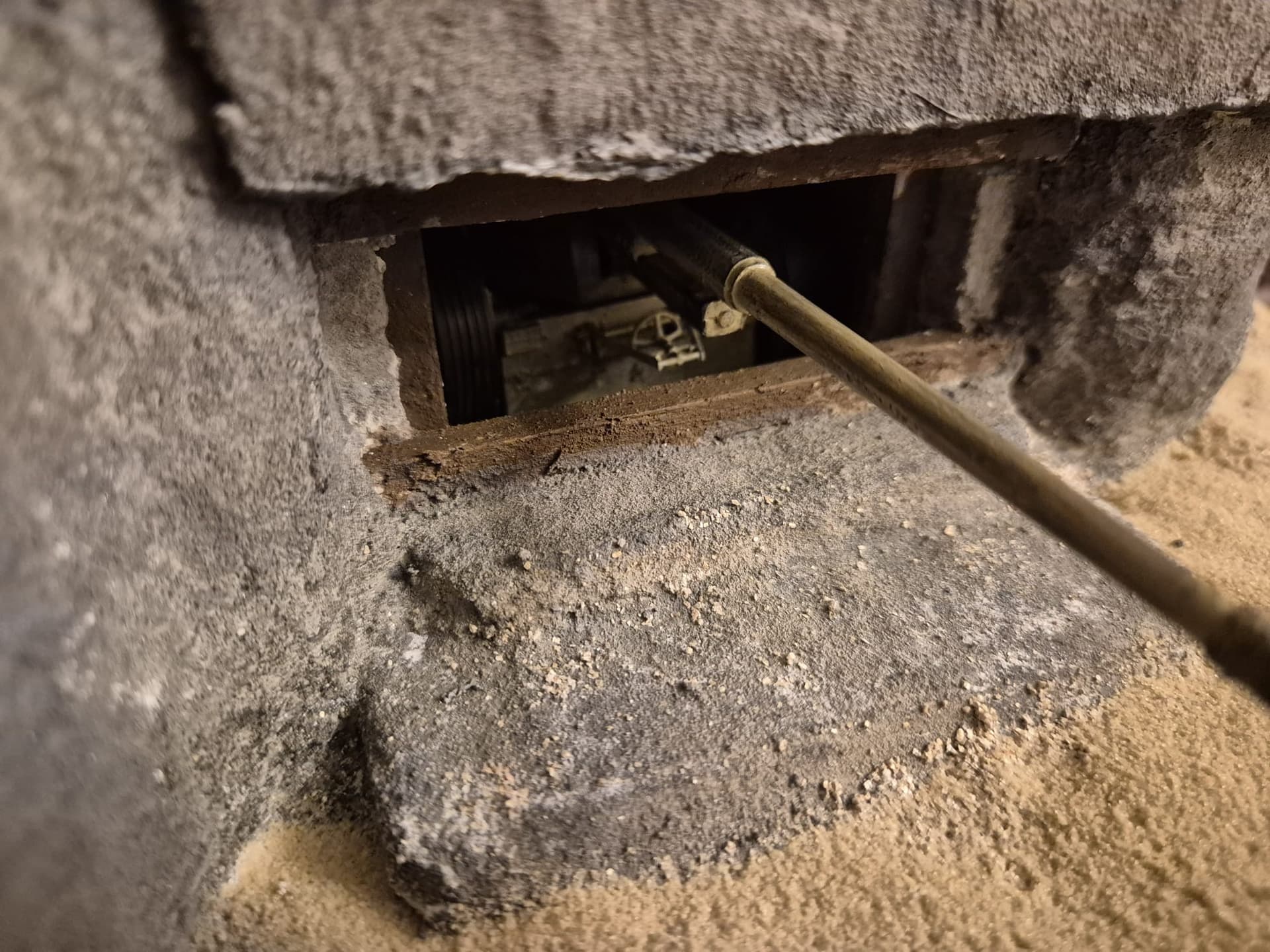
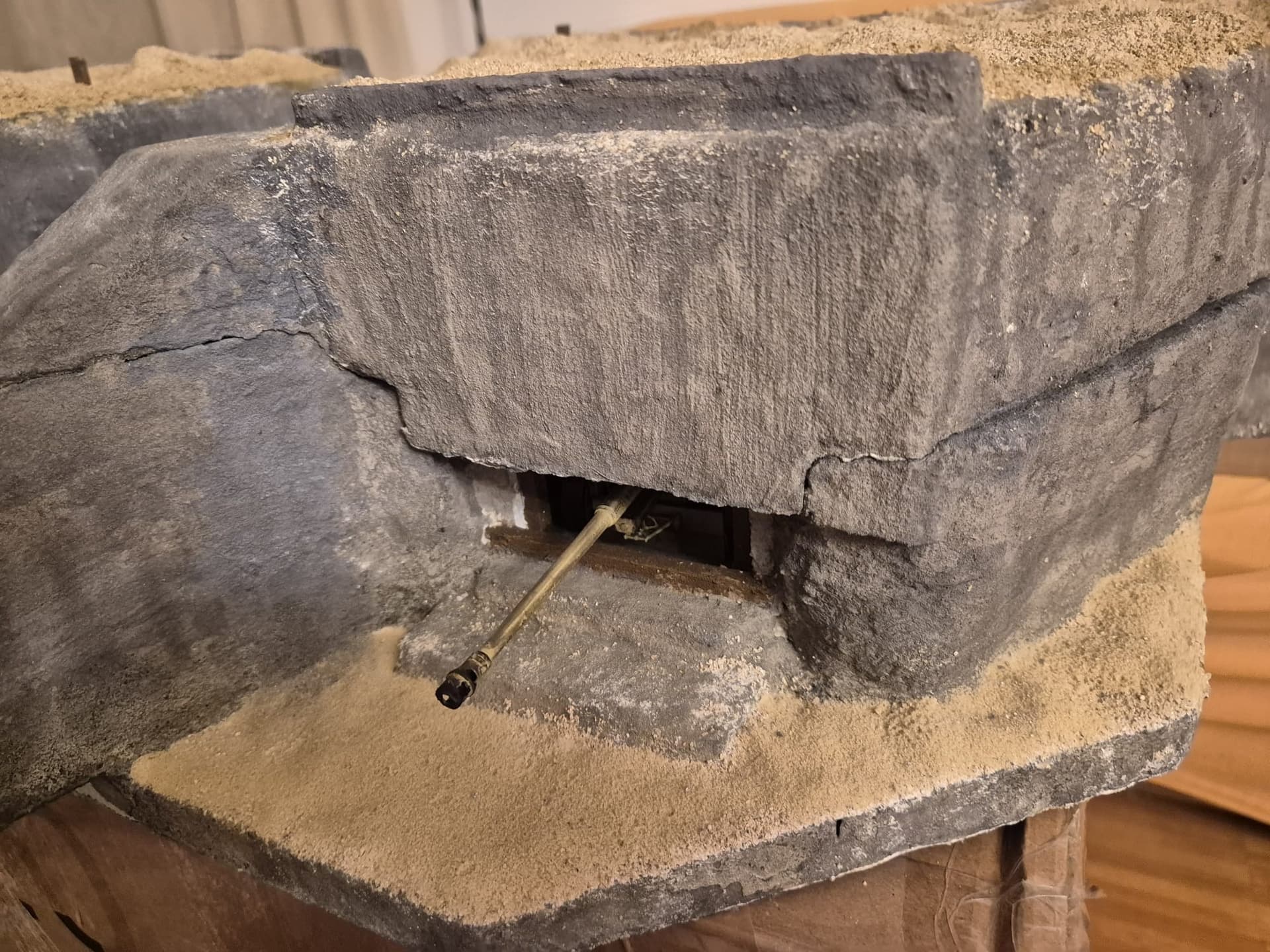
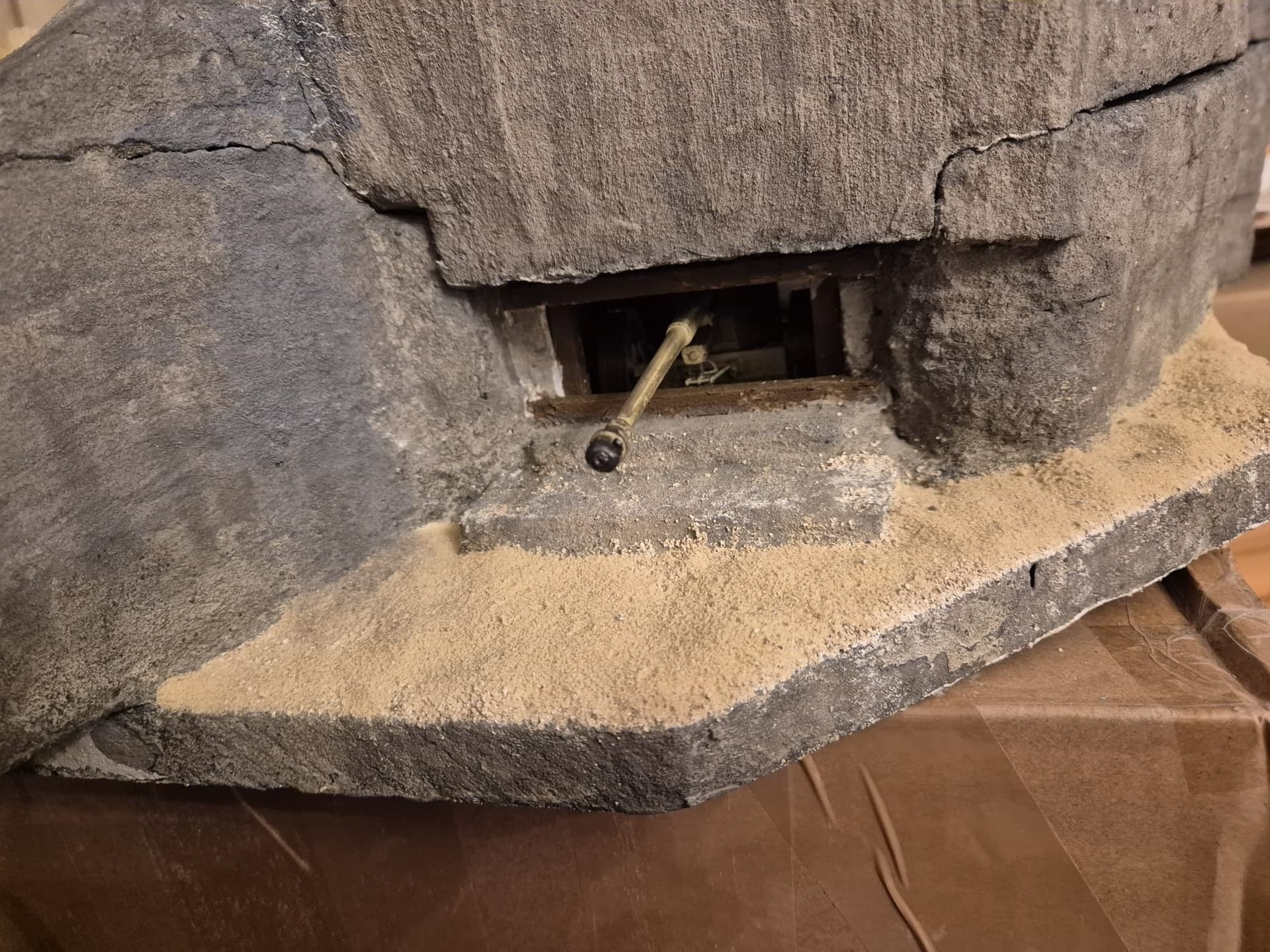
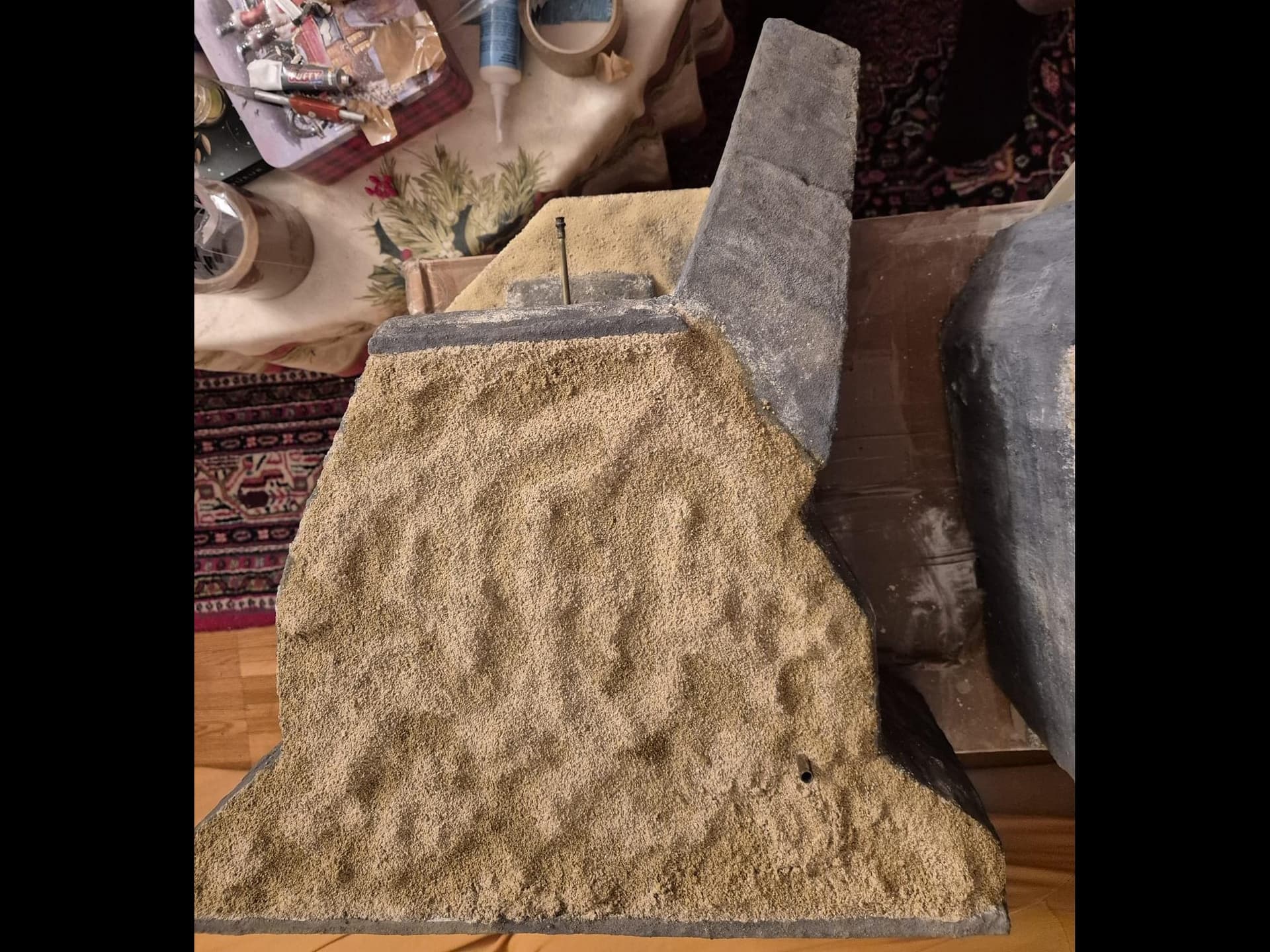
And now to the 15 cm (150 mm) SK C/36 naval gun…
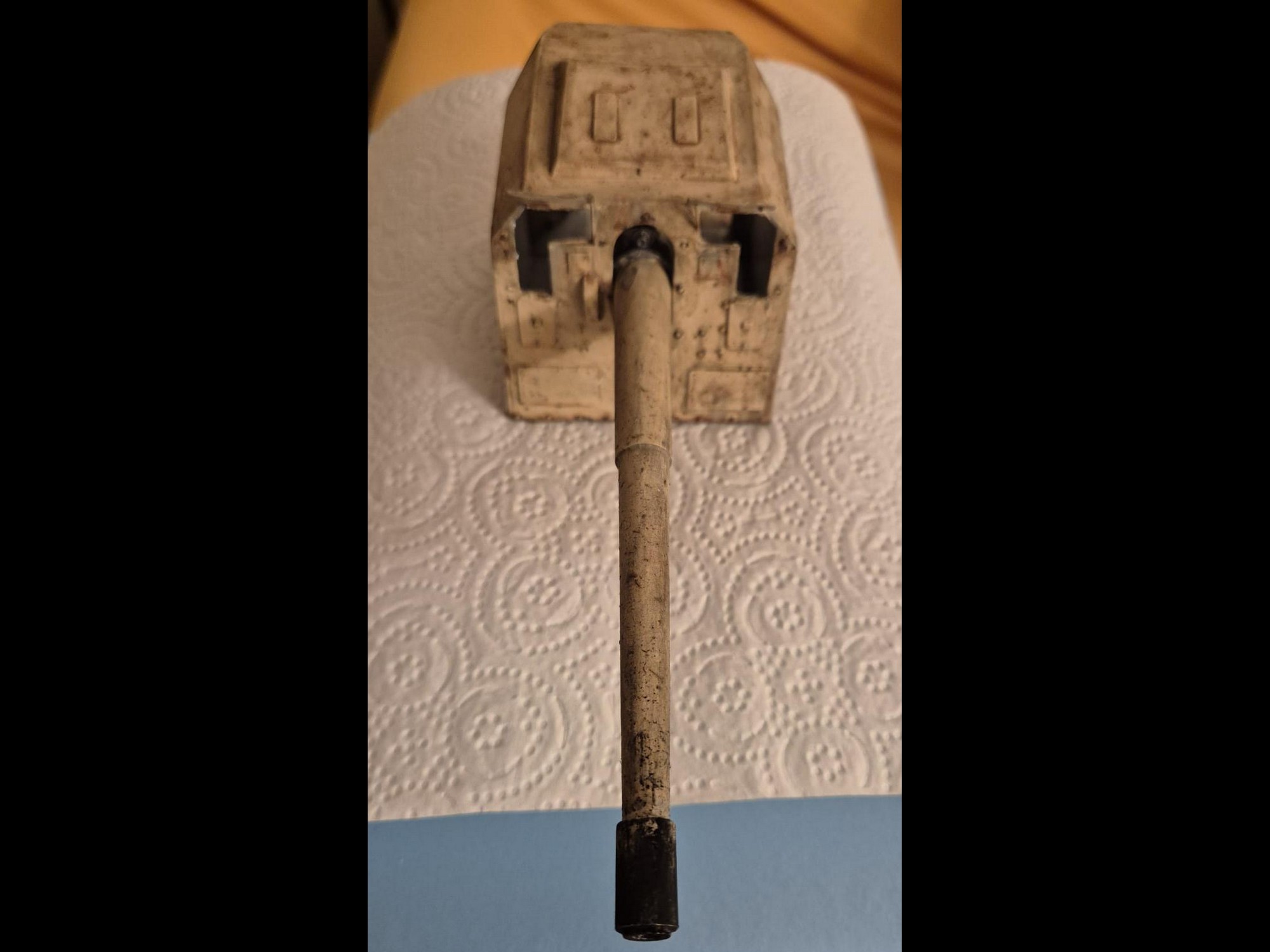
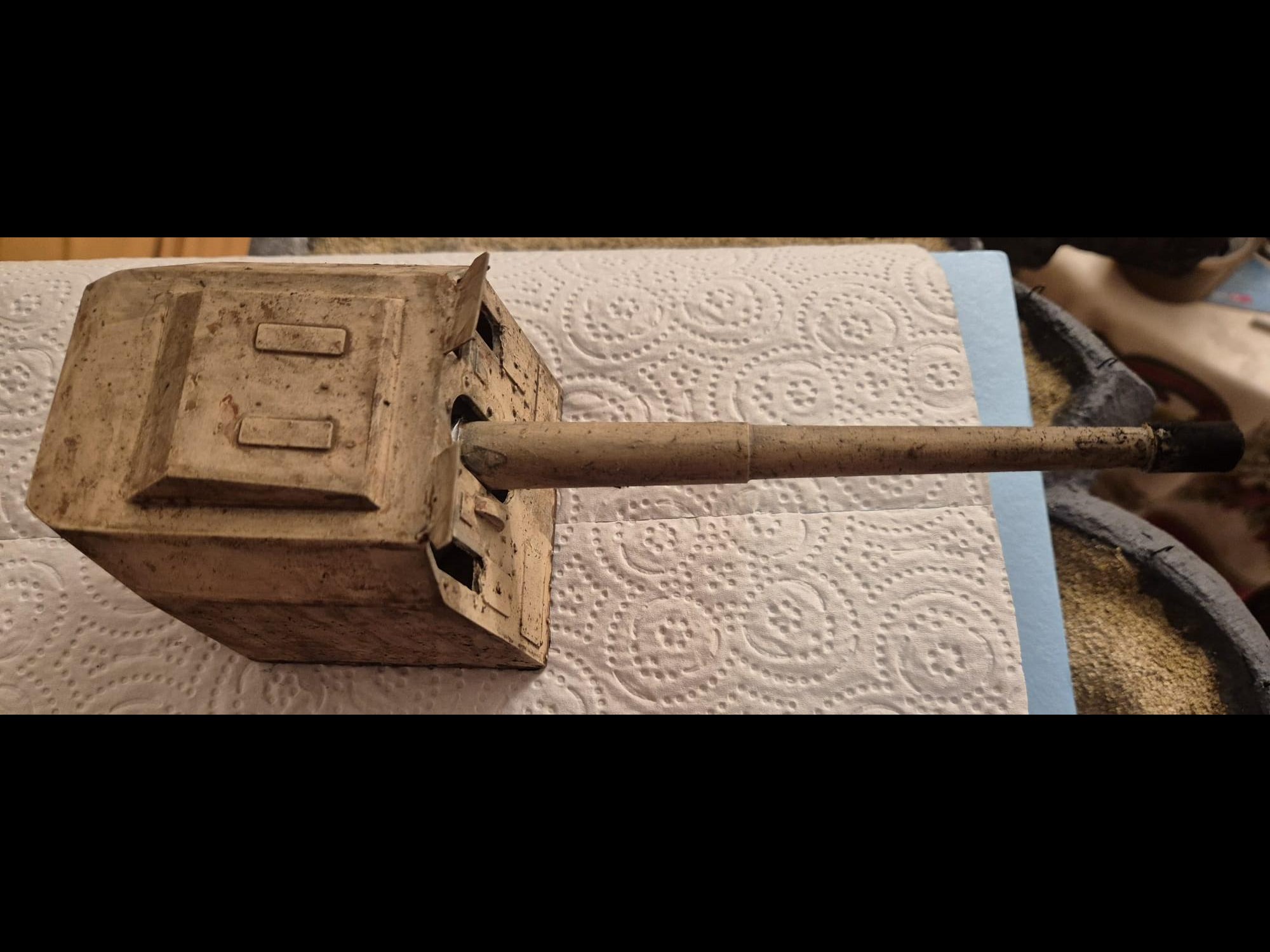
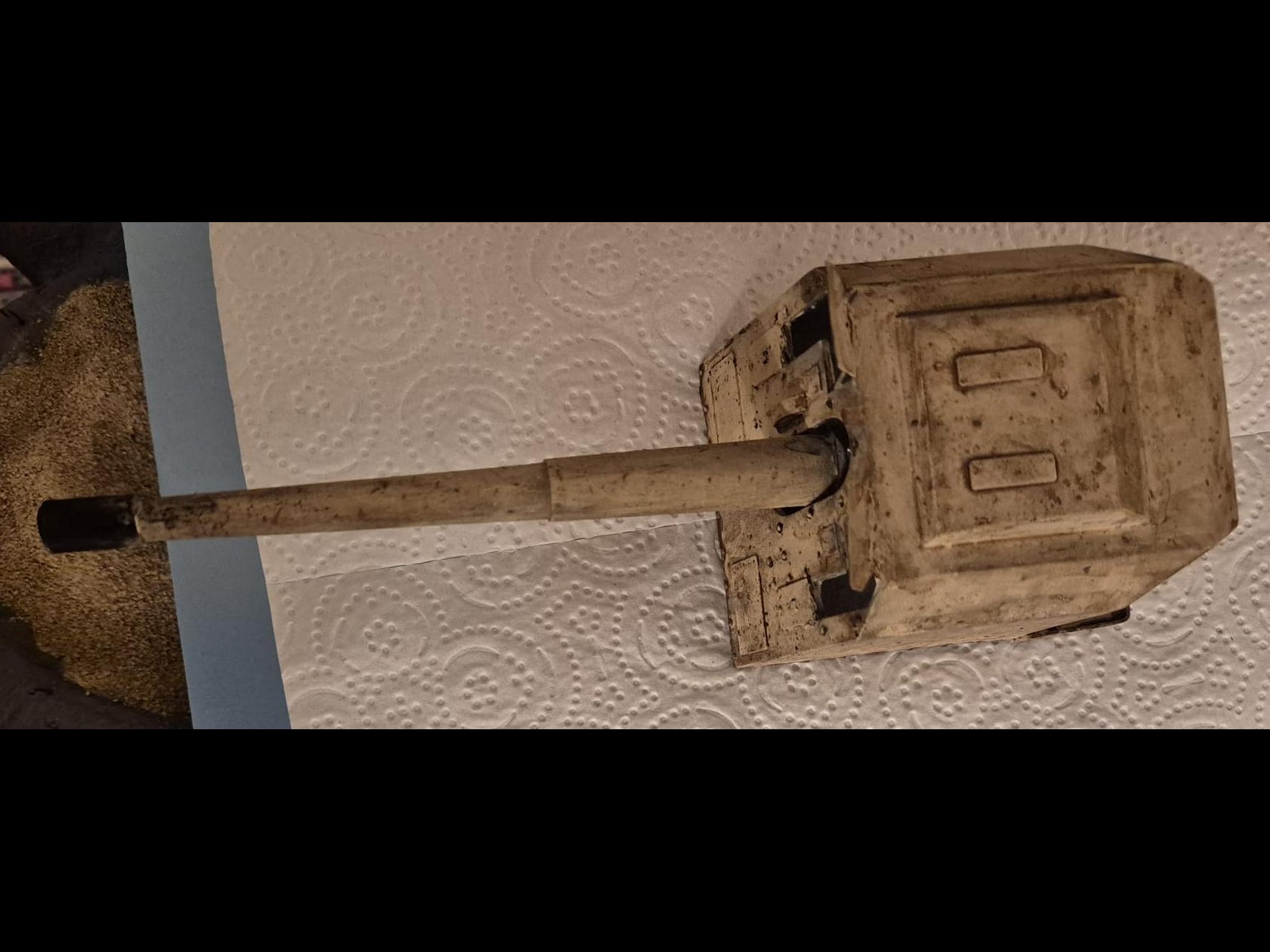
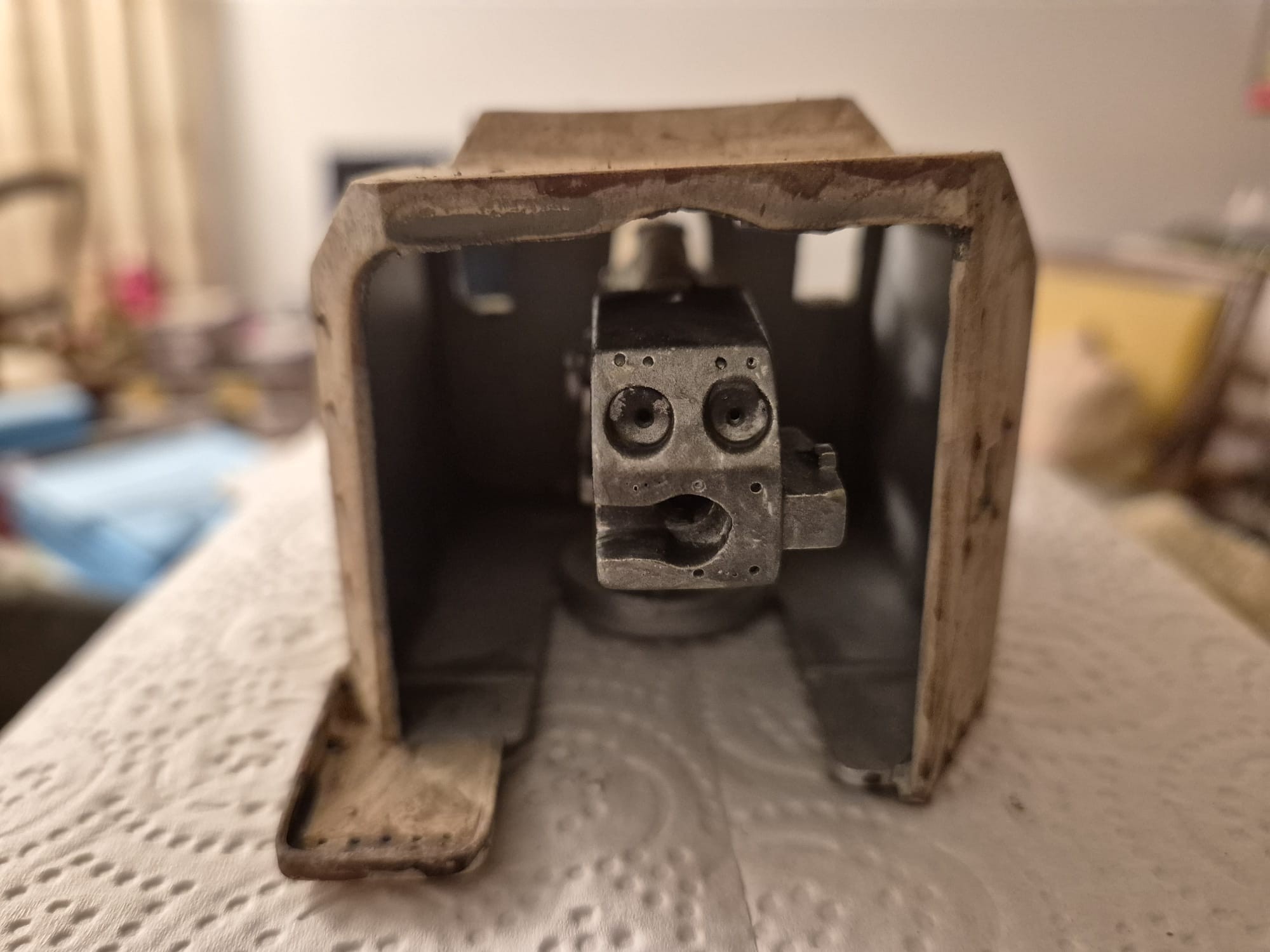
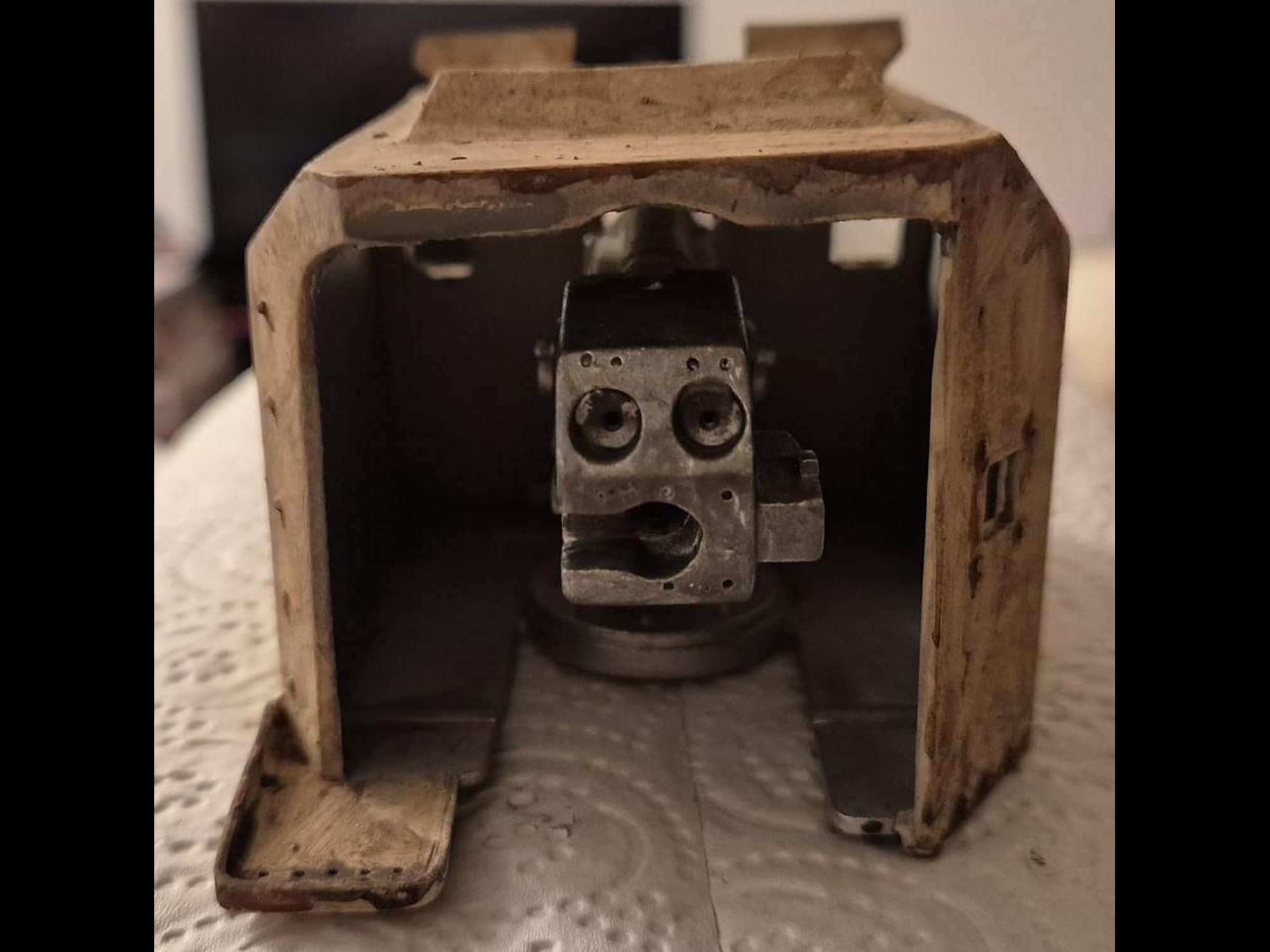
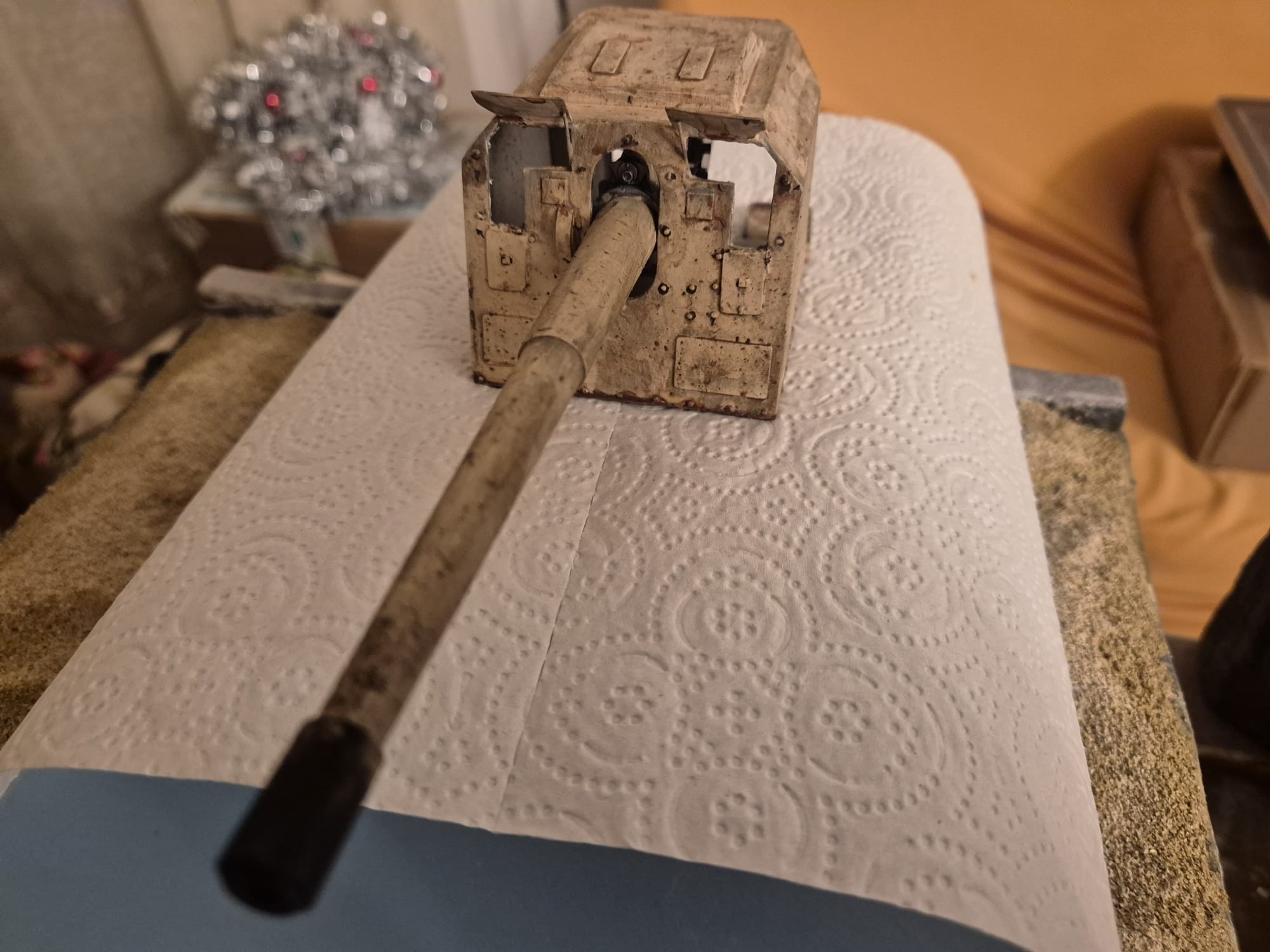
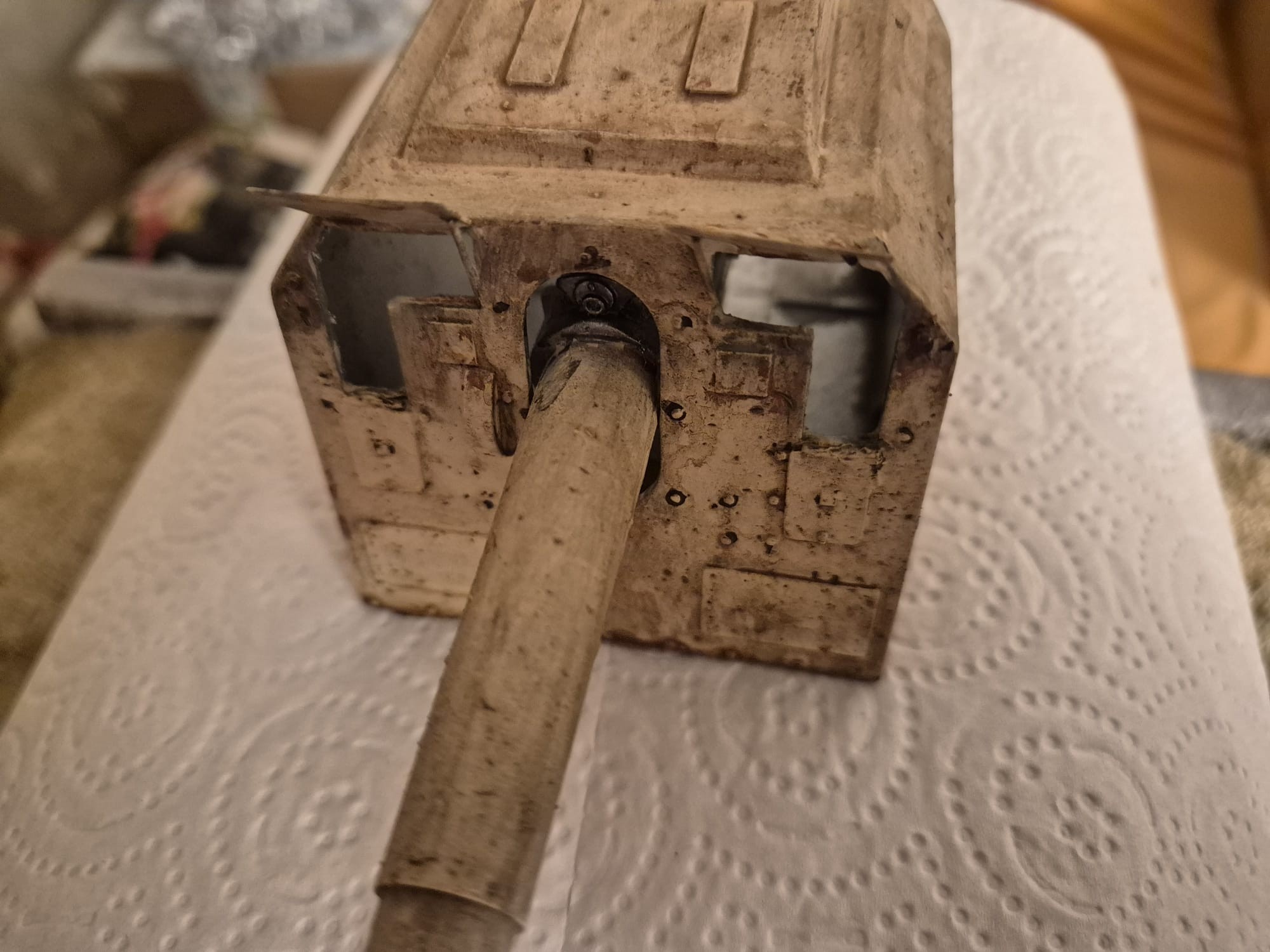
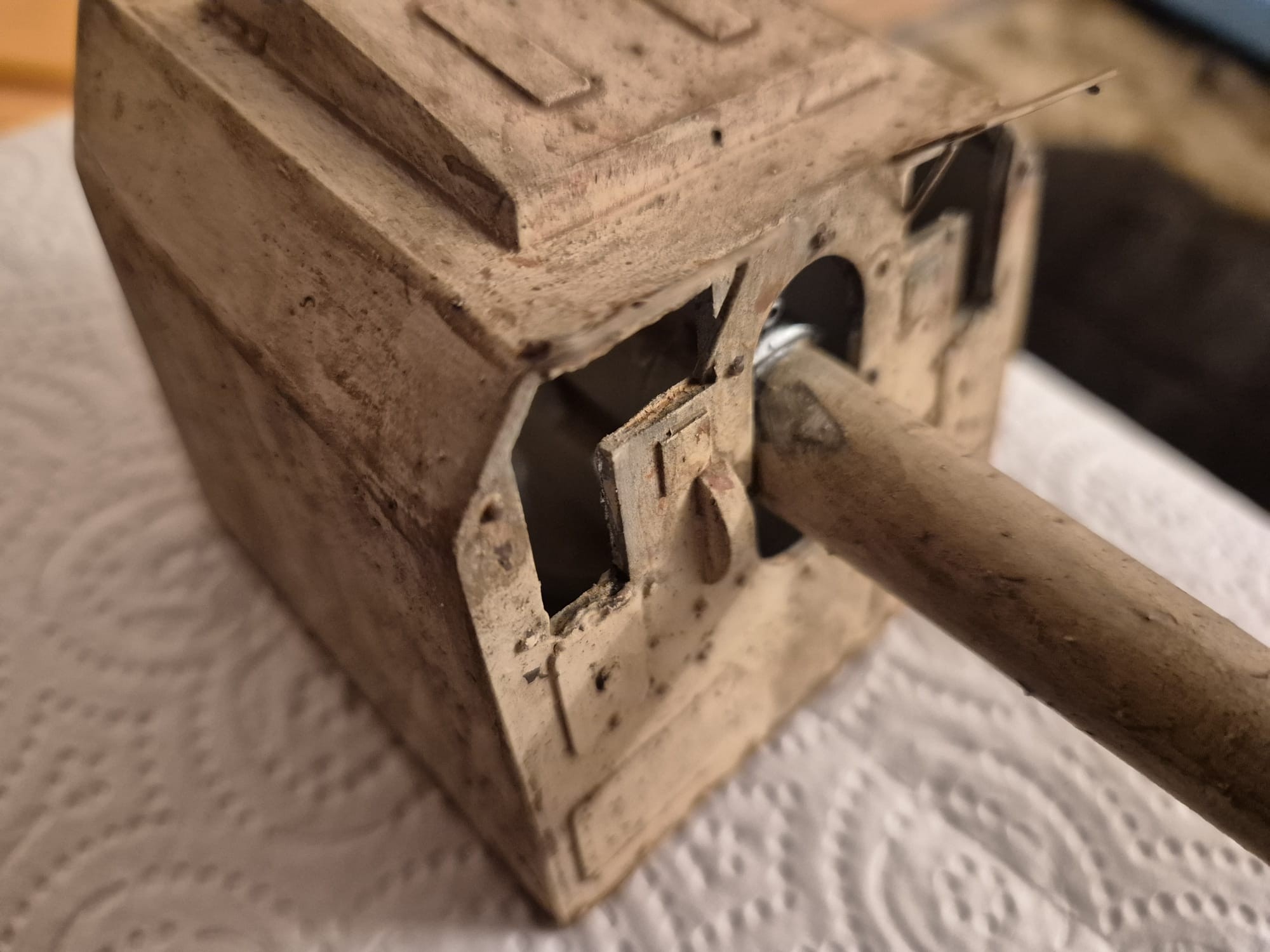
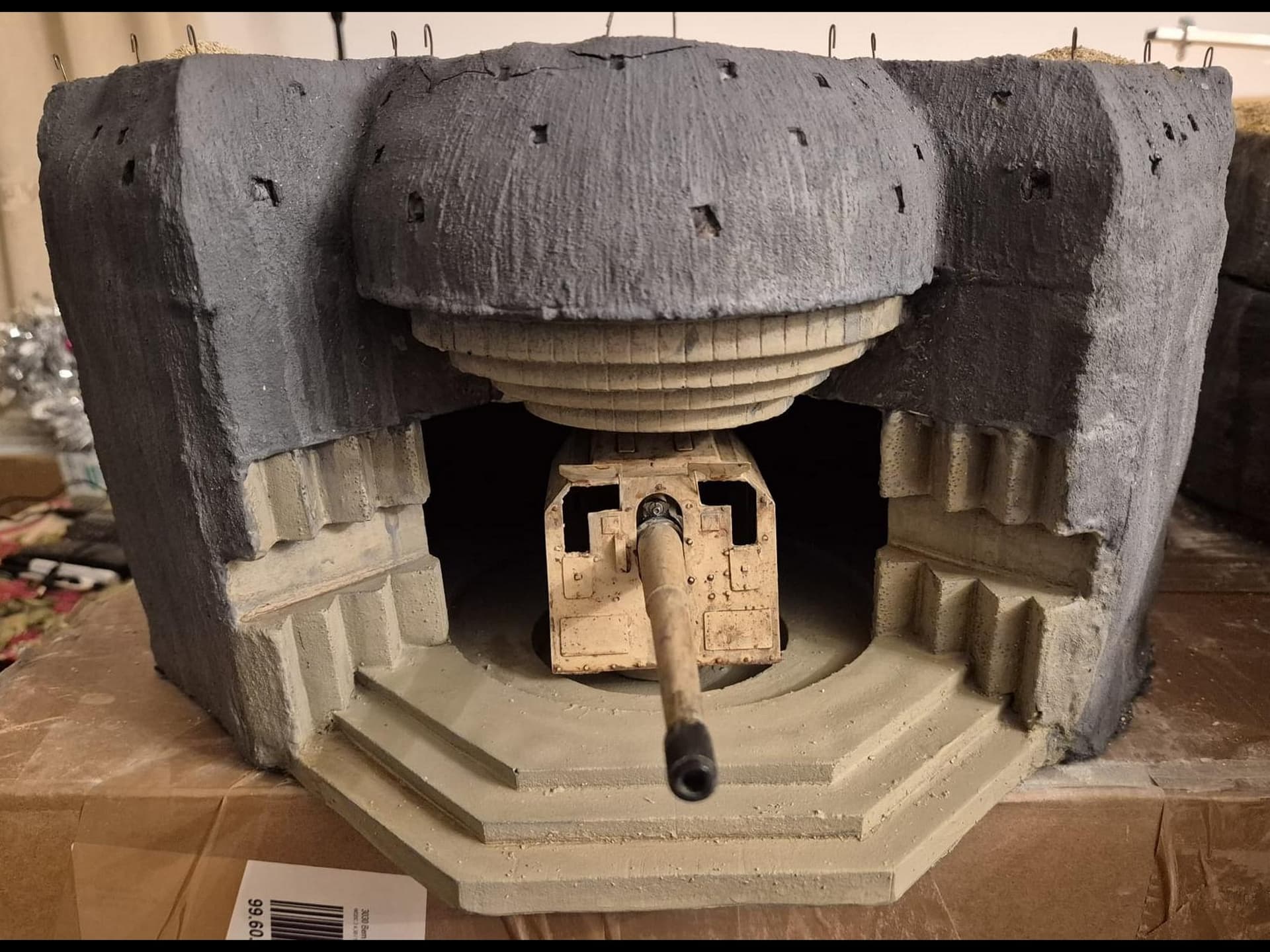
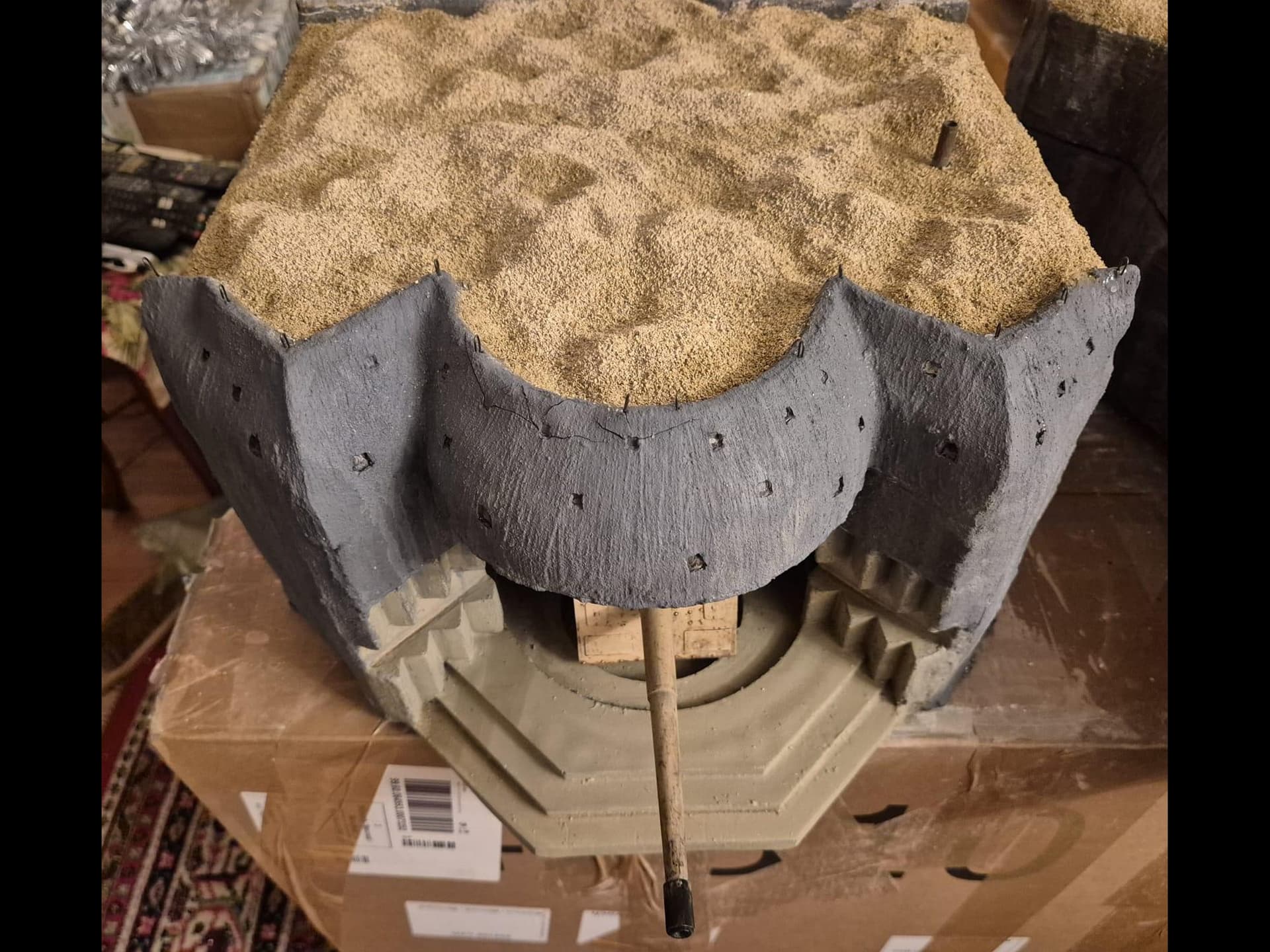
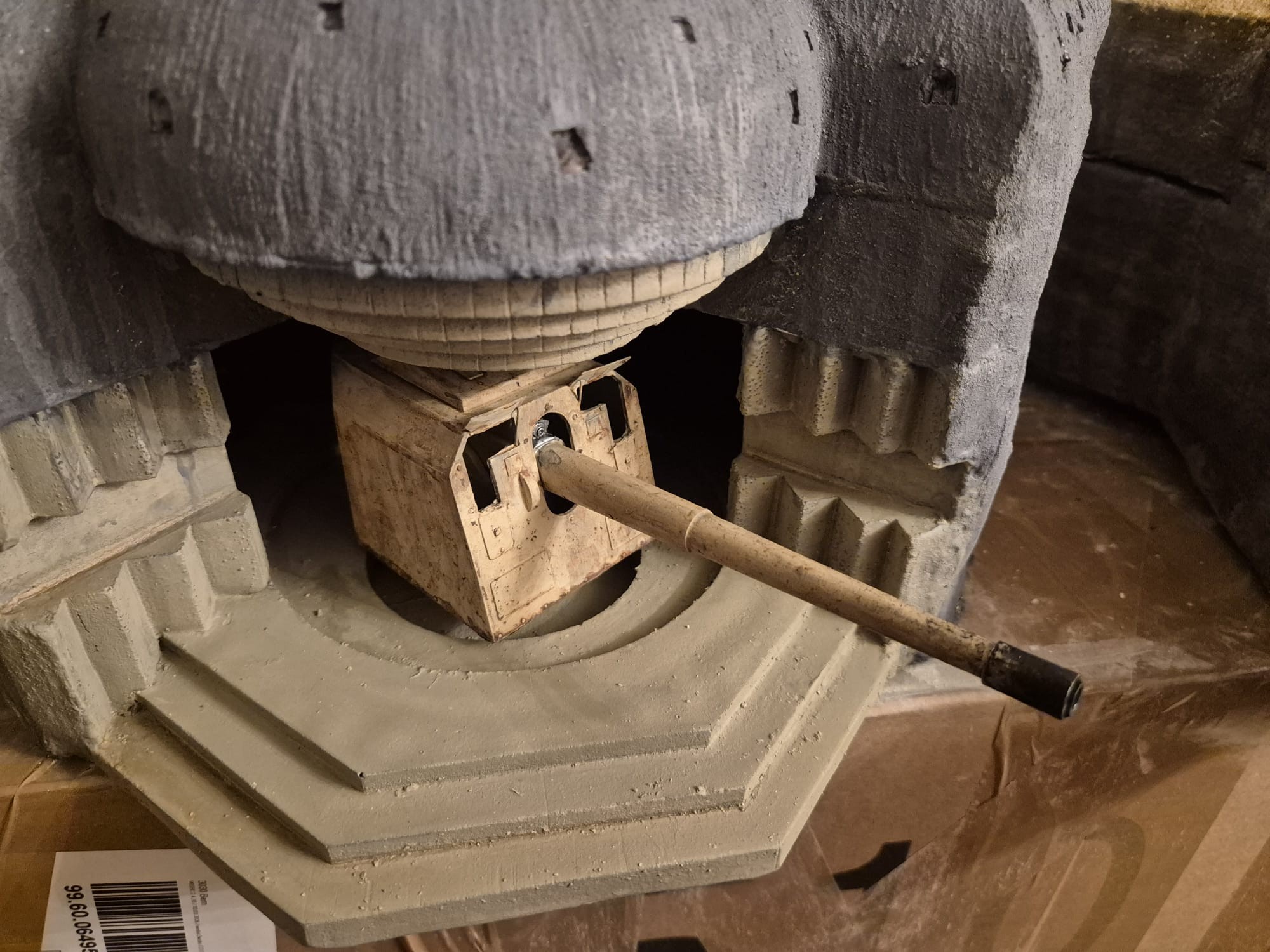
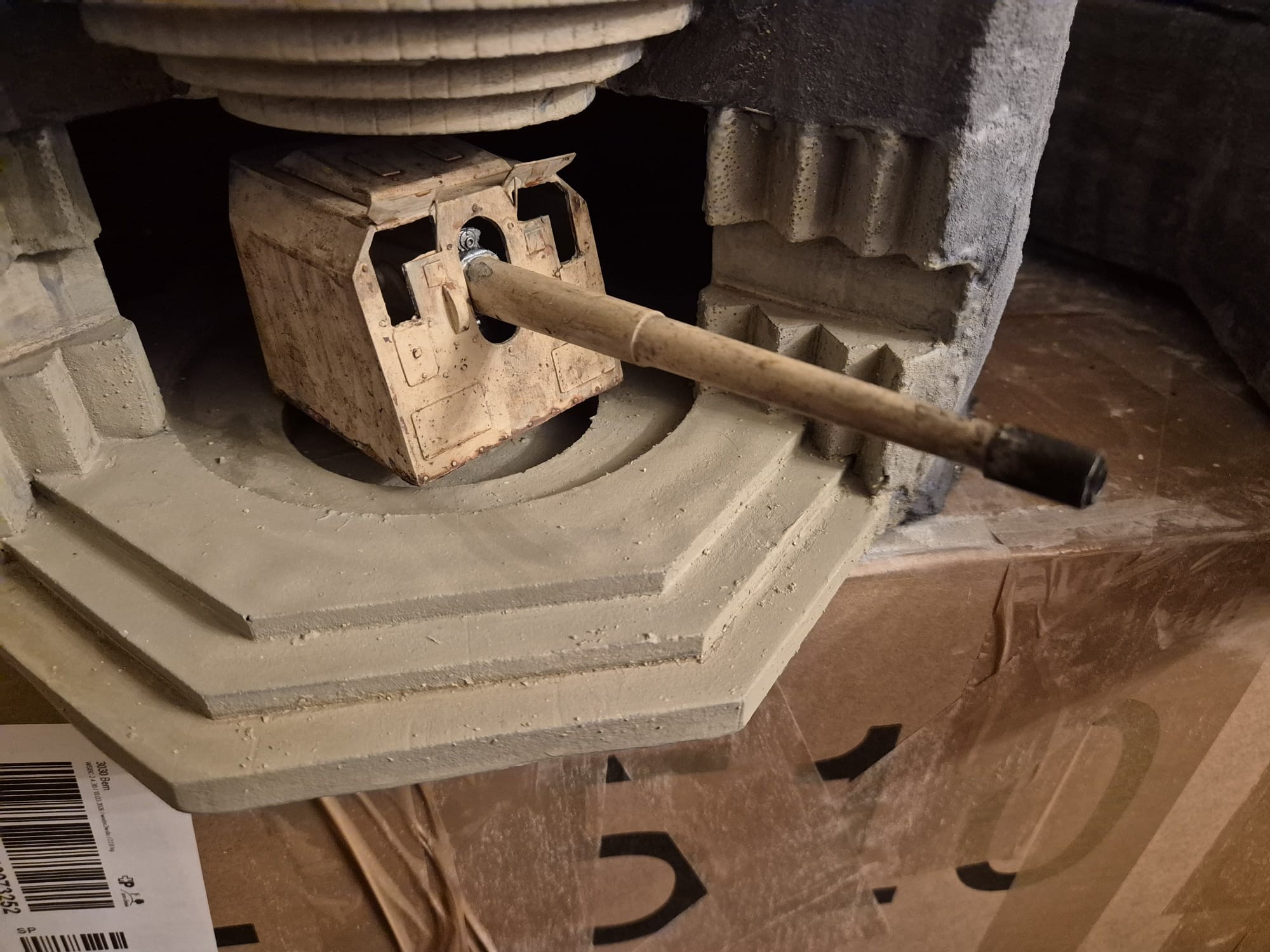
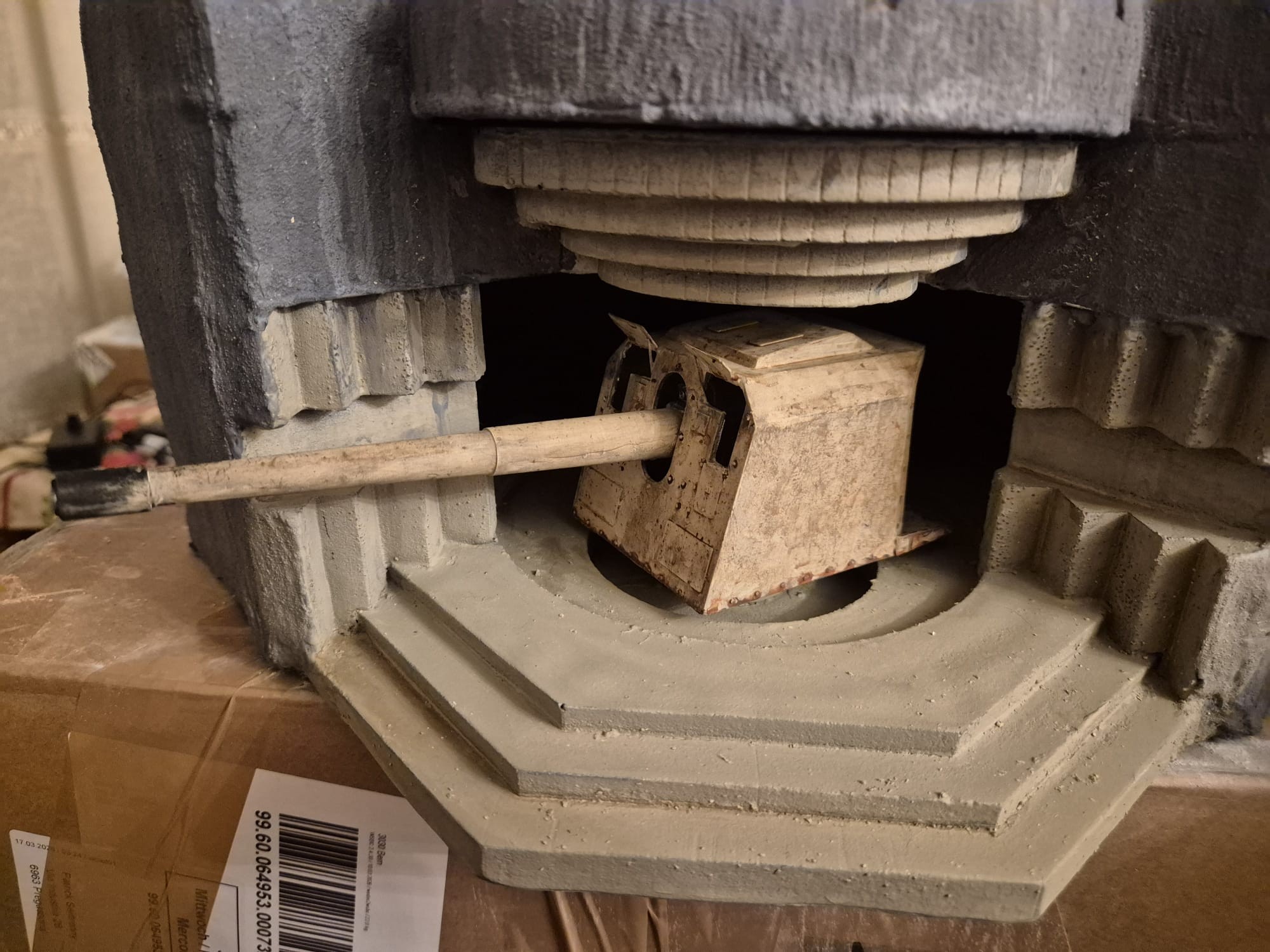
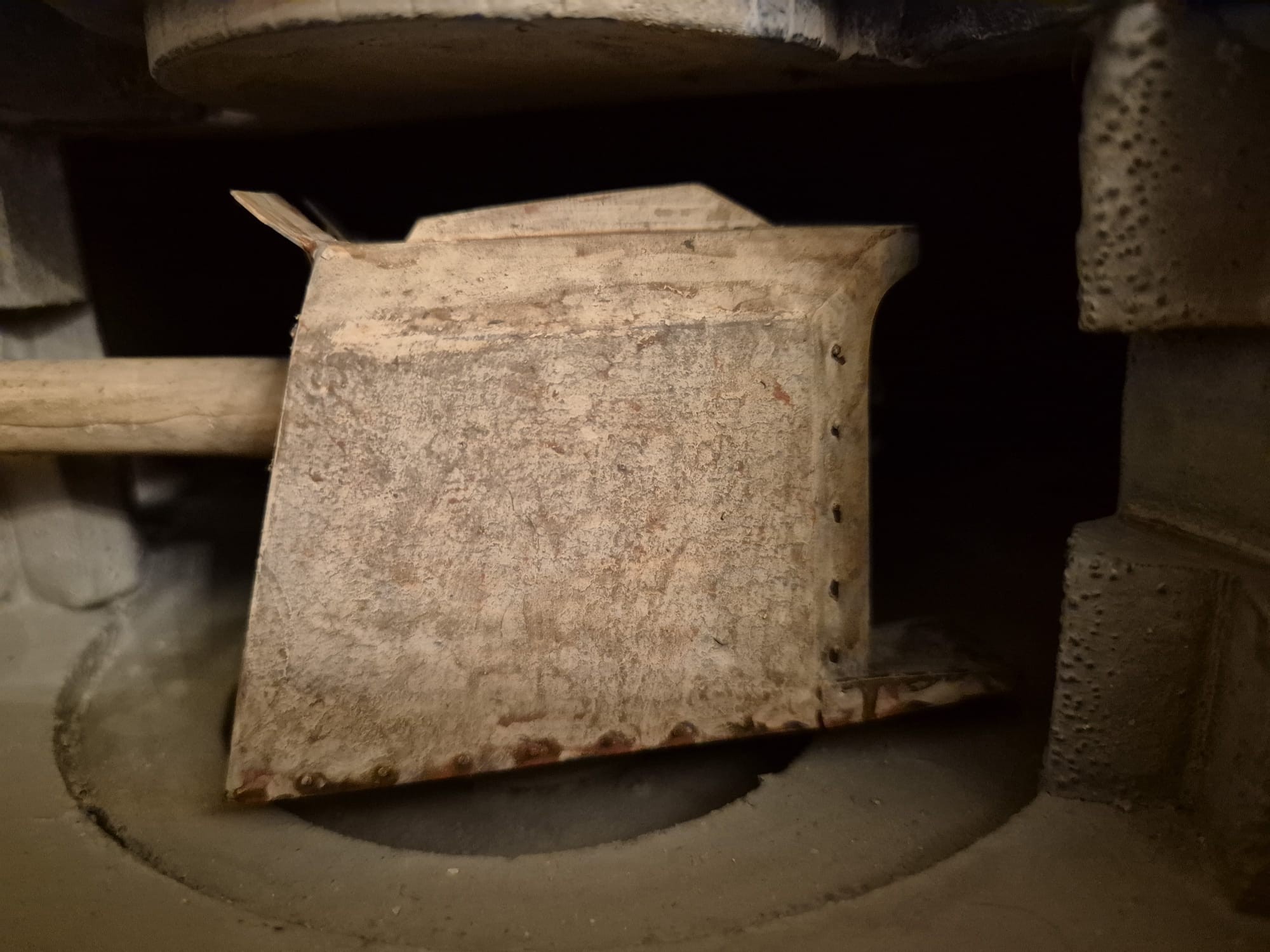
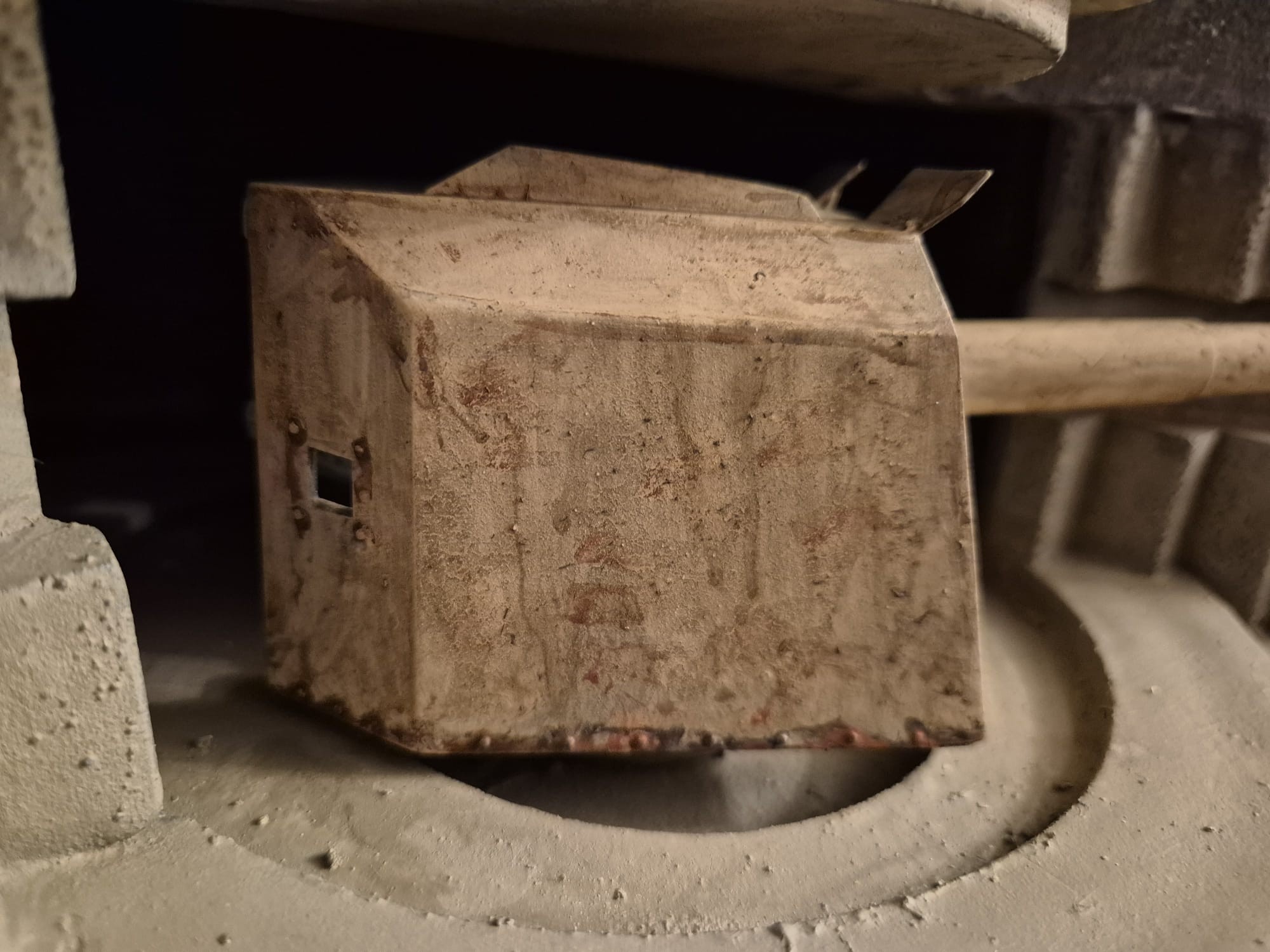
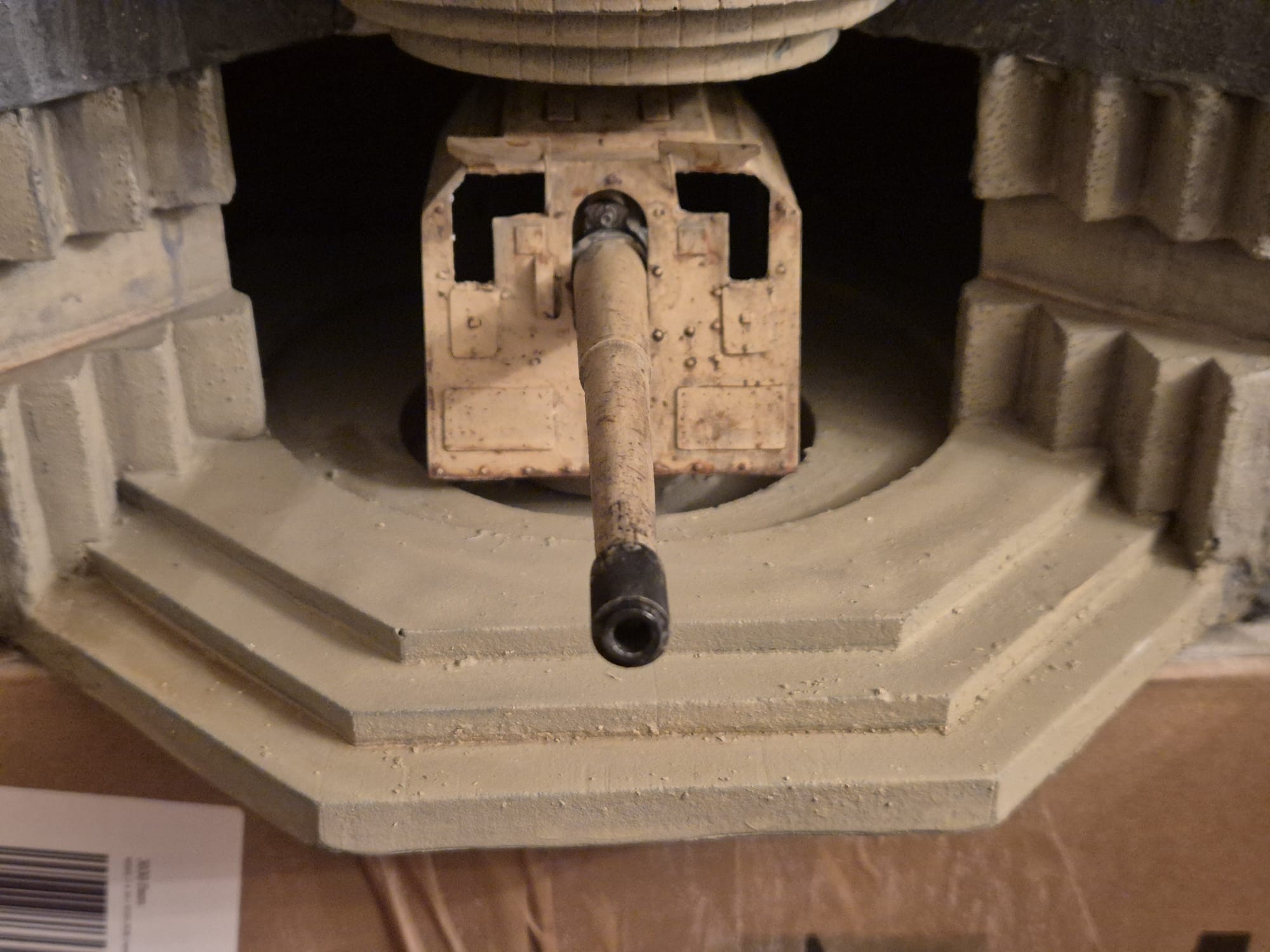
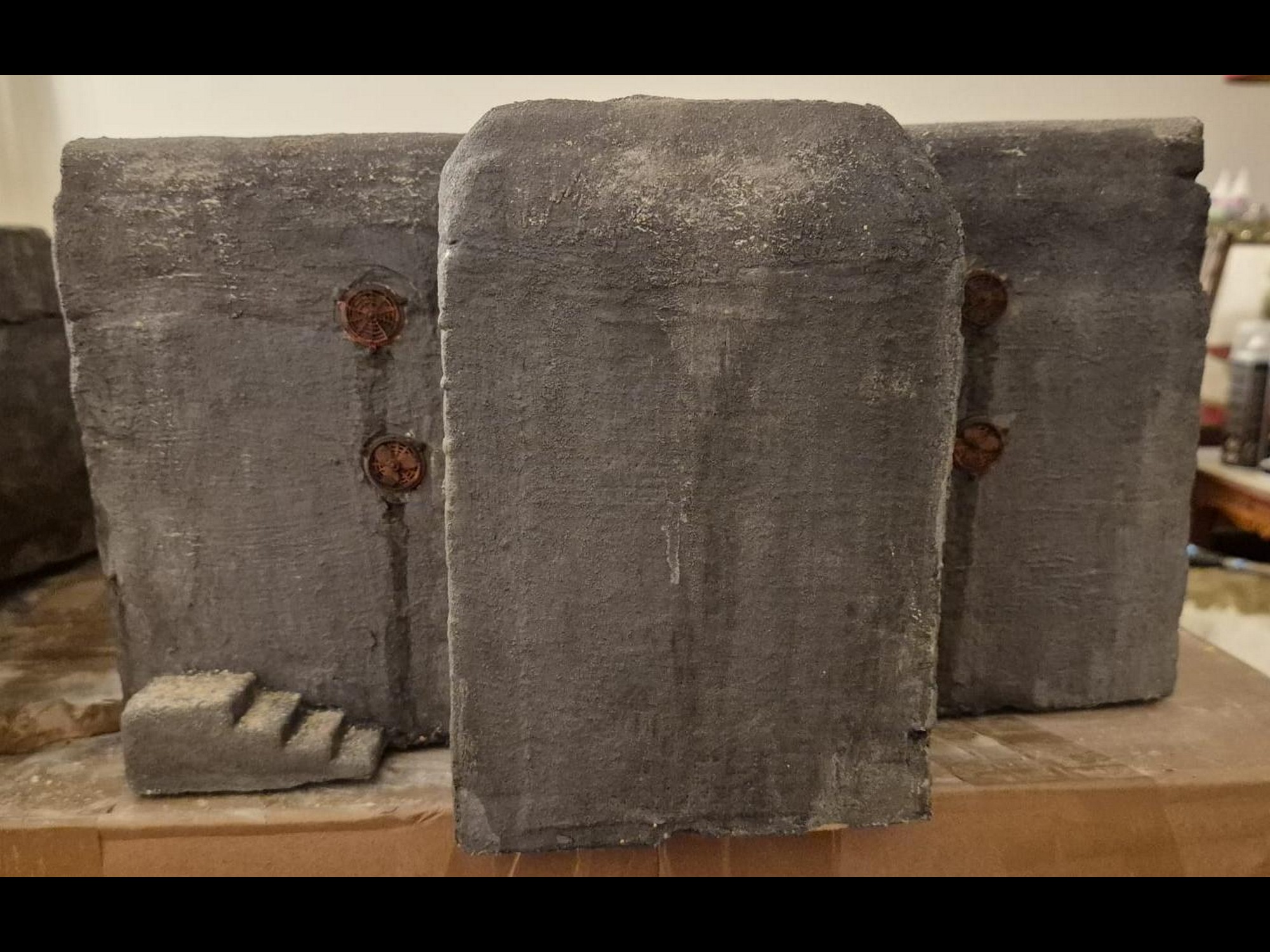
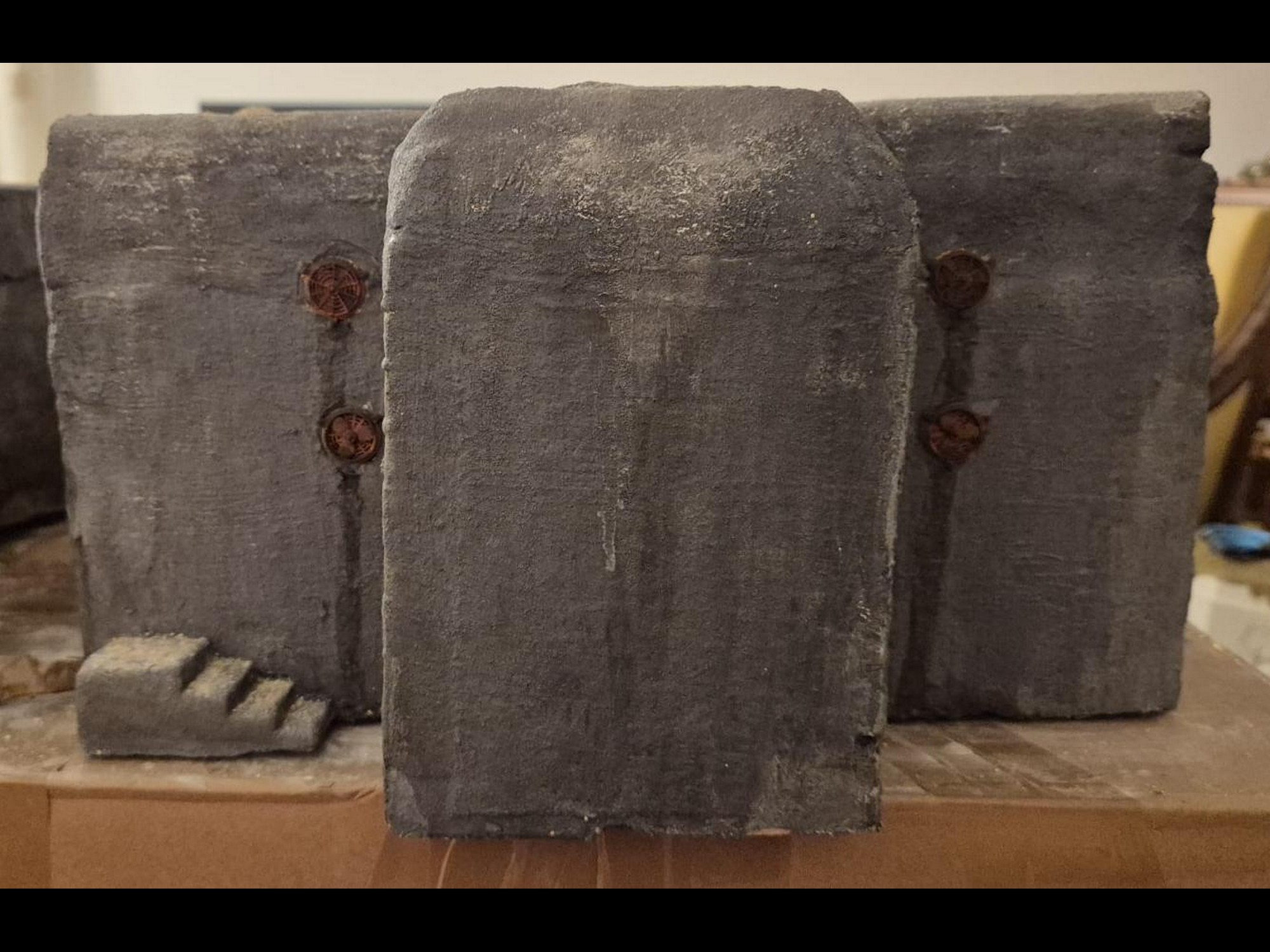
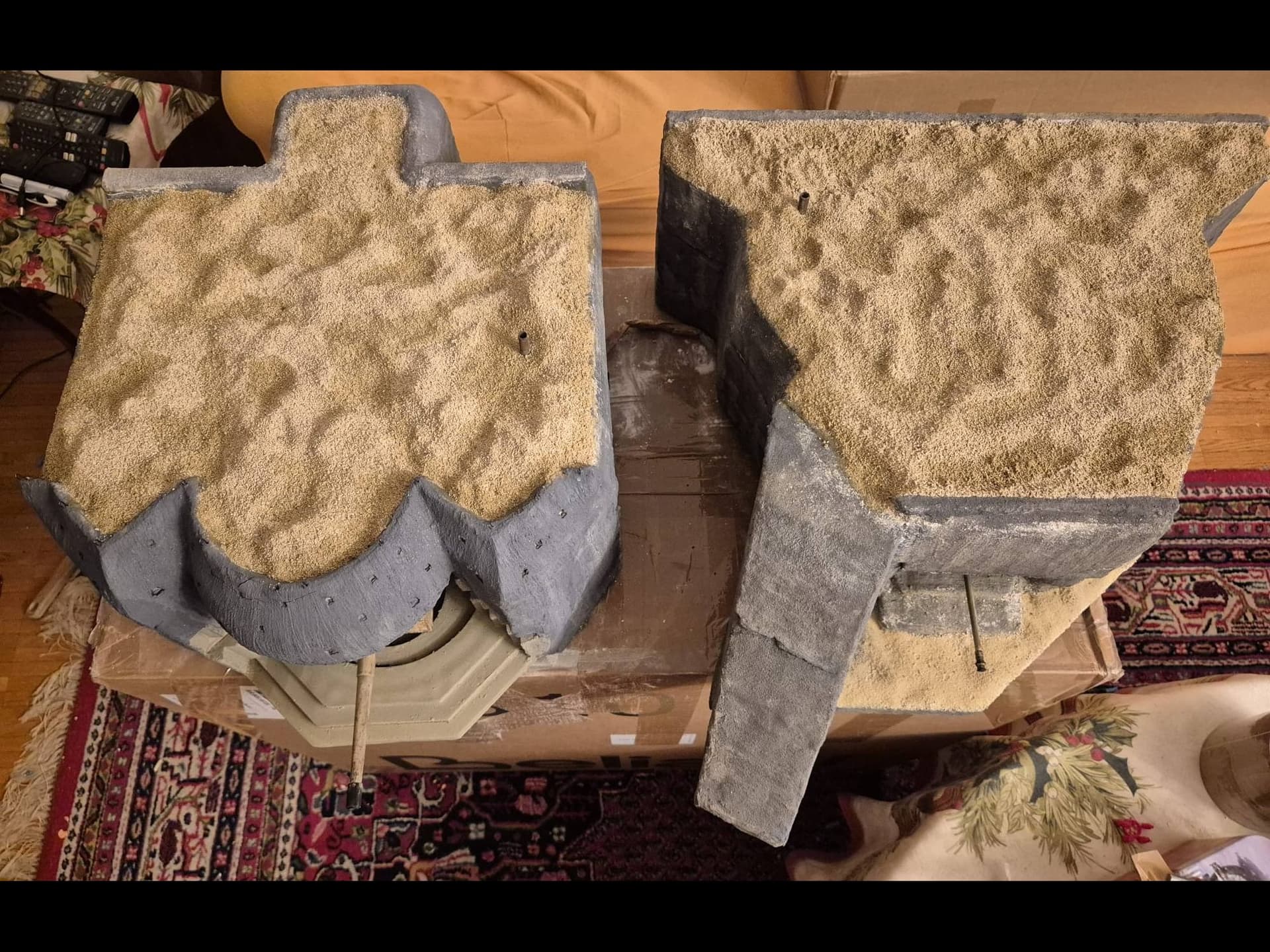
And this ends our journey with these two humongous monsters.
Please note, should you have noticed some details missing from the PAK43/41, like spades, the pickaxe and the aiming stakes (those wooden poles usually carrying red and white stripes), that while in use within an emplacement or bunker, those were removed for easier access to the gun and anyway were useless in such crammed conditions.
Besides, the gun itself carried a telescopic visor which was directly placed in front of the tiny viewer window contained in the protective shield (it’s on the left hand side of the gun in the pictures),
Said that though, they were not completely discarded, but rather stored in one of the bunker’s niches together with the ammunition and other personal effects of the crew servicing the gun.
And this is why you won’t find them on this particular case.
And yet, once I will place the bunker with its gun in the D-Day diorama I am planning to build, they will also be present together with cases and boxes of ammunition and other paraphernalia. not forgetting either the full complement of men the bunker harbored.
And with this a say adieu, or goodbye, but not forever, only for the month of May because I will be traveling and having a long needed vacation.
Should I find something interesting about either WWII or other historical themes, I will take pictures and show them around here.
But remember, in June I will be back with my current diorama called “The Last Warning (April 1944, Normandy” in which I will build a whole bunch of German staff and personnel cars along with a plethora of figures of German Officers, including Erwin Rommel, and many soldiers training.
Together with this, I will also complete the diorama with very accurate vegetation corresponding to the region I am depicting.
The Link for my building log is here:
I hope you will like to follow that one as much as you have following me around here.
Remember the Ides of June… 


Until then, and while on vacation I may occasionally peak in to see what’s new and learn more about fine scale modeling.
I bid you farewell and hope to see you again when I am back. But above all, thank you so much for having followed my progress until now. You are all great pals!
Until then, please stay safe and healthy and never forget the joys of creating models of value.


