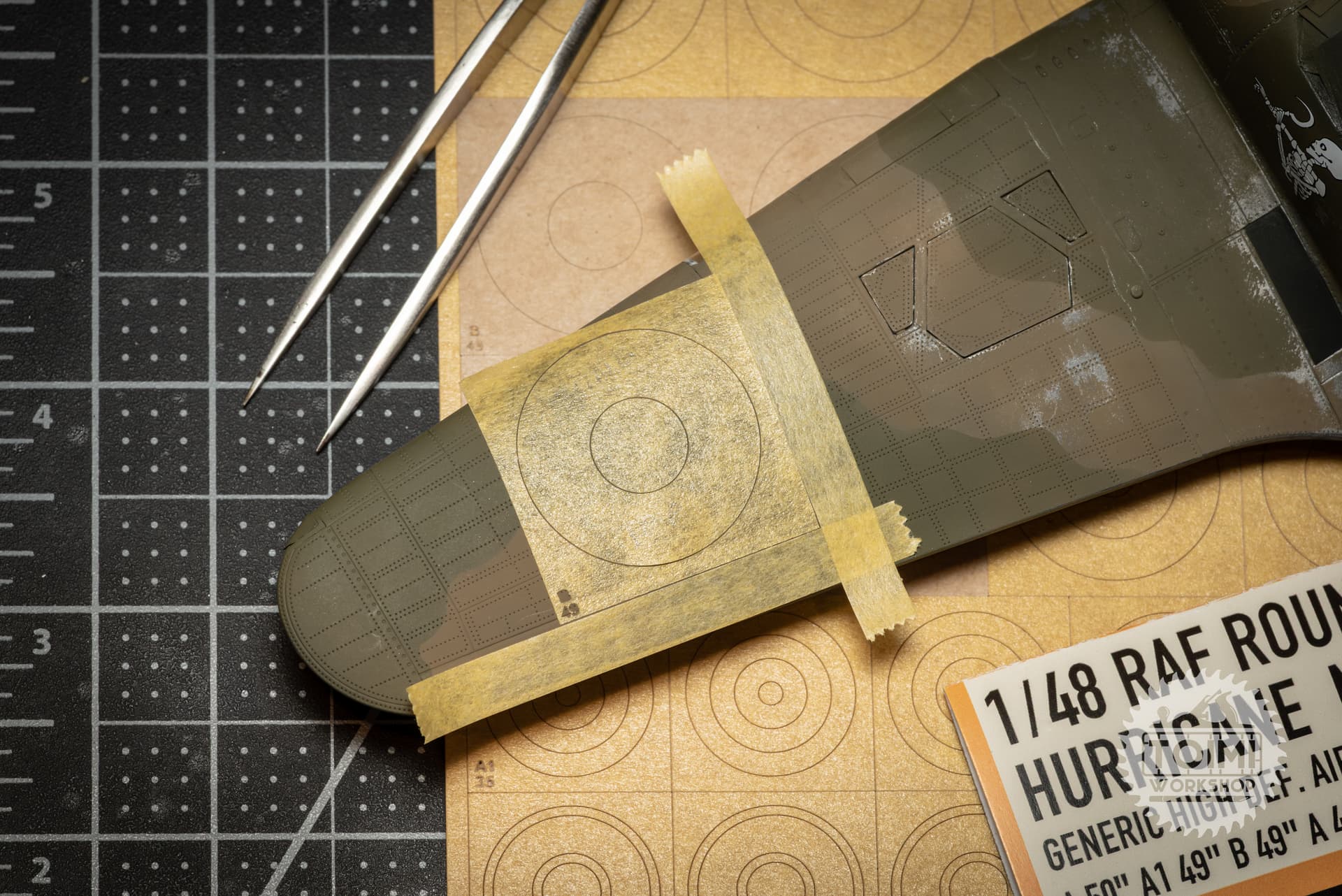
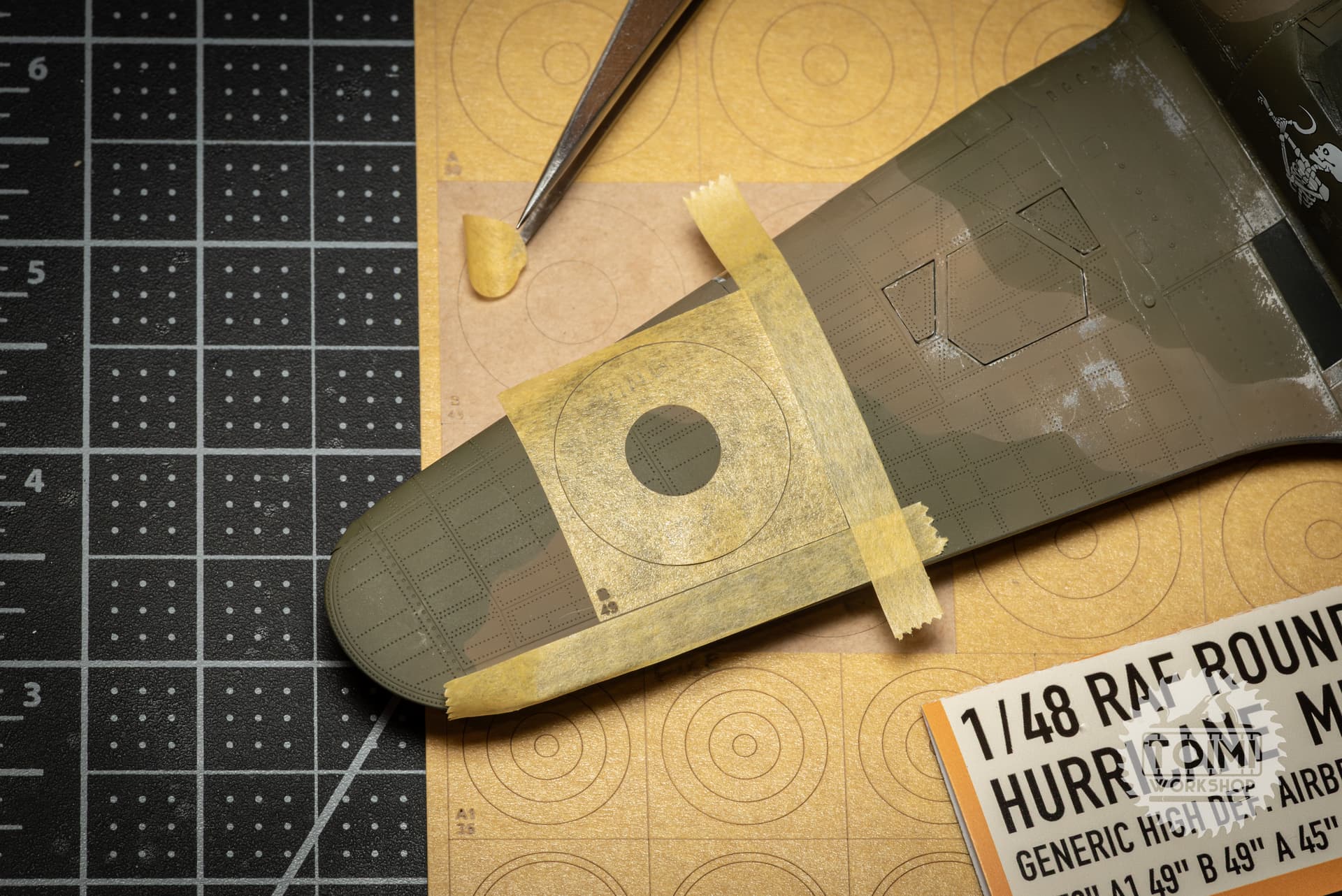
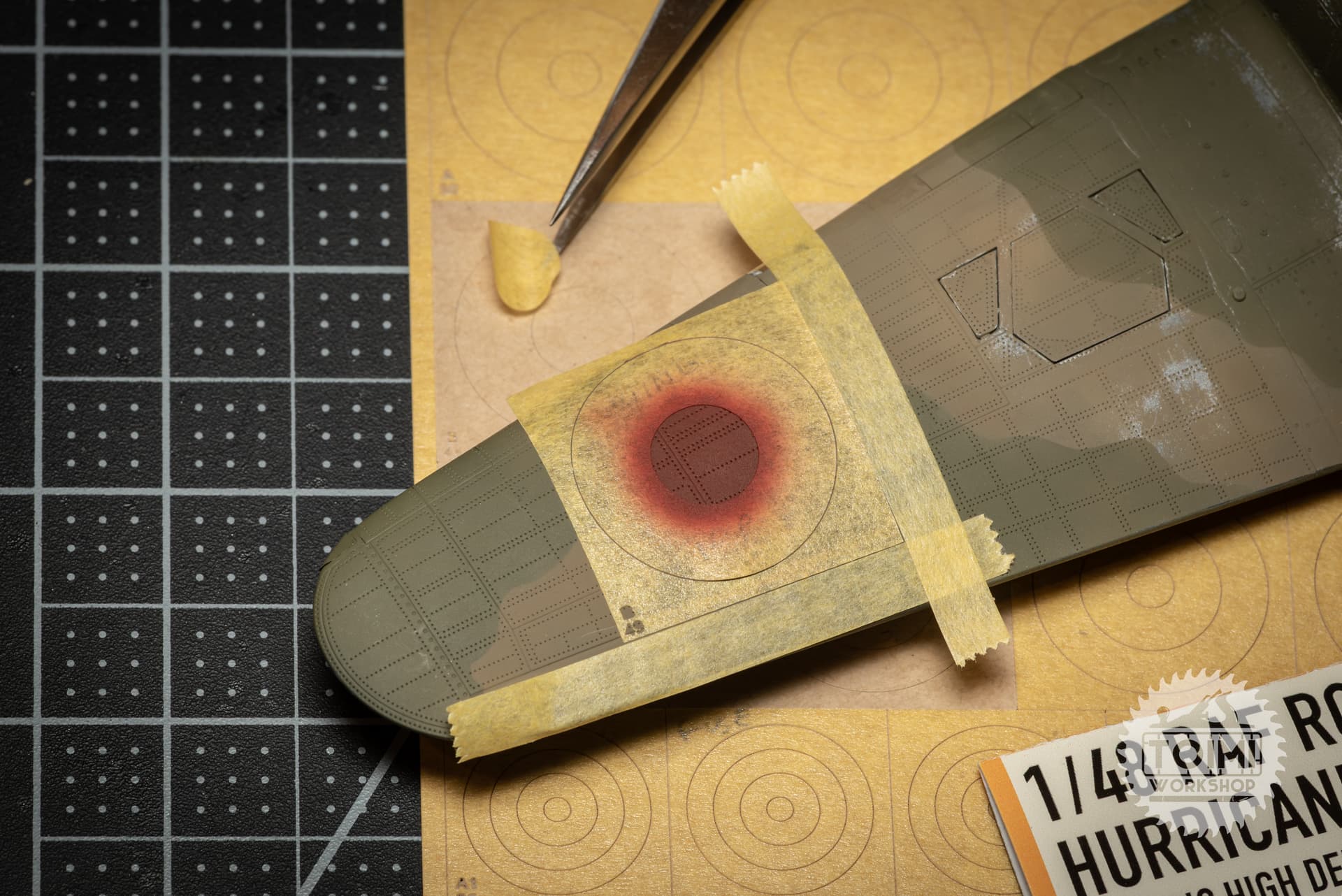
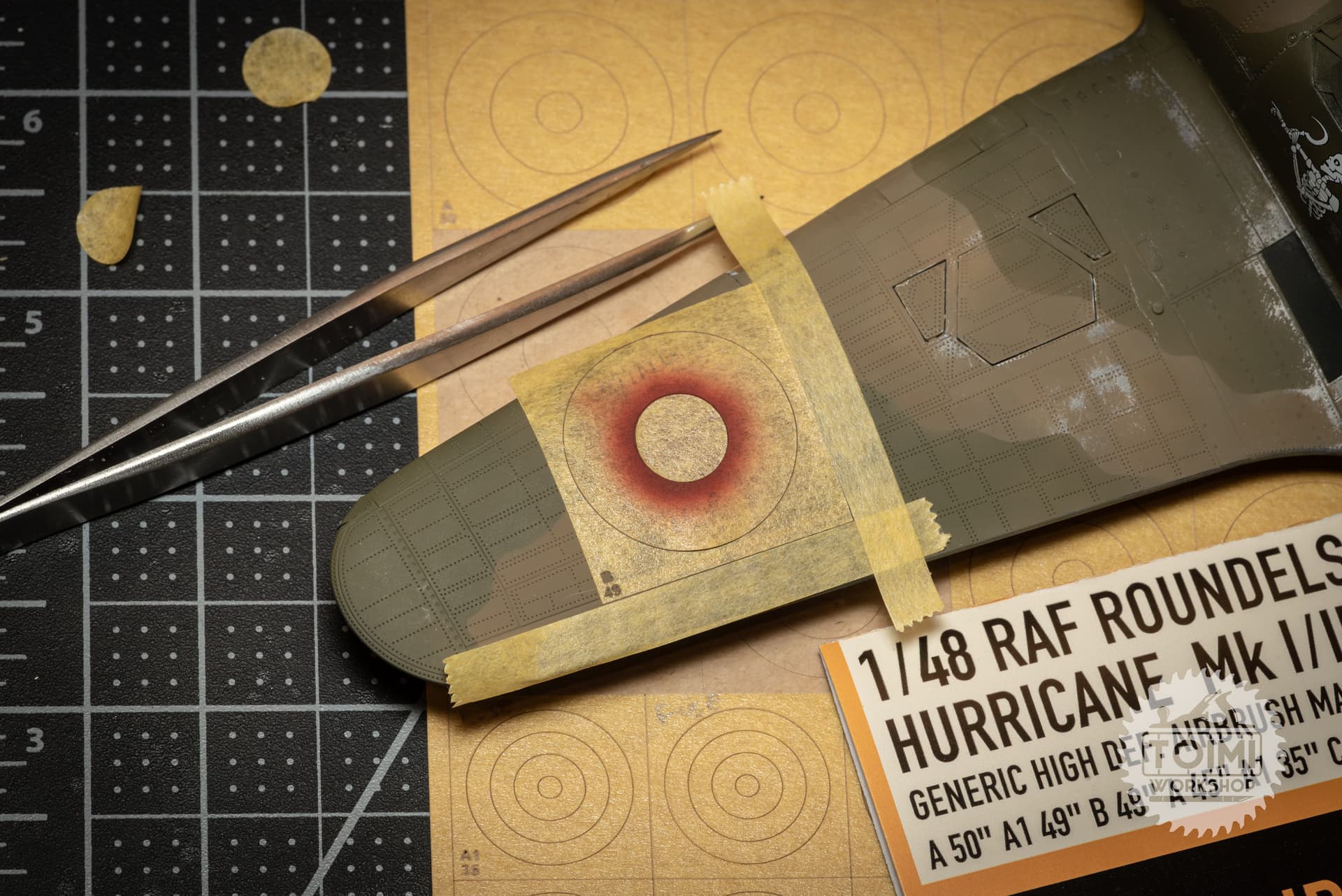
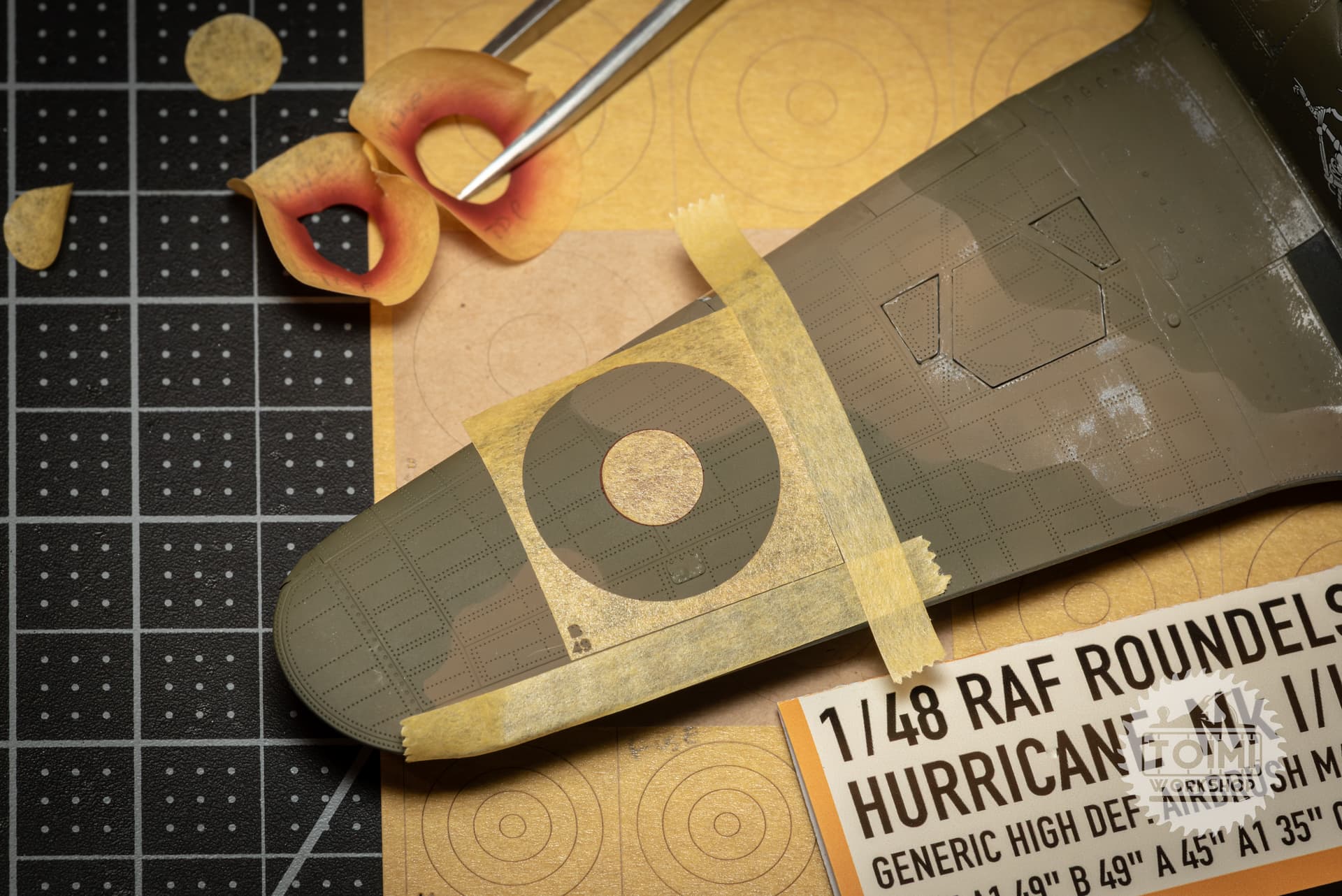
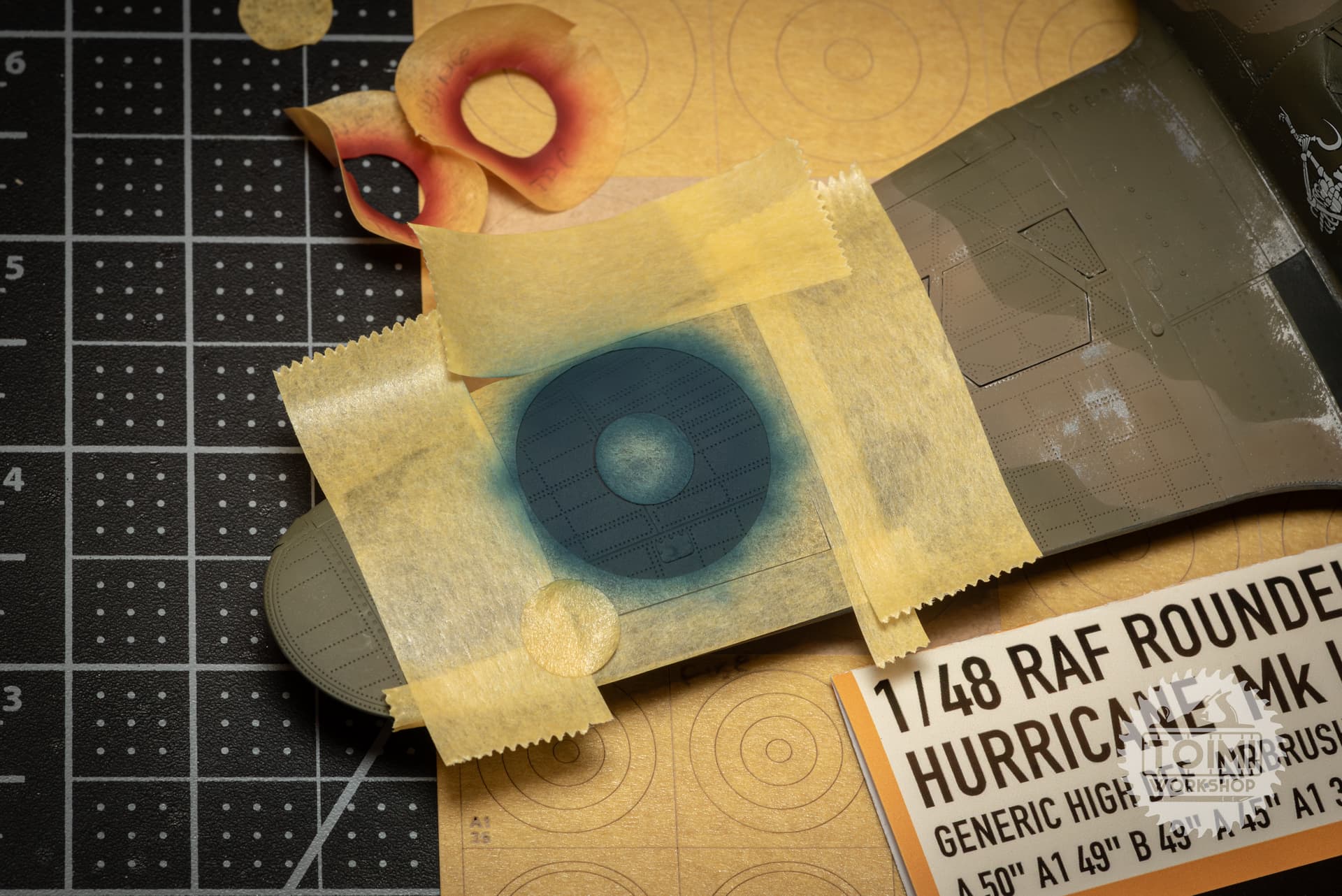
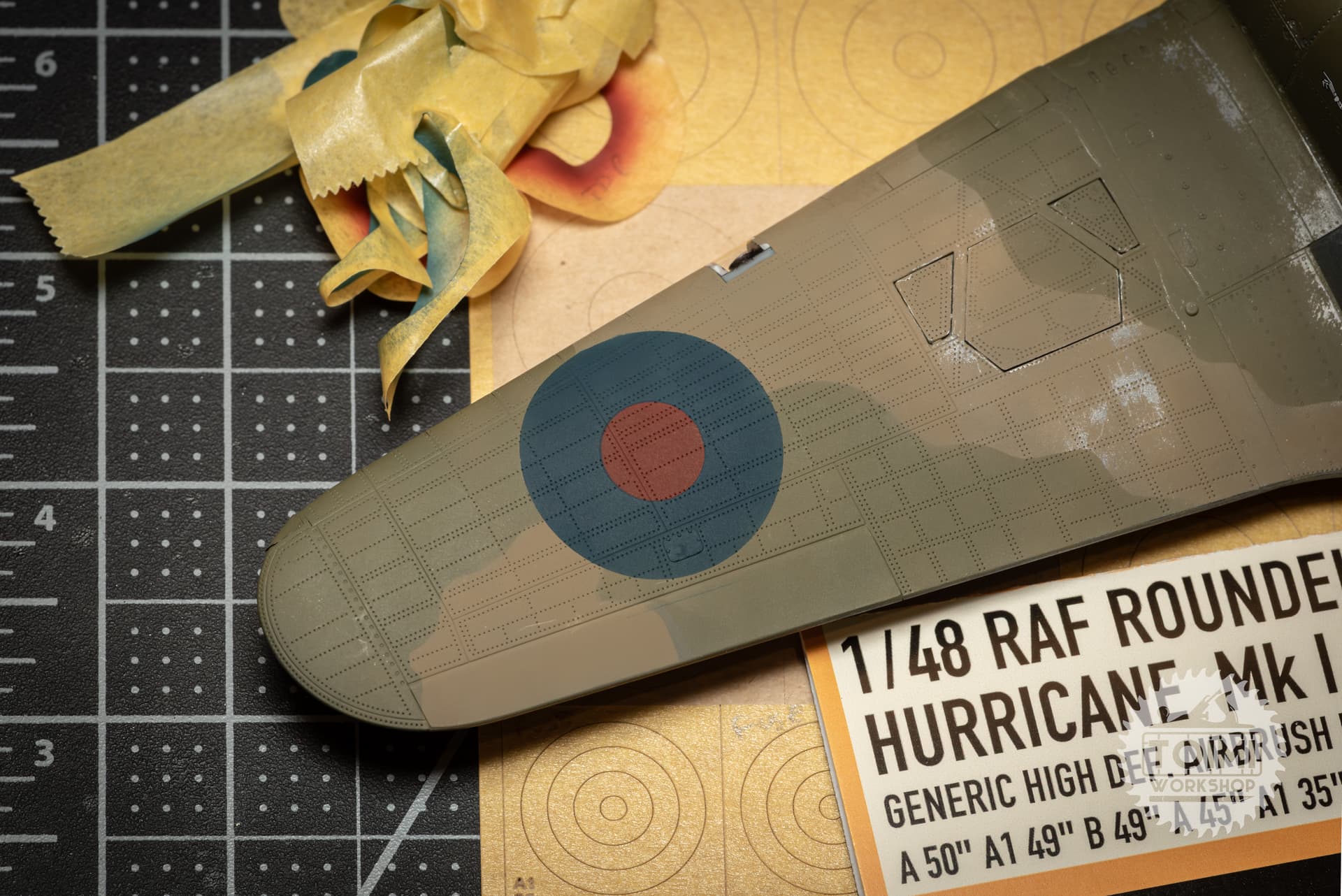
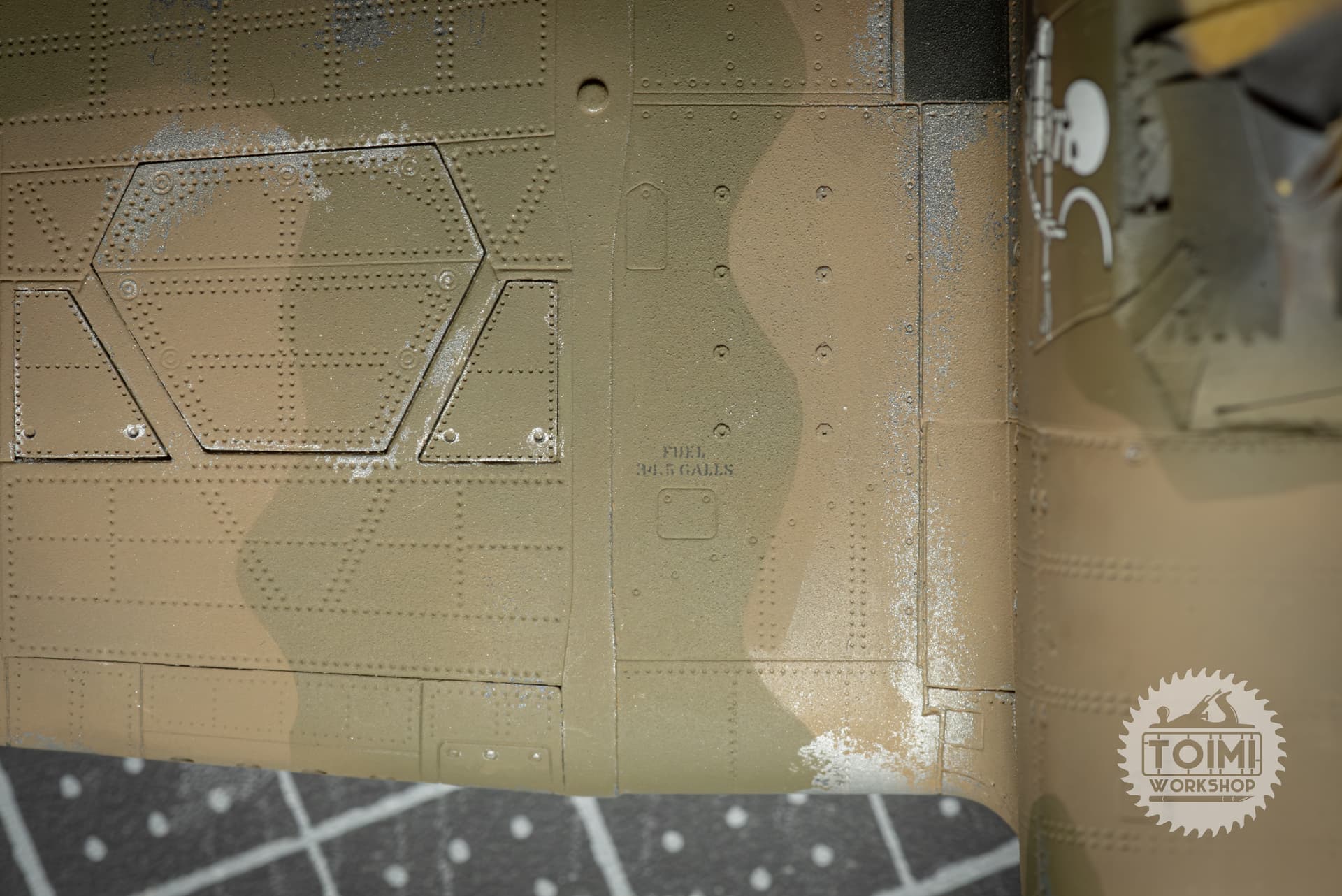
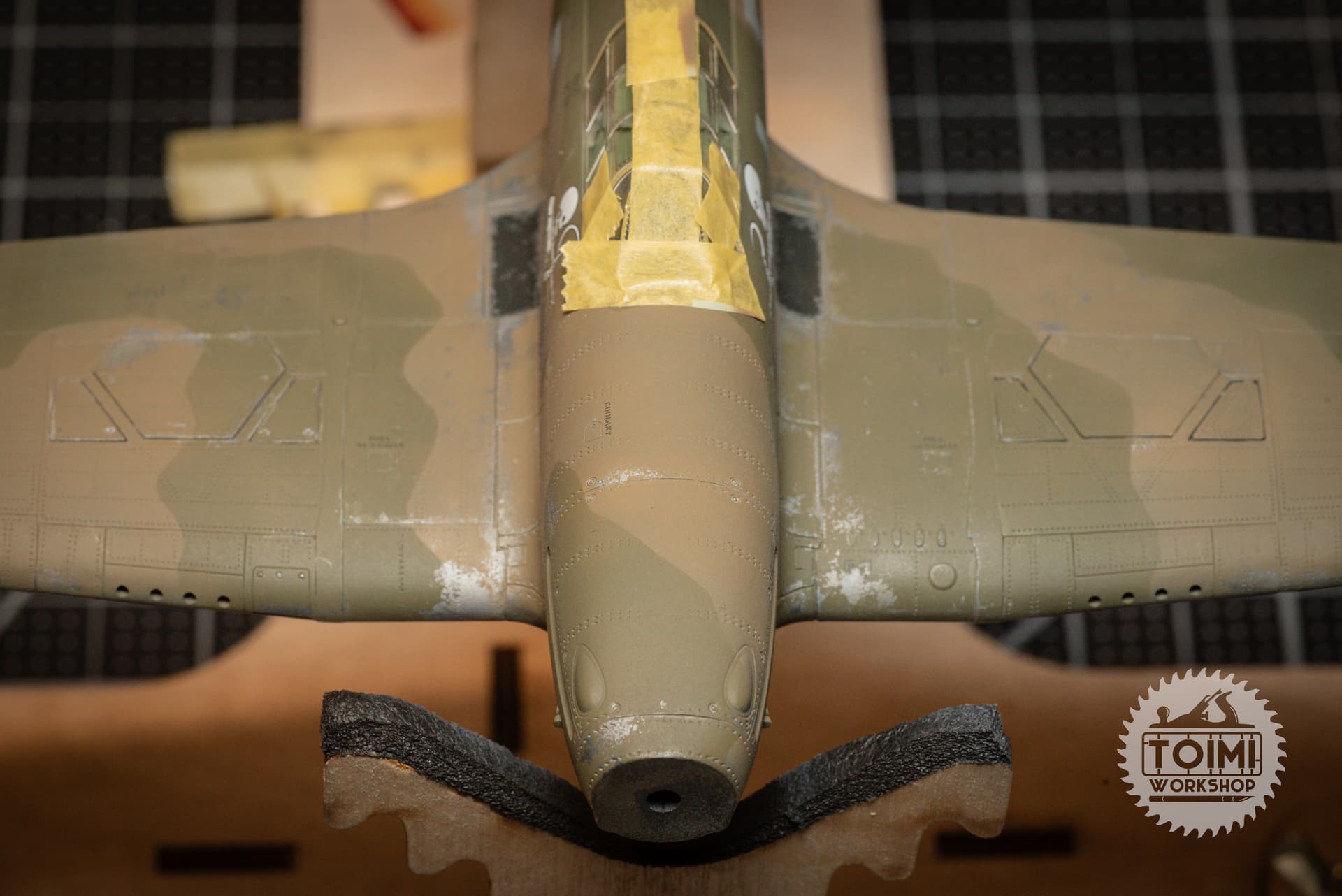
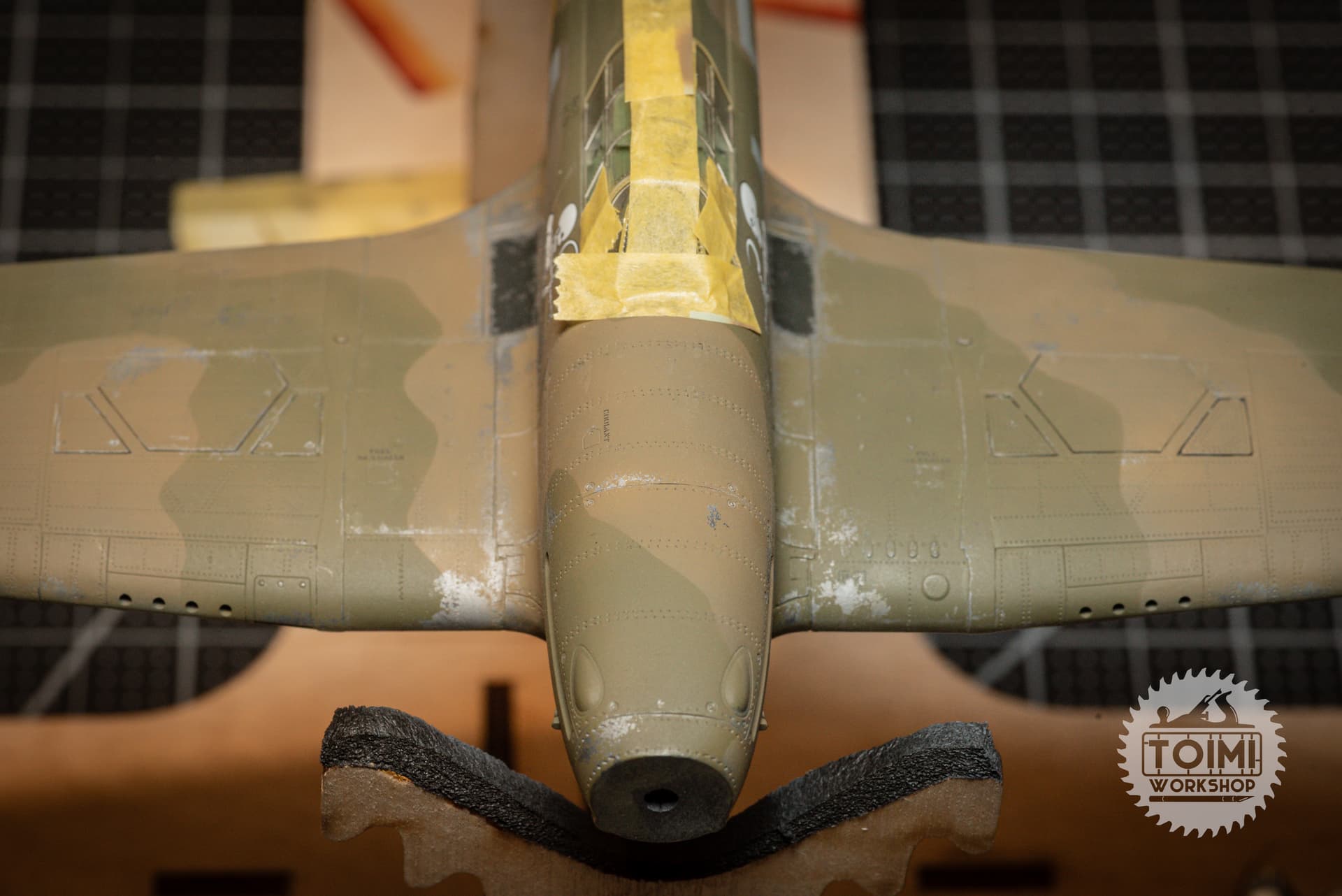
Hi Toimi_Tom, besides complimenting you for this excellent build so far, I now finally understood why so many aircraft modelers go for 1/48 scale instead of 1/72: for the detail work.
But I could also compare your difficulties you were having with the PE parts by Eduard with my own build of 1/35 scale communication equipment set and although not strictly Eduard, but rather AFV Club model PE parts of my 1/35 PAK43/41 anti-tank gun they produced with your own.
Indeed, those tiny thin parts are a bit too fragile to be handled by rough hands as I have, despite all my efforts to handle them with care. Some just broke apart at the slightest bending of them which mad me ask myself, oh why, oh why did I have to torture myself with that?
Finally I managed to put them all together, but man could I have used all that time on another model altogether and so I decided that if something cannot be clearly seen with the naked eye, or is simply too hidden from the viewer that he has to use a jeweler’s lens to see them, then it is time not to use them anymore.
The model might not be perfect in every tiny detail, but at least my eyesight doesn’t suffer and my work can continue at a more normal speed. And besides, in many cases PE is just overrated. I manufactured two cupola lids on a German converted Somua tank by cutting them out on thin cardboard and fitting and painting them accordingly. One would never guess in a million years that they were in that very simple way rather than using and expensive PE detailing sheet. And believe it or not, they are as sturdy as PE and when I glued them on in an open position no one could tell me the difference.
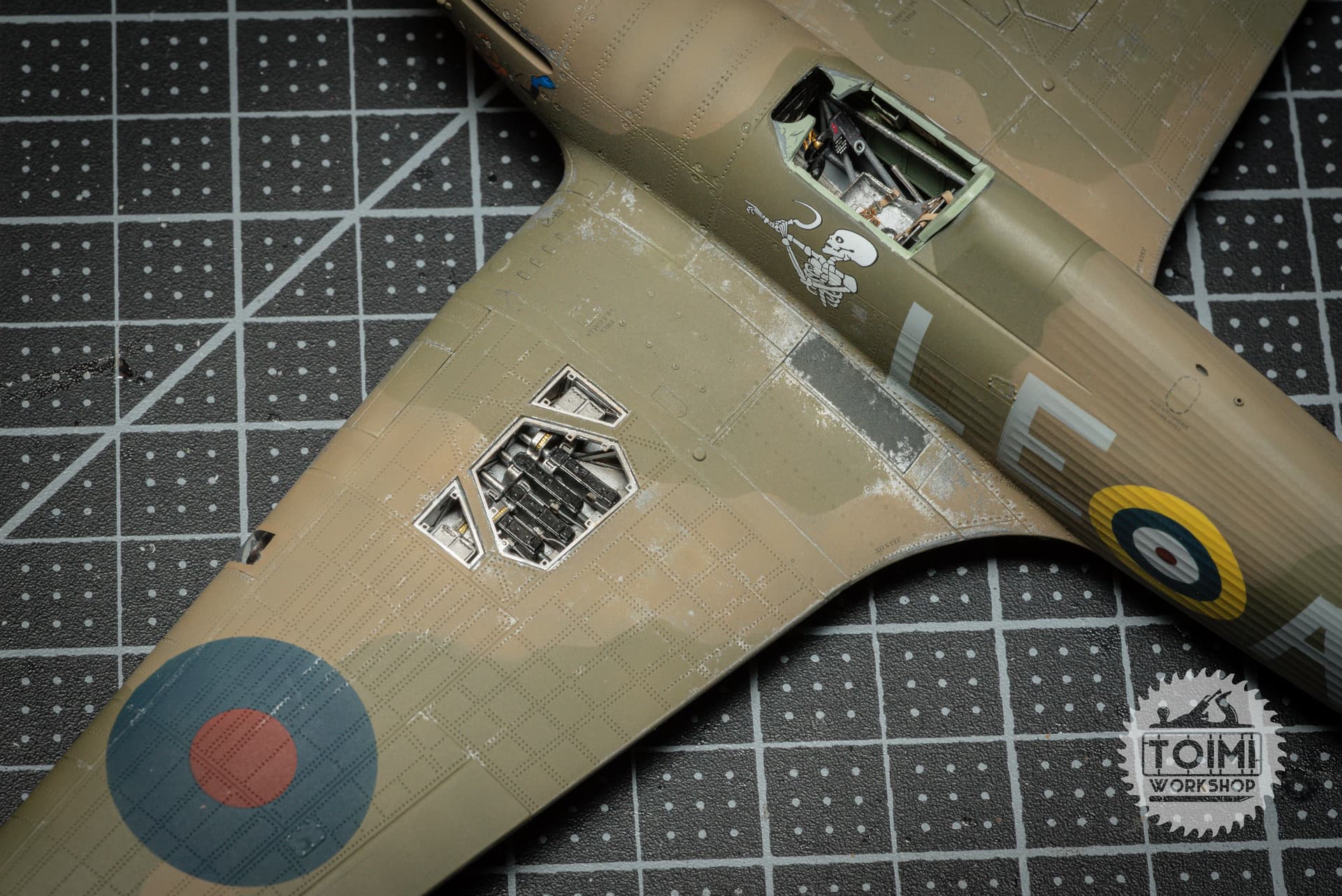
Perfection is one thing, but torture, often of the mind, is yet another and it is better to preserve your strength on matters that really count and are really visible. In this case your cockpit and your landing gear wells, which are tiny masterpieces indeed and extremely well done by you.
Even your gun port within the wing came out outstanding but the pain, the pain, the pain you must have suffered with those tiny bent details and with erroneous instructions about the rear length of the tiny plastic rod. At least that could have been avoided if first, Eduard people had tried it out themselves and re-reading the instructions they got aware of their mistake and corrected it, second if they had at least provided a template on which to shape those very thin layers of PE parts in the correct form to start with. Just saying.
Sometimes the hurry to sell something is not enough to compensate sometimes fatal errors made by the unaware user.
I have always followed this simple mantra which is also valid with other activities as well and it is simply this one: KISS, or “keep it simple stupid”.
Admirable is nevertheless your constant effort to manage and correct it anyway until resulting something manageable, something I somehow have learned too, but man, what a patience is needed to actually fiddle with those tiny things.
Granted, in the end, when everything finally fell into place as they should, we can be proud of ourselves knowing that we have managed to correct what others had planned completely wrong and manage to additionally improve those tiny bits with our skills.
All this is very positive, but I repeat, why sometimes bother if modeling becomes tortuous and all but pleasant as it should be? So sometimes I will take the shortcut and leave some parts off. So what? Would anybody be noticing, unless expressly told about the lacking of that one microscopic detail? I really do not think so and therefore, whenever I can I take those shortcuts without thinking twice instead of wasting hours figuring out how, where, what and when a minuscule part has to be attached to something. Heck, what the naked eye cannot see doesn’t count anyway, so why do it at all.
I hate nitpickers who know everything better than even the most experienced builder. Have they ever tried to apply such tiny things to a model? I dare to doubt it. They are just there to make your life and your model into a constant challenge, instead of being that a fun pleasure.
And they are only satisfied when they see you suffer because of it. To hell with all of them.
Modeling, in my parlance, has to be fun and enjoyable and if it is not, then something is very wrong and I would not play that game. Therefore no satisfaction for the nitpicker, only the one that really counts: my own.
I hope you do agree.
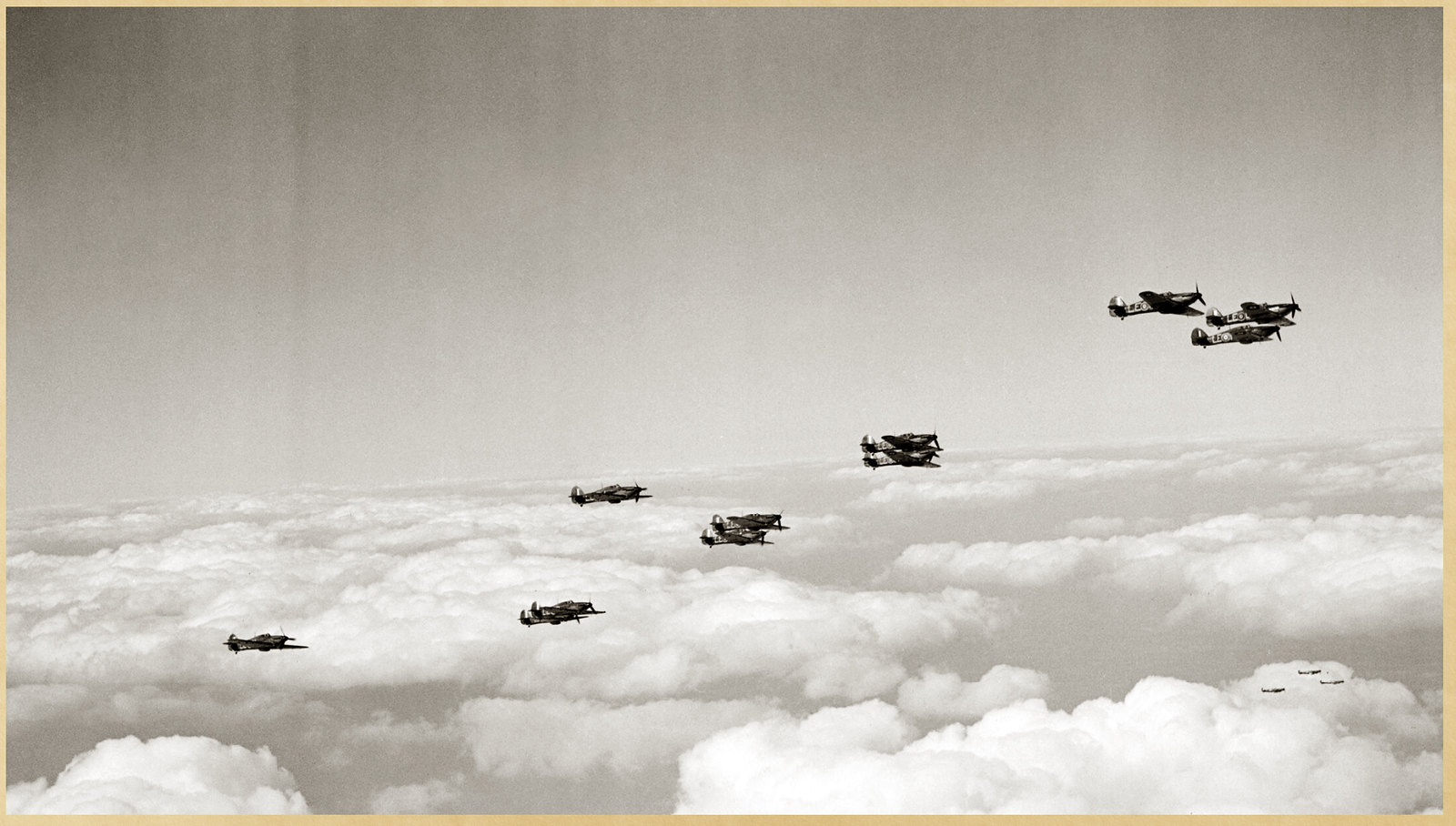
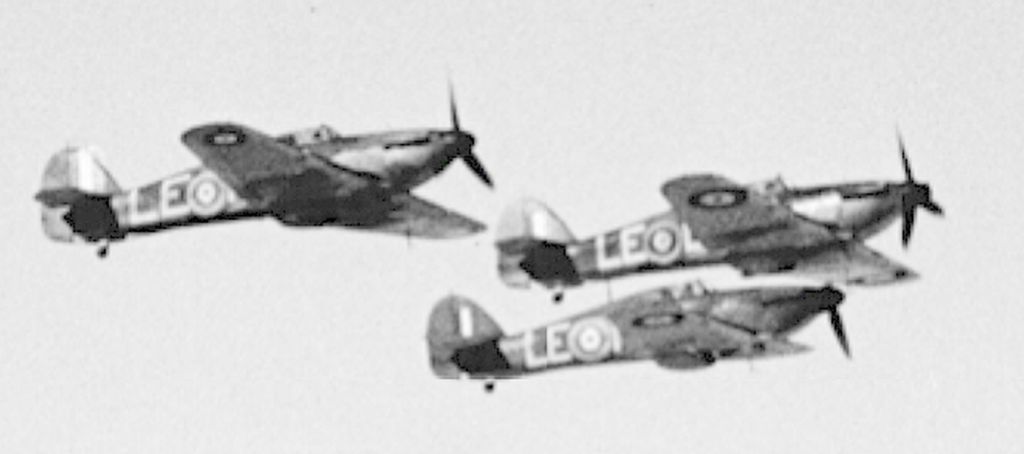
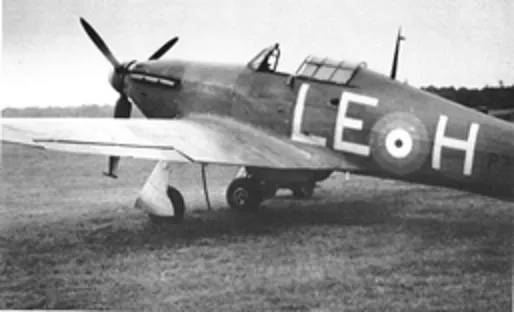
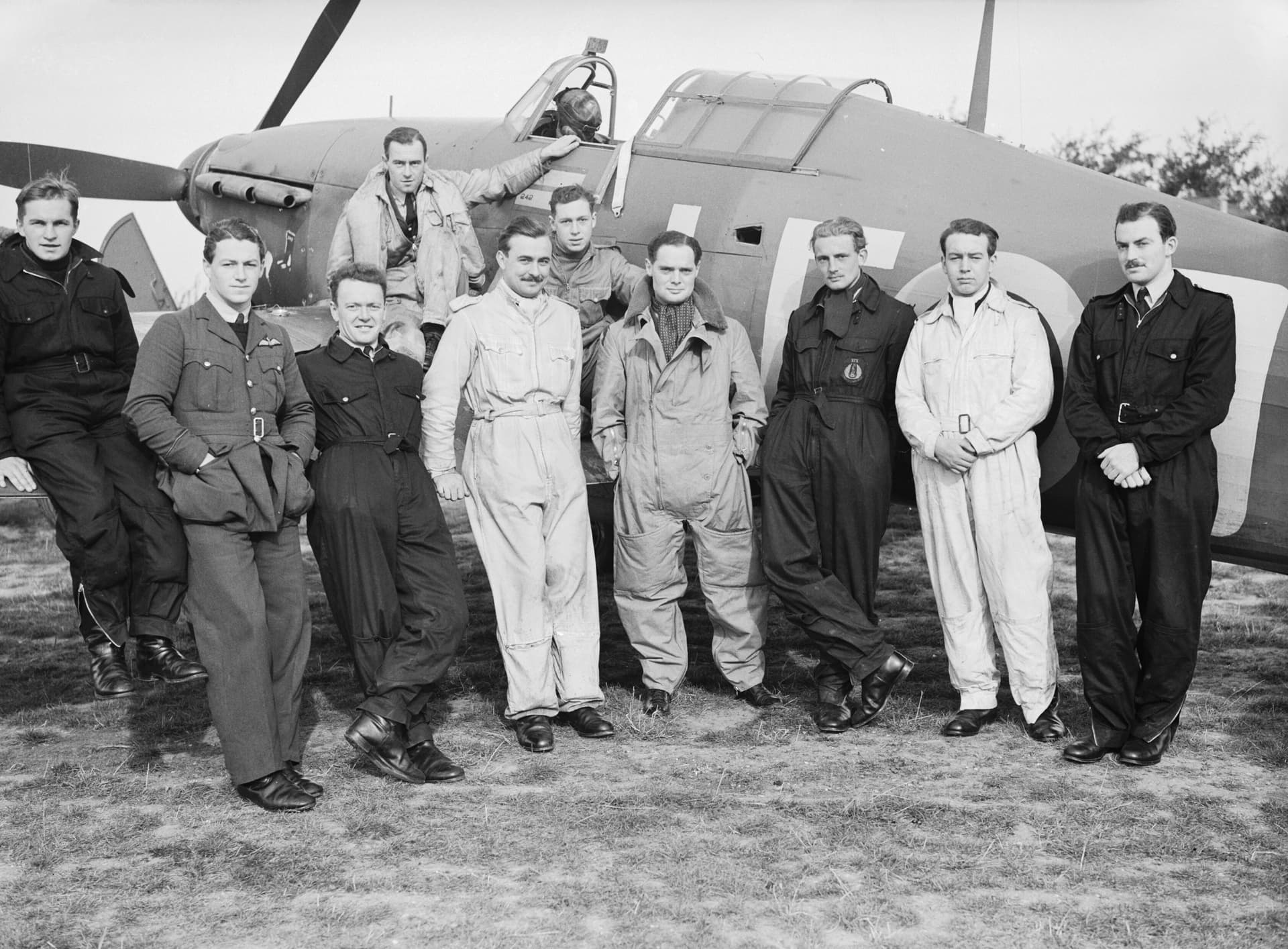
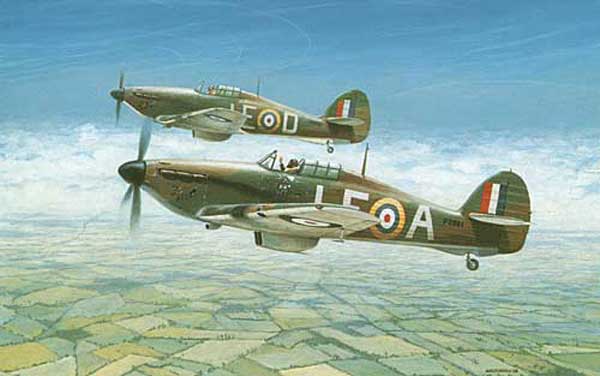
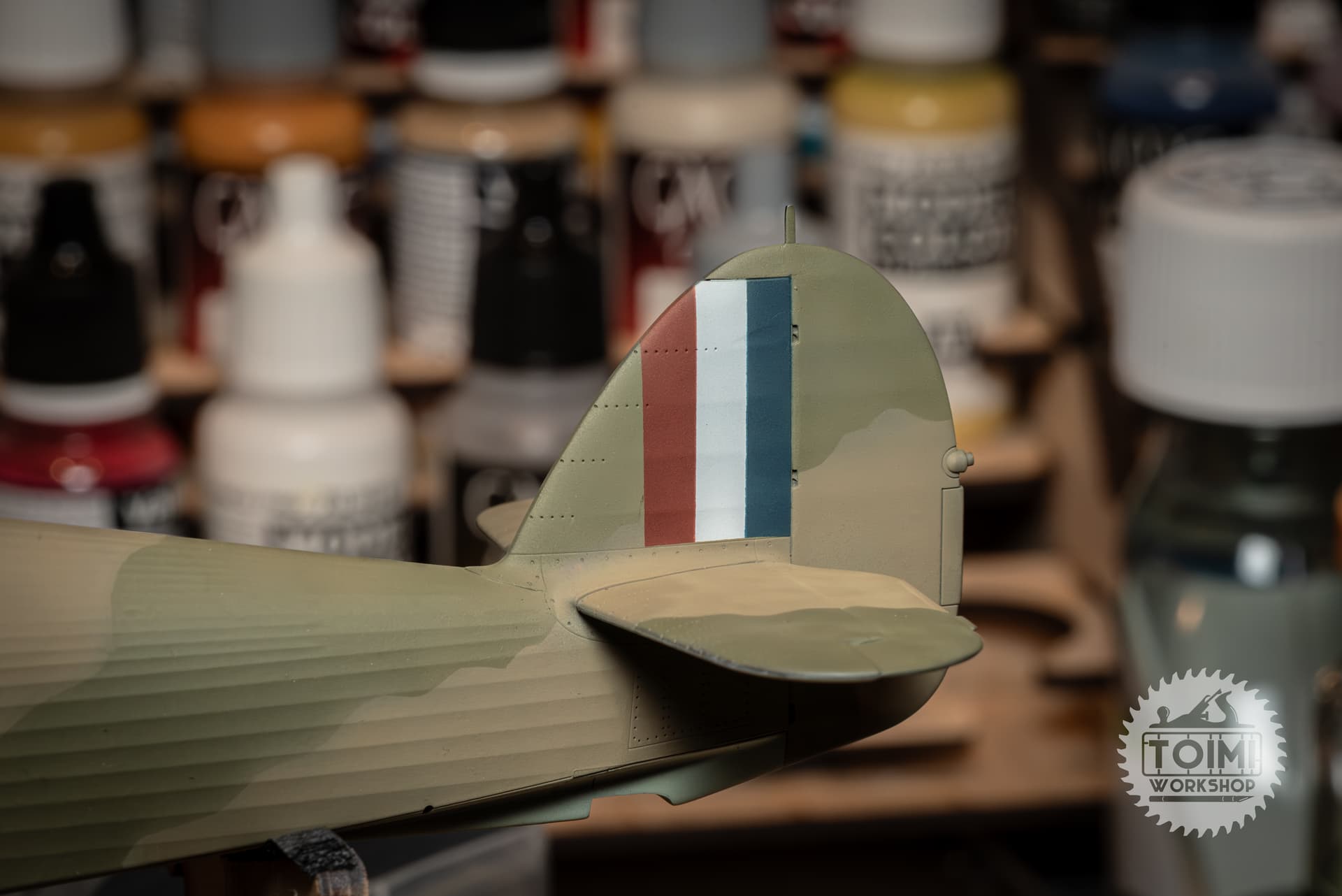
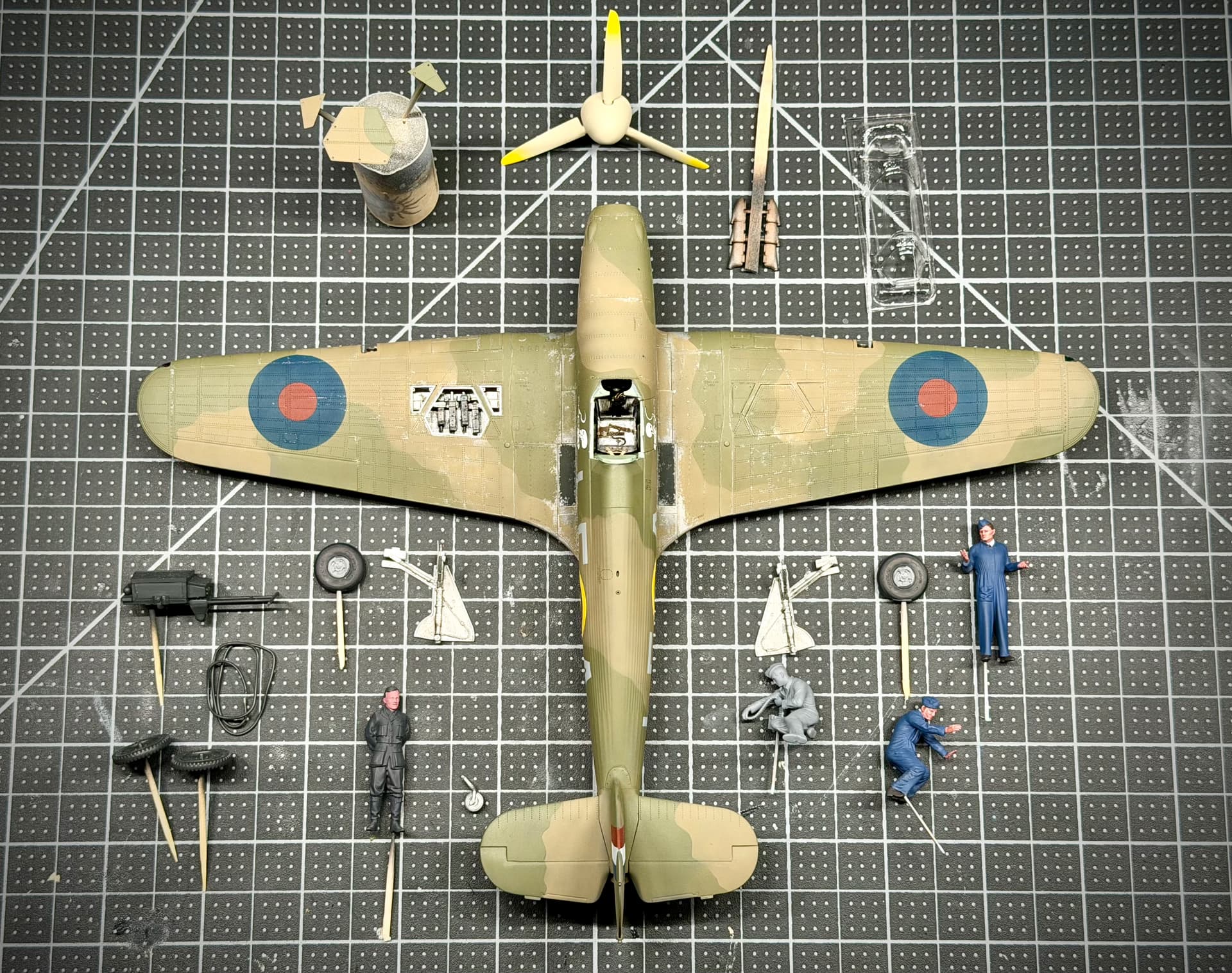
All the best with finishing your Hurricane masterpiece. I am convinced that it will turn out magnificently, Keep me posted about that. Thanks.