I often get stressed about camo pattern accuracy, even though I KNOW better. As a young Soldier in W. Germany I painted many vehicles freehand in the mid 80’s. Mostly Armor, but wheeled vehicles also.
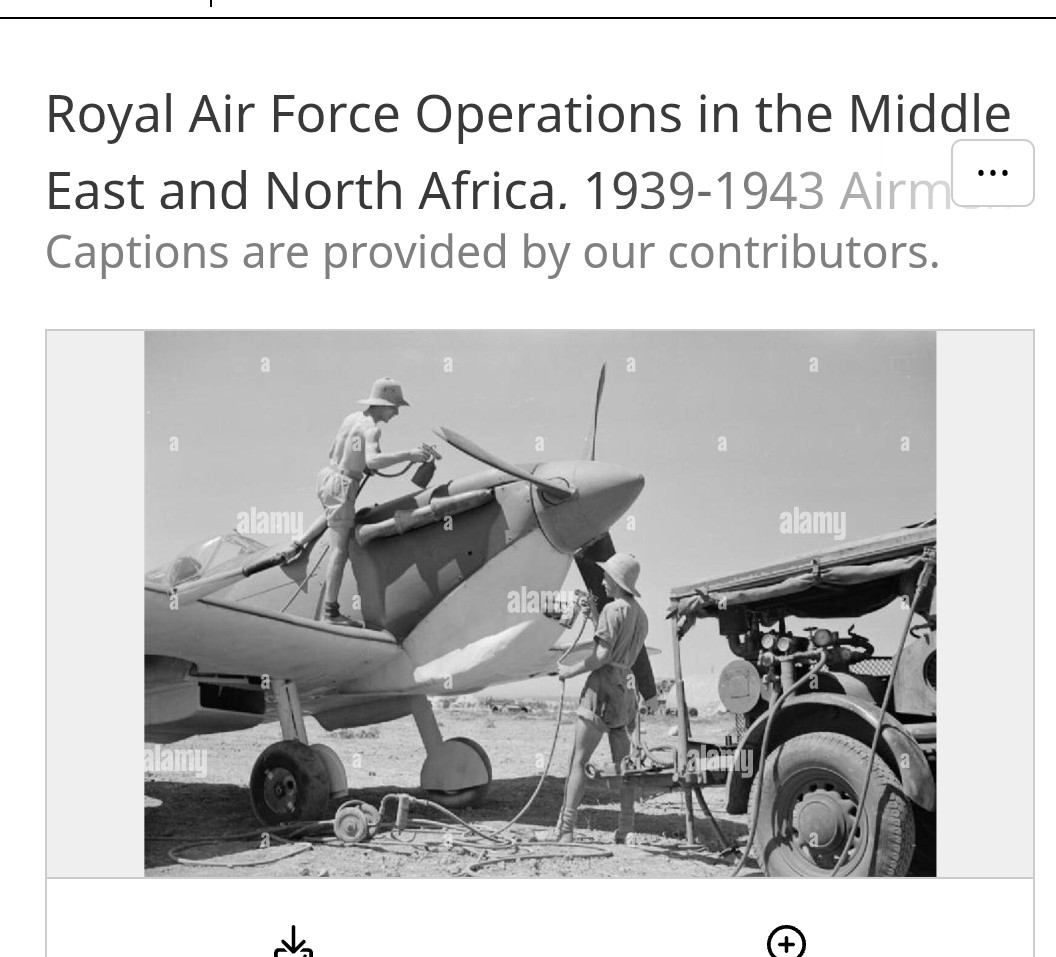
I found a pic that that reinforces what I already knew. I will not stress this out anymore, enjoy!
2 Likes
Long story short, some items come out of the factory camouflage pattern painted, some of those even using masks. Others are painted freehand by factory workers. Both types usually to a “standard” pattern. Lastly some are painted by their crews or local field depots, with brushes or air guns, to whatever is directed by the local boss/commander. Research your subject and go from there.
4 Likes
In the mid 80’s U.S. Army, there was a TM that gave a detailed drawing of the pattern but it wasnt available to me so I just did my thing. When I retired, there was a TM that was followed, but it was still just up to a young guy given a job to do. New/refurbished depot vehicles showed up OD Green only. I LOVE the detail of our amazing modelers here. If anything survived more than 6 months in WW2 I would guess a young ground support guy touched it up with a brush or the setup in the pic by feel only. History is sooooooo cool! Amazing that we have so many pictures available.
1 Like
Yes, I saw similar things during my time on active duty and in the Guard. Some vehicles stayed in Forest Green. Some wore the manual prescribed MERDC schemes. Some wore variations, and others wore an experimental scheme that was fielded for testing against what would become the NATO three color scheme. Then that scheme came along and my understanding is that the NATO scheme is now applied by computer controlled machines. And that was just in the 80’s 
2 Likes
I left the DoD in 2015. We were still painting Wheeled vehicles (mostly) with CARC and an airless paint system by the TM (do not remember the #) but still “freehand”. We did do a few tracks for the States NG but around that time it was only Paladins (maybe an MLRS or HiMARS?) and M88’s. I was the “Chief” for the section that did this. My apologies for going off the rail here, but if stuff was basically freehand as late as 2015. Perfection in modelling is usually more perfect than any war machine! (at least for wheels/Armor)
1 Like
Hello!
The subject you raised is soo deep and wide - and very important for modeller, too. Then again the findings are different, depending on the modelling subject we’re talking about. For example British WWII aircraft vs. MERDEC-era US vehicles - the practices followed are very different. What makes it easier with the newer subjects is we still have people around who “been there done that” - when it comes to WWII it’s not really the case anymore.
But no matter the subject when I do research online, I get the feeling that there are too little photos of the real thing out there. Like lots of them but still not enough for me.
And then there are some “iconic” models being built again and again - and there is no single photo of the real thing to be found online - that makes me wonder sometimes… Example would be the AH-1G Cobra nicknamed “Du Me Mi” - several model kits in different scales, decal sets - and I could only find photos of finished models and artwork, but no actual photo of the real thing.
I also often wonder about the fance camo schemes of WWII German stuff - fighters and vehicles. Photos to work with are often black and white and show the subject from one direction - and modellers guess the colours from that, and camo pattern on the real thing portions invisible in the photo and call that accuracy…
I don’t say there’s anything wrong with that approach - modelling is very good at showing things no photo can show you. Let’s just be clear ourselves that a lot of stuff we model just has to be fictional (realistic - but fictional) because the knowledge necessary for it not to be is forever lost.
Thanks for reading and have a nice day
Paweł
2 Likes
When I was in the USMC we worked on heavy equipment, when we had to replace exterior parts or weld on the exterior we grabbed rattle can paint, we had a book that had a drawing and it showed us the camo but there was no measurements so we just followed the drawing with certain markers like doors, tires etc as guides. Point being oven on real military equipment it was more like “ yeah close enough”. Now our uniforms were a different story.
3 Likes
Just do a web search on D-Day invasion stripes and you’ll see photos of ground crews applying paint with mops in some cases. As Stikpusher said, check photo references.
2 Likes
For me, It is enough to capture the “spirit” of the pattern rather than try to be exact. I do research via photos and plans and the like, but I’m okay with the colors and shapes being “close enough.”
2 Likes
As others have said, it depends on the subject and time frame.
The British in WW II used rubber mats on their fighters as 1:1 masking sheets. Not sure about the bombers though as those would have been BIG sheets!
I have no idea how the Germans painted their camo patterns in WW II, but it becomes quickly obvious that there were a lot of schemes and variations.
I had read that the modern Bundeswehr uses a computer-controlled painting system for their tanks, making for very precise and repeatable camo patterns. So German!
I also read in a Tamiya instruction sheet that the modern JGSDF uses a similar computerized painting system for their tanks but only for new production and major depot overhauls. All other times they are repainted by hand spraying. The difference being that the factory finish has tighter edged color demarcations.
So yep, do your research and try to uncover the method by which the subject you are modeling was painted.
3 Likes
Good Points!
I REALLY admire the guys with more skill than I do for their accuracy! I am happy with “being close”. I TRY to avoid doing specific aircraft until my skill level increases through practice.
Often I will either delete (or mix up) a digit on the Aircraft #'s and not apply the specific artwork.
2 Likes
But don’t beat yourself up on the little details. Paint your models any way you see fit. Do not be afraid to make mistakes. So long as you learn from them, you move forward. The worst thing to do is to be too afraid to do something because it might not be perfect.
Very few of us can make a perfect model. We just try to make the next one better than the last. And have fun doing it. Don’t forget that part, as it is probably the most important thing to remember in this hobby!
3 Likes
Yep, aircraft also. For example, we modelers work so hard to make canopy masks perfect, and the paint perfectly smooth but in reality, when I was doing research for my Harrier, the area where the sliding canopy met with the front section was usually a mess of what looks like calking and putty. It is all chunky and peeling, but there is no way painting a canopy like that would pass any judge, or even a casual observer. People will assume you just did a messy job painting. So, we work really hard to make the imperfect, perfect.
1 Like