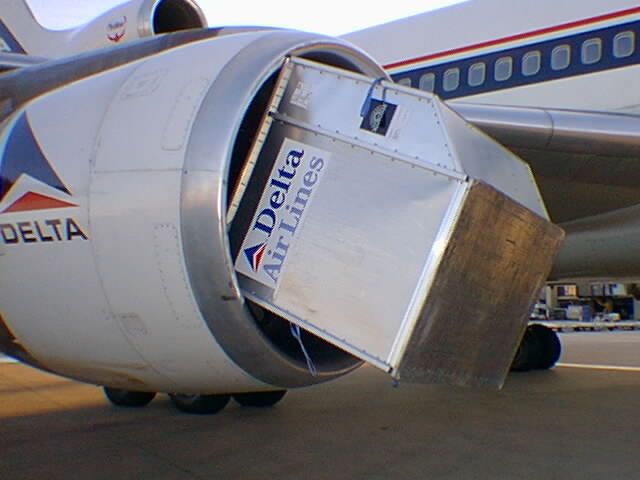
FOD is Foreign Objects and Debris (or Foreign Object Damage). A FOD detail set would include the FOD screen(s) for the aircraft. FOD screens are a wire mesh screen put over the intake of a gas turbine (jet) engine to keep them from sucking things in.
If you see a photo from the front of a MiG-29 (I think this is also true for Su-27s) as it lines up un the runway for take off, you’ll notice that the intakes appear to be blocked off. Those blockages are F.O.D. screens to keep the engines from sucking up any debris on the ground and getting damaged by it.
Once the aircraft is up of the ground, those screens retract flush against the roof of the intake duct, they return to the down position at landing.
When the F.O.D screens are down, theres a series of auxiliary air inlets on the top side of the wing leading edge extensions, just aft of the cockpit, that open up to compensate for the reduced airflow directly into the intakes at take offs and landings due to the screens being in place.
Foreign Object Damage
The first production MiG 29’s had louvered doors above the engines and ramps that blocked the engine air intakes that prevented FOD ingestion .
Air was sucked in through the upper doors while taxying and when the MiG was on the runway the engine ramps were raised and the upper doors closed for take off.
In the continual evolution of the English language, “FOD” has become a verb as well. Anything sucked into an intake is said to have been “fodded.” Our company training guy (I’m at ITT Avionics ) gets to spend time at air bases and carriers, and occasionally says things like “I heard an engine spool up behind me and I thought I was gonna get fodded!”
Ponch, anything not air that goes in an intake is FOD…rocks, paper, screaming FOD, etc. More specifically John P, you become the FOD. Also, said items on the ground, whether or not an aircraft is around is FOD. Plenty of injuries are caused by objects blown by jet exhaust or prop wash. Summary, FOD bad!
FOD is not limited to ingested debris for aircraft. I was lucky enough to tour the then McDonnel Douglas F-15 production line in St. Louis when I was in DEP for the Navy. At the end of the line they have a cradle that clamps the aircraft, lifts it up and gently shakes the bird. Basically shaking the crap out of it. They had a display of the FOD that had been recovered from various airframes. Tools, lunch boxes, shoes, glasses, hard hats and a plethora of other nasty stuff. We were told that the debris came from all conceivable locations on the airplane. They even found a pair of pants in a Phantom. The pants were on display, no word on the Phantom though. More useless trivia.
FOD is not just related to engines. You can also have FOD all over an aircraft. Pilots do not like FO in cockpits as it tends to fly up and hit them at the worst possible moment. I knew an FCF (test) pilot that would fly inverted and pick FO off of the canopy. He would then give it to the crew chief and tell him his cockpit FOD check wasn’t too thorough. I once recovered a flash light from a wing fuel cell in a F-102A. The flash light had the Convair logo on it. How long had that one been in the fuel cell?
I showed that Delta Airlines pic to our training guy. It reminded him that he was present when they first tested the re-engined KC-135 with the big, low-hanging turbofans. When they fired it up for the first time, one engine sucked up a 10-foot square patch of asphalt from the ground and Fodded it.
We had an engine change in Da Nang. Had to fly the engine down from Okinawa, borrow a wrecker from motor t and work out in the sun. Prop mechs rehung the prop and left a scribe in the intake. Take 2. Glad I wasn’t an engine mech!
At Zaragosa Spain in 1972, an F-4E was flying low level, making a bomb run when a rabbit came through the left windshield. It dislocated the pilots left sholder and shattered the parachute fiberglass housing. It tore out the left side of the rear instrument panel and hit the WSO in his helmet, cracking it. It came to rest jammed into the banana link, used for the canopy ejection. The pilot flew the jet back to Zaragosa with help from the WSO. A part of a hawk was also found embedded into the vertical stablizer.
berny13, don’t you just hate it when rabbits fly?!? What do they call that? A “Bunny Strike”? While flying F-4S’s, we once fodded an engine by an over anxious RIO. He was in such a hurry to exit the jet and set his navbag on top of the intake before engine shut down and had a map sucked in. Frankly, he would have been a better choice!
I know you guys have seen the carrier video of the guy getting sucked into an intake. Spit his vest and helmet out the other side. Only thing that saved him was his belt hooked on something as he went in, his head was inches from the turbo fan. The pilot saw the fluctutation in the guages and the fire alert and shut it down immediately.
That would have left a nasty looking spiral stain down the side.
Having had to “dive” intakes pre and post flight, I used to hate those sensors (Total Temp, if I’m not mistaken) in the intake, as they would snag you both going down and coming out. That was one lucky sailor. Bet his ears were ringing! Fun fact for any “Scooter” fans…the only way to get the generator out was to dive the right intake to remove the access panel. Not alot of room and that sucker is heavy! Naturally, the job falls to the little guys!