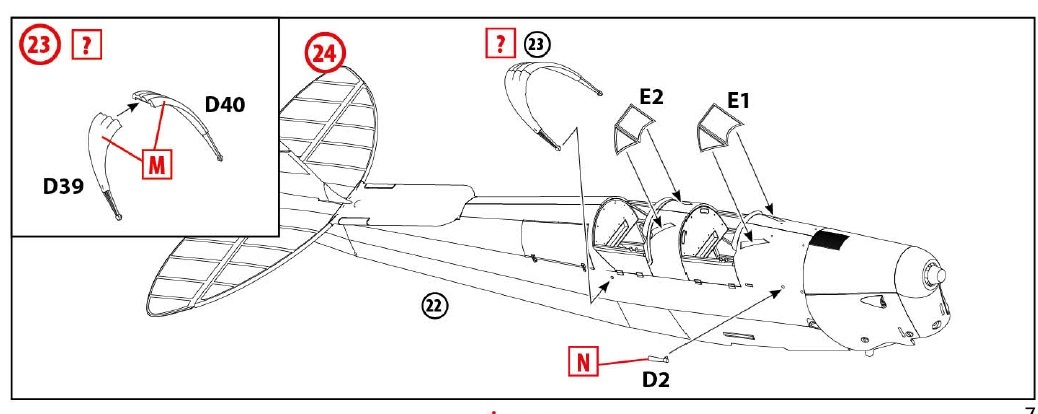
I’m confused on one of the parts for my Tiger Moth - #23 in illustration. I don’t see this on any photos of the actual planes and can’t tell what it’s for. Maybe a seat cover if the back seat is empty? It’s shown as optional, and I don’t intend to use it, but I’m wondering if anyone can identify its purpose.
1 Like
The Tiger Moth was used in a basic instrument trainer role. At times a fabric canopy “tent” was erected over the cockpit. Not sure, but I could imagine that this part represents part of the tent
2 Likes
Yep, probably an instrument flying hood for the student pilot. The instructor up front gets to see where they are going as the student tries to figure it out only using the compass.
3 Likes
Haven’t seen it before, but that is a fairly reasonable assumption. I can’t imagine how claustrophobic that would been, especially considering how disorienting initial instrument training can be.
I tried to find pictures of the cover installed but failed. It seemed common during WWII in British training to use the covers, Canadian Moths had actual canopies installed.
Amusingly enough this is part of what AI had to say about it.
Rarely Used Today: Instrument training is no longer conducted in Tiger Moths due to the high cost of vintage airframe maintenance, strict crosswind limitations, and the availability of modern, safer avionics-equipped trainers.
“Rarely” …. I would be pretty shocked to see a Tiger Moth used for any training, anywhere. 
1 Like
This is one of the things I really enjoy about this forum.
Somebody posts a mystery part that they can’t identify, and before long somebody comes along who not only knows what it is, but can explain what it was used for.
I had no idea about the instrument-flying hood either, so the OP got the answer they needed and I learned something along the way.
Pretty impressive amount of knowledge in this group.
1 Like
It’s all part of the cross-contamination. Like cooties, knowledge is contagious. Some people are resistant, but most here are highly susceptible. 
1 Like
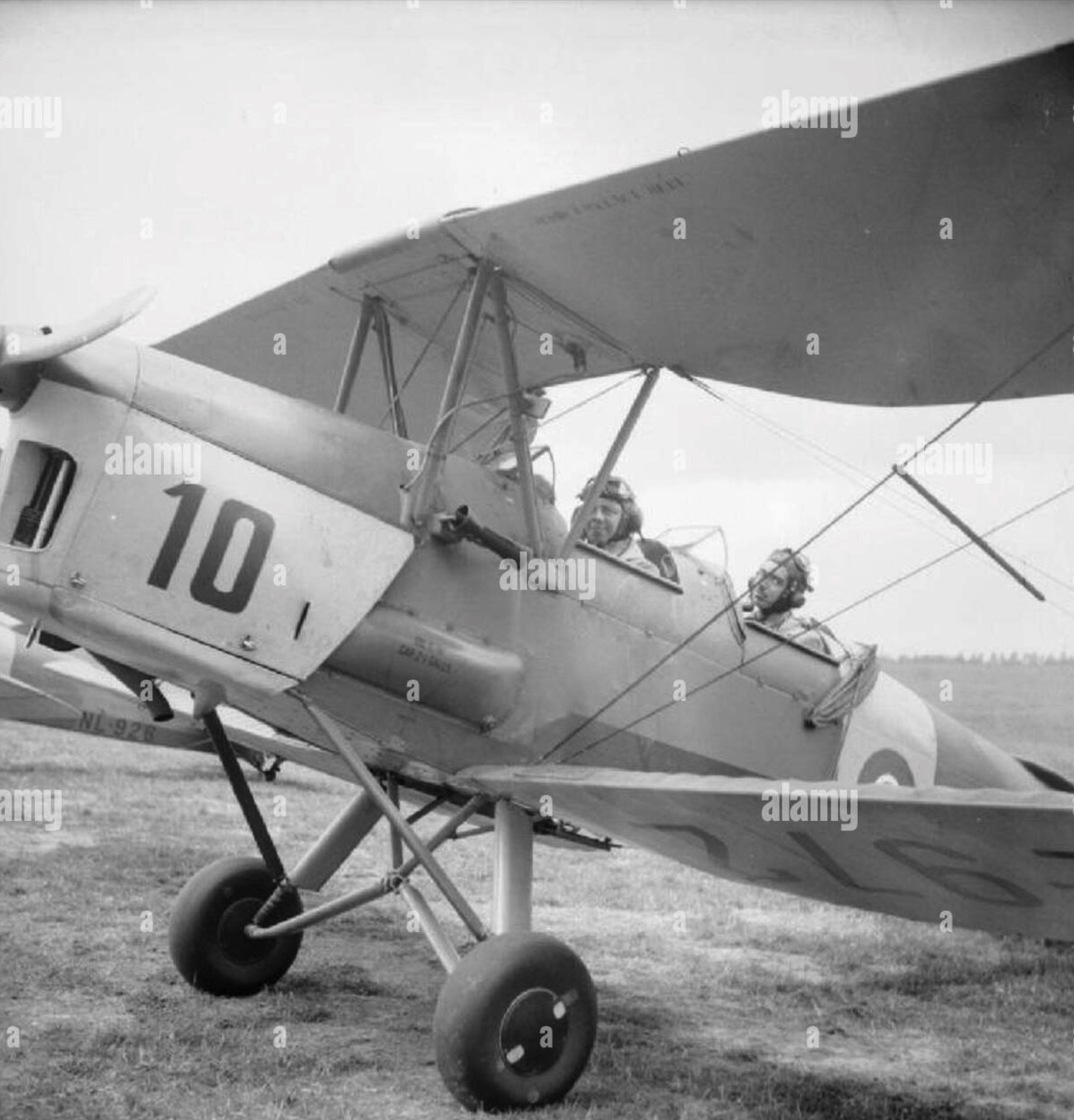
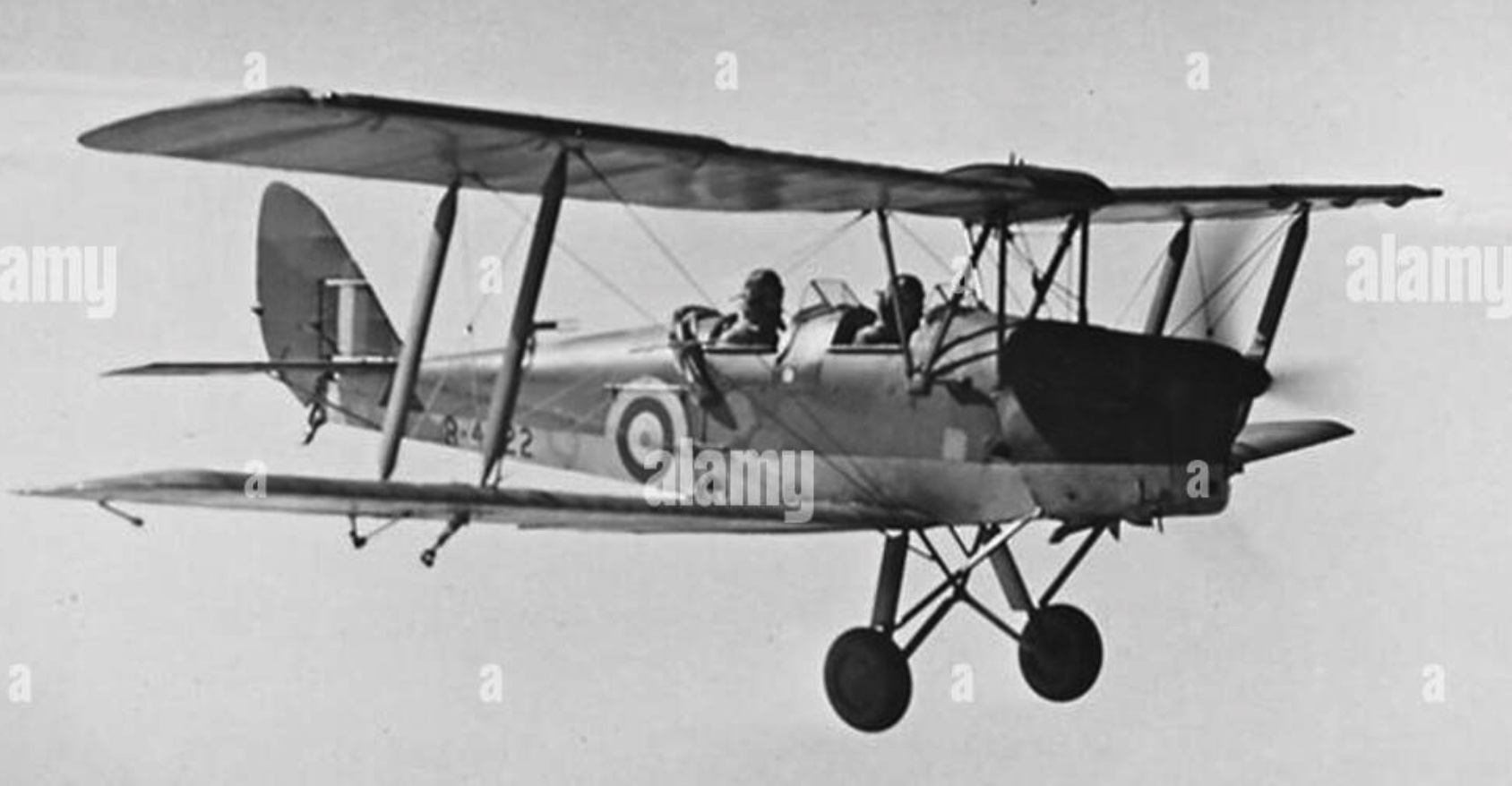
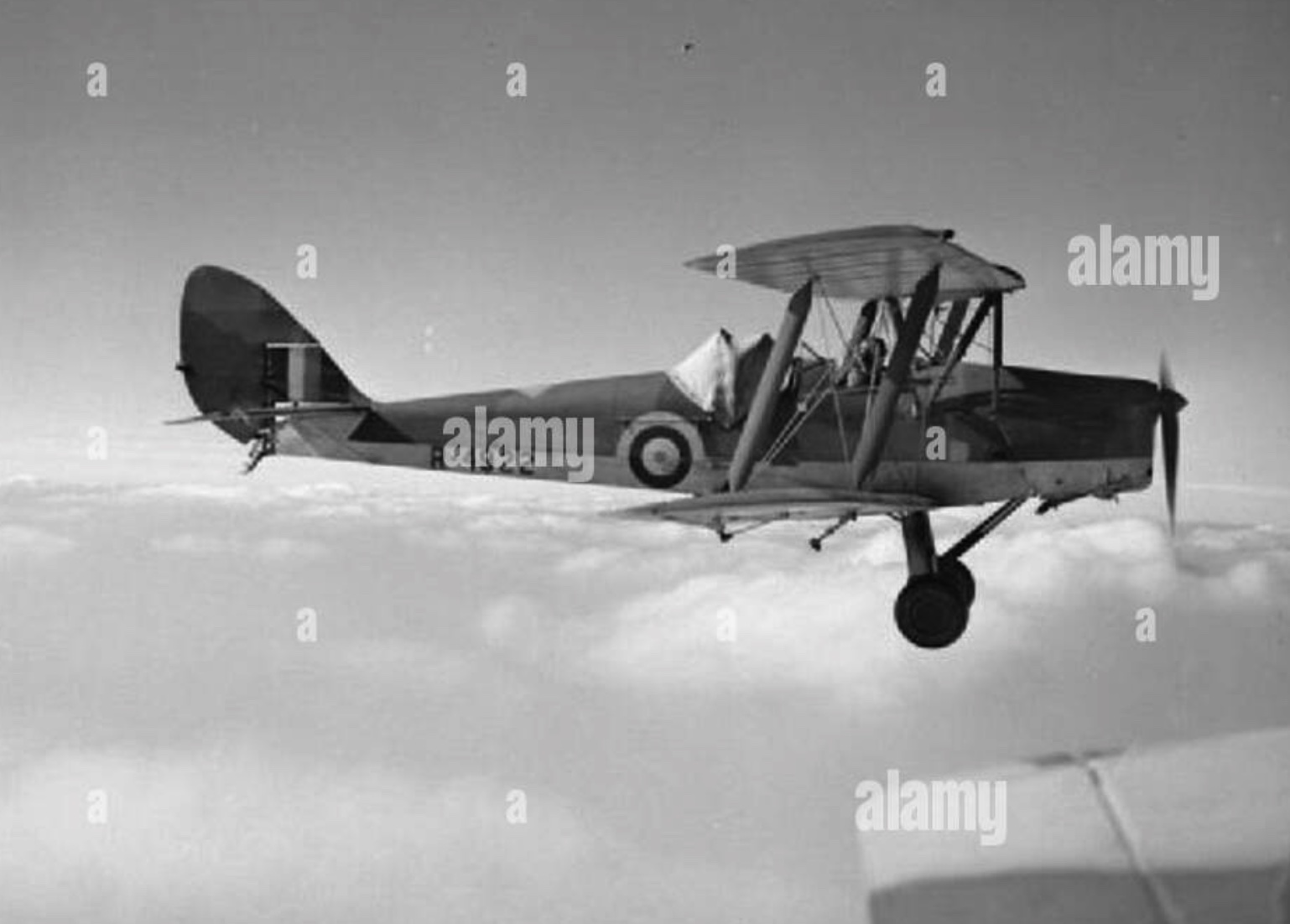
Your google abilities appear to be far superior to my own. I still maintain it could be a nauseating ride in the back all covered up, especially if it’s a bit rough - better have an empty bucket with you. 

1 Like
Nah, no Google needed! If you are an old airplane nut, this is the kind of trivia that gets stored up in your head. Kind of like Squirrels storing nuts in a tree. You know, for later.
I used to be a serious airplane nut. I recall borrowing a book on the XB-70 from my middle school library that discussed the design and fabrication of the aircraft. Up to then, I had never heard about airplanes using a stainless steel sandwich skin with a brazed honeycomb core. The also book covered the aerodynamic principles that allowed the XB-70 to fly at mach-3, the escape capsule system, the design and function of the engines, and the unique properties of the fuel. I wondered what a book of this technical level was doing in a middle school library. It was a non-descript looking hardback book that predated the format of modelers’ references like the Aerofax series.
I think instrument flying hoods were mentioned in much less technical books in the laibrary!
1 Like