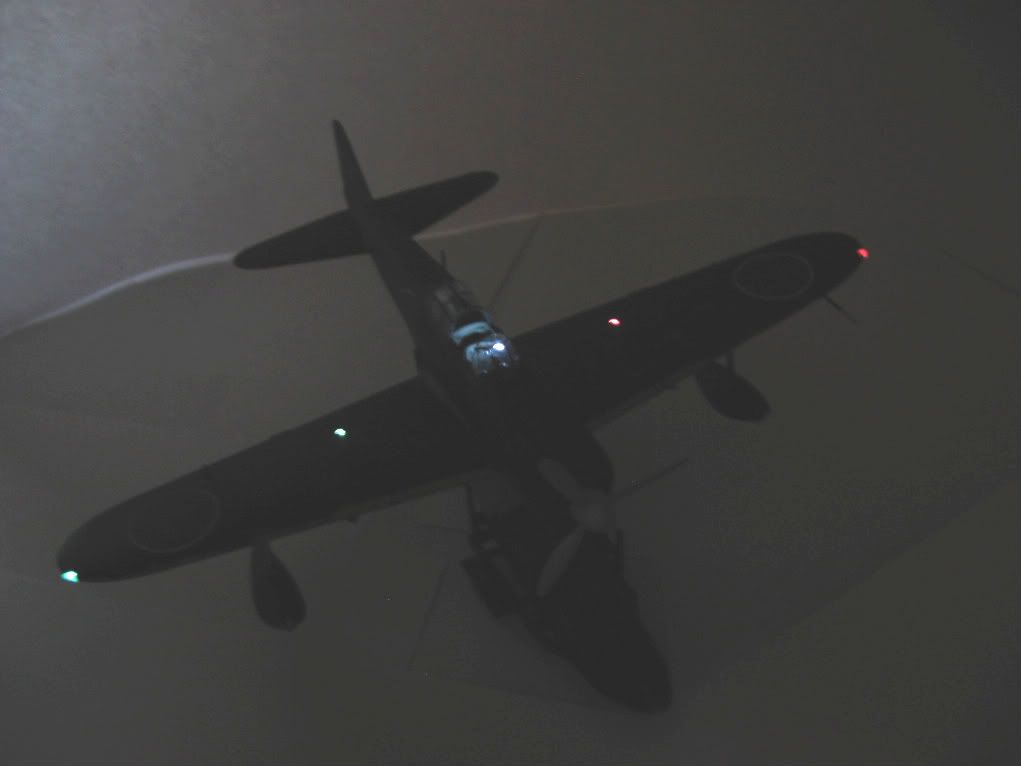
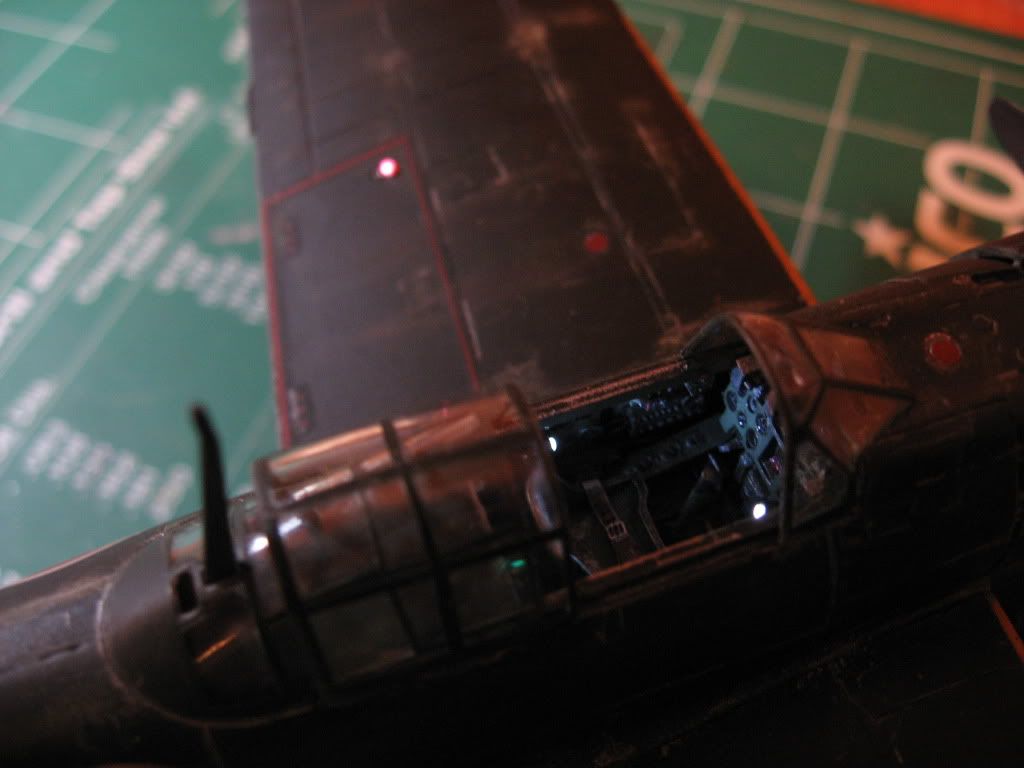
Hi. Does anyone know of a good source for either LED lighting tutorials or a supplier who can make simple LED lighting for plastic models? I had one source but they are no longer selling lights. I am planing on doing a couple of kits that are going to need lights to light up engines etc and I can’t find another source. I was thinking of making my own lamps to run off of a 9V battery, but I forgot the info to use the correct resistor rating. So I need a tutorial which will include this info.
Last year I used fibre optics to light up a 1/48 Rufe…they were really easy to work with…use a 9v battery and come in different sizes/thickness and since they are plastice fibres, easily bendable…I had never used fibre before and found it very easy…good luck!
I bought the kit online…they also have some how to guides.
The things I need to light are too big for fiber optics. I am going to be doing the Mk 1 and Mk II vipers from the old and new Battlestar Galactica TV shows. Those huge engines are going to take LEDs to light properly. But fiber might go well on the cockpit instrument panel. Hmmm.
sounds cool…now look at the website…they have different sizes of fibers and I think they have some examples of Sci Fi models too…and you could probably bundle them together for the larger lights…I dont know,fiber seems easier than trying to circuit LED’s.
Thanks for the links. I’ll let ya know on the fiber. I’m not sure if it’s worth it on the kits I have. Very little would show from the cockpit outside.
I never thought of using foil tape. I guess you learn new things every day. I have a bunch olf old DC 5v. power supplies that used to belong to various electronics like old USB hubs that wore out their connectors and such. I am toying with the idea of using them instead of batteries. It just means a big ugly black cable running out of the base. I’m working on my Cylon Raider at the moment, it only has 2 LEDs, so it’s pretty simple. I used 500ohm resistors for those, and they work very well. They are the Ultra Bright type so I am lining the entire inside of the ship with aluminum foil. The kit is the 30th. anniversary re-release with the transparent engine cones in back. Perfect for lights. The front of the kit still has the two holes that the original version had those little plastic things shoot out of (You would think R/M could at least have filled them in.) I used Micro Crystal Clear to build up a clear window through the hole. I am going to paint the inside of it with transparent red and it should look really cool when done.