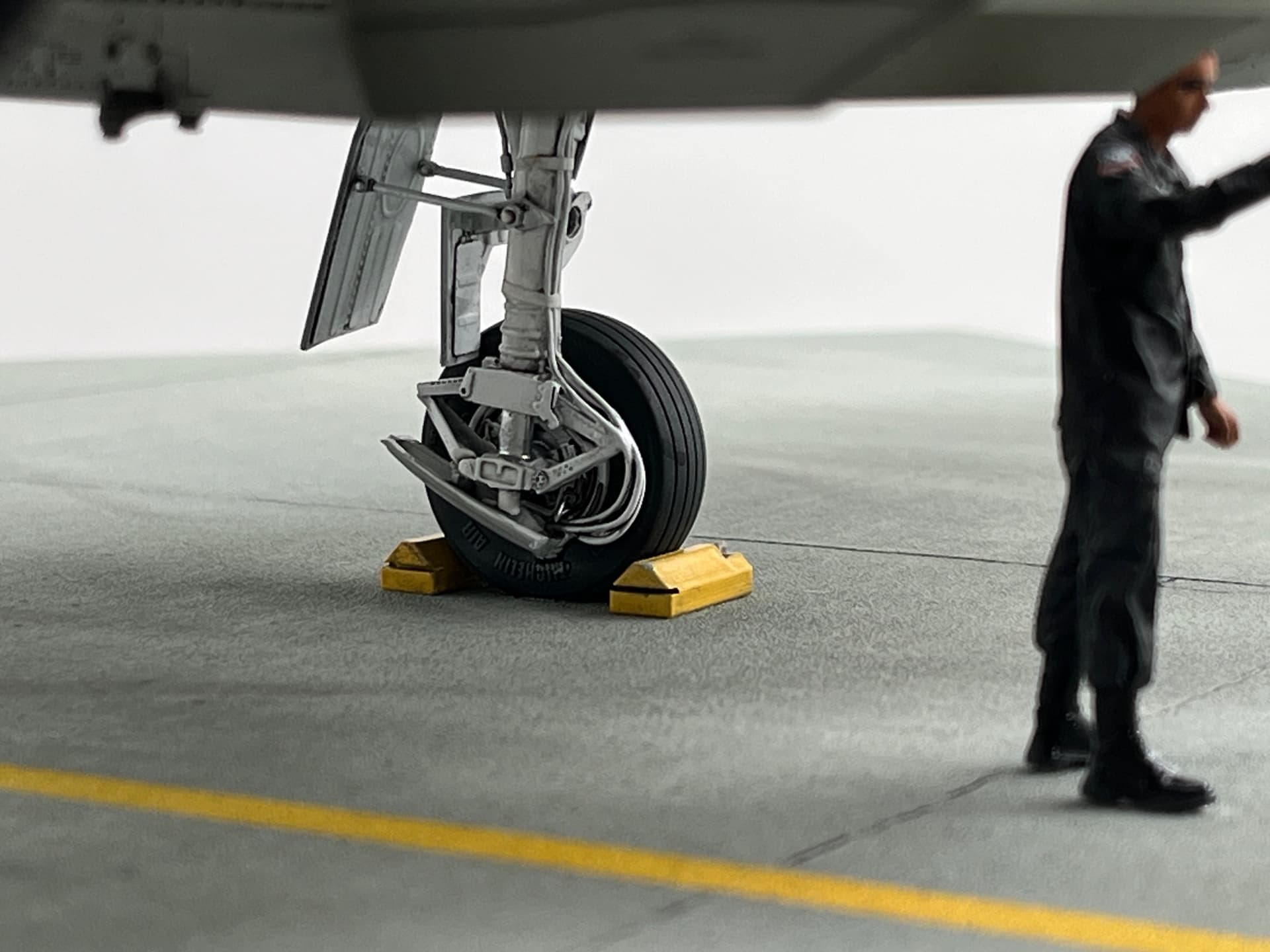
I’d like to start adding more detail to my builds—hydraulic lines, hoses, wiring, brake lines and things like that on landing gear and in wheel wells.
I see a lot of modelers using lead wire for this because it’s so flexible, easy to shape, and holds its shape well. The problem is that lead is toxic, and even if you wear gloves, it still gets all over your tools and workspace. I’d rather remove that from my modeling environment if I can.
Has anyone found a good lead-free alternative that has similar properties and is available in the small diameters we’d need for 1/48 aircraft? I’m curious what everyone else is using.
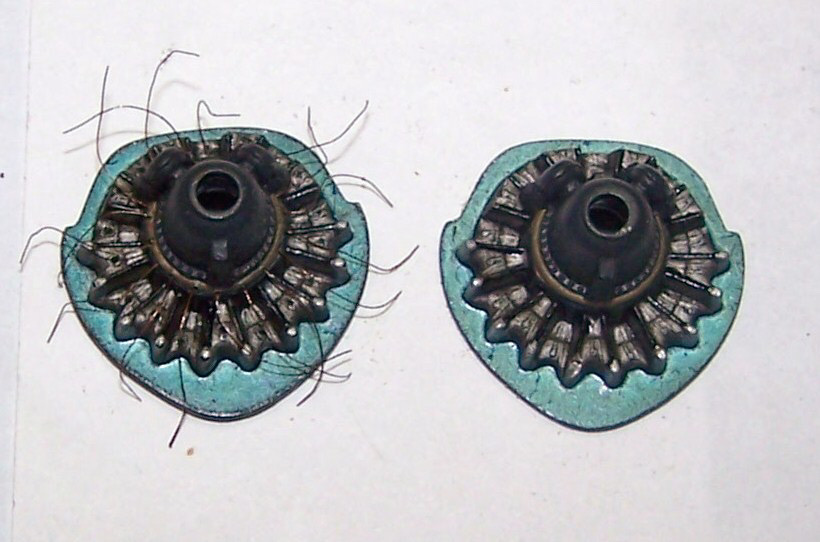
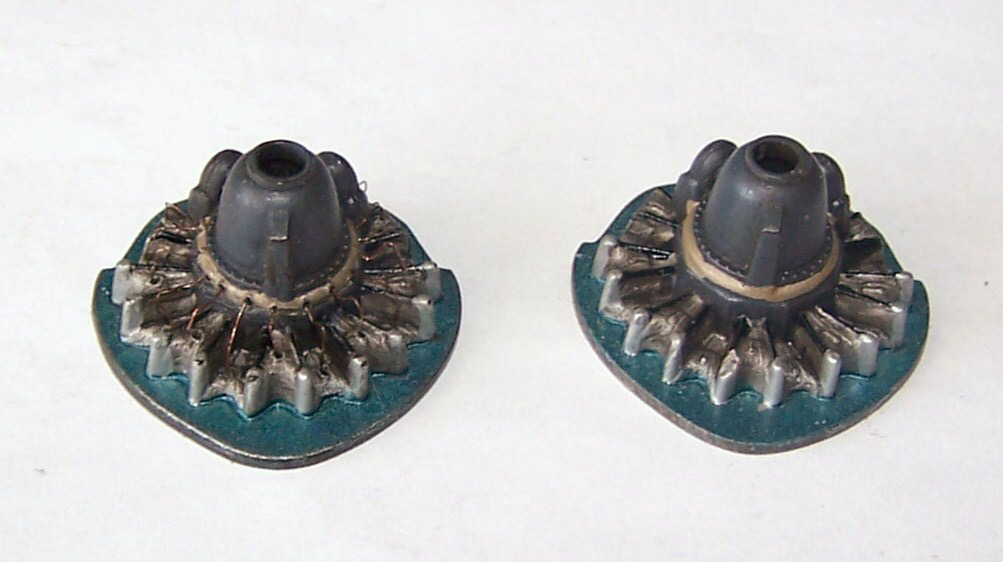
Something I’ve used on a J2 rocket engine build, but you need a 3D printer, is to extrude filament through the nozzle. You can drill out the standard nozzle to any diameter you’d like then simply extrude the filament, guide it out until it cools and you are left with perfect “hoses”. Limitless sizes and colors in seconds.
Hit it with a hot air gun carefully to curve it to your desired shape when installing it.
So instead of printing something you simply let the filament extrude out like squeezing a hot glue gun.
Here you can see some thin “tubes” I simulated on this J2 rocket engine. The filament is easy to re-heat and bend to the desired shape and it will retain it’s shape when cool. Swap out the nozzle for a different size hole for a different size hose/tube.
I use copper wire salvaged from various sources on my models to do such things. Some of the stuff in old Apple charging cords is almost hair fine in diameter. Speaker wire and other electrical wiring is also a great source
Oh that makes sense now. well I don’t own the 3D printer but I will eventually. First I’m probably going to get a resin printer rather than a regular 3D printer.
That’s a great solution to the lead problem though, thanks for the explanation.
Those are great ideas. I’ve got plenty of old wire and cables lying around in the garage that I could strip down and see what I can find. Thanks for the suggestions!
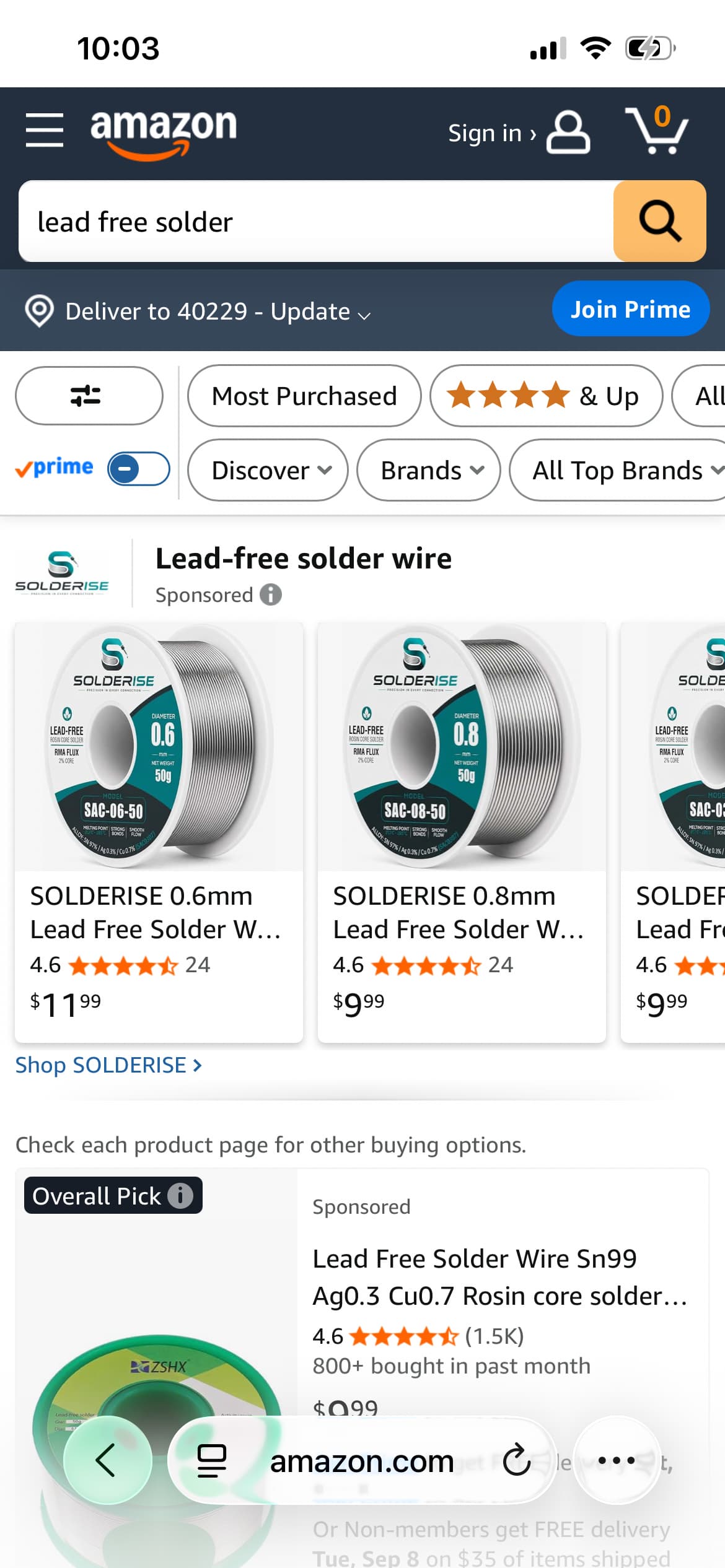
That’s perfect. I was just about to look that up on Amazon. Thank you!
Now I just need to learn how to make it all look realistic. I’ve never actually added this kind of detail to landing gear before, but it’s time to start. I’ve seen what other people have done with it, and it really does make a difference.
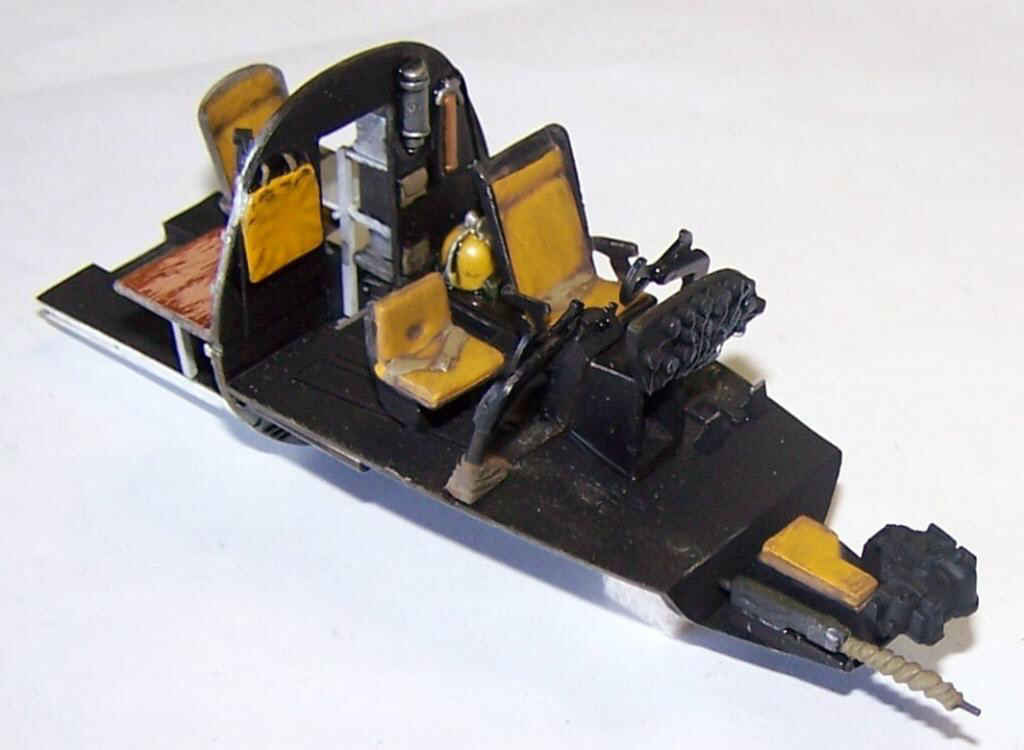
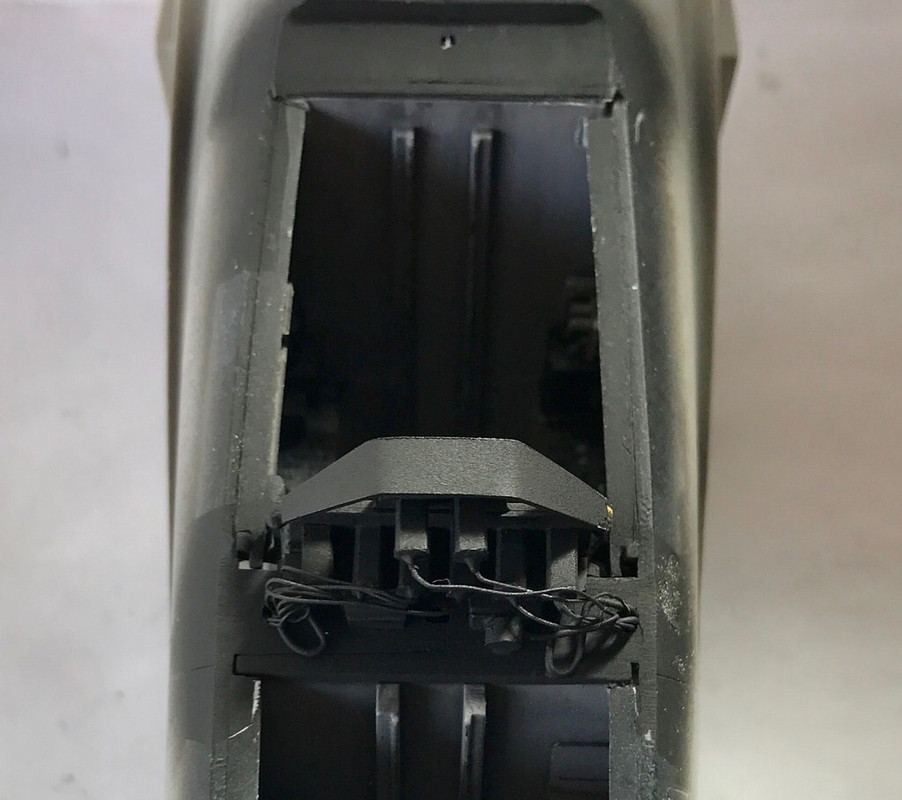
I’d love to see some examples of your work with this solder.
That’s exactly what I was hoping to see. Thanks for posting those!
That looks really convincing once it’s painted, and that’s exactly the kind of detailing I’m hoping to start doing on landing gear and wheel wells. I’ve never actually added plumbing and wiring like this before, so there’s definitely going to be a learning curve.
Seeing your examples gives me a much better idea of what can be done with the solder. The finished result looks great!
I use wire solder, which you can find lead-free. I also use beading wire, which can be found in various gauges, at the arts & crafts stores. And I have a stash of copper wire scavenged from electronics or electrical appliances.
I also need stiff wire to pin figures, and I have found that the wire handles on Chinese take-out containers are a good source of stiff wire for that purpose.
Make sure the solder you buy is listed as lead free. You can still buy regular 60/40 tin lead solder. While the lead free variety does not contain lead, it does still contain metals which aren’t all that good for your health so bear that in mind.
Good point. I’ll make sure I specifically look for lead-free solder. Kind of defeats the whole purpose of replacing the lead wire if I accidentally buy solder that’s 40% lead!
I’ve also used fly tying wire from the fishing department. It comes in some very small diameters, is pretty flexible, holds shape well. As a bonus, I found different colours which worked if I didn’t want to paint it.