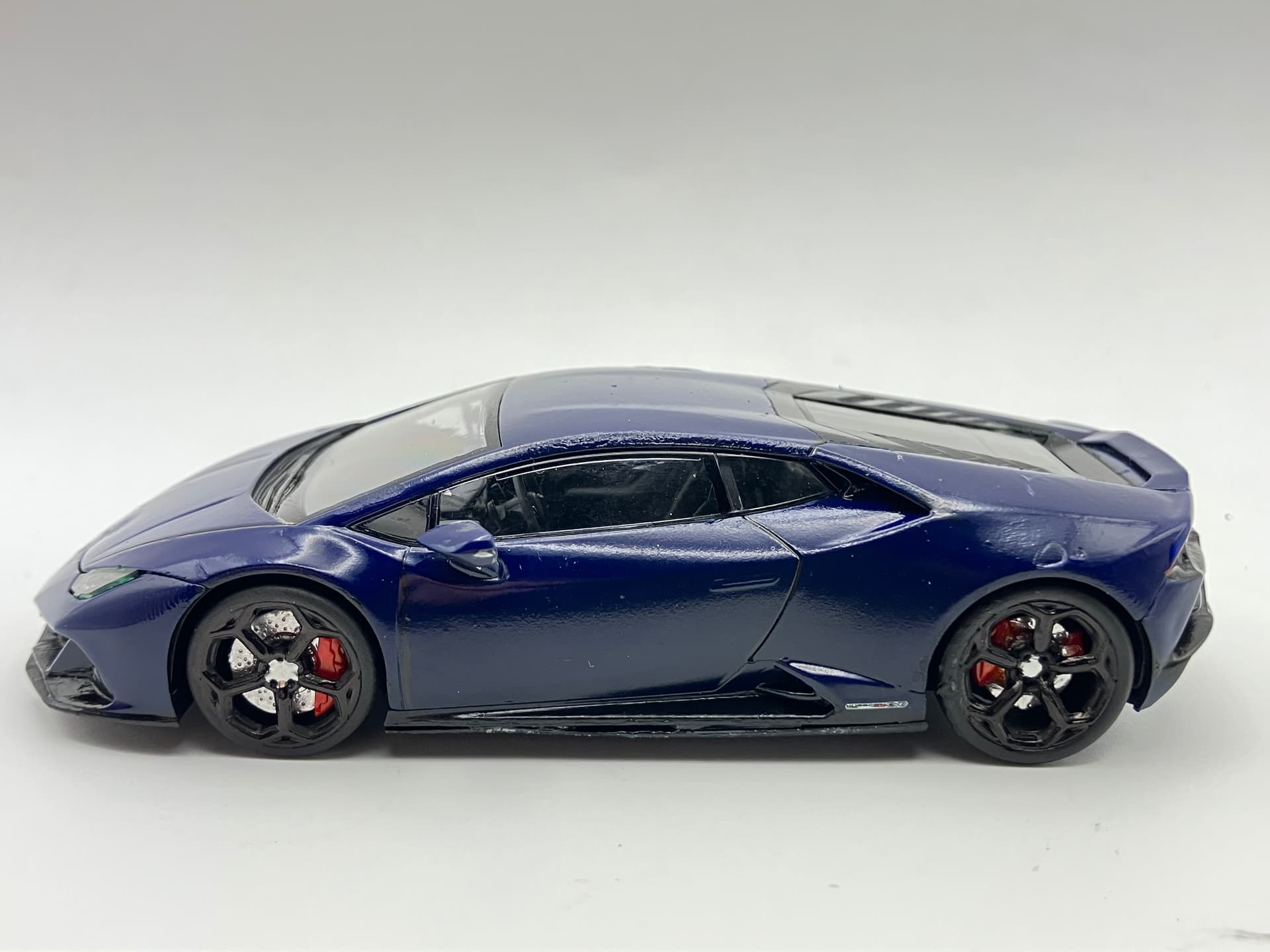
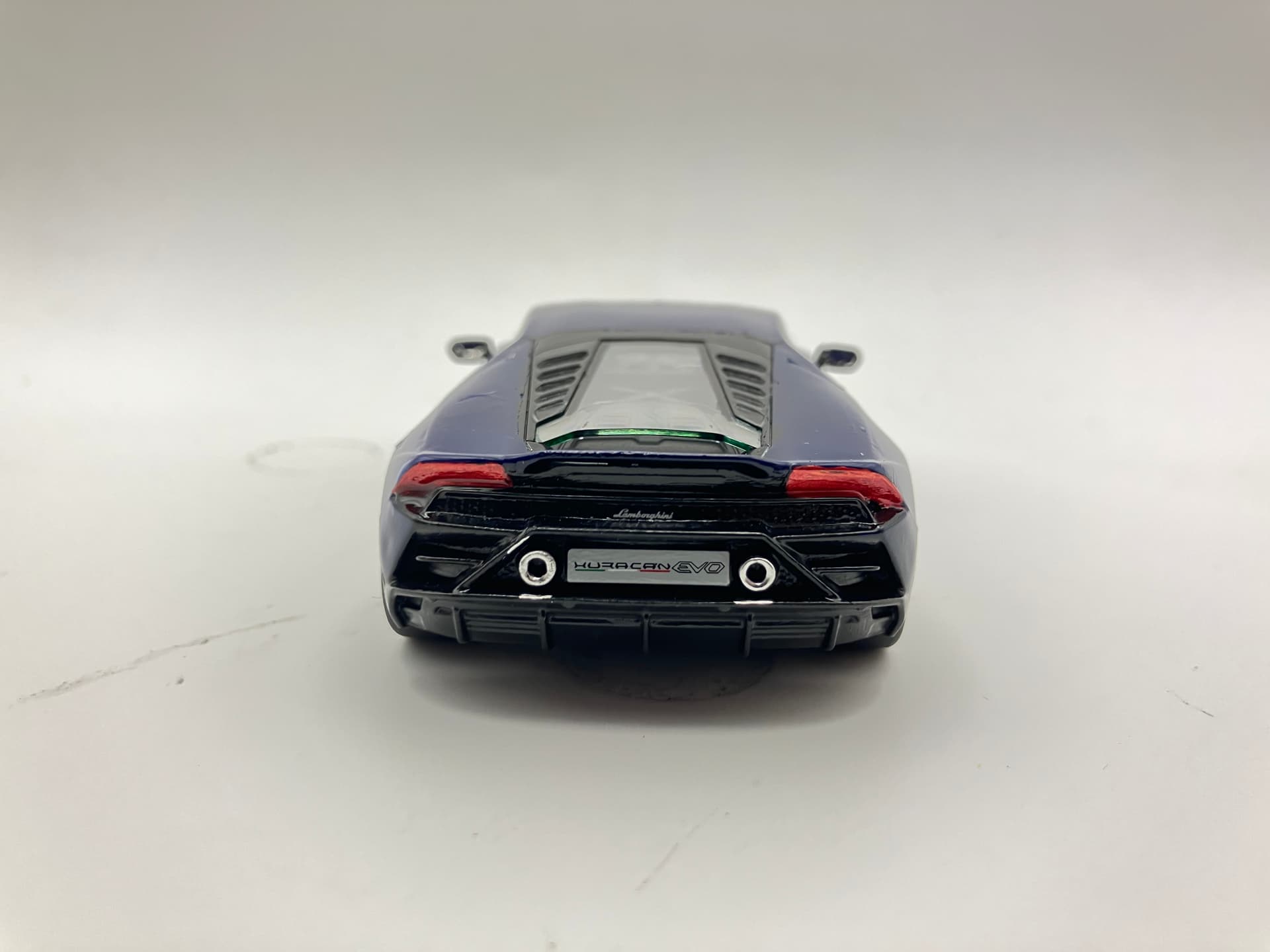
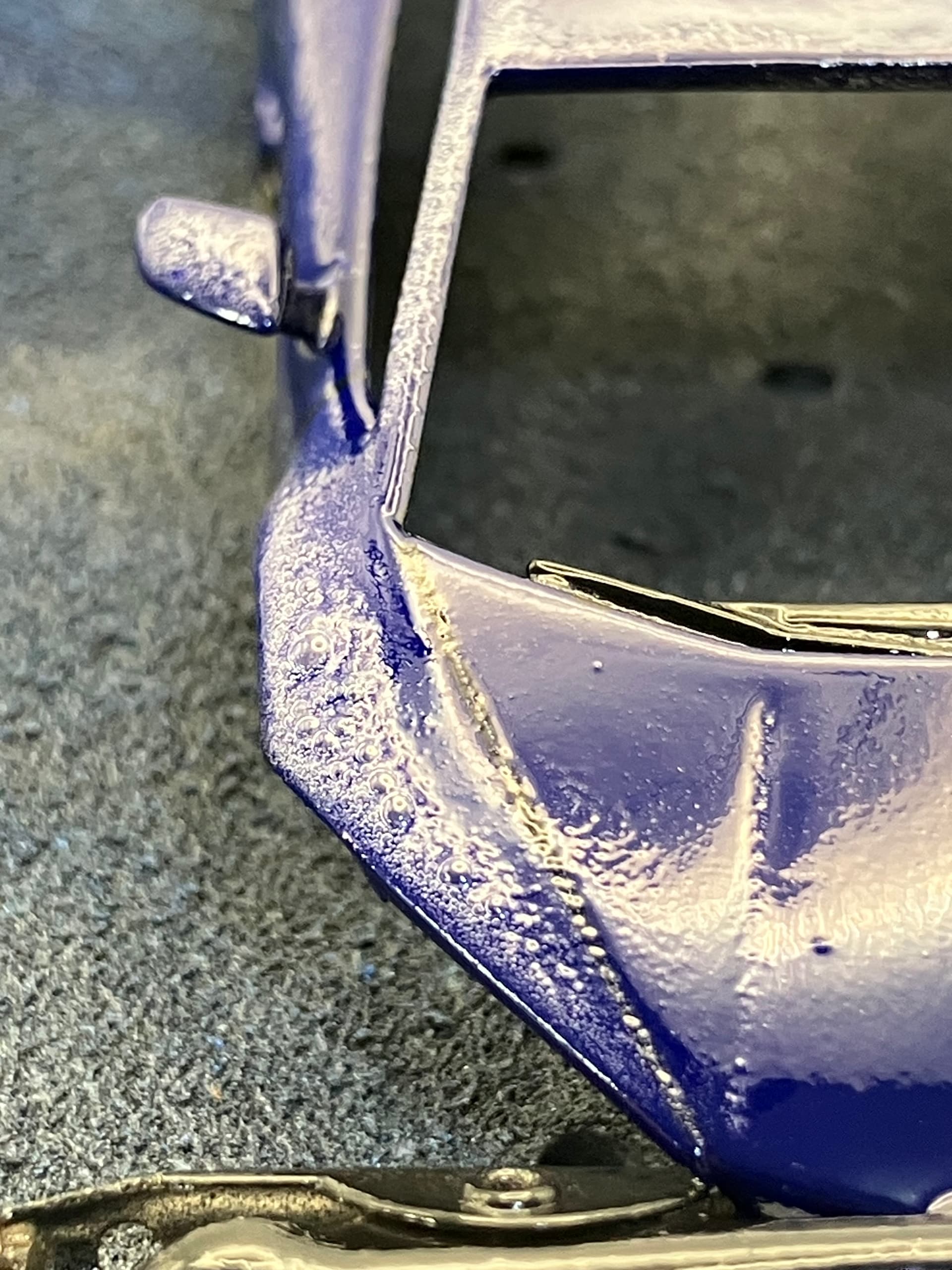
It doesn’t seem to matter if I do all things correctly with my painting on a model. When I get to the point of putting a coat of clear over the nicely painted surface, I can’t seem to win. I’m working on this AIRFIX 1/43 Lamborghini and mixed this super awesome shade of blue. I let it fully dry and cure and the moment I hit it with Testors wet look BAM!! Mayhem:
I painted it from a good distance and still this! How can I fix this project without having to strip it and repaint everything? This also happens with other brands of clear.
I’ve never seen a result that disappointing. It appears to be a major incompatibility between clear and paint. The nose seems to show bubbles in the clear, was it spray can? The bubbles could be from out gassing while drying, almost like it dried too quickly.
I’ve never used Testors Wet, I wonder if the formula is different from the original GlossCote. I’ve had issues with too much moisture when spraying clear, or minor bleeding of paint when used over Tamiya and Gunze, but this one is new.
I have a couple questions about the paint underneath…..more details may help someone recognize your issue.
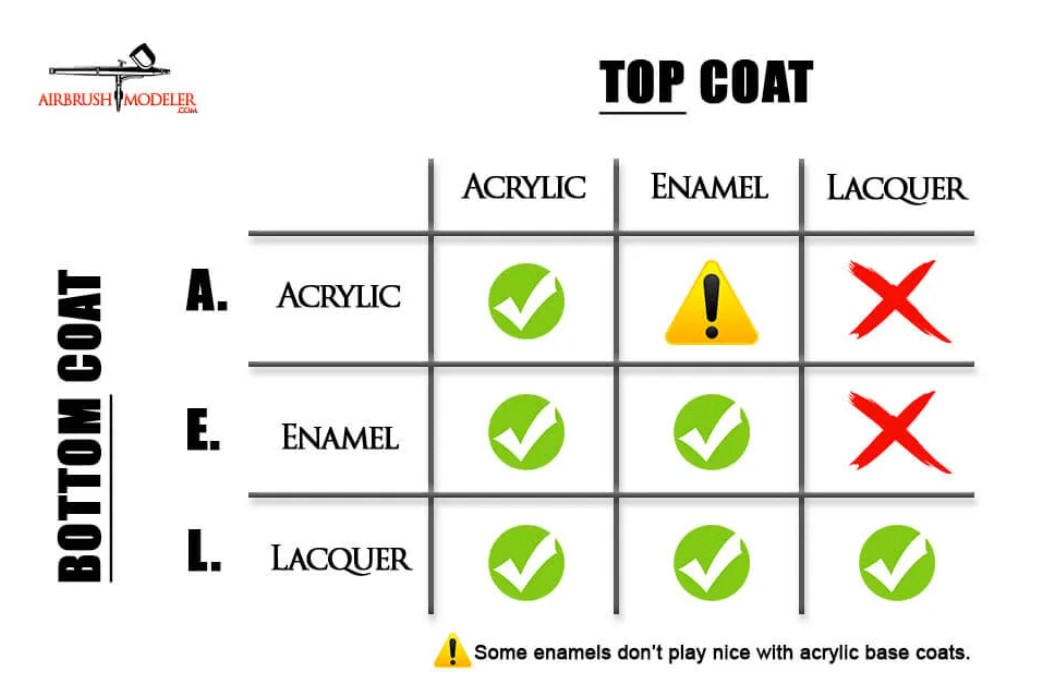
What kind of paint was used? Acrylic, enamel, lacquer?
Did you prime under the paint, if so with what?
Could there have been any contamination under the paint?
I know it’s a setback, but if we can figure the issue, stripping and repainting is relatively easy at this stage.
Absolutely understand your frustration, been there as well!
Completely agree with Frozin, additional it would be interesting for how long the paint underneath was left to dry.
First, I can see no way for a fix other than to strip it down and start again.
By the look of the photos it seems the clear coat was applied way too thick, which could be another reason for the issue. Build up your coat in layers, with only a very small amount first. Let it dry for a minute or two before you apply the second coat, which could be a little thicker now. Again, let it set before you apply the third coat, this time it should look wet.
I know this sounds quite easy, but believe me it is all about practice!
First of all, I’m sorry this is giving you problems. It’s a real bummer, I know what your going through. It happened to me on a large project. I custom mixed two Tamiya colors, then put a different brand of clearcoat over top of that. Results were somewhat similar to yours. I had to strip everything off. Frozin brought up some really great questions. One being, is the paint and clearcoat compatible?. On the bright side, this can be fixed, with a little elbow grease. I was looking at the detail on your front fender. The very best option is to strip everything off, and start from scratch.
What kind of paint was used? Acrylic, enamel, lacquer? Everything was acrylic (airbrushed) which was a combination of masters touch from hobby lobby mixed with acrylic ink. save for the clear topcoat which was lacquer (spray can)
Did you prime under the paint, if so with what? Primed with Vallejo black primer
Could there have been any contamination under the paint? Don’t think so.
Could this be sanded and re clear coated?
After drying overnight, there are still bubbles in areas but a decent amount of the body is not bad
Wet sanding the clearcoat would be an option. However, with all the nooks and crannies, this would be challenging. If bubbles are still present in the clearcoat, you have to be very careful about sanding those areas to level them out. Sanding to much in one area risk the chance of going through the clearcoat, and getting into the paint. If that happens, then you’ve got another issue to deal with. If it were me, I’d strip it clean, and start from scratch.
If you do that, I would purchase a paint/clearcoat that are compatible. Several companies, one being Tamiya, makes a wide range of color choices in aerosol. Clearcoat as well. By your description of the paint mixing, I think that MIGHT have something to do with it. If you want to you can message me, I’d be more than happy to help out.
I would try spraying the body with Easy Off oven cleaner, seal it in a Ziploc bag overnight and then go at the finish with an old toothbrush. I have successfully stripped acrylic finishes with this method on a number of occasions while rebuilding some decades-old early efforts.
Here’s my take on your issue,
The blue is acrylic, which wasn’t dry enough IMO and, you sprayed a lacquer over it way too heavy. Now while you can spray a lacquer over acrylic it’s recommended a minimum of 72 hours before doing so. All this also has to do with the conditions your spraying in as well ( temperature, humidity ) to get good results.
Our house is very dry at the moment. I have a small thermometer mounted on my booth, it’s currently 67 degrees with 19% humidity, that’s very dry for spraying. The temp is good but, ideally the humidity should be between 30 and 50%.
Your other issue is you used the Testor’s spray can to apply the clear, that’s like using a fire hose and, put way too heavy of a coat on. Testor’s “wet look” clear and Dull Cote are all I use. I de-cant mine and spray them thru my airbrush for more control.
IMO you should have used an acrylic clear coat, sprayed thru your airbrush, and you’d probably be fine. If your unsure of how something will work, get yourself a “test subject”, old car body, sheet plastic or, spoons and see how things react on these instead of your project.
Also I don’t see how you’d be able to wet sand all this out without breaking thru the paint somewhere, probably better to strip and start fresh.
Good luck with the project going forward.
Steve
Like I said, you’re working with acrylics, stick with acrylic products and you shouldn’t have any issues. I don’t use them so, maybe others can be of help. Best of luck.
Steve
Please update us on your finished product! My very first post on this forum roughly a year ago was a plea for help following a too-hot lacquer clear coat, so I feel your pain(t)…
By Testors, do you mean their Gloss Cote? I use this and their Dullcote exclusively and have never seen this. I use hardware store lacquer thinner and use about a 1:1 ratio. I say “about” because I go by viscosity for the most part. When it gets the consistency if like 2% milk, it’s good.
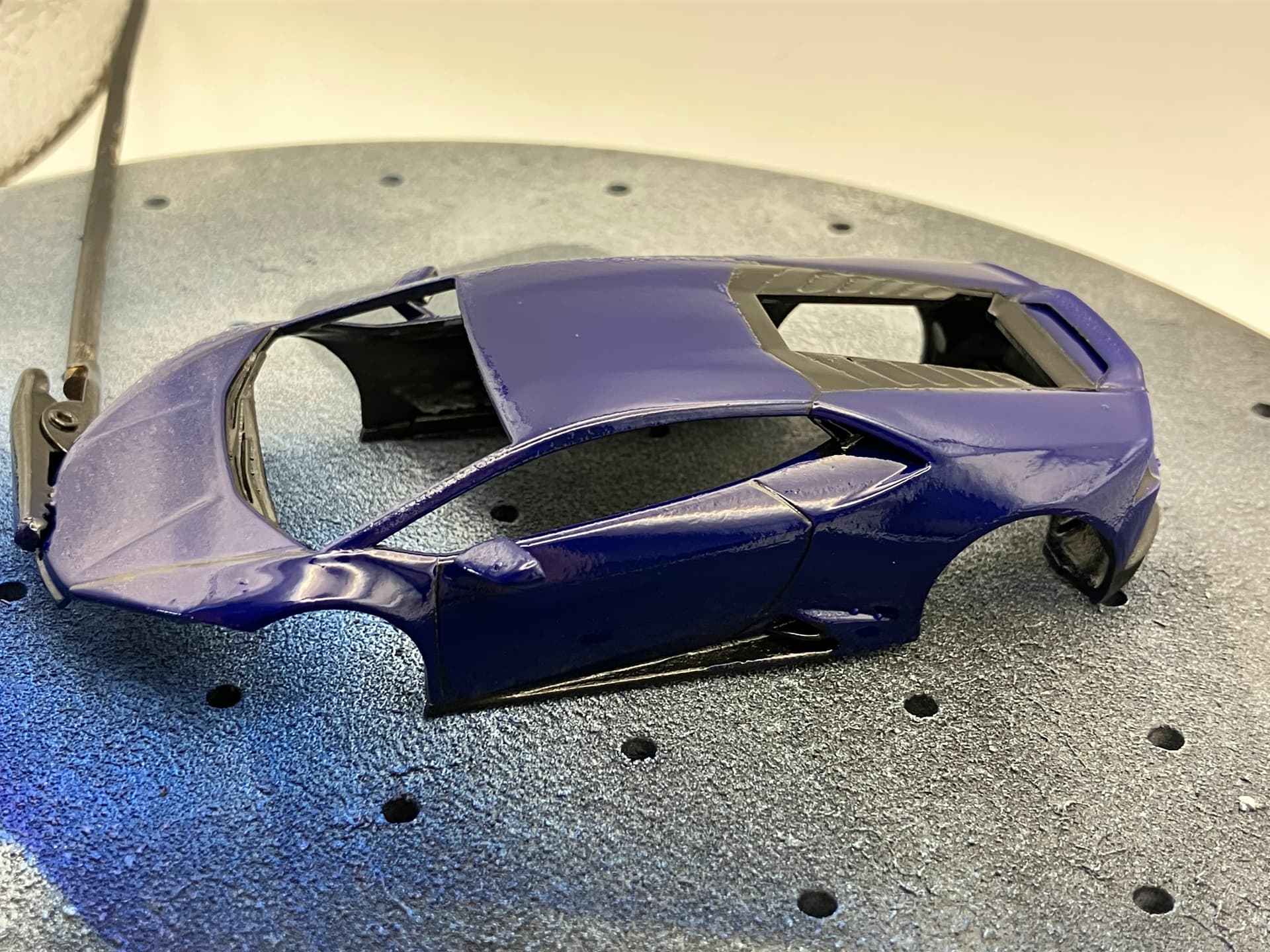
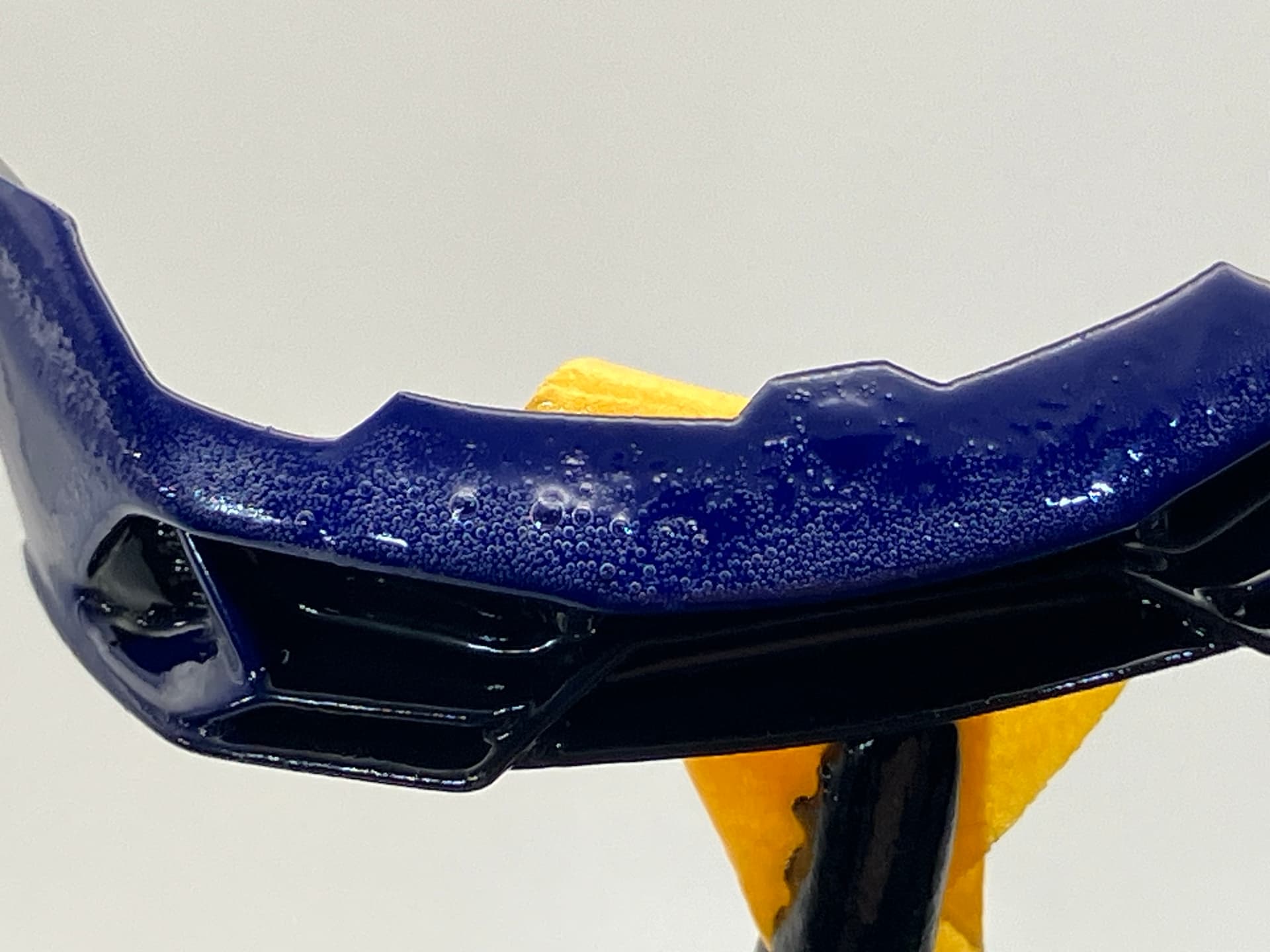
 and just dropped it in a sandwich bag and hit it with easy-off. Take 2