I’ve been looking for a review (and I know both were at one time). I just want to know how well either of these performed? Good, sharp lines, thin to thick lines, blending etc. How well does paint flow through them? Do they need really high pressure like 25-30 psi, or can the paint go through at lower psi? Paints such as enamels, acrylics, acrylic lacquers, other media like artist oils? Their reliability, durability, comfort, ease of use, easy to clean? I forget if one of both of these models were ‘gravity feed’ or not? I’m’. Considering getting one (or both) depending on if one is more versatile than the other, or if I should just stick with one because it does everything I want it to?
Model Master 50601 Airbrush Set Testors Aztek
Aztek Air Brush Set A470 w/ Wood & Original Box Testors Corp Airbrush
2 Likes
I had both of these. These were a step up from the single-action Testors brush that I bought as a first airbrush way back in 1995.
I was able to use these effectively as a newbie in the late 90s, but looking back on that time, I wonder how I did anything with them. They were virtually impossible to clean. They have pre-built needle/nozzle assemblies that you were not supposed to take apart. In those days, I don’t recall doing much thinning of paint, so therein was a big problem for me. Back then, I primarily painted with enamels, although I did switch to the acrylics when Model Master put out a new line of such paints. Something else I recall about those nozzles was having to replace them due to breakage. They are plastic housings, so I was seeing cracking around the needle hole. Not across the board, so it might just have been my usage habits (which were likely not great).
They are comfortable to hold with their ergonomic design. These were side-fed, which tended to throw the balance off with a fully loaded paint bottle, but it was simple enough to adjust how you held it while painting. Between these models, I can’t say one is more versatile than the other, as they are essentially the same tool. But with the wood case model, you get more of the accessories (which I believe is why I bought that one - heck, I might still have that, I’d have to check but it sat buried at the bottom of a toolbox drawer for years after I retired it).
Regarding psi, I tended to spray at higher pressures as a matter of habit back then. I don’t recall the compressor having a gauge on it, it was a cheap Craftsman model that they quit making soon after I bought it.
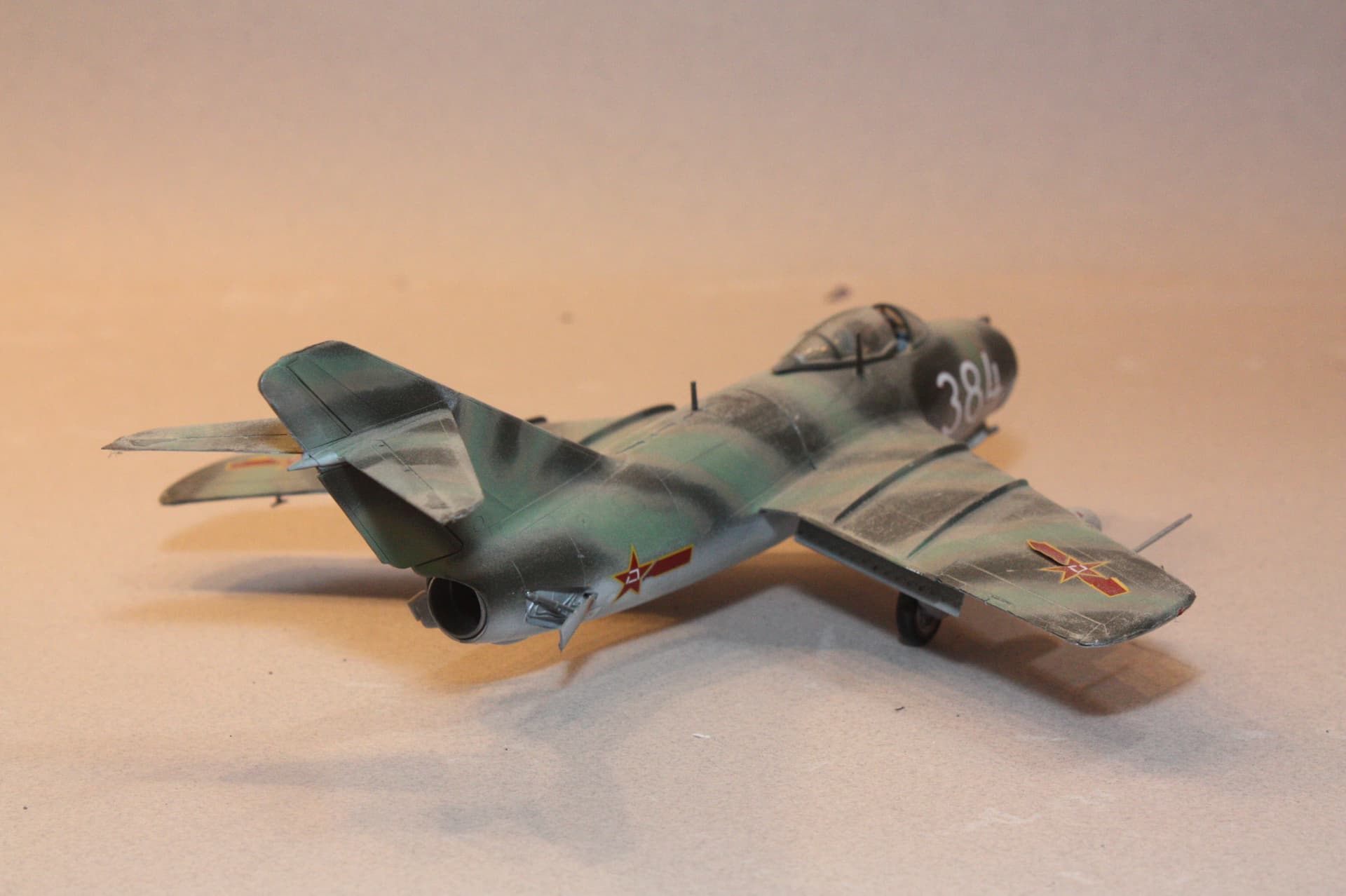
I was able to control the paint through them okay. I could get sharp lines when using masks. Having just returned to the hobby and not experienced with an airbrush, I was not attempting techniques such as blending. I was able to get some thin lines but not as thin as I had wanted (when I built a winterized Fw190 with squiggly white lines all over it, or a MiG15 with a tiger-style of camouflage).
Question - are you new to airbrushing? Like I said, I was able to make them work for me, so undoubtedly you could do the same. But I suggest to go with a more modern brush that allows you to fully disassemble the entire tool rather than cleaning those pre-assembled needle/nozzles.
2 Likes
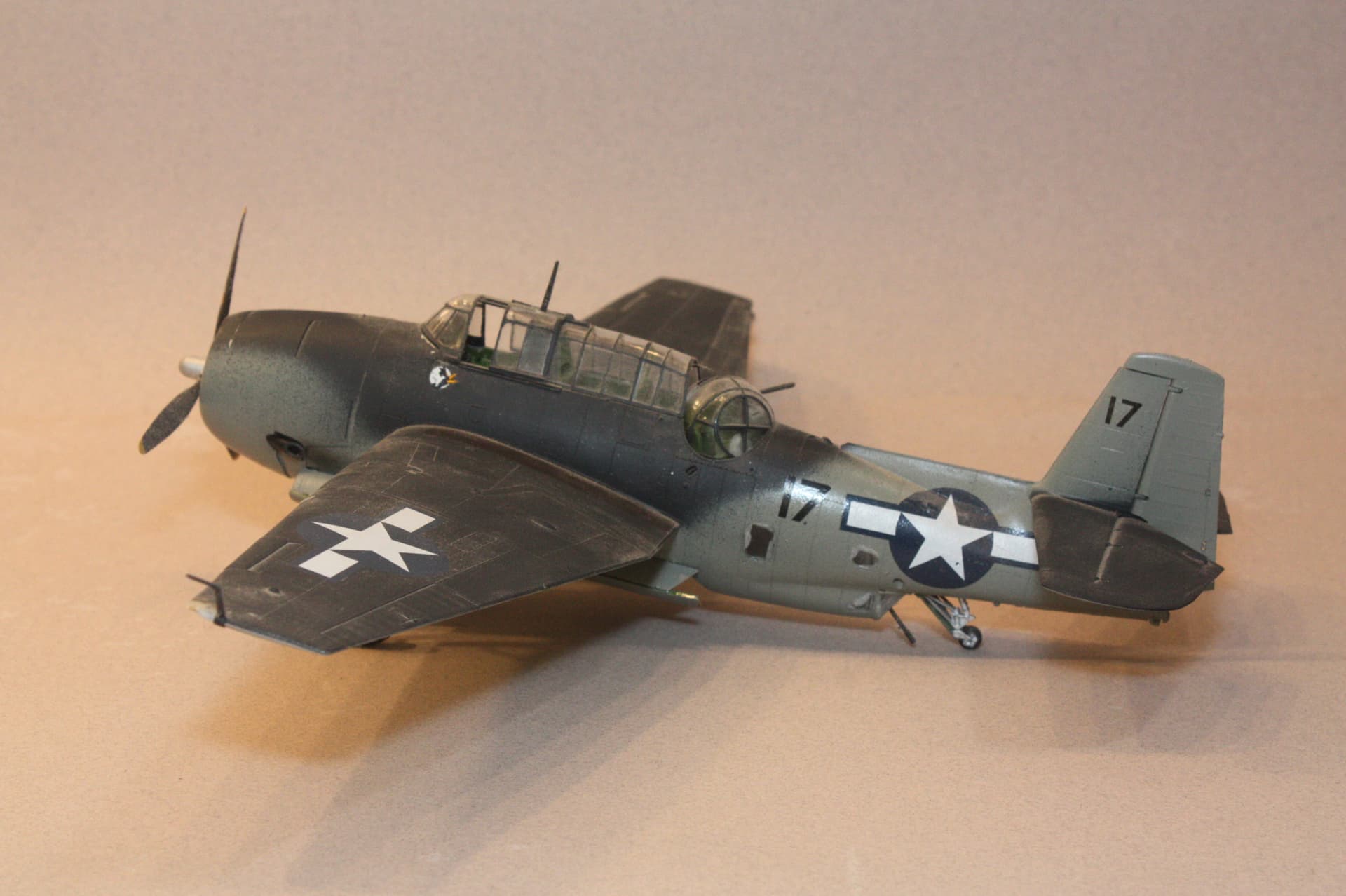
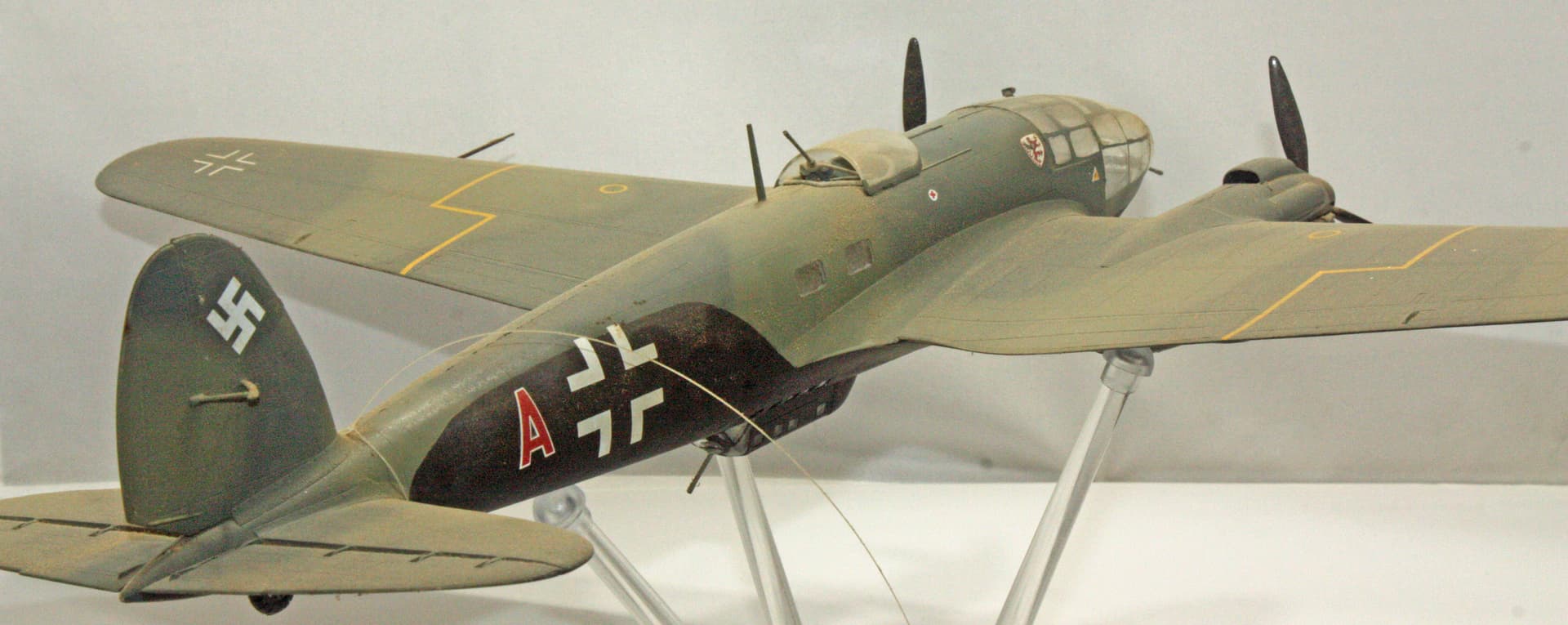
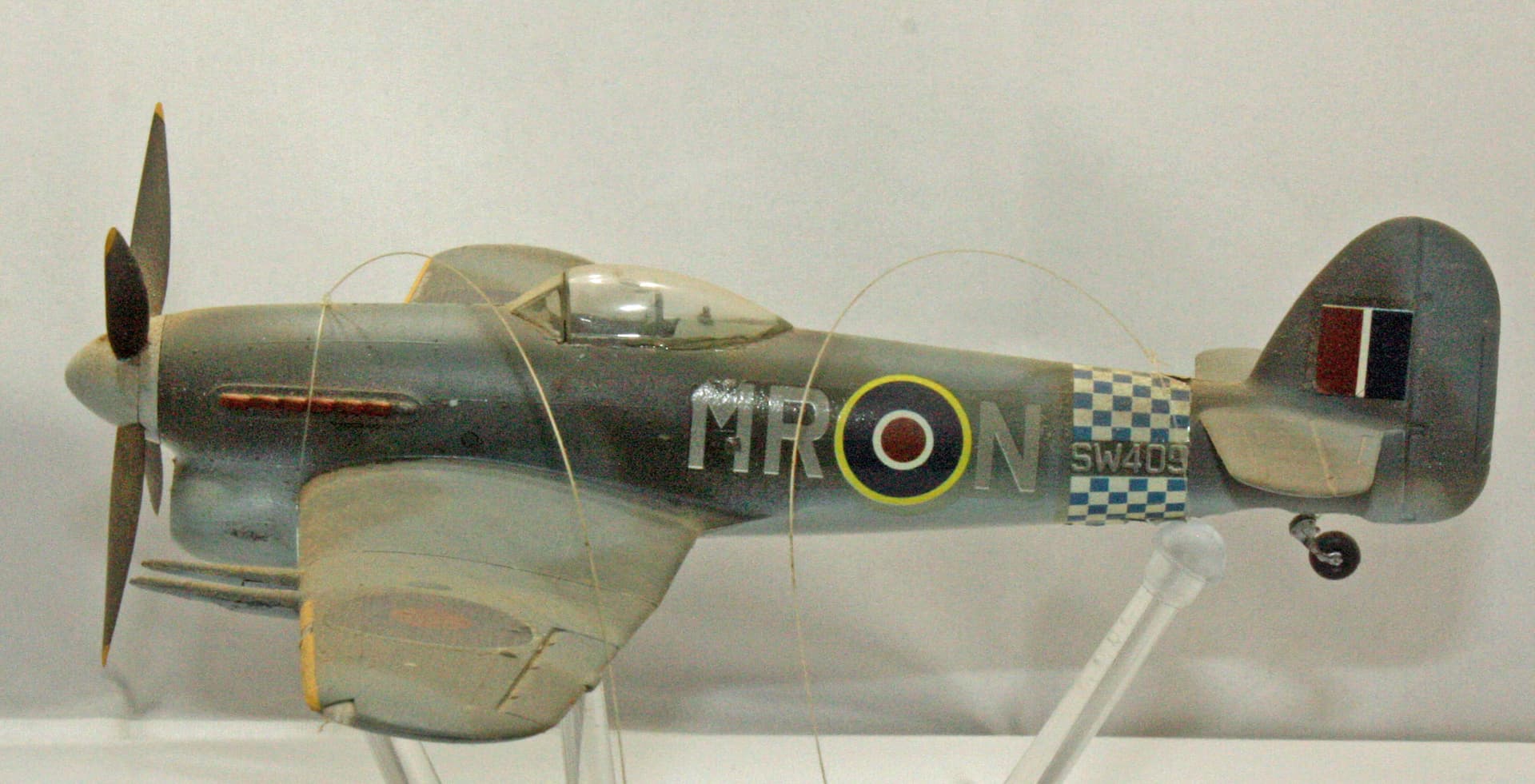
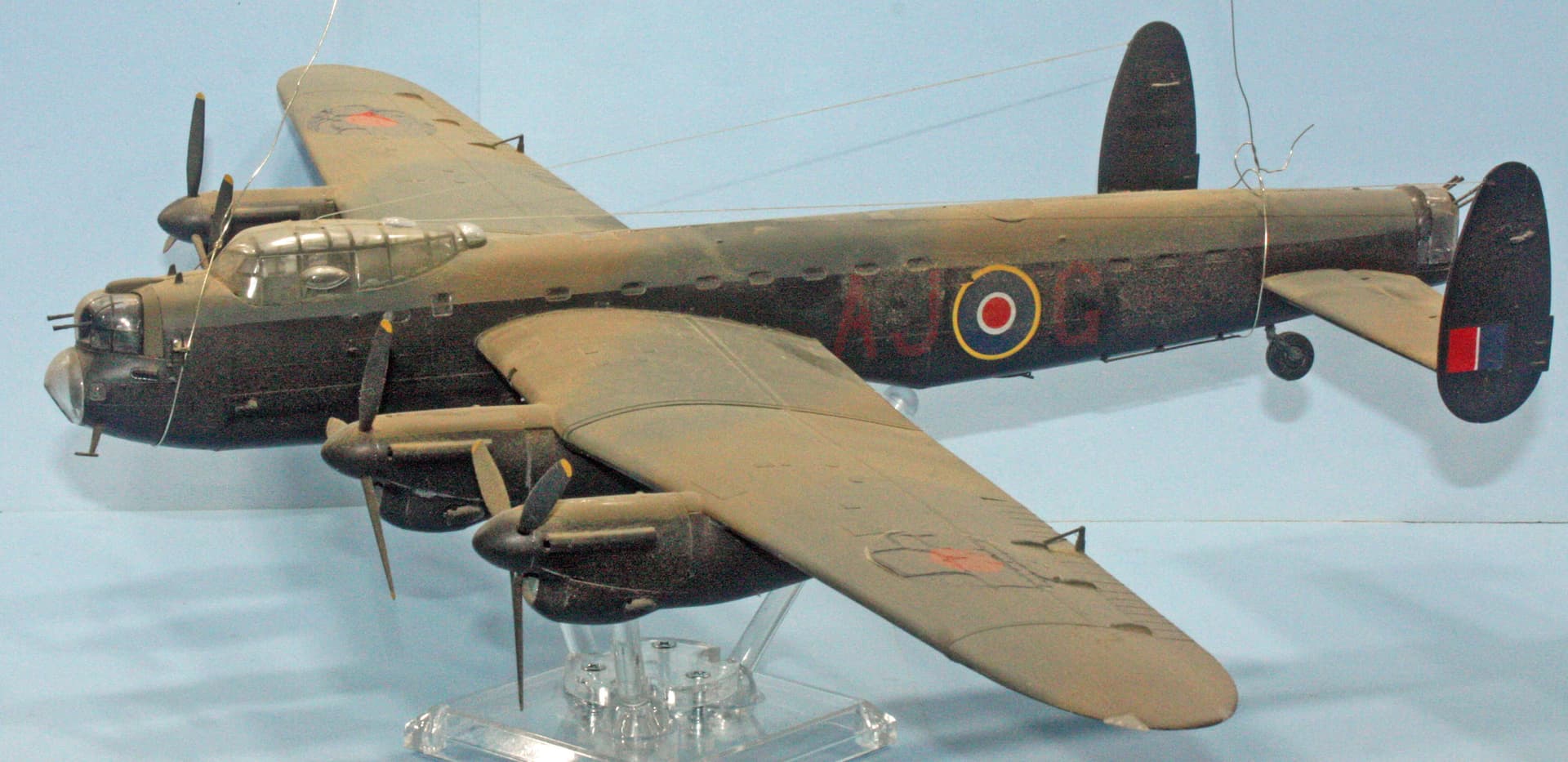
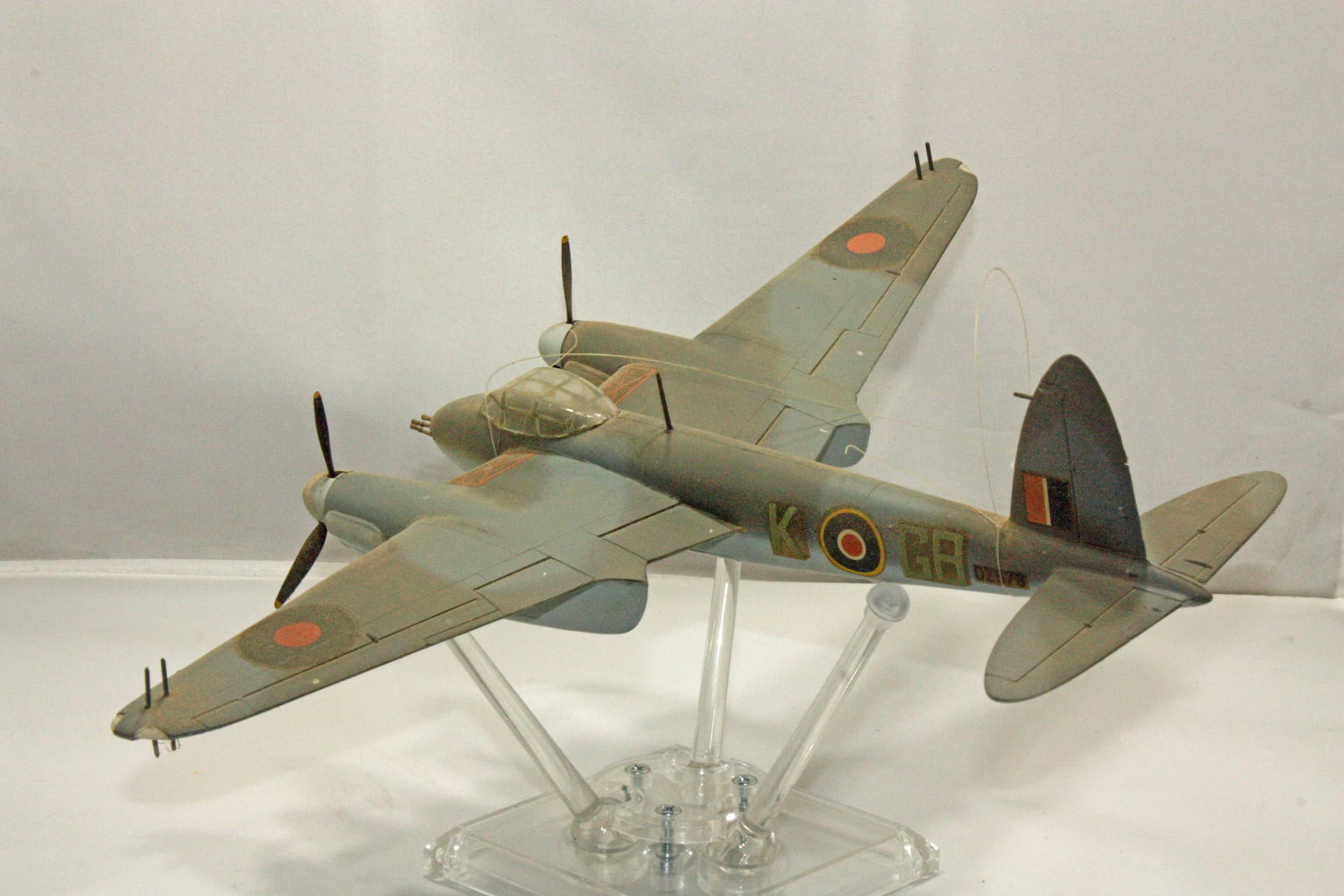
A few photos of some of the builds I did with these Aztek airbrushes.
3 Likes
I had the Aztek way back and found the trigger mechanism kinda clunky. The quick change nozzles were a nice feature.
2 Likes
Is no one going to mention the elephant in the room? Testors discontinued the Aztek airbrush line years ago now. You can still find parts, but only on secondary markets like eBay now, and they are only going to continue to get scarcer. I wouldn’t pay any actual money for an Aztek now. Can you get decent results? Sure, but they were regarded as quirky and finicky even when they were in production. My advice to anyone starting out in 2026 - avoid, unless they give it to you for free. And even then, probably not.
3 Likes
Thanks for your feedback. Very informative. I’m not sure which would be a better model? The Aztek or Model Master. Both I think are double action, but I was told the Model Master brush is gravity feed and the other internal mix which requires a high psi to function. If the Model Master is gravity feed, it might be more useful and versatile as there might be more control over the psi. I do have an Iwata Eclipse, but I’ve little experience with it. I thought one of these might be a good one learn on and transition to using the Iwata.
2 Likes
I know. I’ve found some on Evil Bay. The Model Master is $50. Supposedly ‘new’. I don’t know if the Model Master came with additional boxes or if it just had one? The seller said it was a gravity feed. I don’t know if it is?I already turned down the $175 offer for the Aztek. I thought that was way too high. It’s new, but I’m not paying $175 for an Atzek. I don’t even think they retailed for that much when they were new.
2 Likes
Again, I would not waste any time or money on a marginal, defunct product like the Aztek. Little of what you may ‘learn’ from it will be of any use operating another airbrush. Practice with your Eclipse, and forget the Aztec. If you simply must have another airbrush to ‘practice’ with, buy a cheap Badger or Paasche. Or go to Harbor Freight and buy a $20 Chinese airbrush. Any of those, or nothing at all, is preferable to the Aztek.
3 Likes
To my knowledge, none of these were gravity feed if we define “gravity feed” as a top-mounted paint cup. Of the 2 of these type brushes that I owned, the paint cup attached along the side. I suppose that would be considered a siphon feed tool.
I did neglect to mention that “elephant in the room” as @MJames70 correctly pointed out. Yes, you can get them via eBay, but at the end of the day, I wouldn’t consider it a good investment. It would be better to practice with your Iwata to the point that you are more comfortable using it.
2 Likes
Personally I still have a couple of Pasche airbrushes, both single and double action ones, and one gravity fed and the other with the usual bottom arrangement.
Both have worked for me for years and still do at any PSI setting, low and high, but it also depends on the needles one uses and how fine the nozzle has to spray the paint.
I also recently bought a whole set of Chinese airbrushes at a bargain price just for the fun of it and lo and behold they have shown me that expensive ones are not always the top of the crop. Again, in three boxes I received three completely different variants of them and tried them out.
They can really compete with any contemporary and highly expensive ones produced either here in Europe or in the United States.
Comparing them with my expensive Pasche ones there are absolutely no differences whatsoever. I would even dare say that they all do an excellent job and cost me just a tiny fraction of what I did pay back in the 1990s for my old ones.
Unfortunately I cannot name them since I lost their original containing box but I can really guarantee their quality to anyone.
Of course, as a habit of mine, I always, really always thin all my paints, whether enamel or acrylic ones - I don’t use lacquer based ones - according to the producer’s suggestions but vary the amount of thinning according to my own taste as well and depending on what I am painting.
In time I have learned to always thin my paints, except maybe the newest ones by AK Interactive 3rd Generation or AMMO MiG Atom, which are already dedicated for the airbrush.
I still lightly thin Vallejo’s Model Air ones, since to my liking they are still a tiny bit on the thick side, by just adding one or two drops of Vallejo Airbrush Thinner.
Tamiya paints need more thinning when used in an airbrush, but this too depends on the pigment type contained into them, Some need more and some need simply less, but they all do need to be thinned for a much better flow.
As I stated elsewhere, I also still own a whole line of Testors Model Master Paints, mostly enamels, but also some acrylic ones and they too have to be thinned appropriately, since like Tamiya they are rather on the dense side being of a previous generation of paints. Said that though, even when thinned these paints produce excellent results once they reach the model.
In other words, they do not change hue nor intensity of color when applied, ergo are consistent with their descriptions on the glass bottles.
And since I am talking about glass bottles, or jars, I would rather prefer even for acrylics like Vallejo, AK and AMMO, if they simply could put their acrylic paints into glass bottles, just because in well sealed ones paints never evaporate nor dry. In plastic bottles instead they do indeed, especially if left unused for a longer span of time.
Of course the plastic dispenser bottles are practical because you can just squeeze a drop or two, or the true amount you need and not waste too much of it, but glass if well sealed, keeps the paints intact for a very long time.
And so here is my five cents knowledge on the matter.
I am fully satisfied with what I am working with, whether with brushes, fine and large, or simply with my five airbrushes which as long as they continue to work as they do, won’t ever be replaced.