10-4 on that Russ. It proved very successful, but unfortunately, the USAF still didn’t consider using it in mass. They still preferred the big bulky F-4. We did however provide the VNAF with several F-5s. When the North Vietnamese captured them, several were sent to the Soviet Union. They tested it against the MiG-21, which won almost all fights.
I should have stipulated that the F-5 won almost all dogfights with the MiG-21 during the Soviet’s tests. It was a very agile aircraft. In fact, it is still used as a training and aggressor aircraft by the U.S. military.
I did find a video showing the Russians testing the F-5. It is in black and white and the audio is in what I believe is Russian. Here is a link to the page:
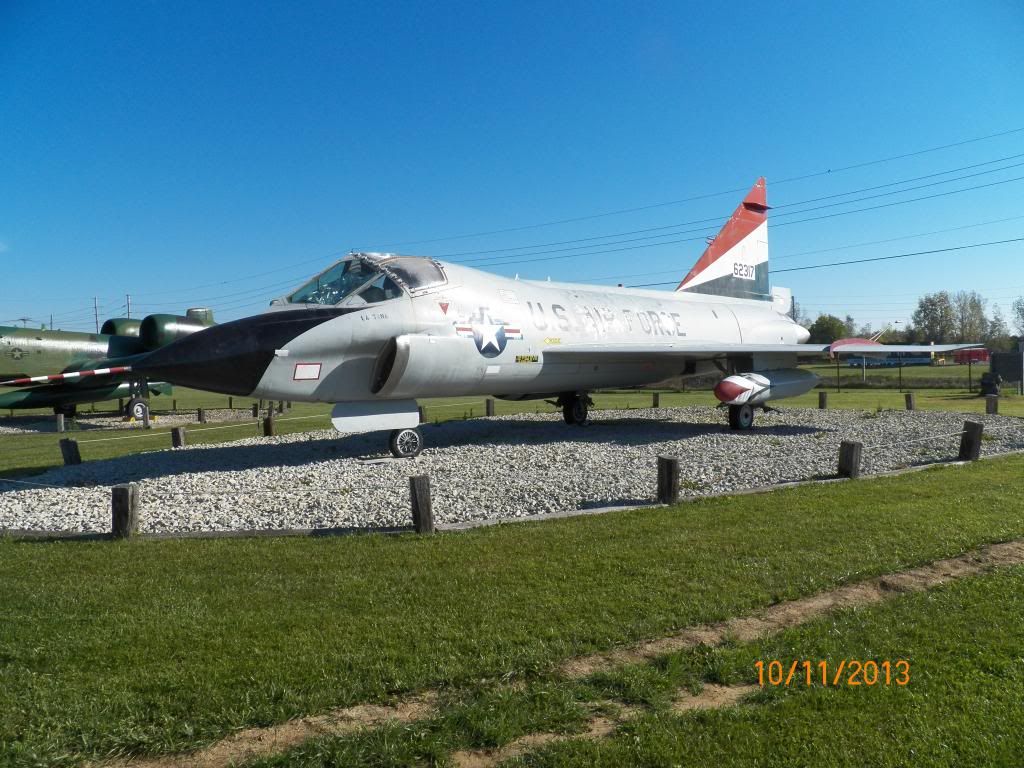
Tonight I got a couple of hours to work on my dueling F-102’s, some cutting and trimming and a bit of cheeky airbrushing. I painted internal green on one and half of the other before my feet got too cold in the garage. I’ll do some more over the weekend. Ken, I also just picked up a 1/48 SR-71, should be fun!
I don’t know if you realize it or not, but one kit is the Case X wing type and the other is the later Case XX wing type. Kit number 5518 (the one pictured on the right) is the older Case X wing, and kit number 5827 (the one pictured on the left) is the newer Case XX wing.
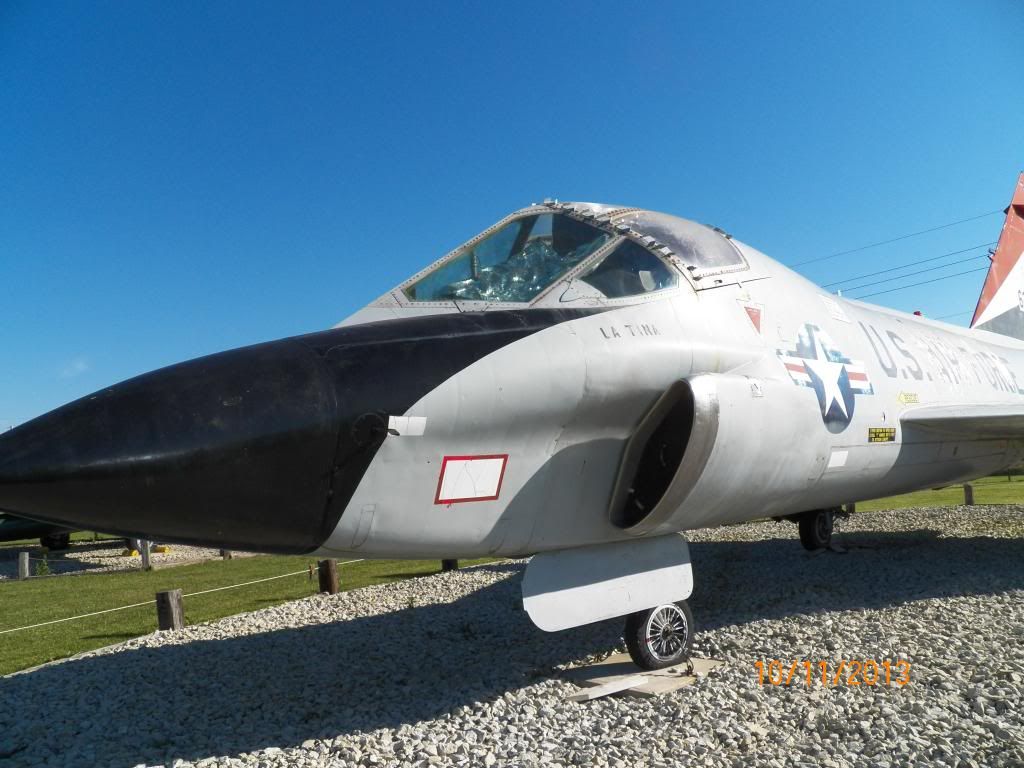
The Case X wing is flat all the way to the front edge and wing tip. The newer Case XX wing droops on the front edge and all the way to the wing tip. Only F-102 with serial number 56-1317 and higher had the Case XX wing. Aircraft with serial numbers lower than 56-1317 had the Case X wing.
That is really cool that you scored these two kits! That is also very cool that you scored the 1/48 SR-71! We can compare notes on building them!
Wow! How do you know all that? That’s awesome! I love learning all those little differences between the variants of the same plane. So interesting! Would the two ever have been seen together? Or did one kind of replace the other? I’m going to examine all the pieces today and see how accurate monogram got it!
Researching the aircraft that I am building or are going to build is my passion! USAF Vietnam era birds are my favorite subject. Hence the reason I started this group build.
Yes, both variants were in service at the same time. The Case X winged planes were never retrofitted to the Case XX wings. And the TF-102 was the same way. There were ones with each wing type.
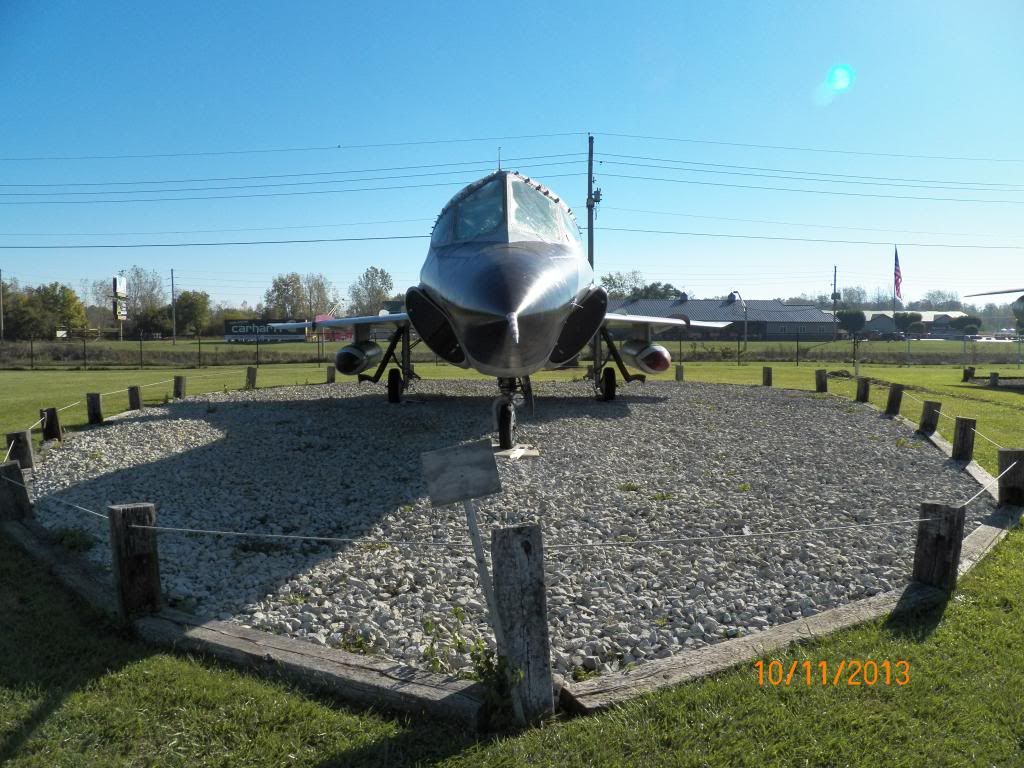
The TF-102 was different than most other trainer conversions. Instead of adding a trainee seat behind the trainer seat, they added the trainee seat beside the trainer seat. This made the front fuselage wider, and they had to reroute the intakes to the engine.:
One of my New Years resolutions?? Get off my duff and start participating again in the group builds I signed up for. So, tonight I’ll post the kits I initially identified for this build. The mandatory 'pre-build/parts still on the trees" picture is below.
Up until last night, there was no progress. On any of my kits as evidenced here:
That’s because in order to actually build a model, you need model cement and not a bottle of lacquer! (Yes, my over 40s eyes deceived me a bit!) After being away from the bench for a long while, I’ve also forgotten where I put most of my supplies…again, CRS (can’t remember…stuff?) kicking in.
Will keep fingers crossed that I actually accomplish something model related in 2014!
Great work so far everyone, thanks for inspiring me to get off my duff and DO SOMETHING![:D]
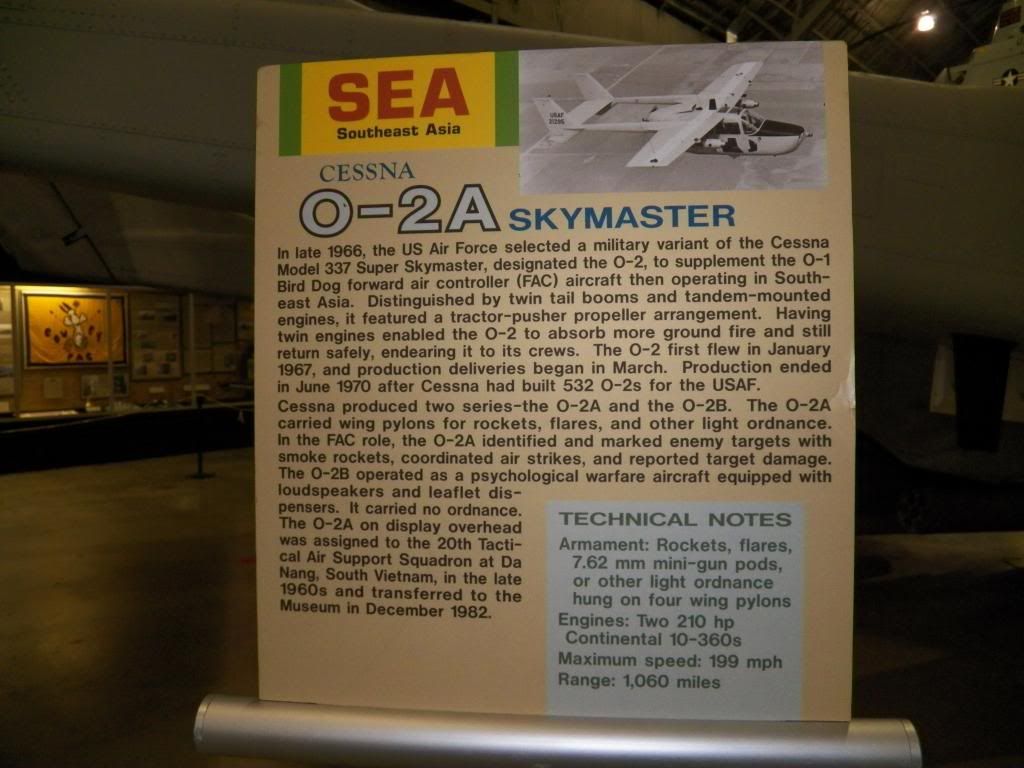
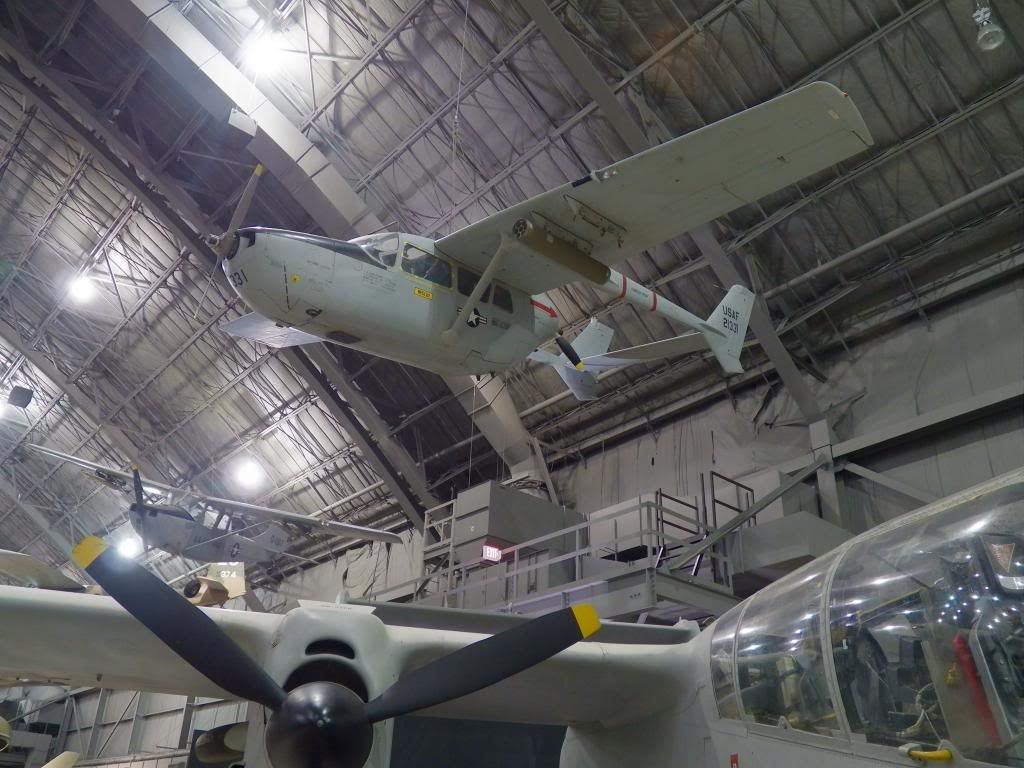
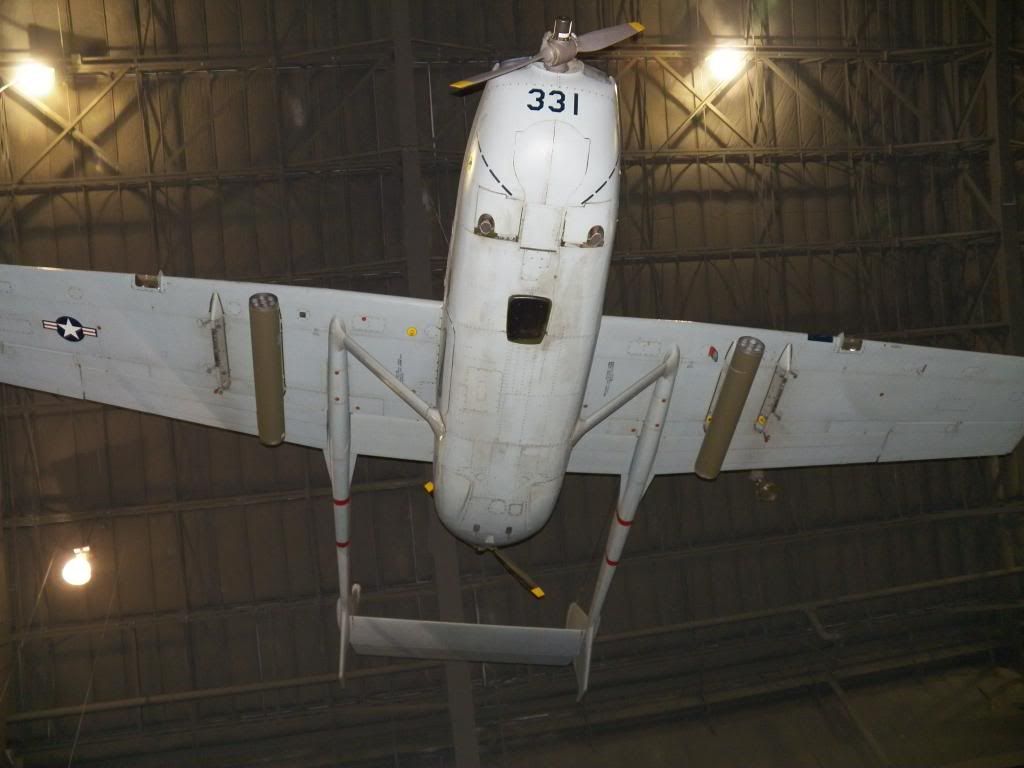
So…after I went by Michaels and located some glue, I put together the tail booms and wing in one assembly. Despite being an ancient Hawk kit, the parts went together well with little effort.
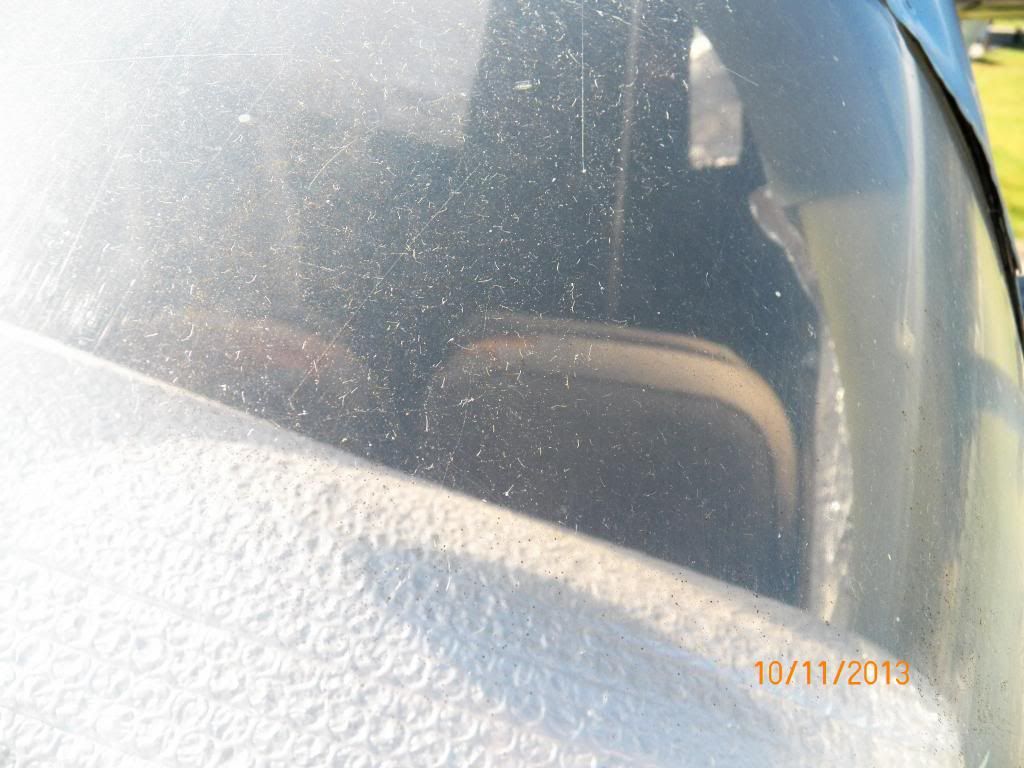
Took many of the Skymaster’s parts off the trees to see how the kit fit together with tape. Not too bad. Next glued the wings and tail booms together and attempted to get them all lined up.
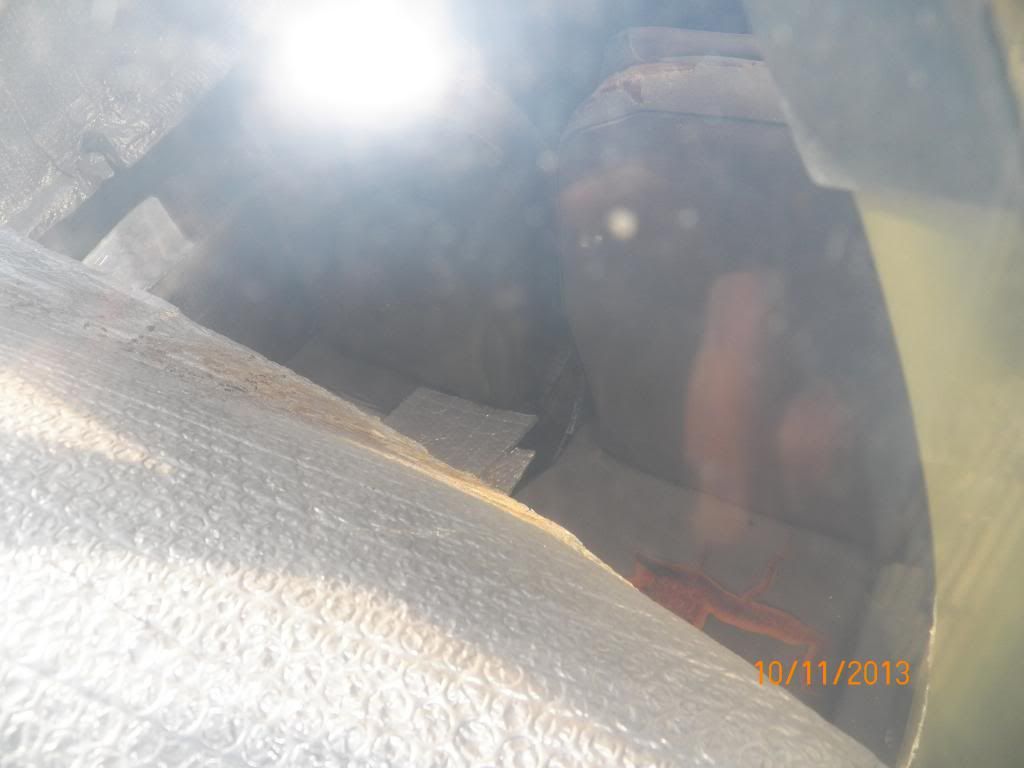
Will try to add a little detail to the sparse cabin; luckily there’s lots of pictures on the Internet for ideas and reference shots of the instrument panel, gun sight, and rear radio rack…Put the kit window decals in place along the right fuselage and on the top wing. Will hopefully cut out openings for the clear window parts tomorrow night. We’ll see…
Very cool Tal Afar Dave. Yes, I have not seen any aftermarket cockpits or parts for the Testors O-2 kit. So any improvement will have to be scratch built.
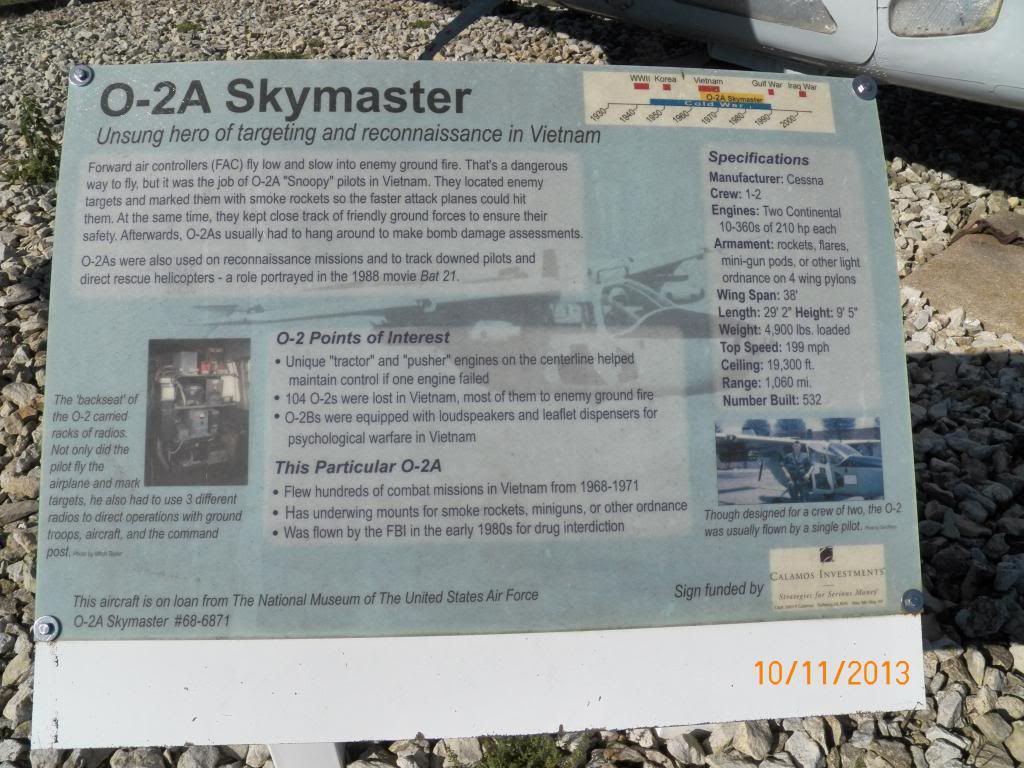
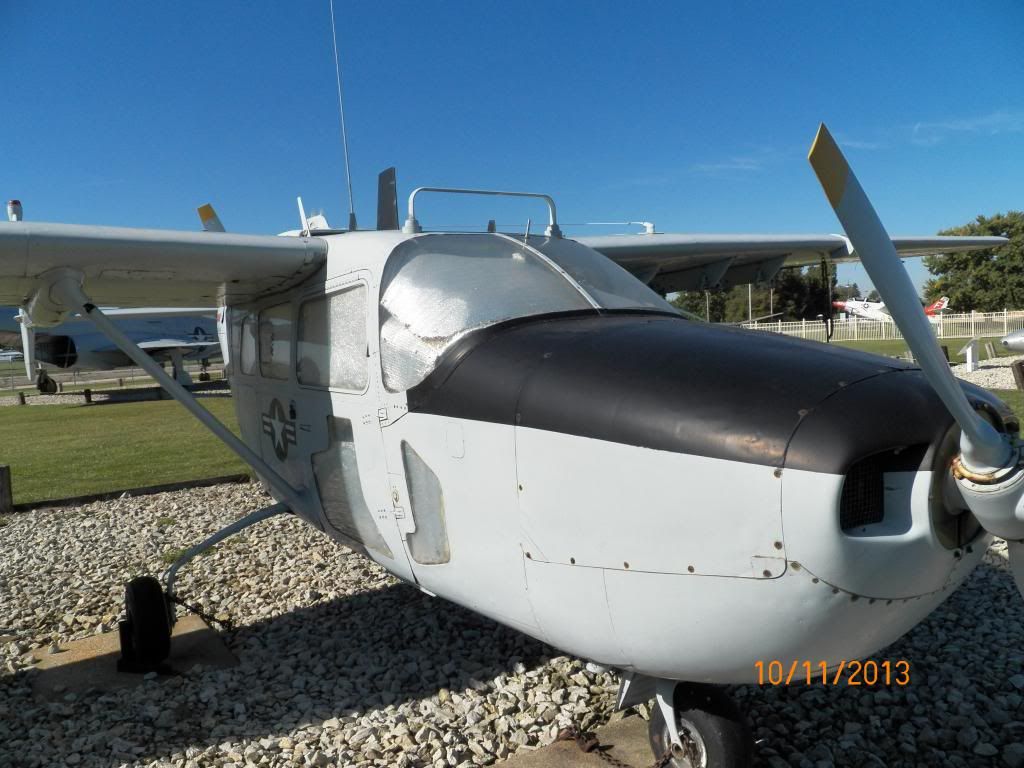
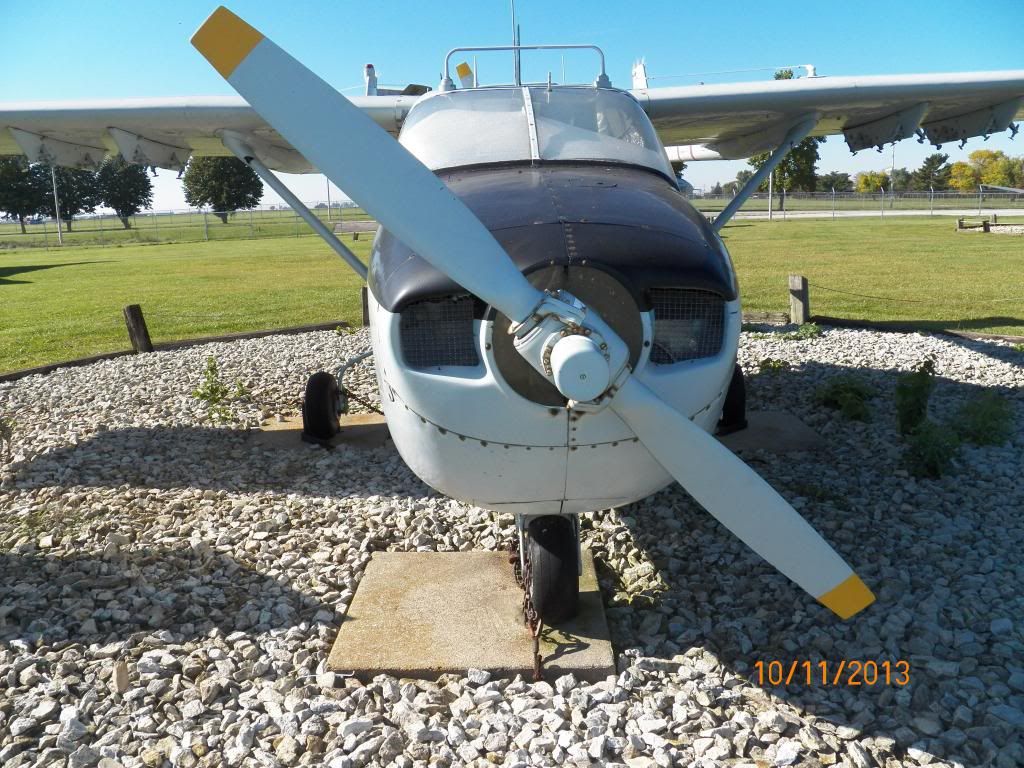
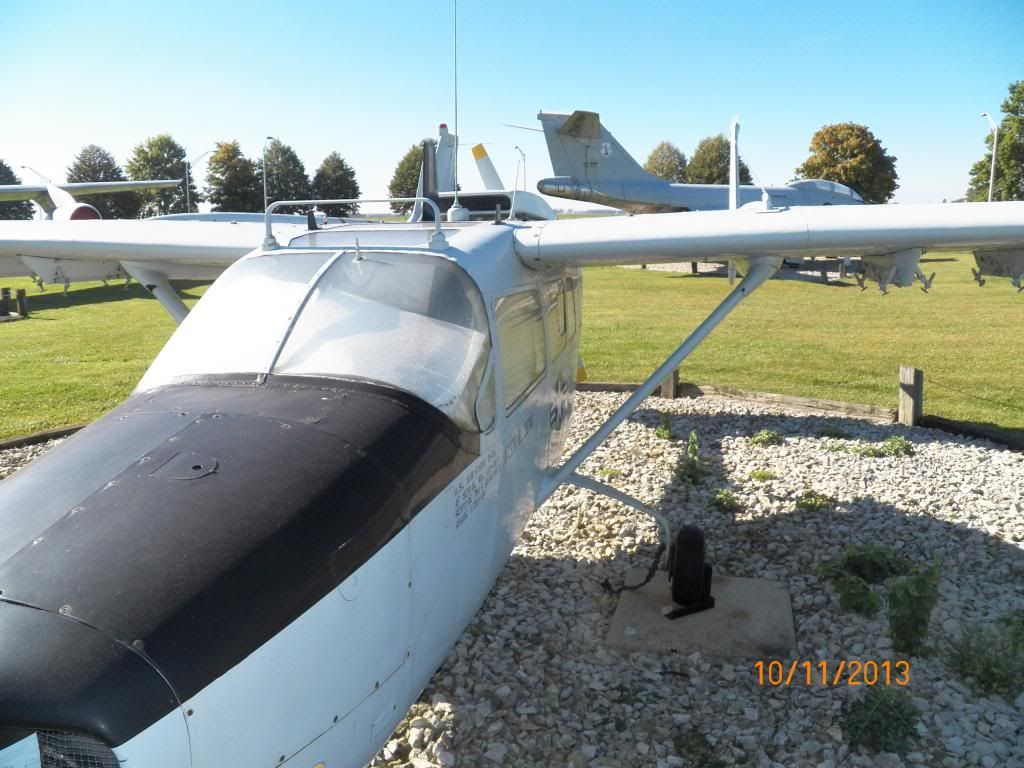
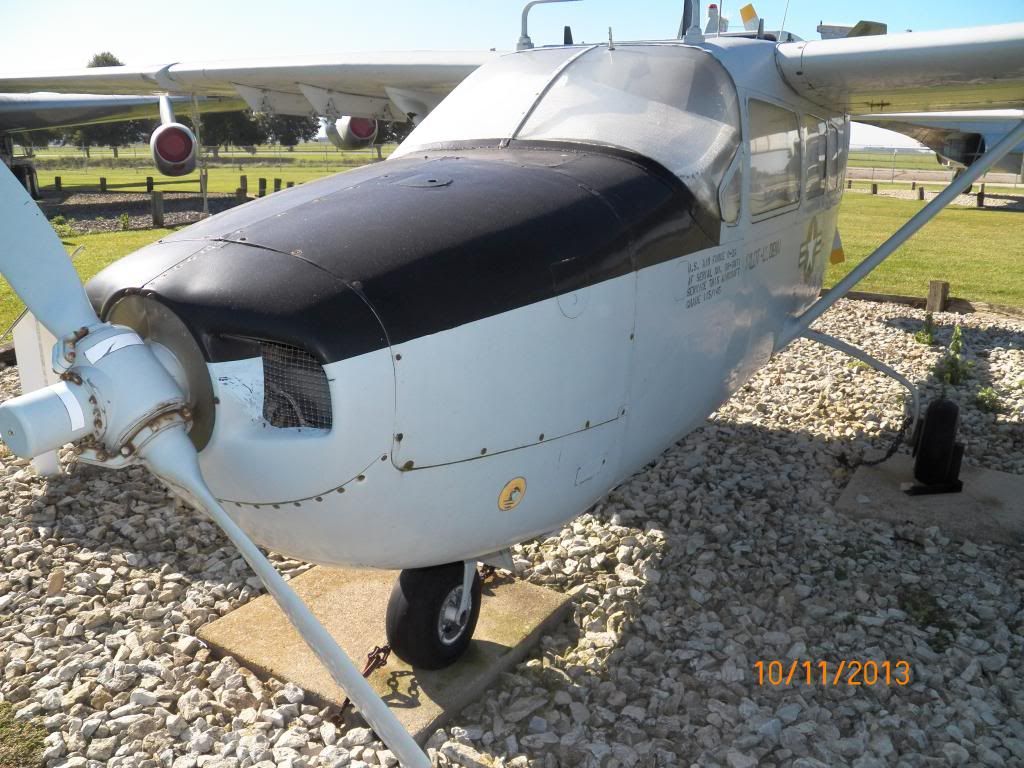
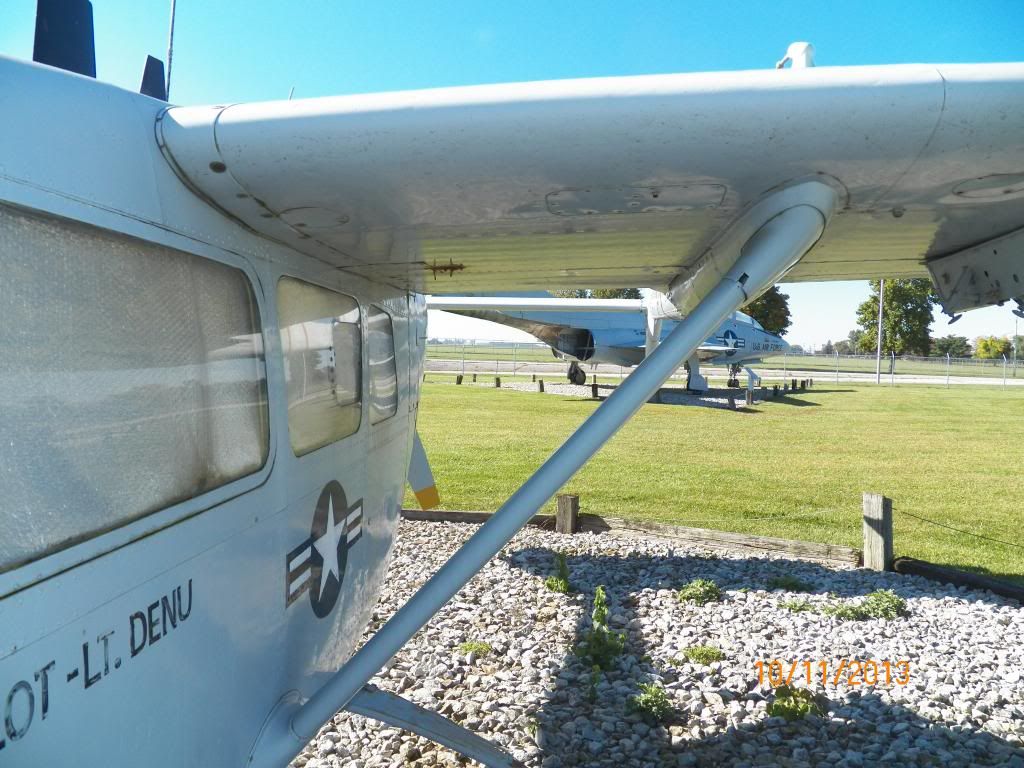
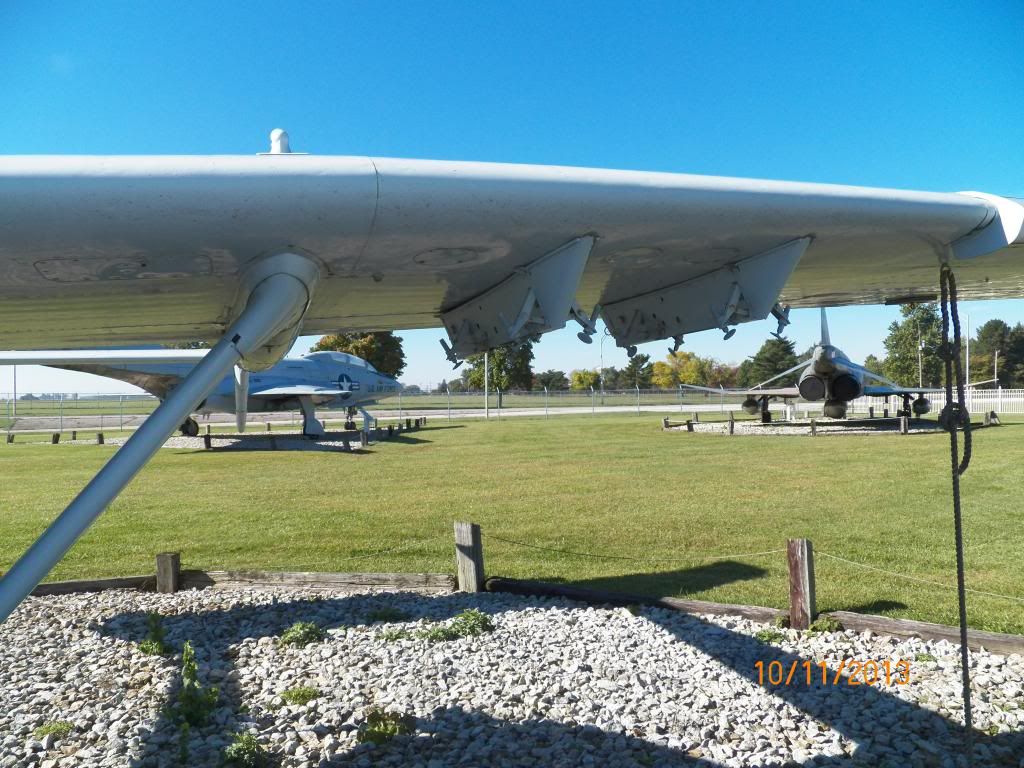
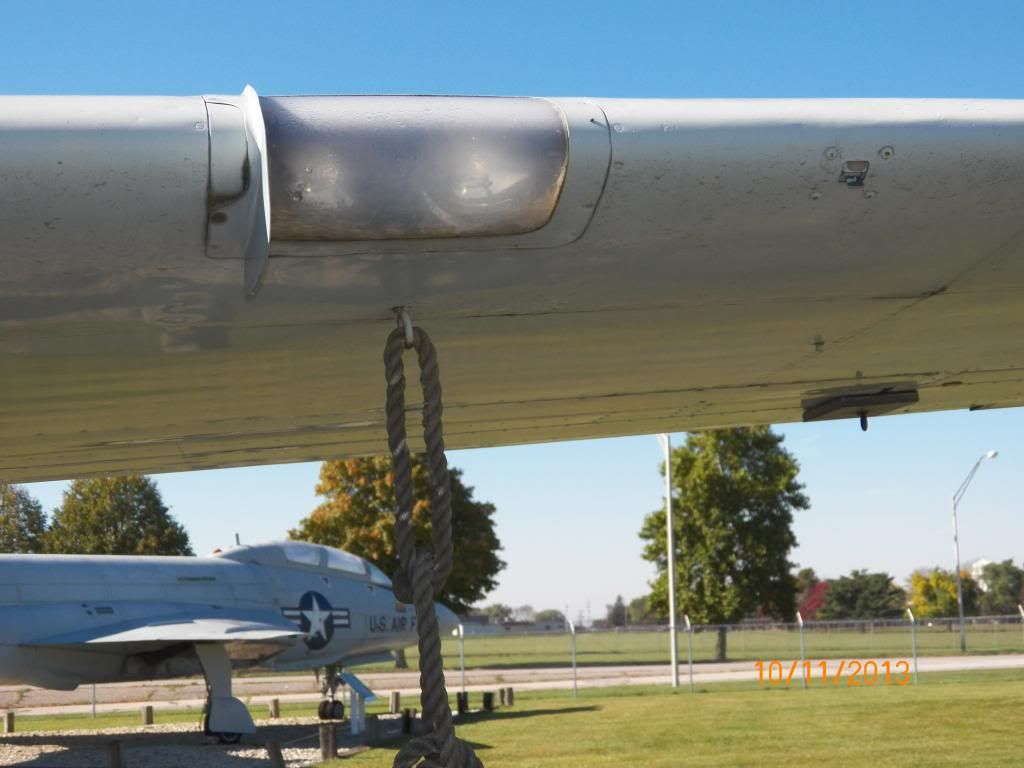
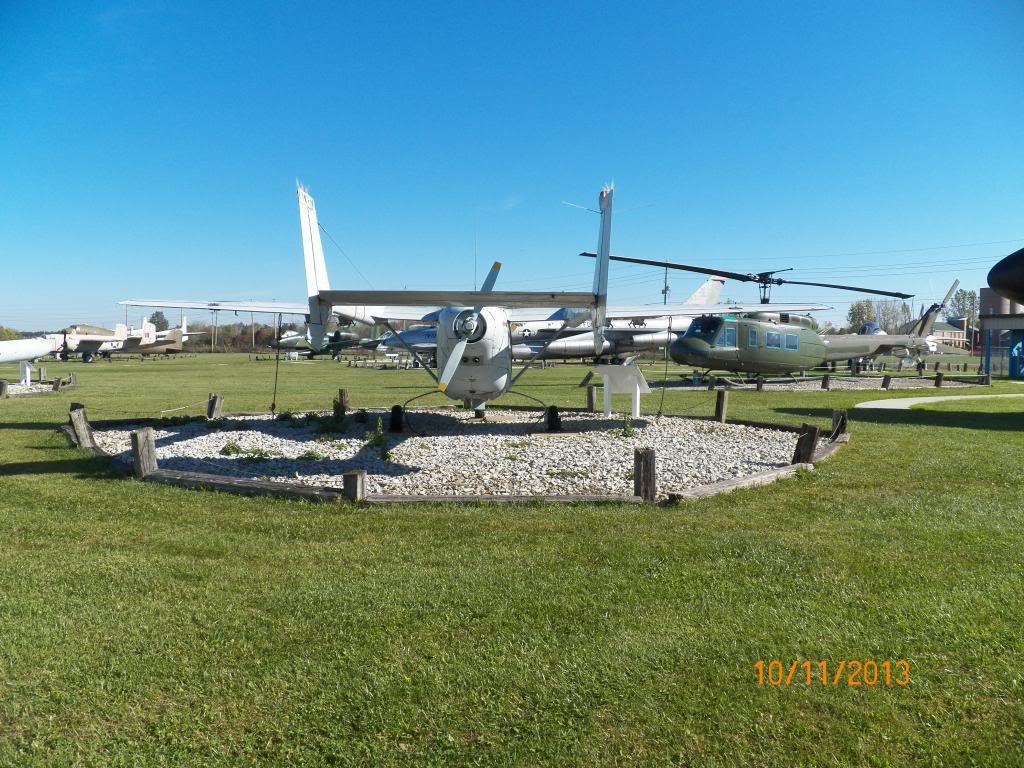
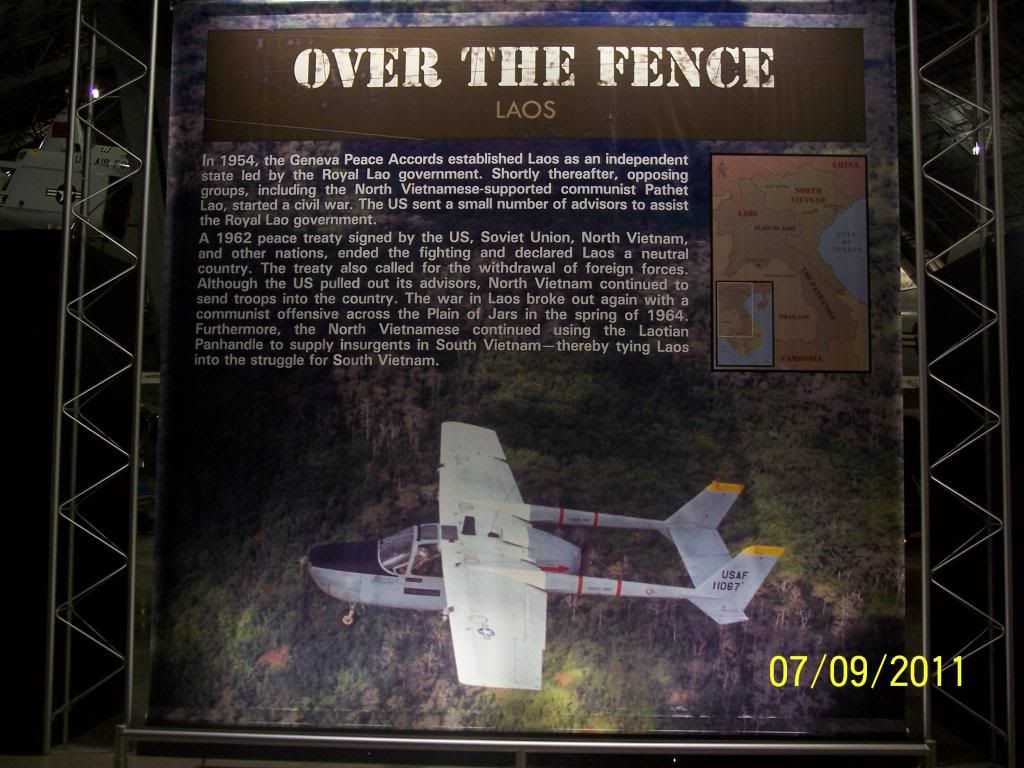
Unsung hero is right! They were right in the thick of it. They flew low, unarmed and with very little protection from small arms fire. The only thing that gave them any advantage was luck. If I remember correctly, the aircraft had a pilot and a communications operator/spotter.
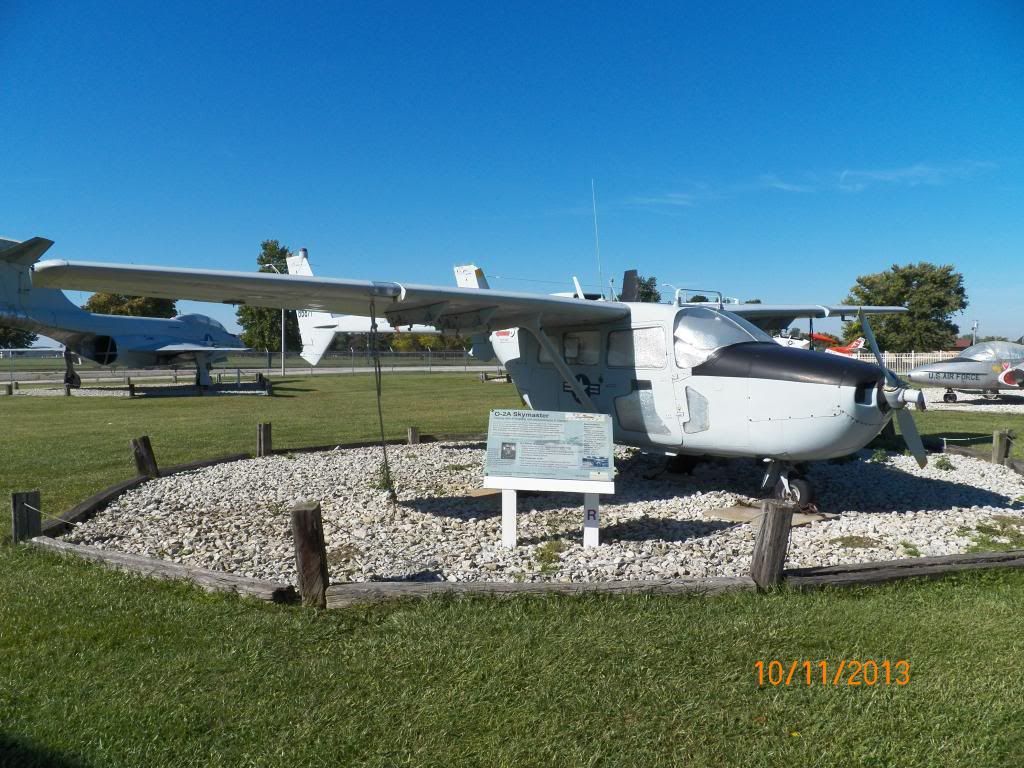
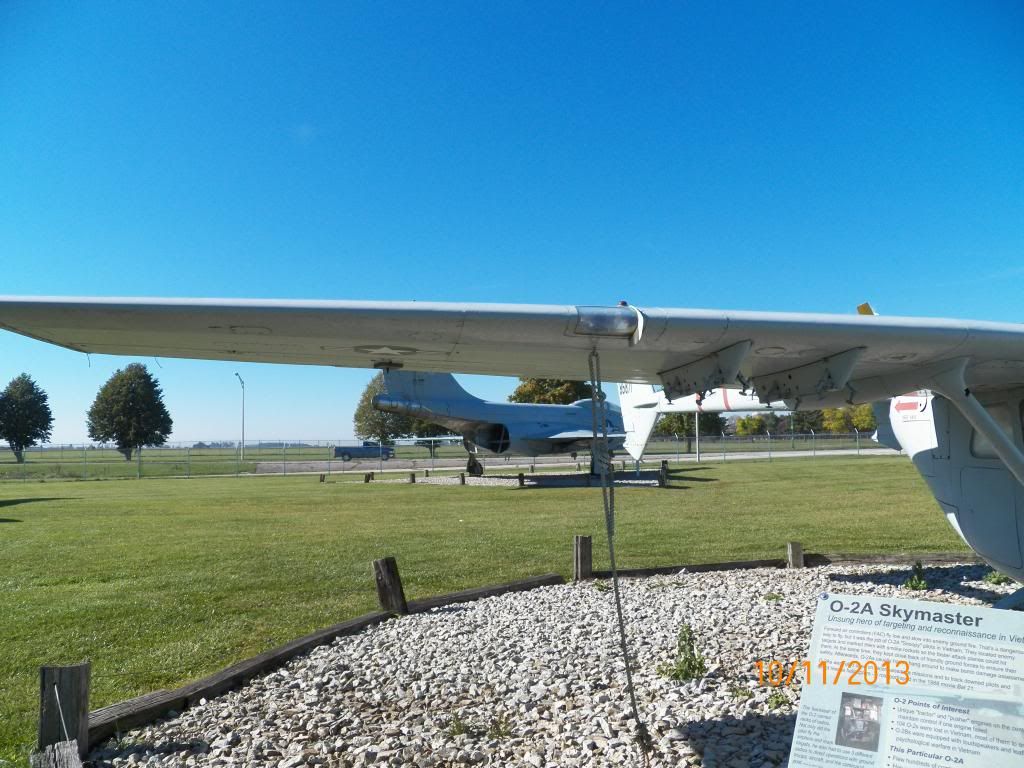
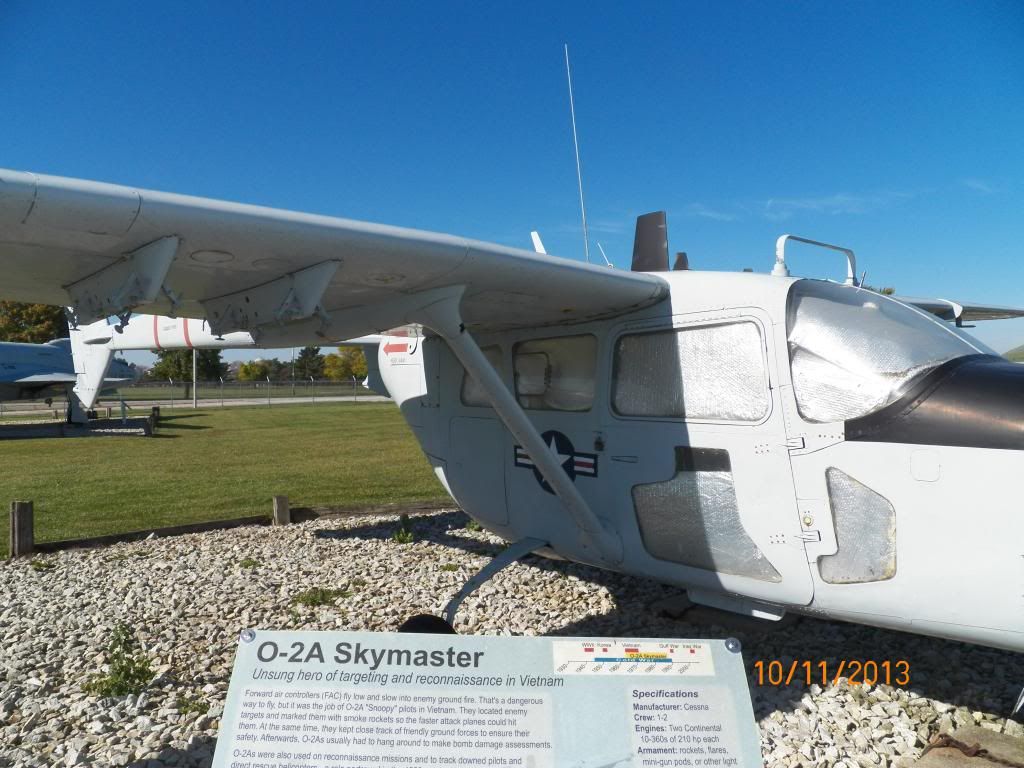
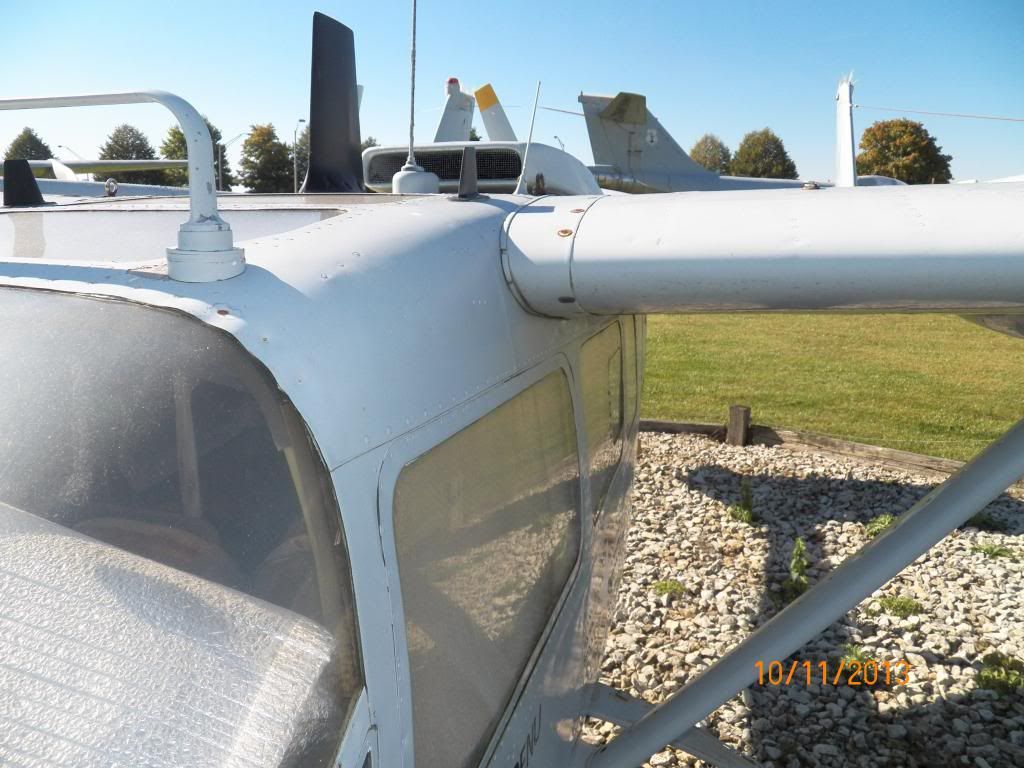
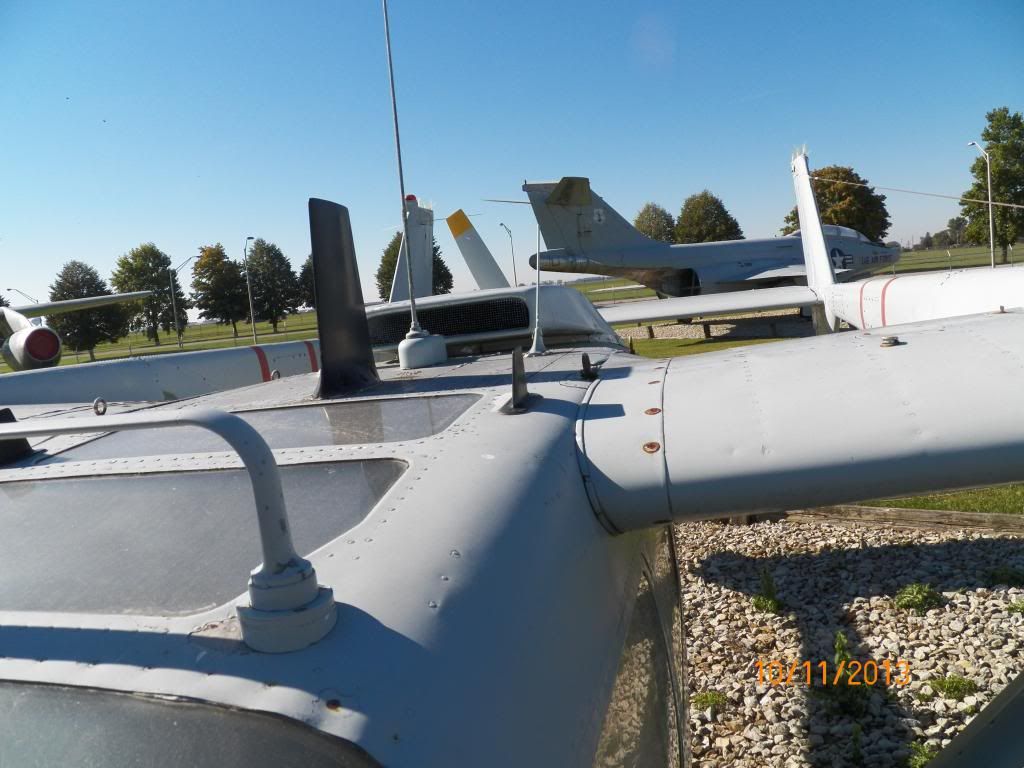
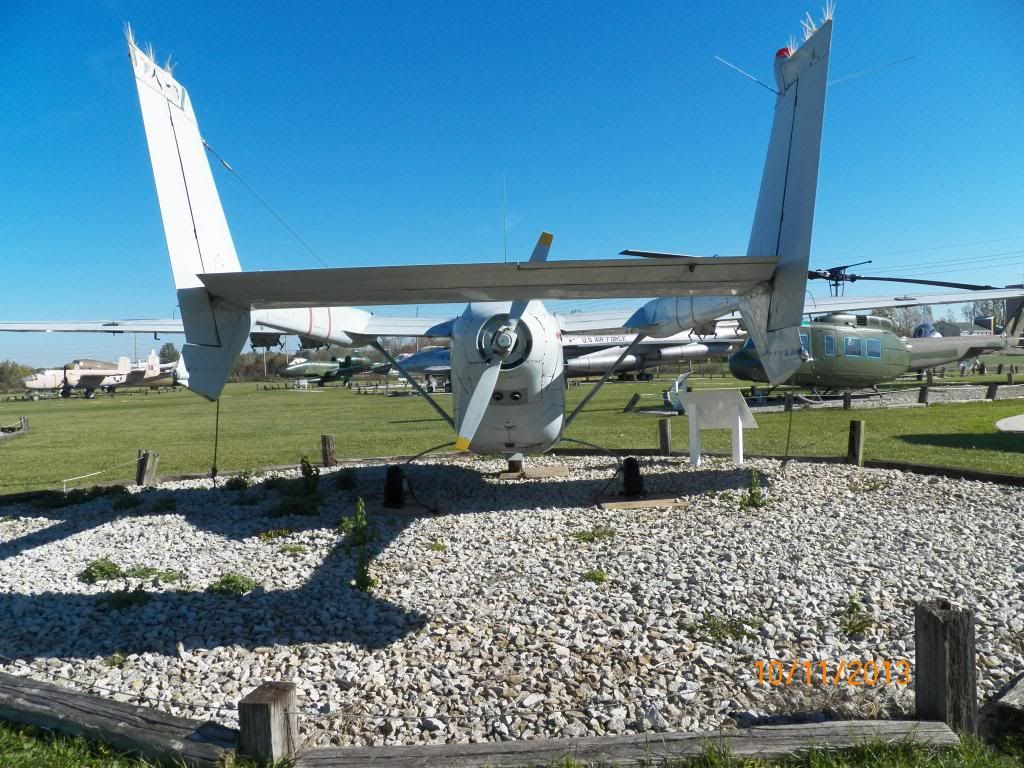
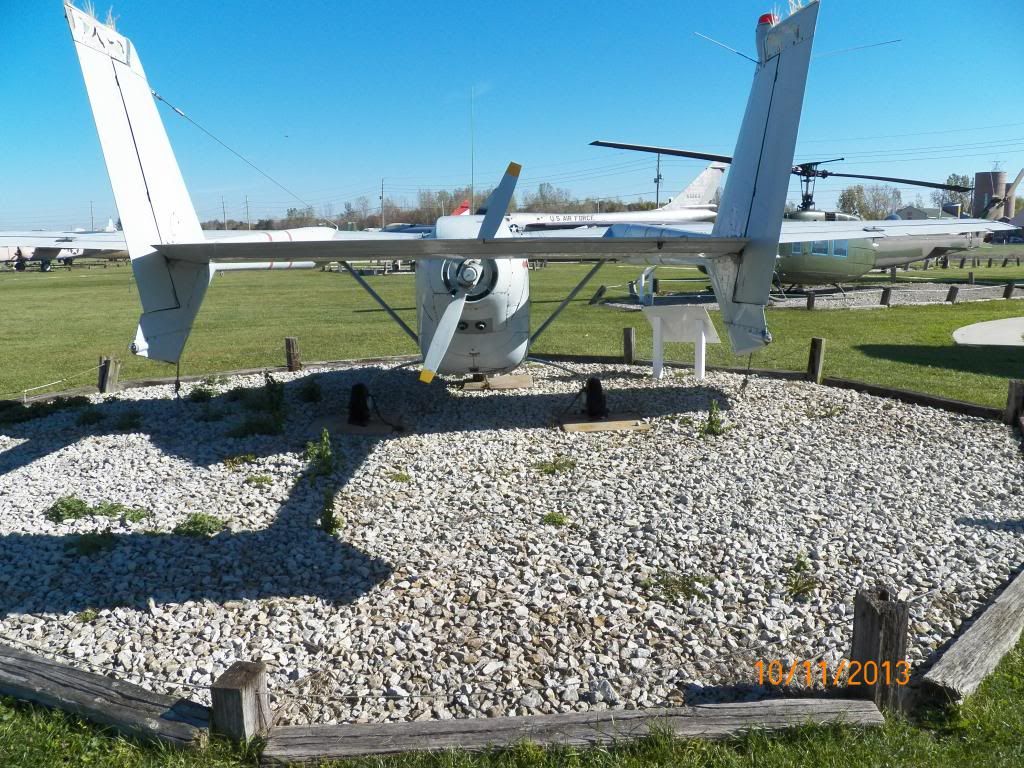
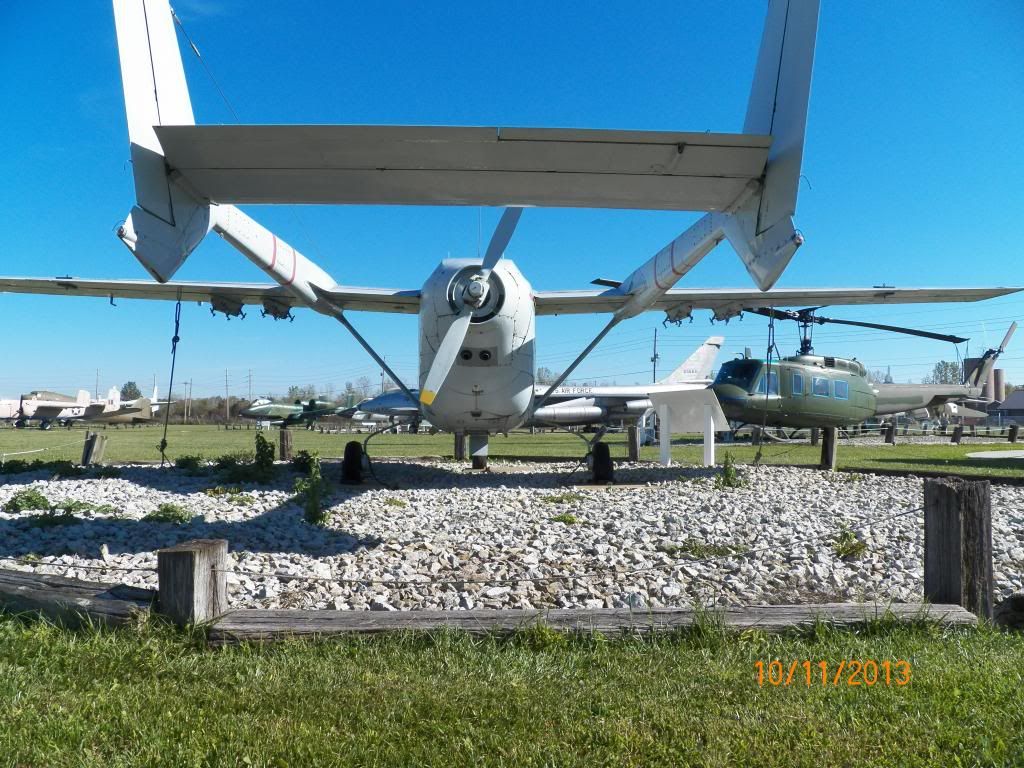
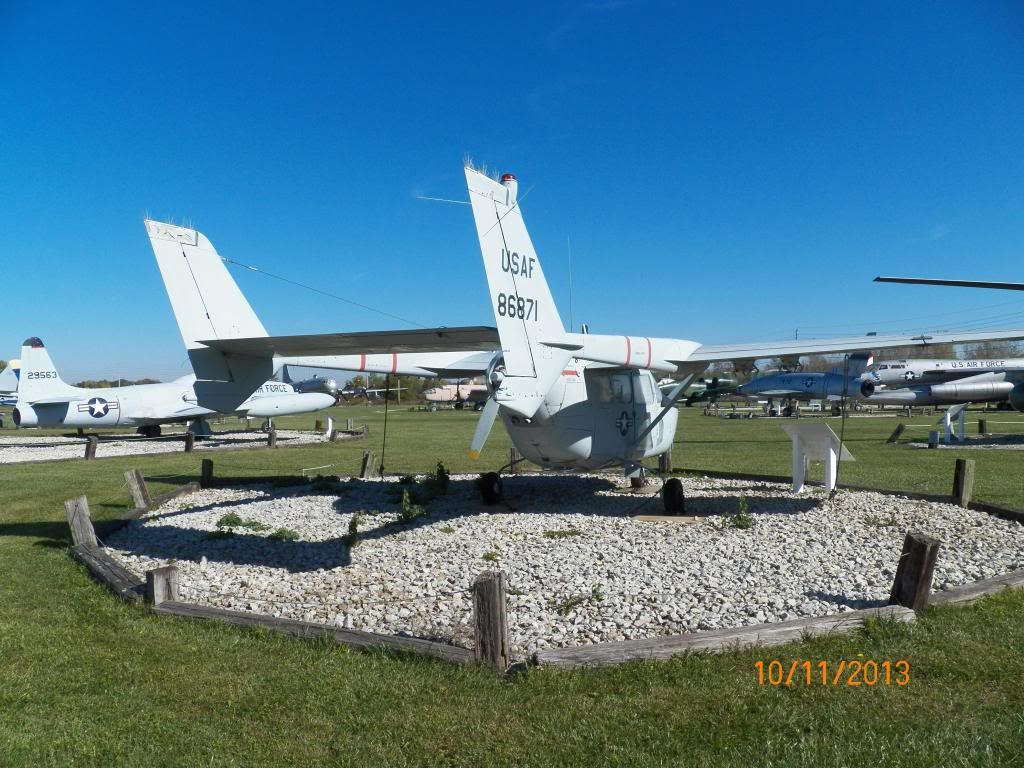
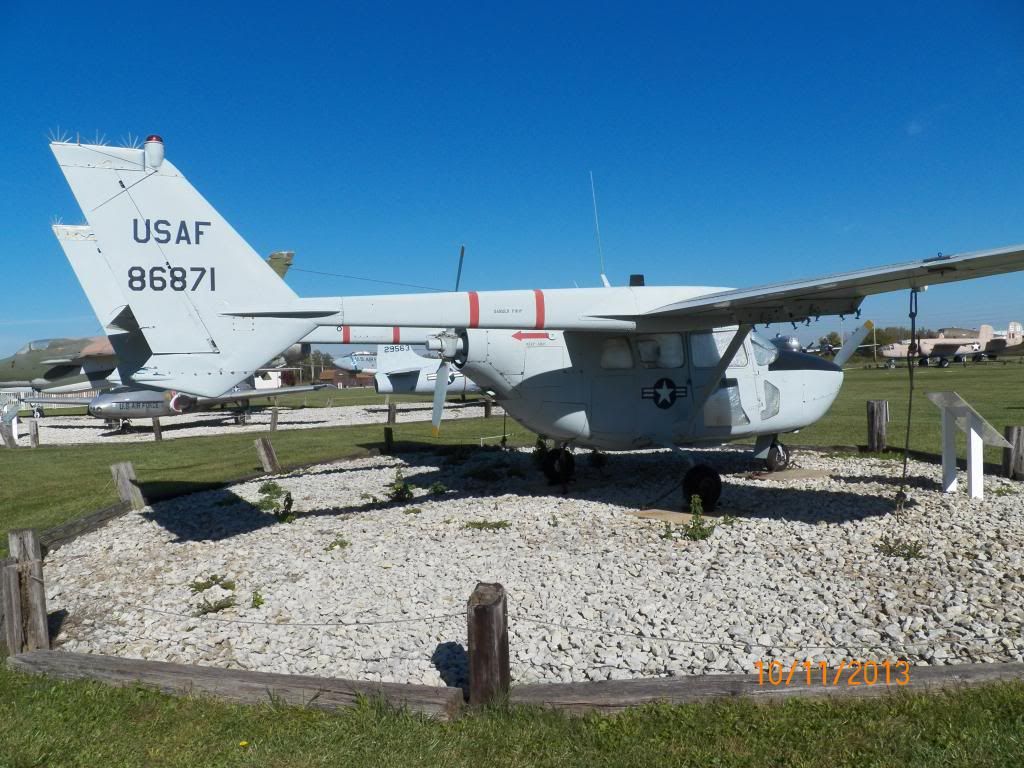
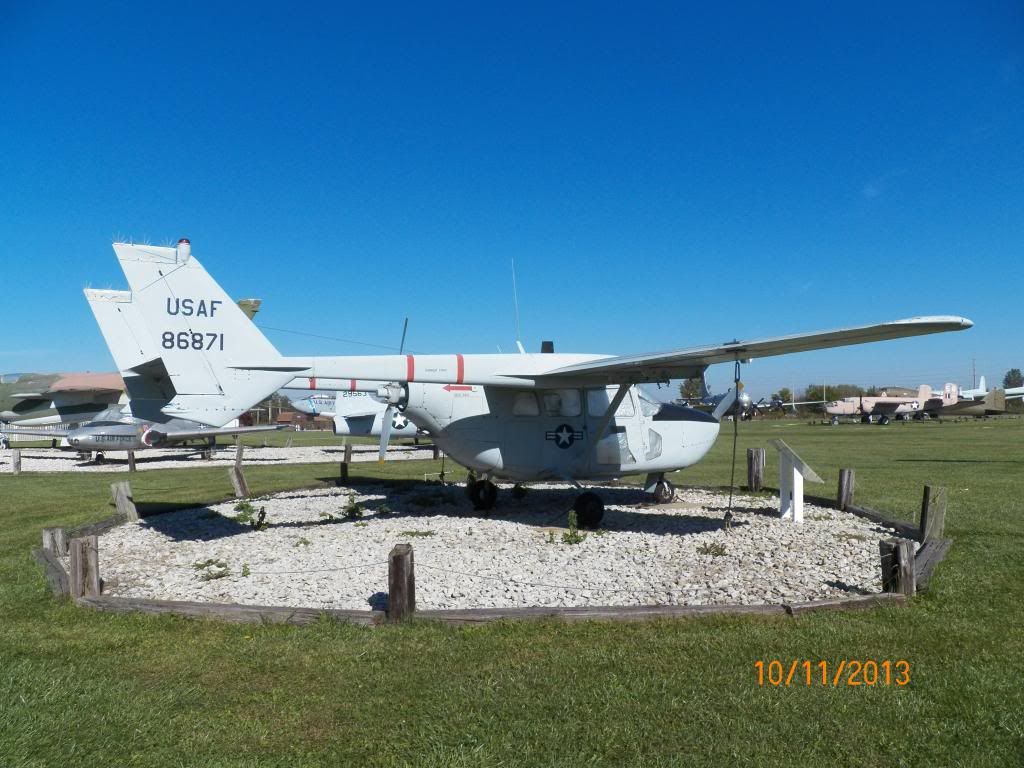
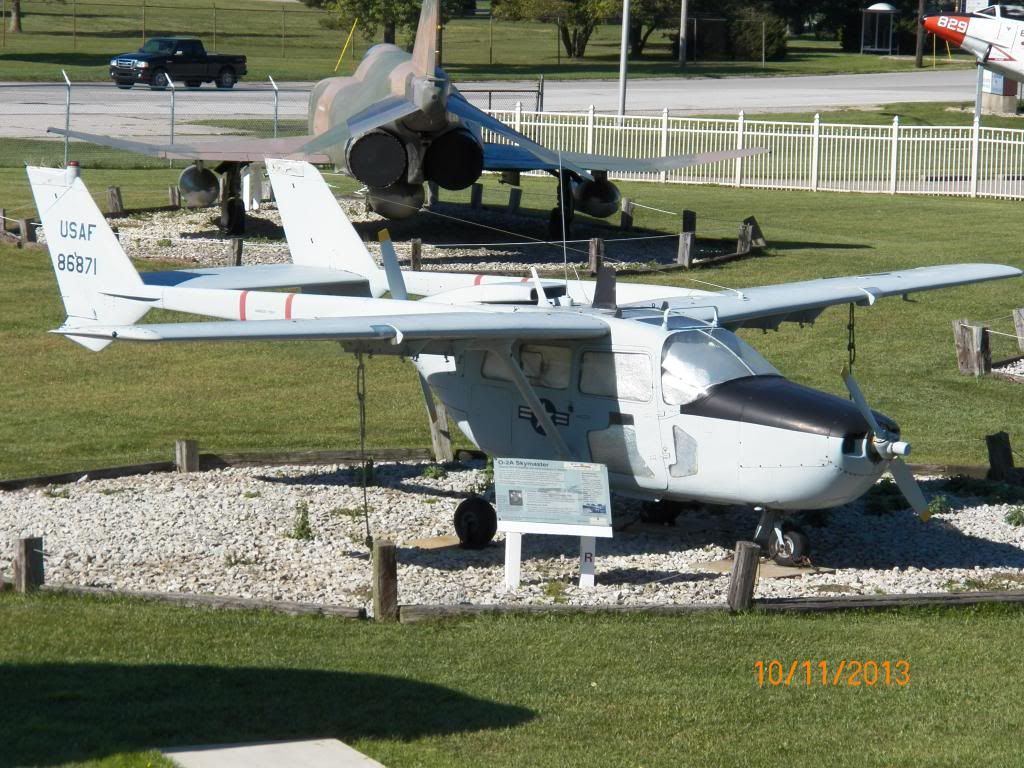
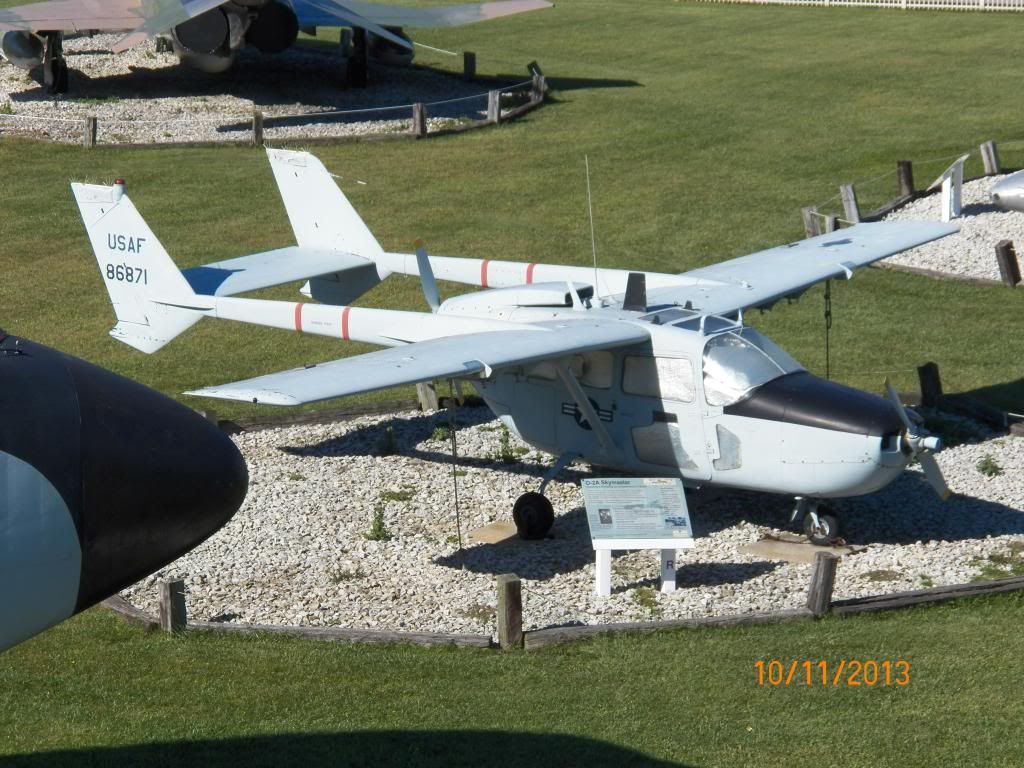
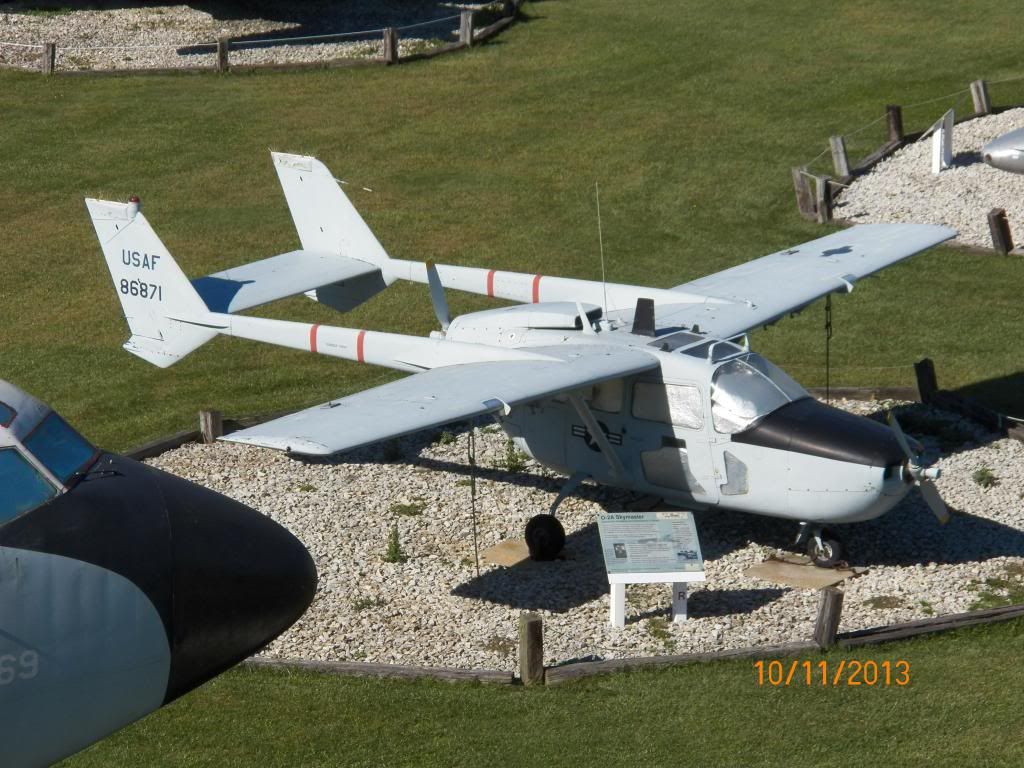
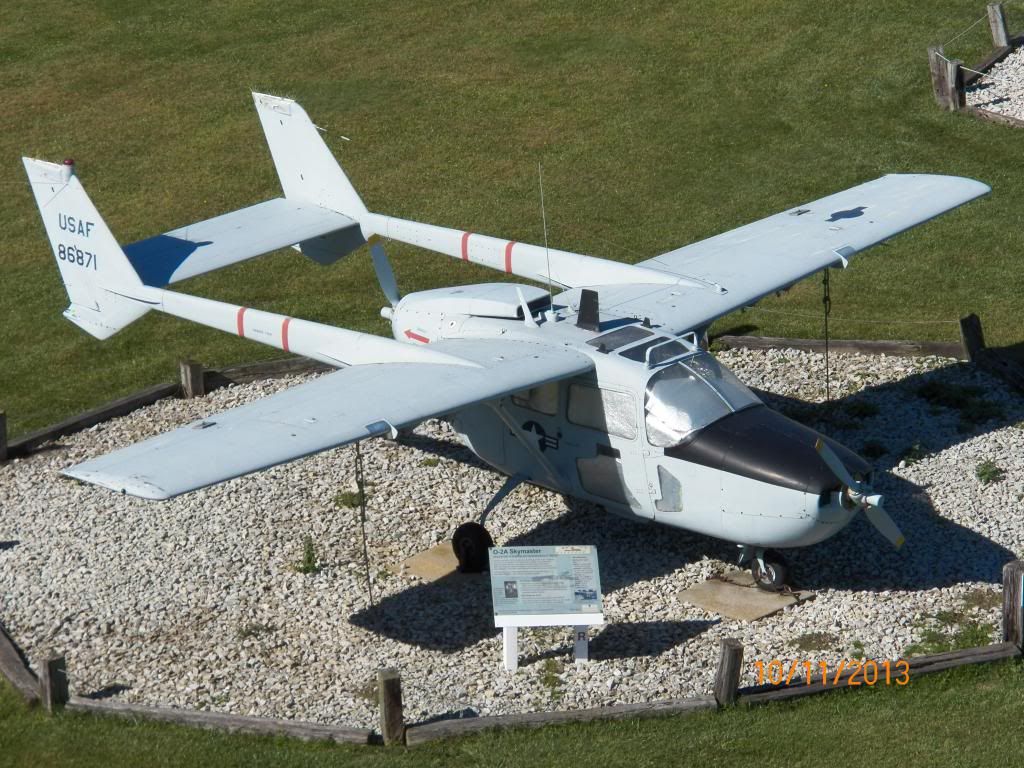
The bird was full of radio gear - note the antenna farm on top. The wire from the left wing to the tail is the HF radio antenna. This was a high-frequency radio used for long distance communications - you can talk to someone on the other side of the world with it if conditions are right.
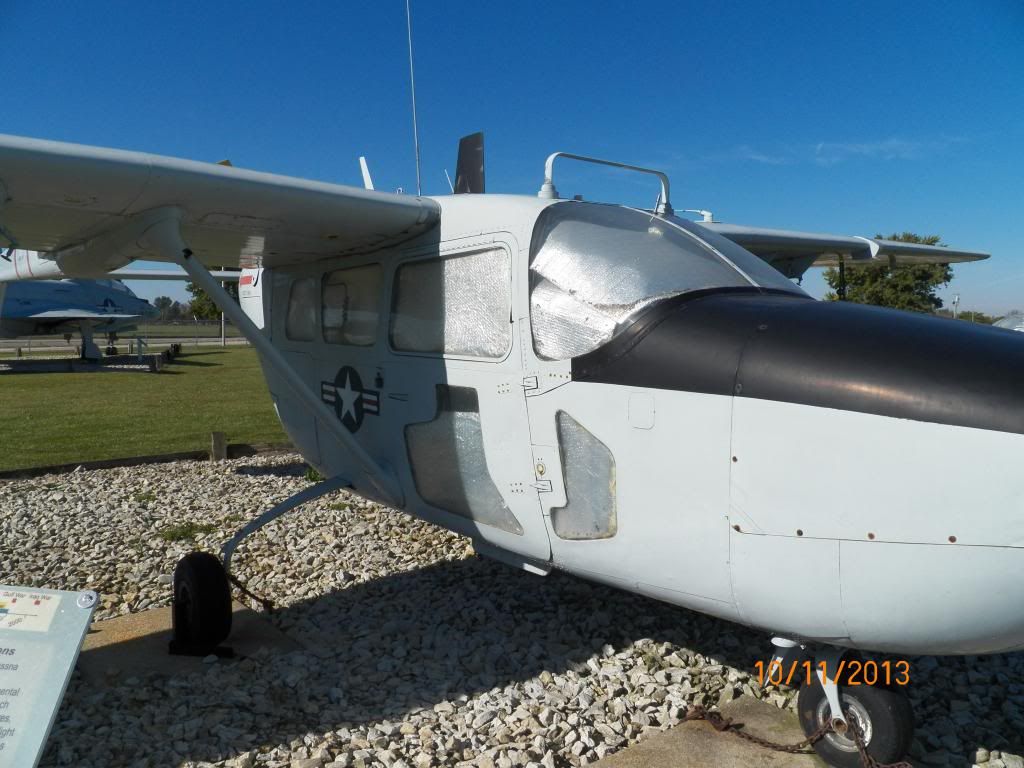
The big whip antenna in the middle rear and the smaller one to the left rear were for communications on very high frequencies (VHF). The big blade antenna in the middle was also VHF probably for some special comm frequency; the smaller slanted antenna in the right rear could be VHF or UHF. The four smaller blade antennas were ultra high frequency (UHF) radio antennas used for navigation and comms. It looks like there may even be UHF antennas embedded in the tips of the vertical stabilizers.
The “handle bar” above the front windshield looks like some kind of direction finding antenna, possibly for locating targets.