Another Normandy Scenario (WN48 Longues-sur-Mer Battery)

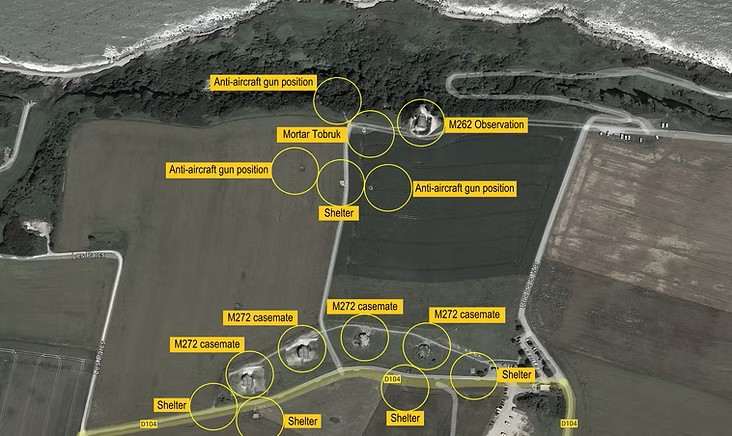
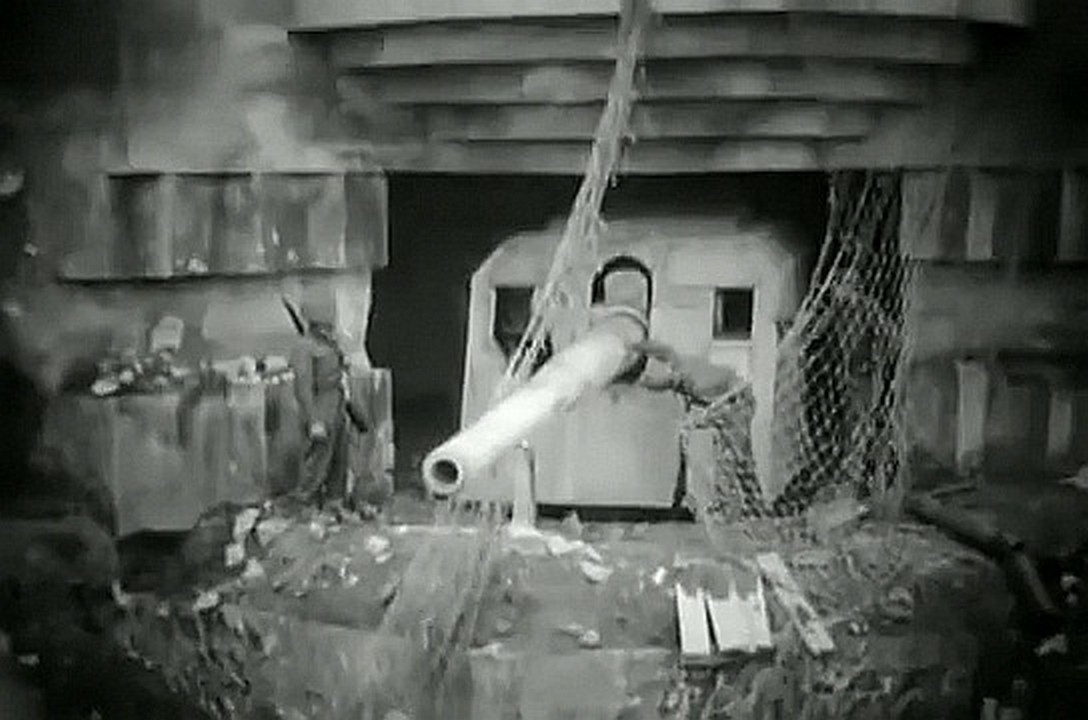
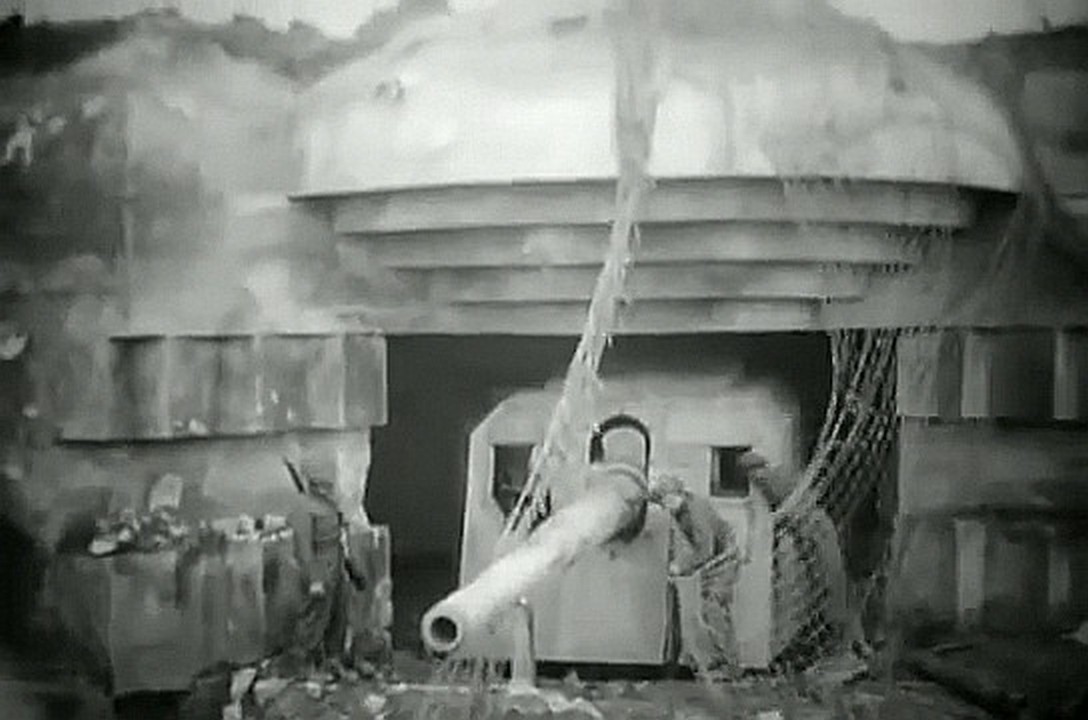
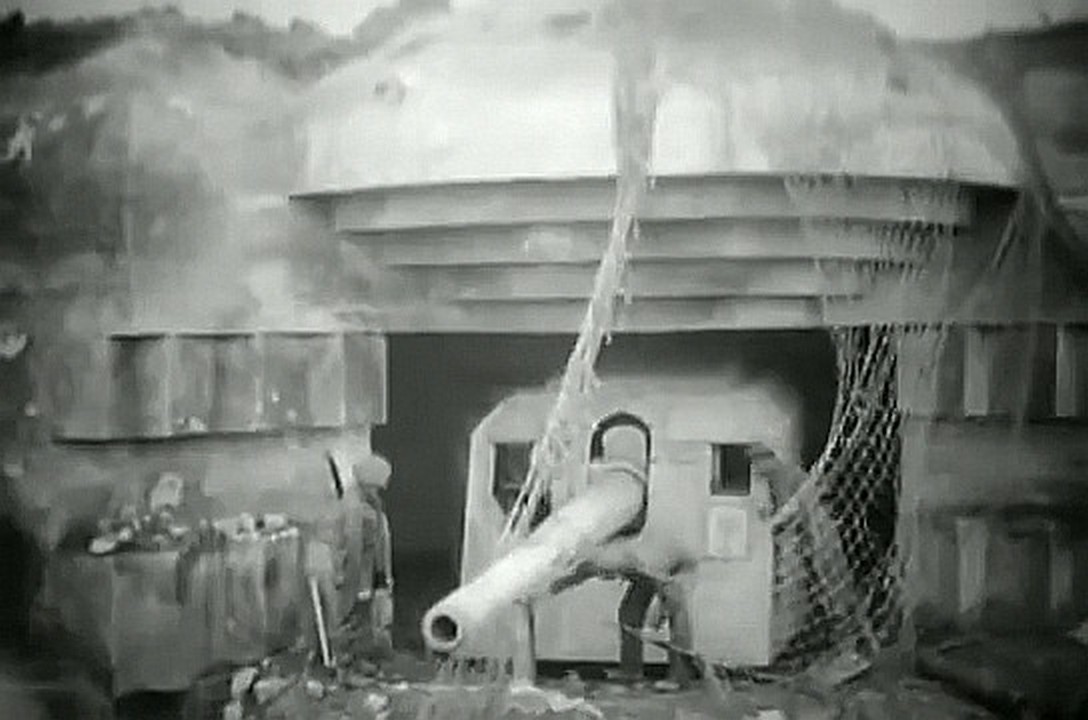
Another project on which I am working at is the recreation of one of the Casemates of the Gun Battery at Longues-sur-Mer, defined by the Germans as Wiederstandsnest (Defense position) 48 or simply WN48.

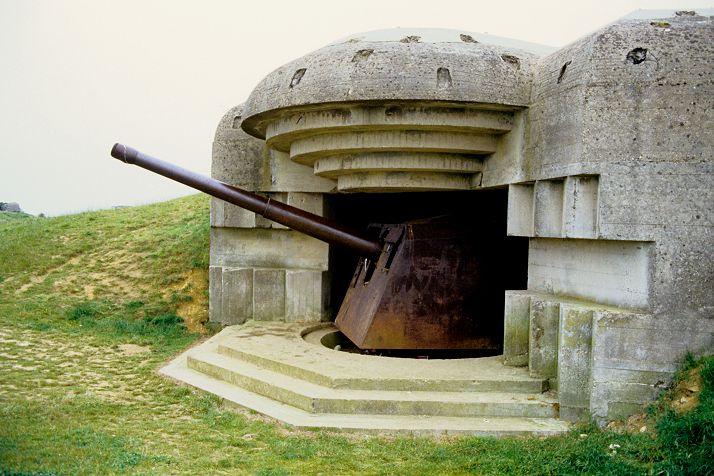
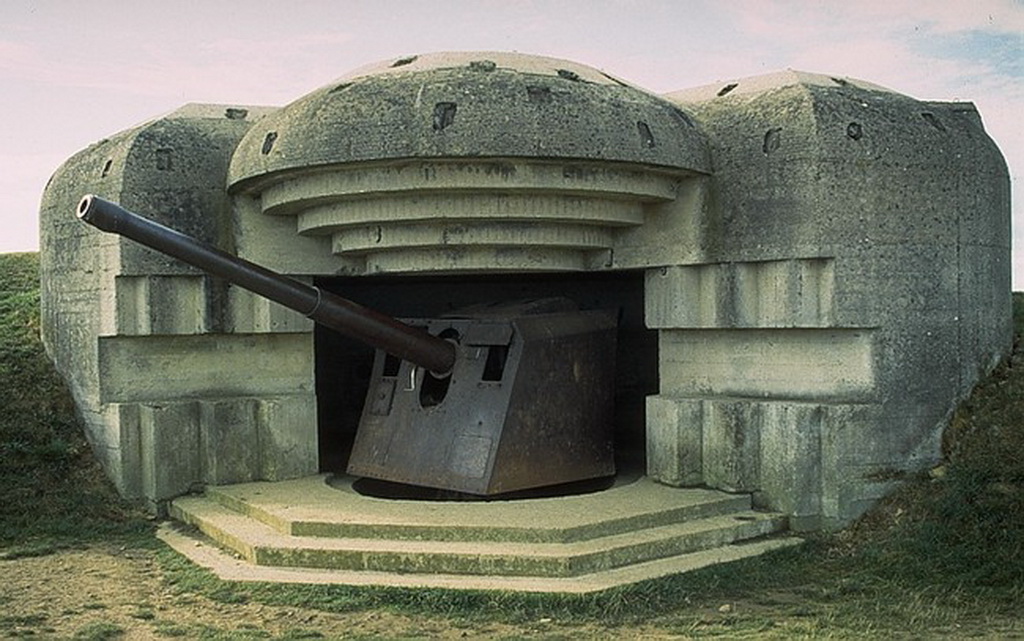
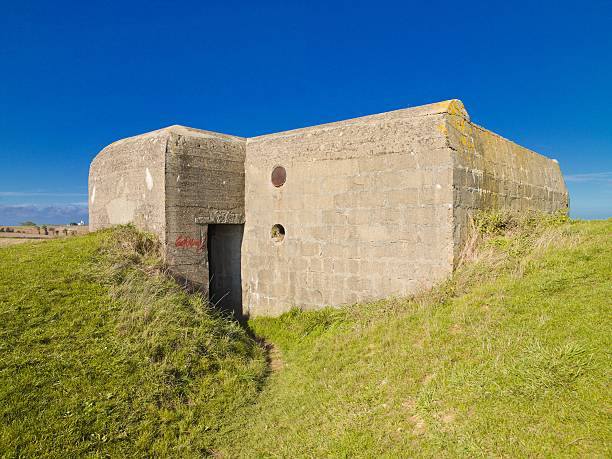
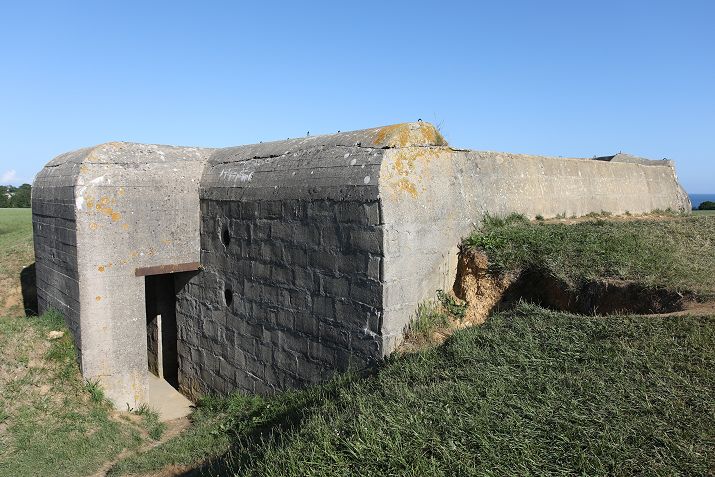
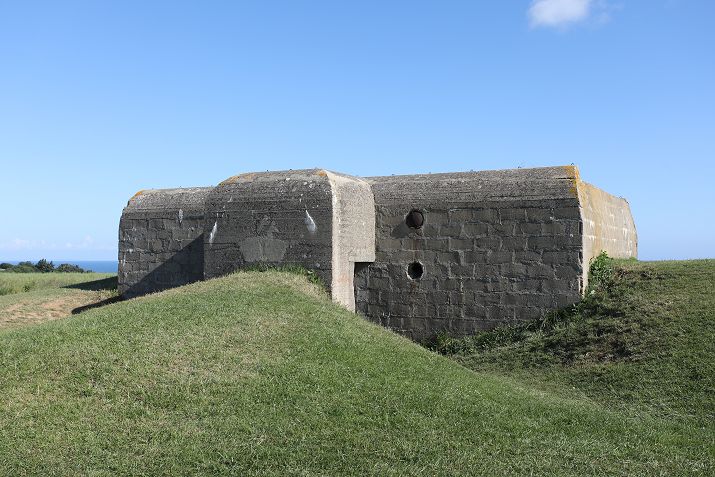
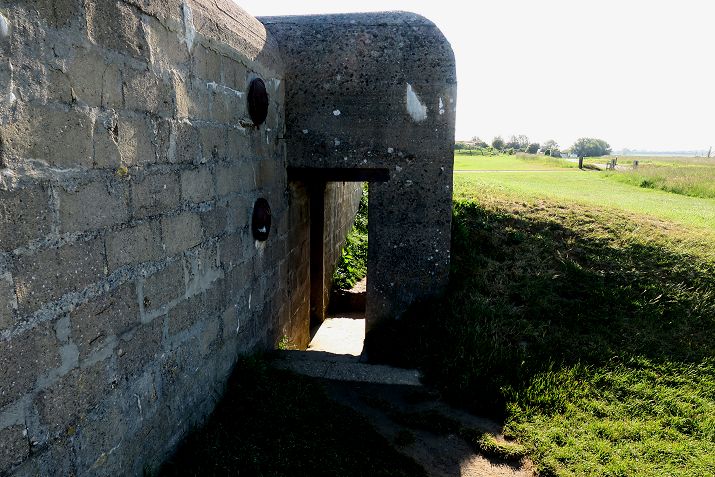
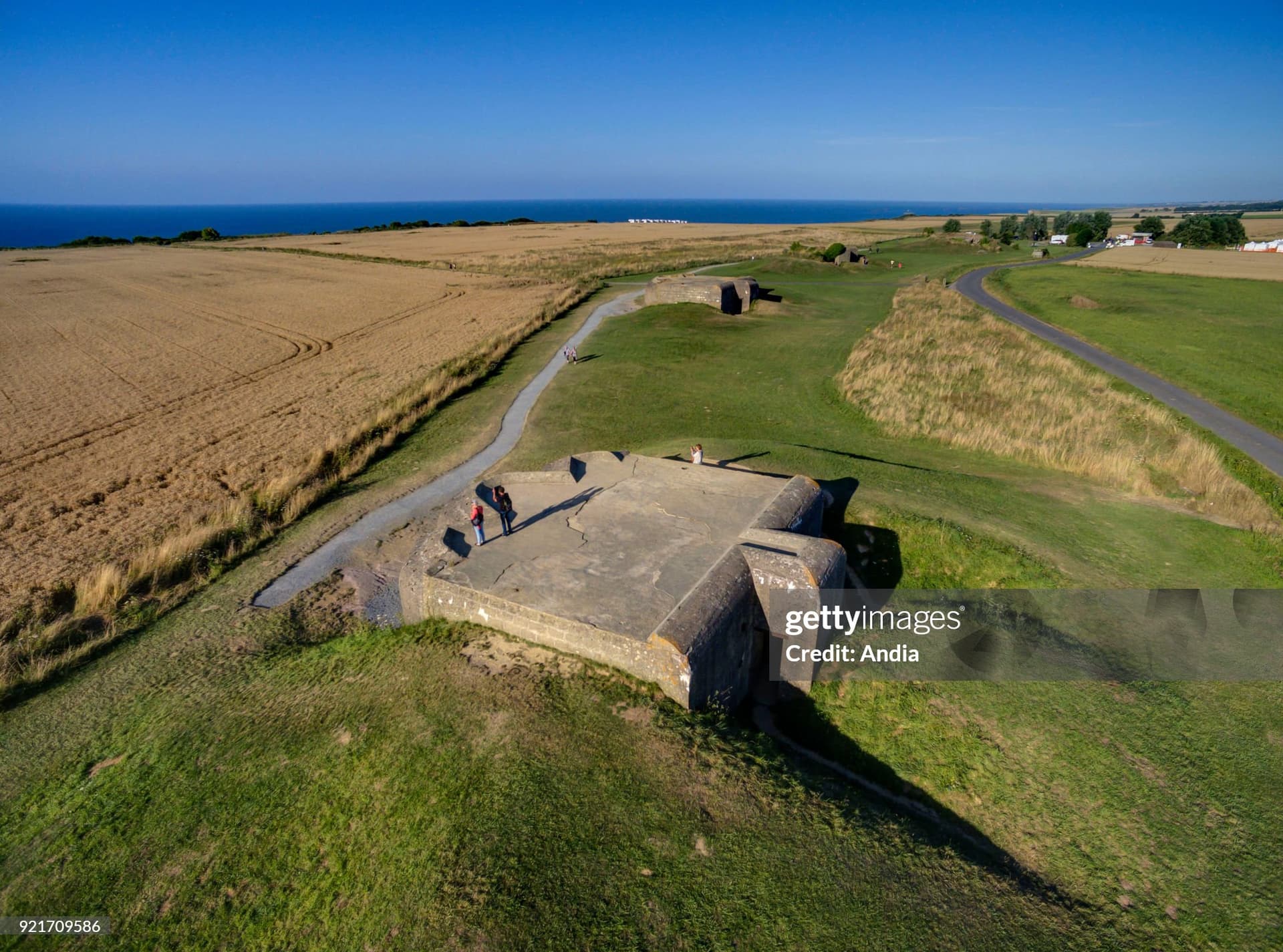
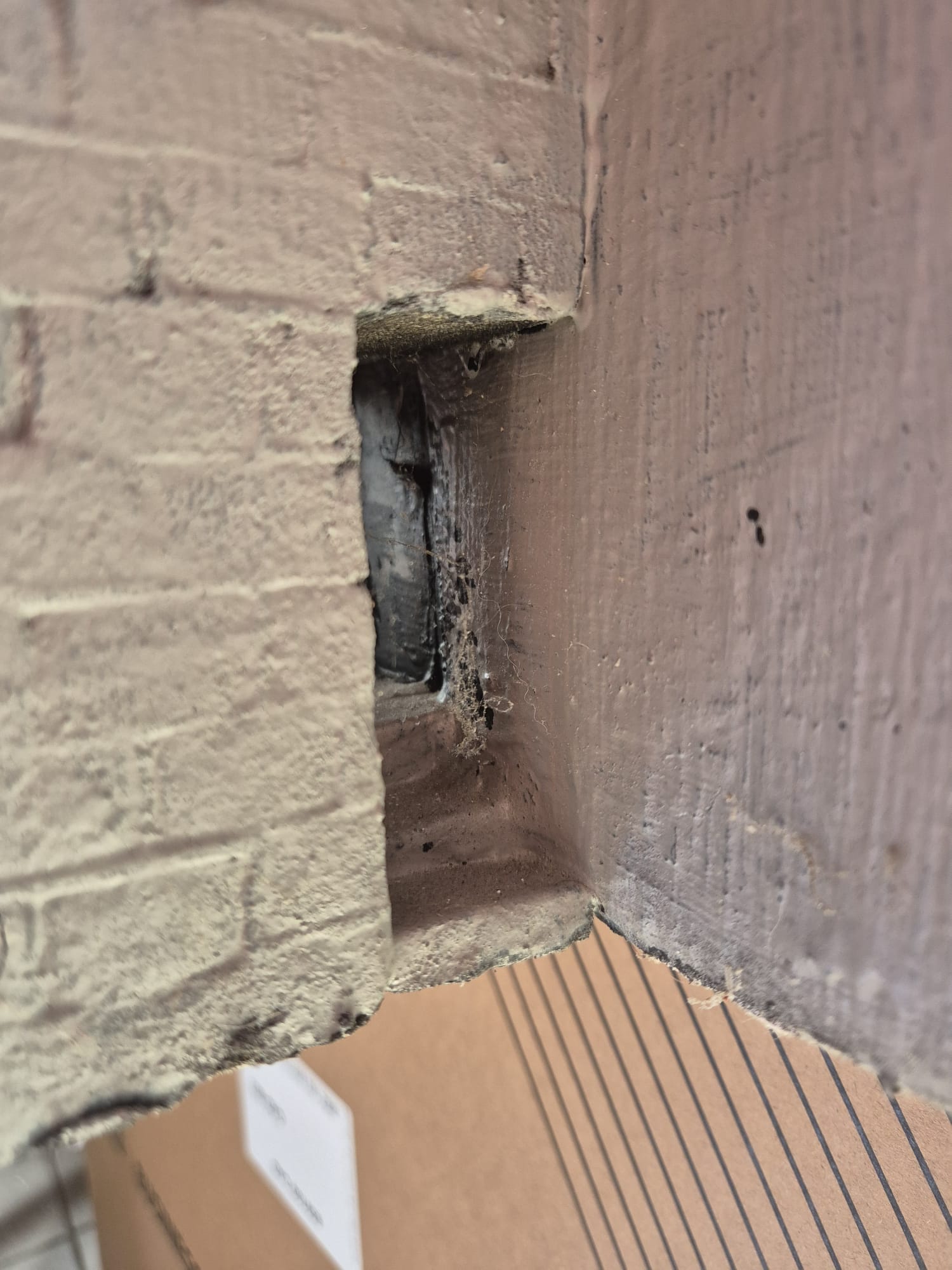
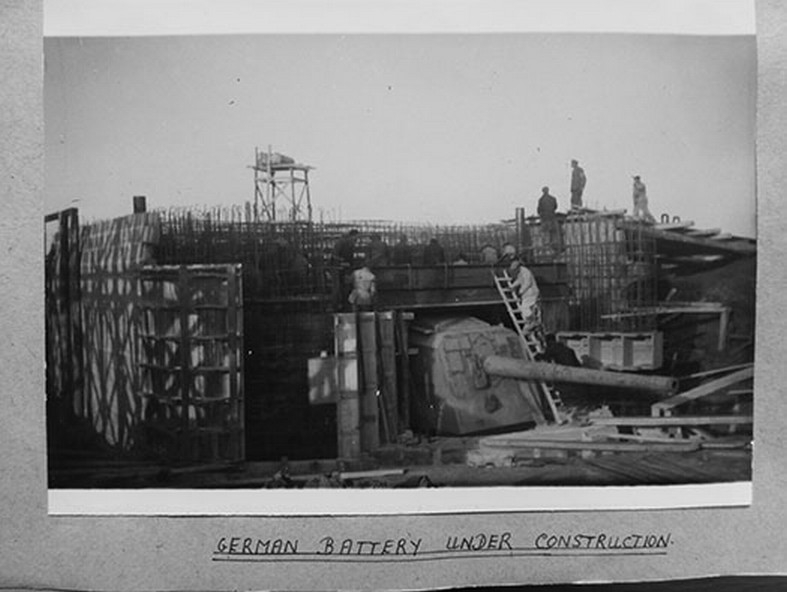
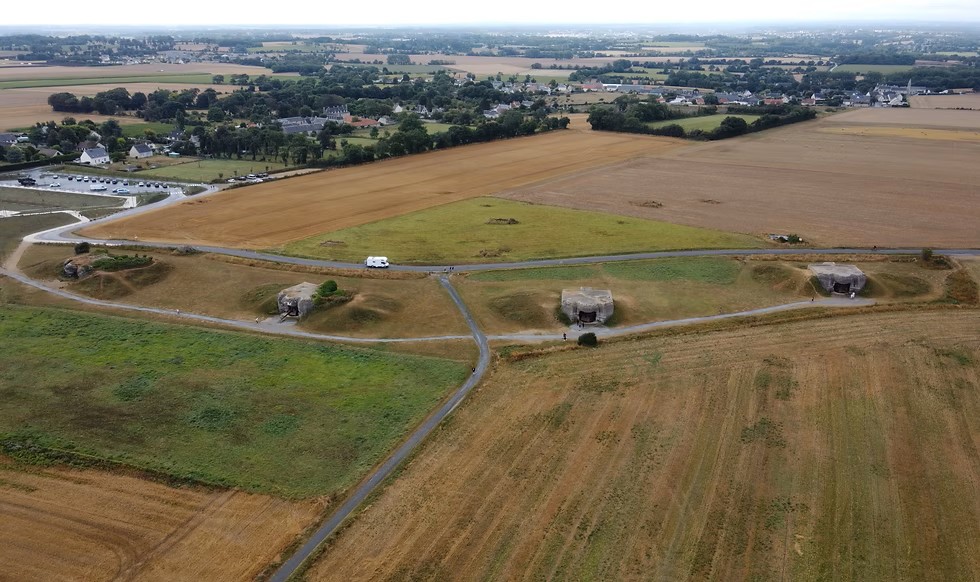
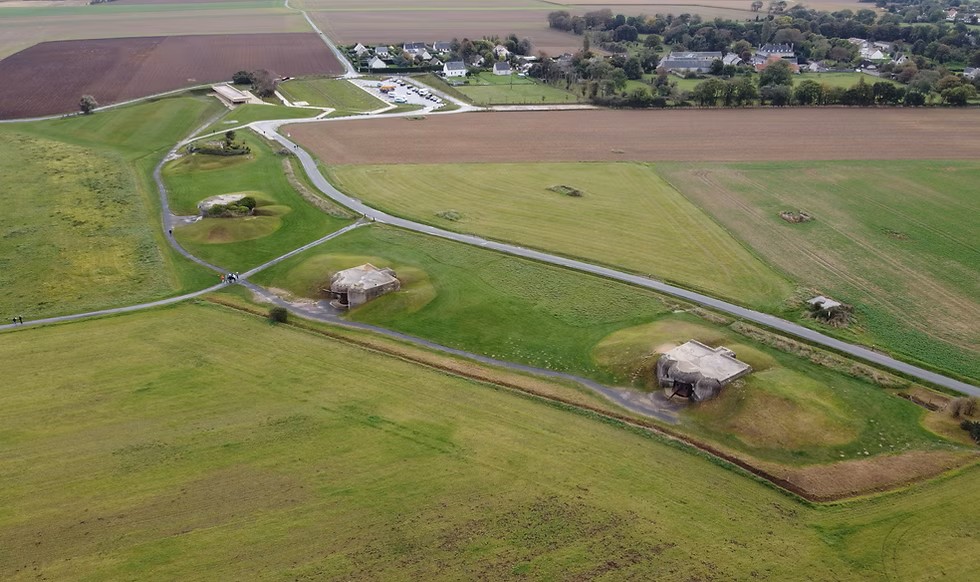
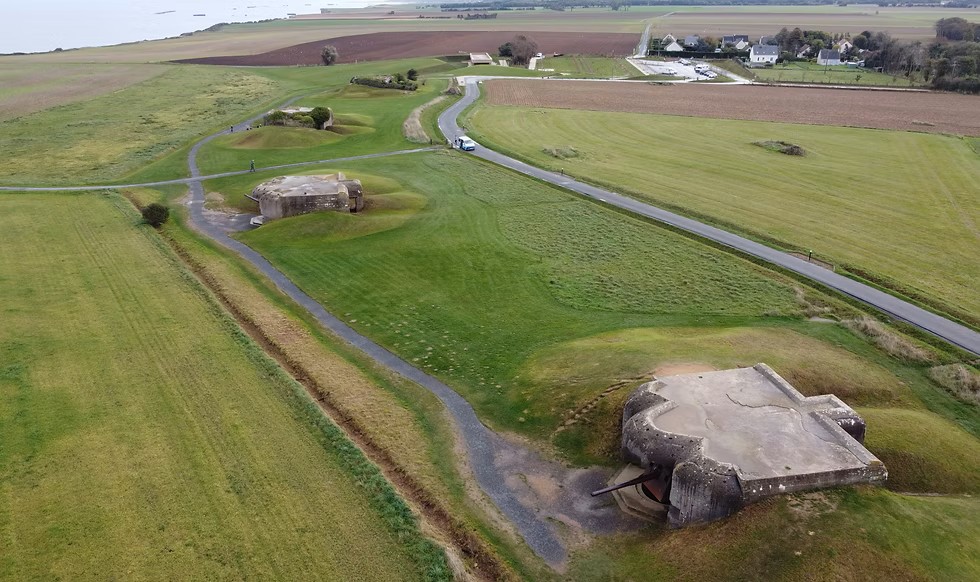
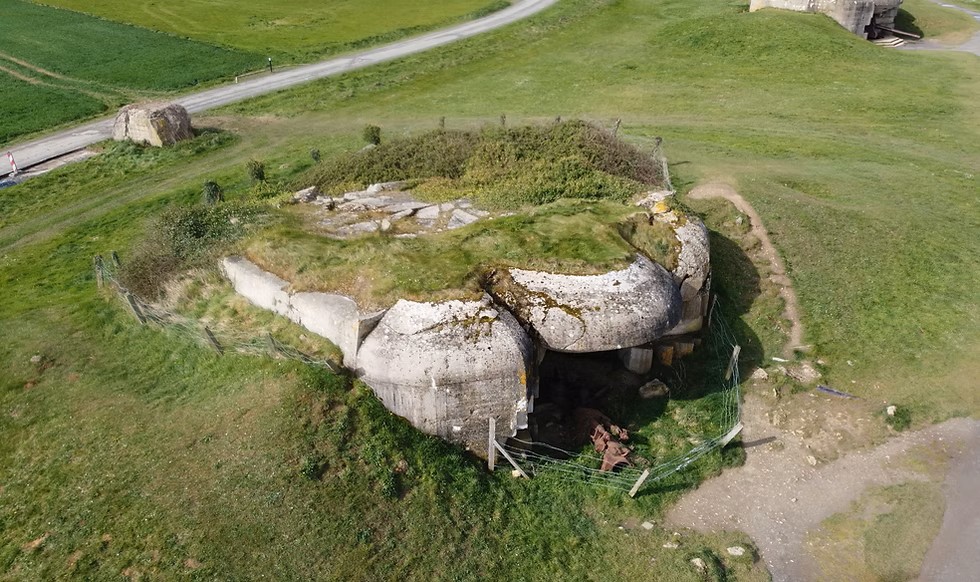
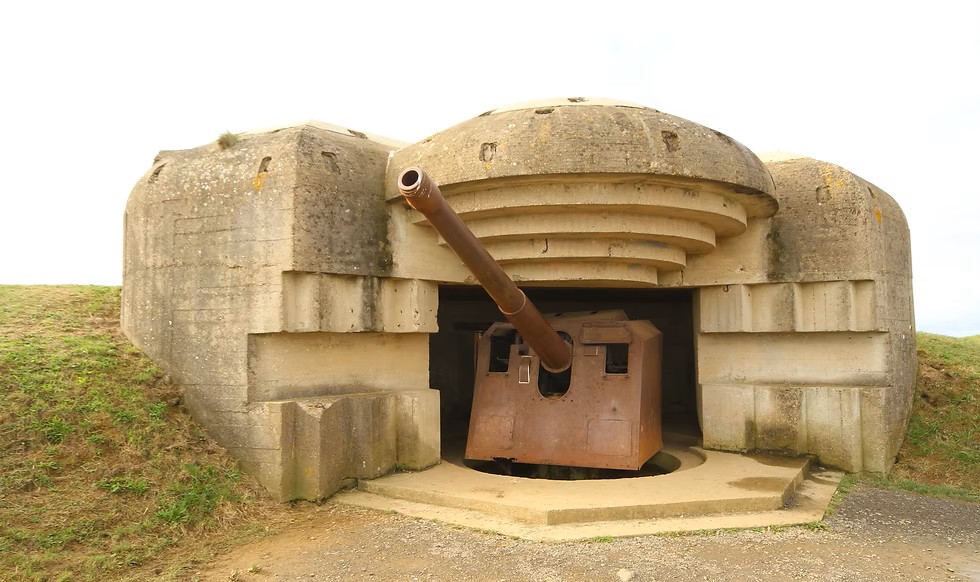
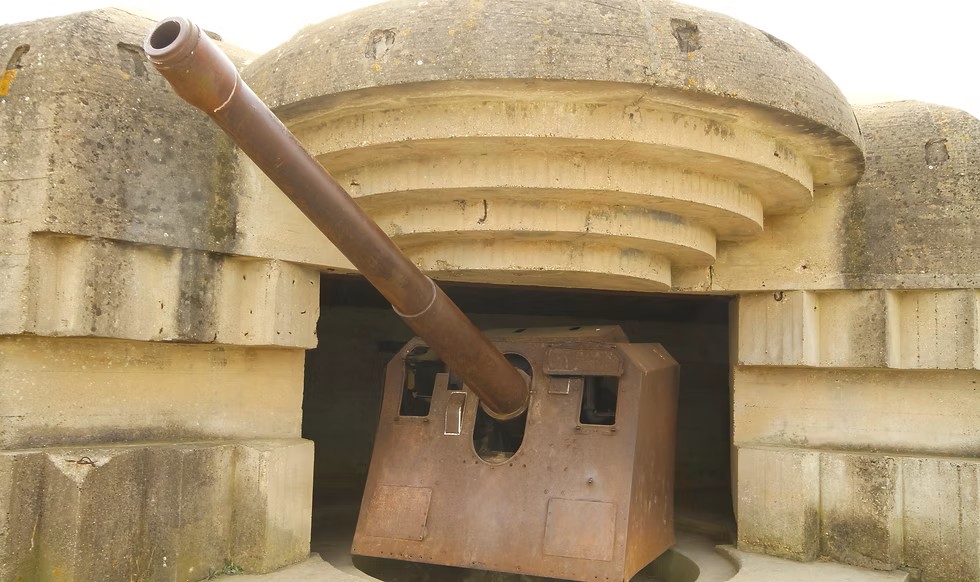
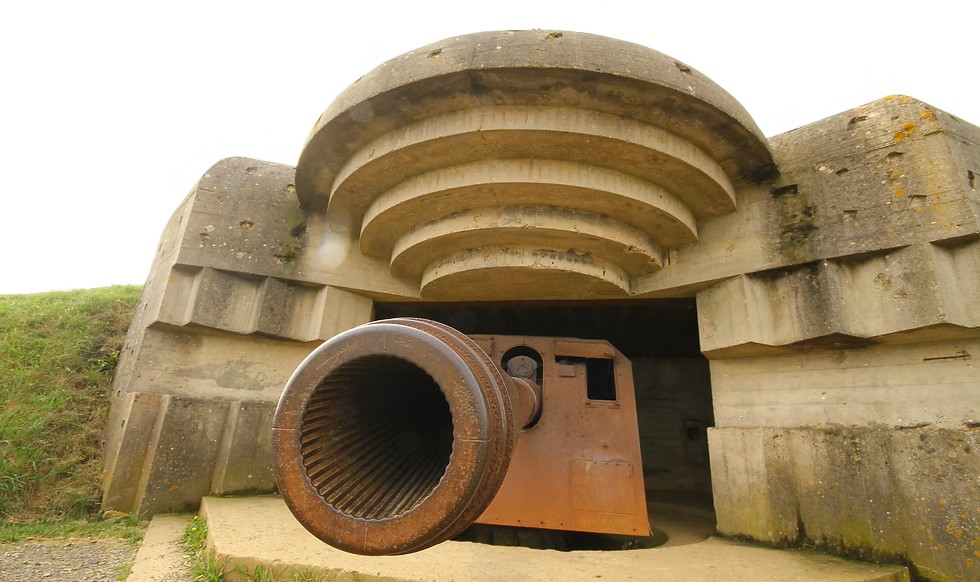
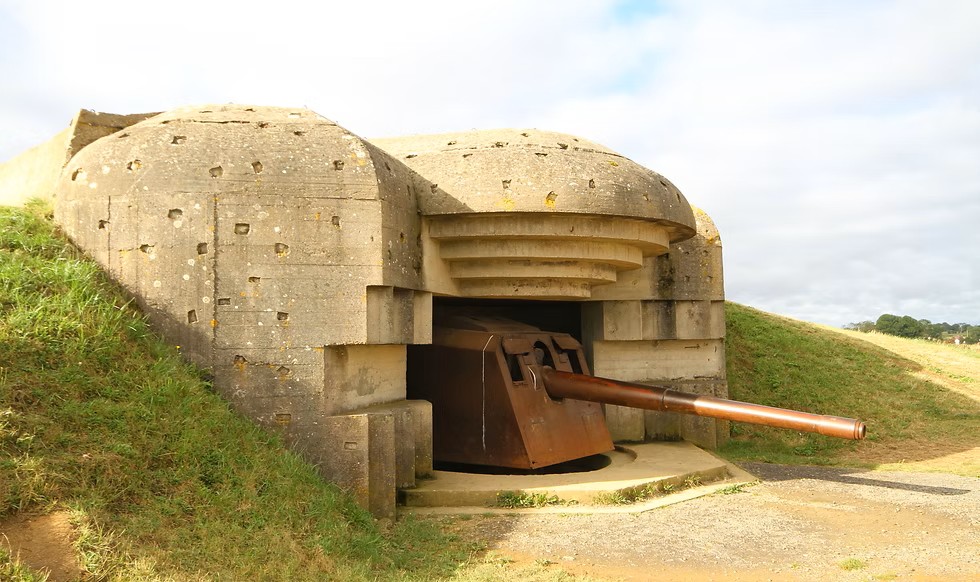
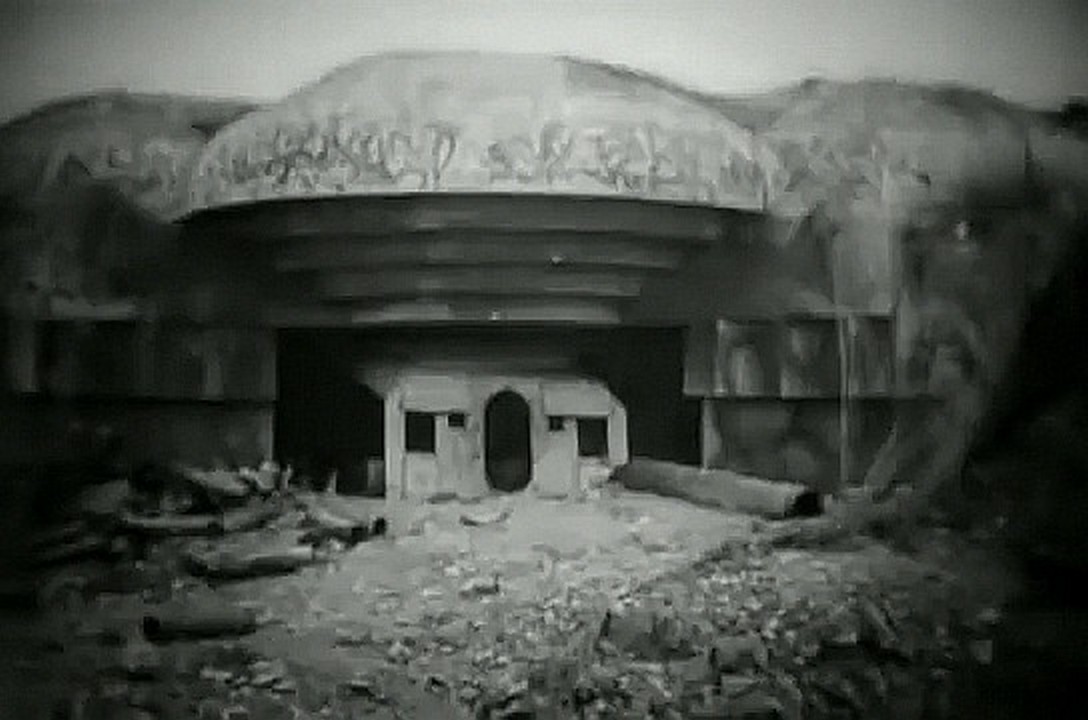
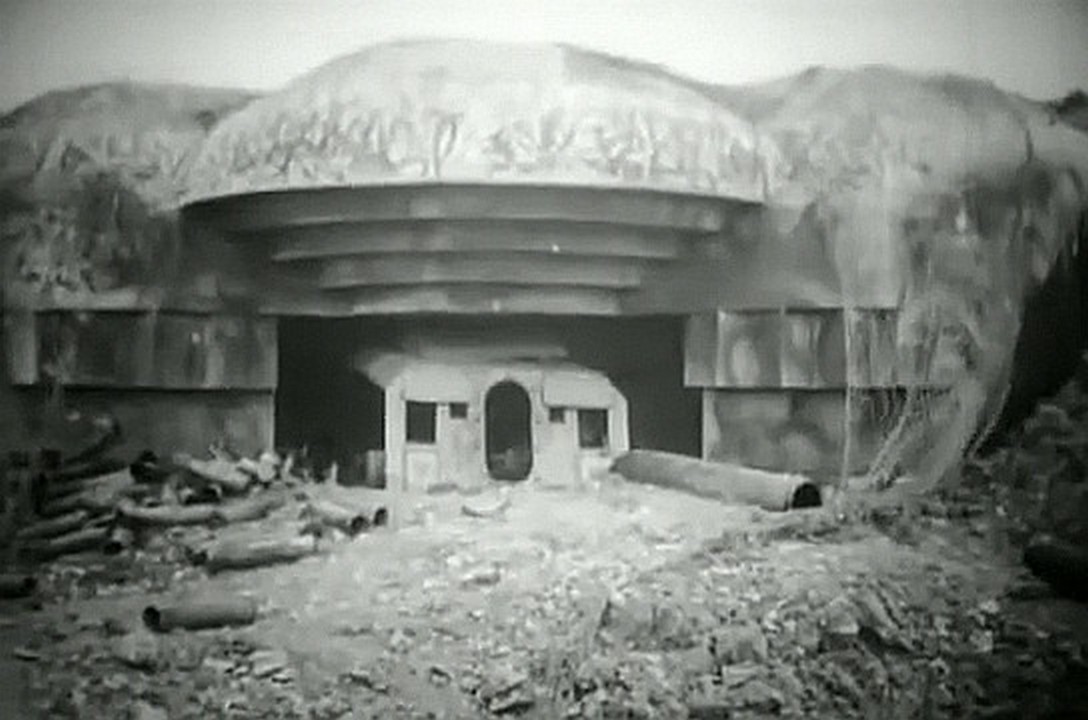
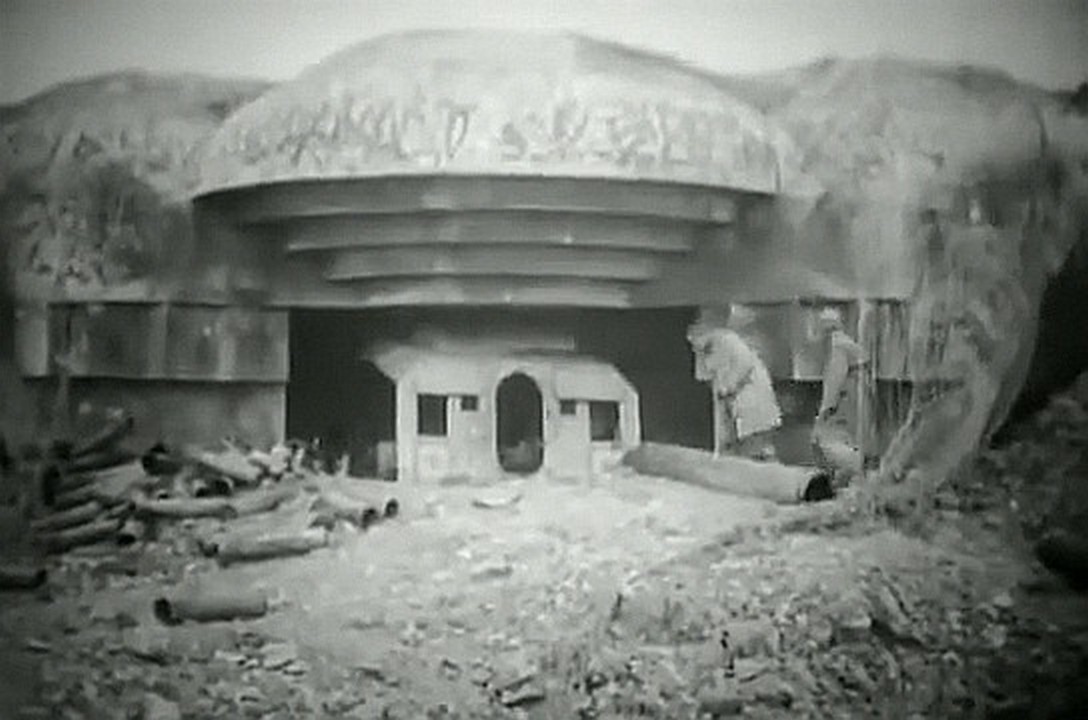
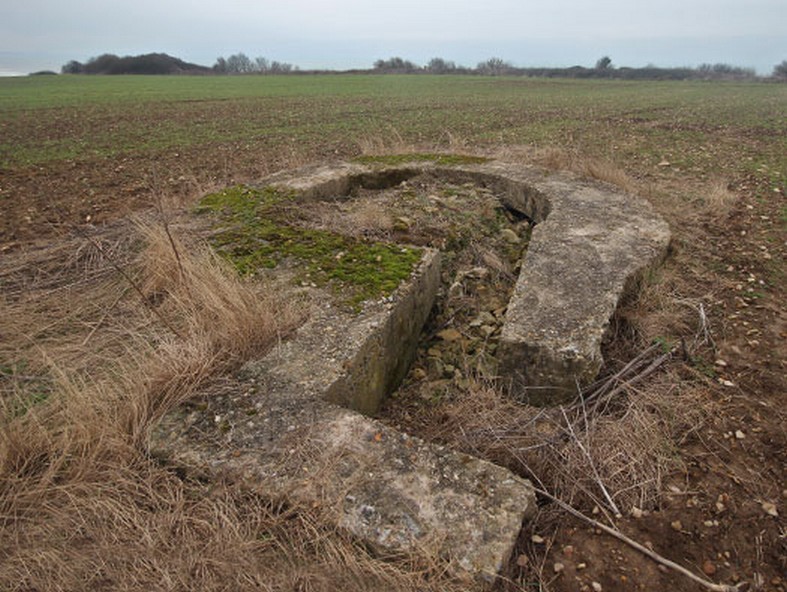
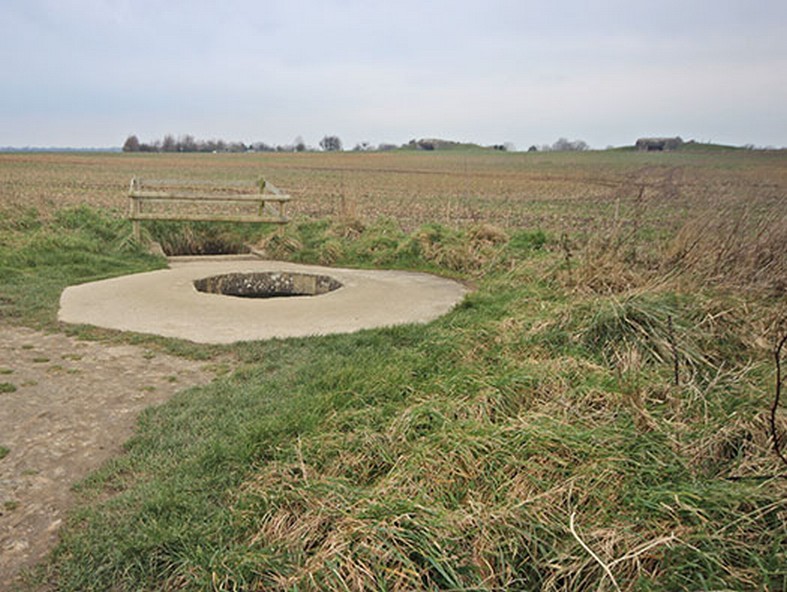
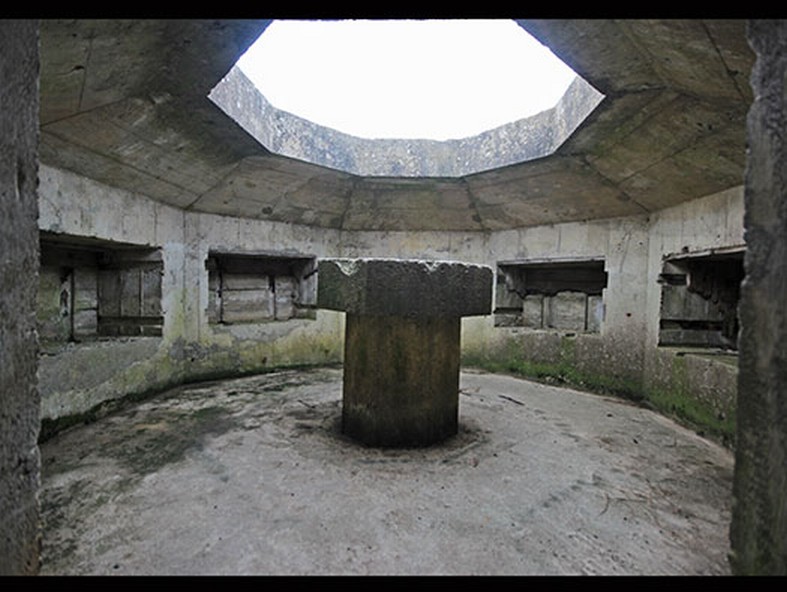
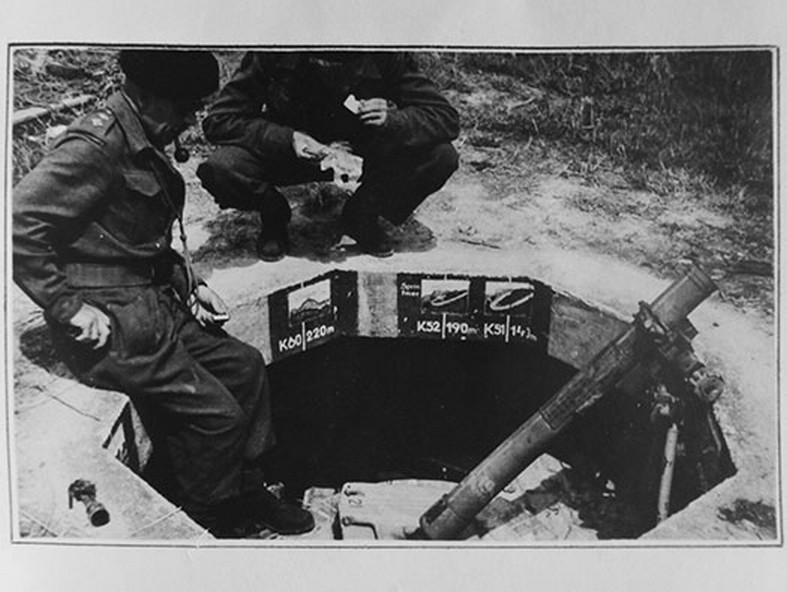
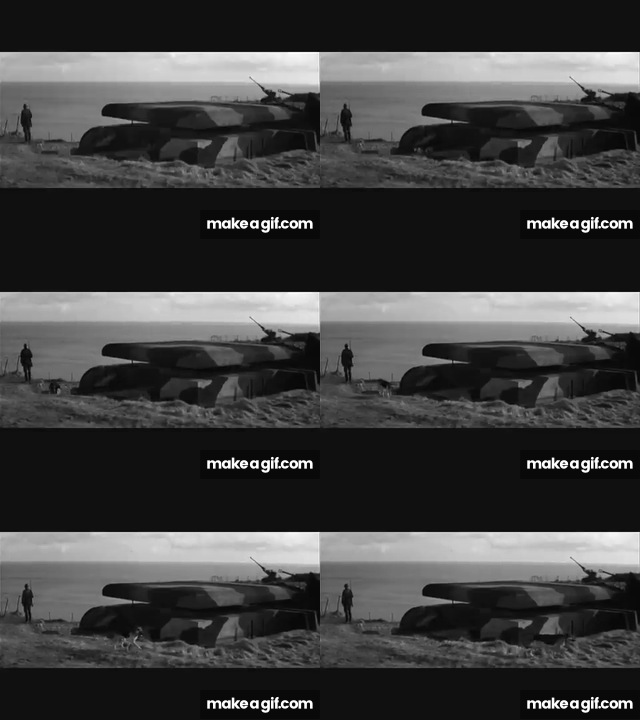
Here are actual pictures of the Bunker I have taken as a blueprint for my own recreation.
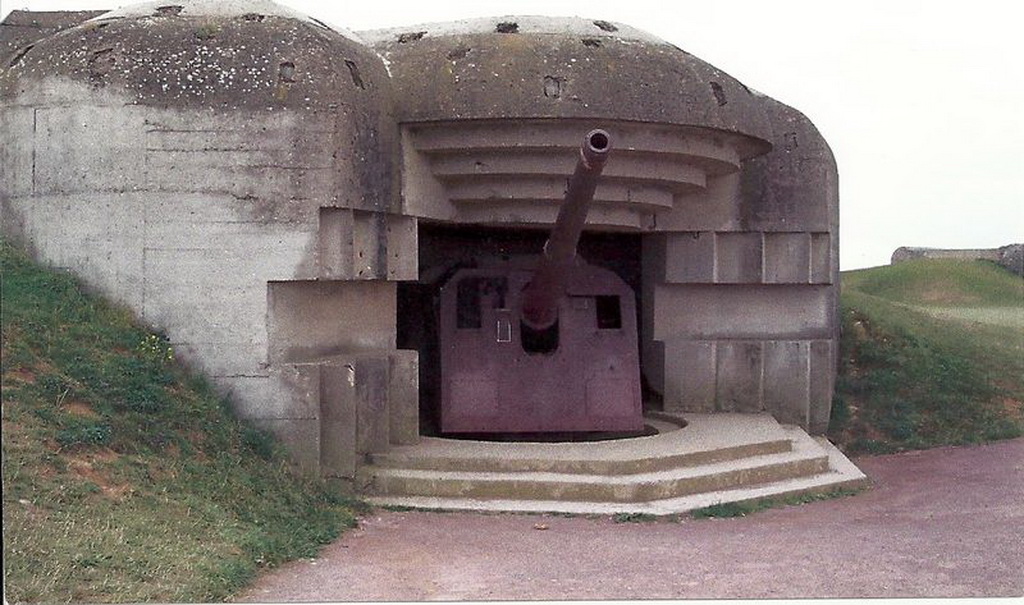


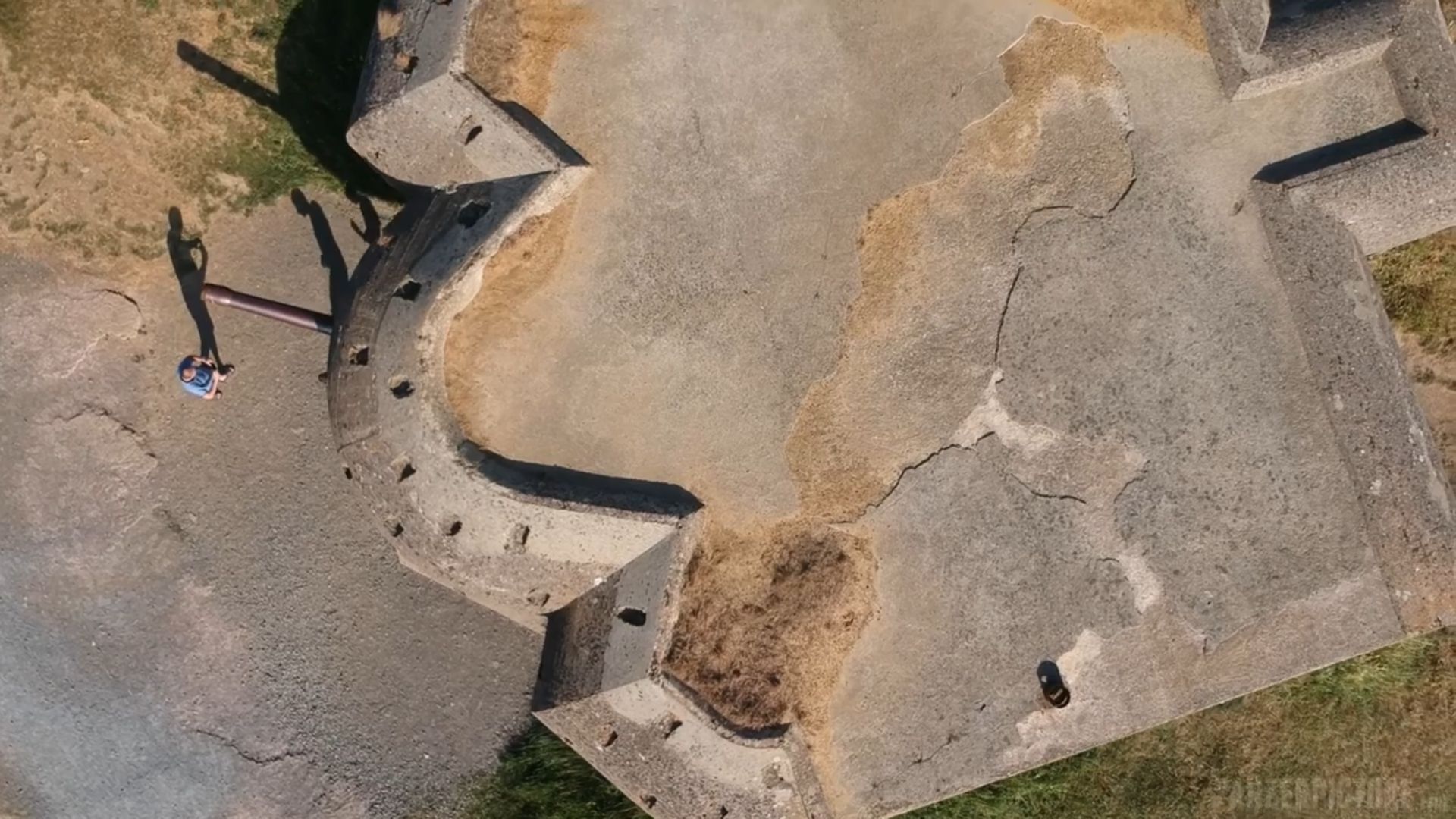
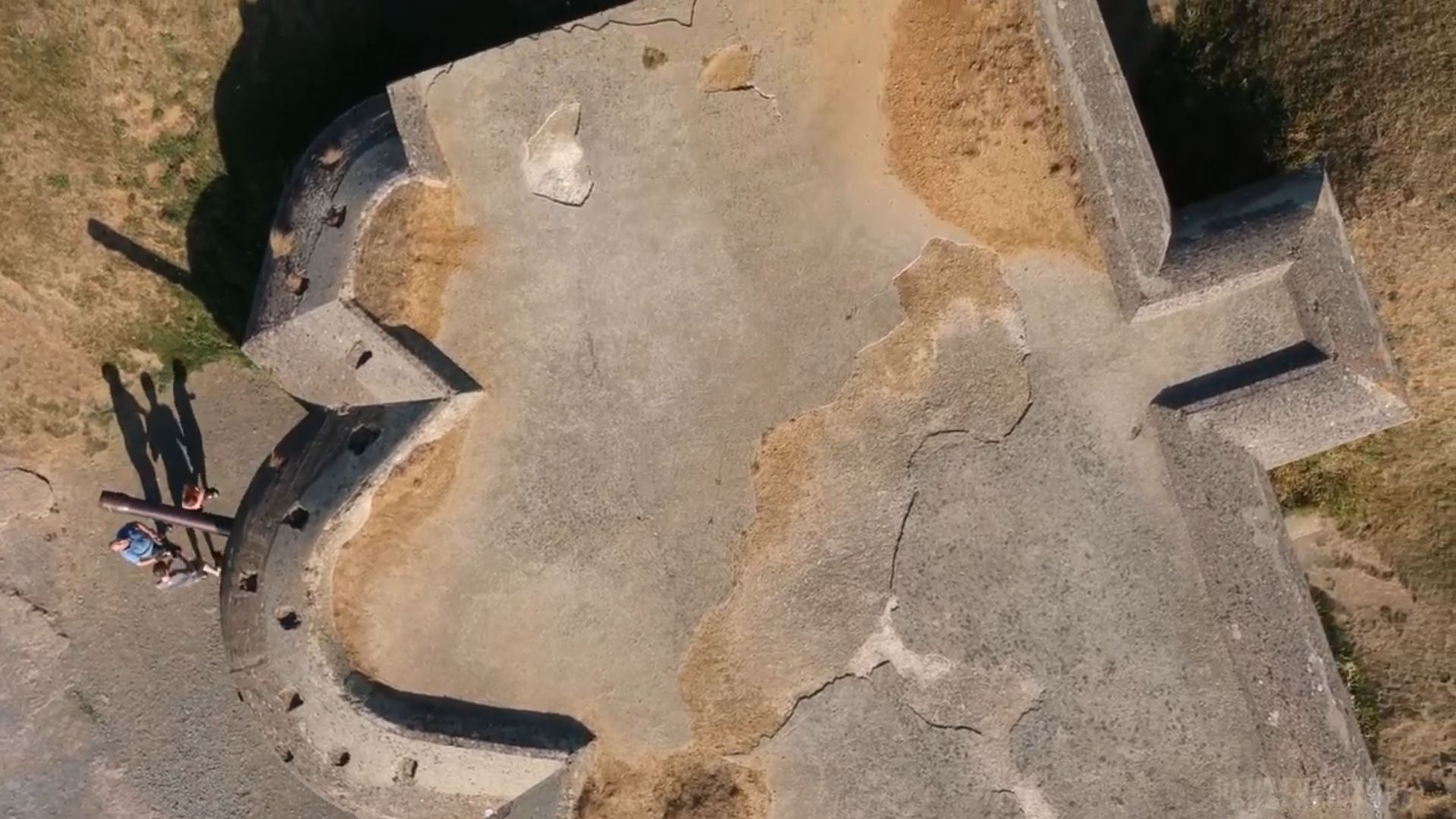
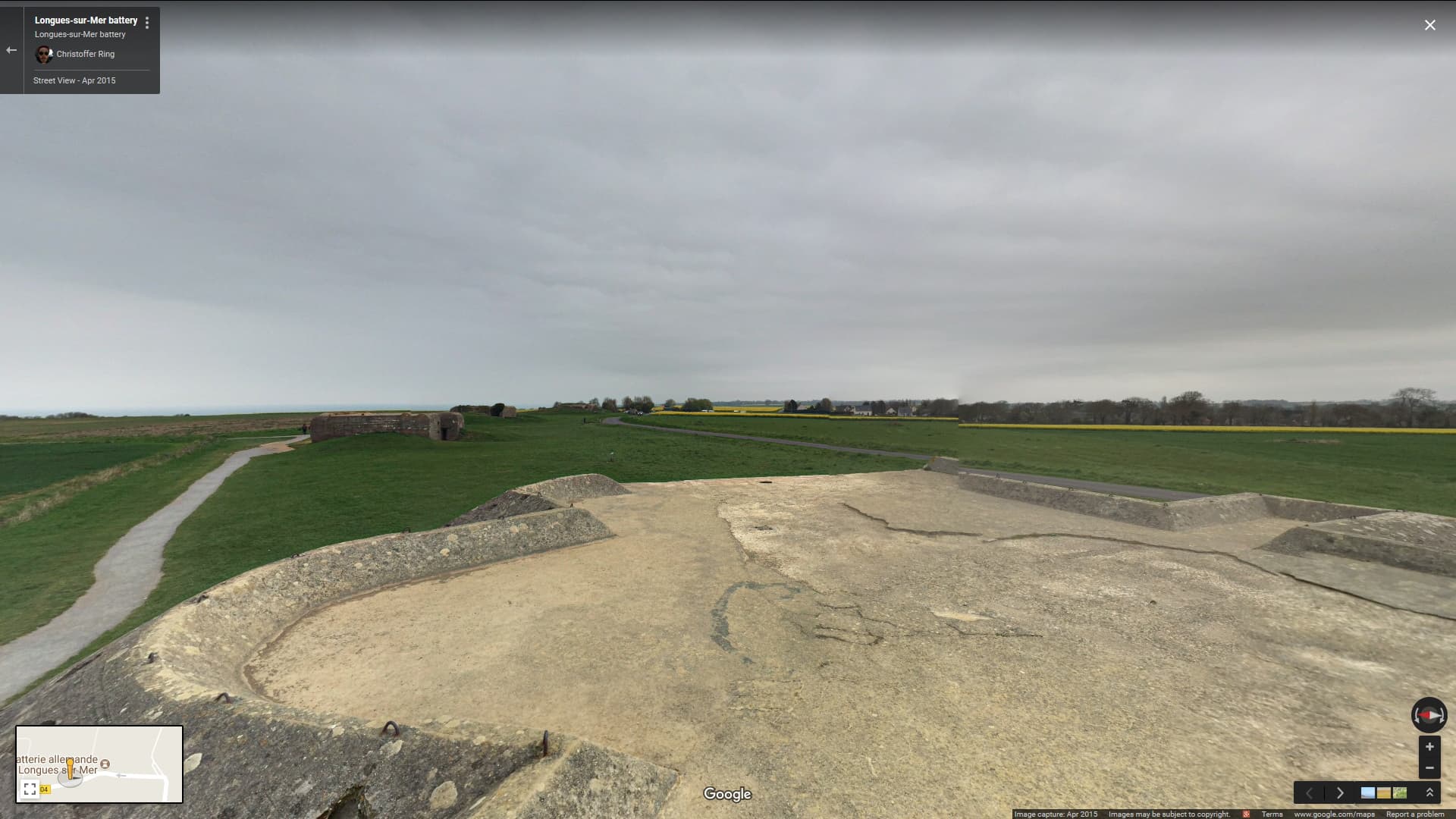
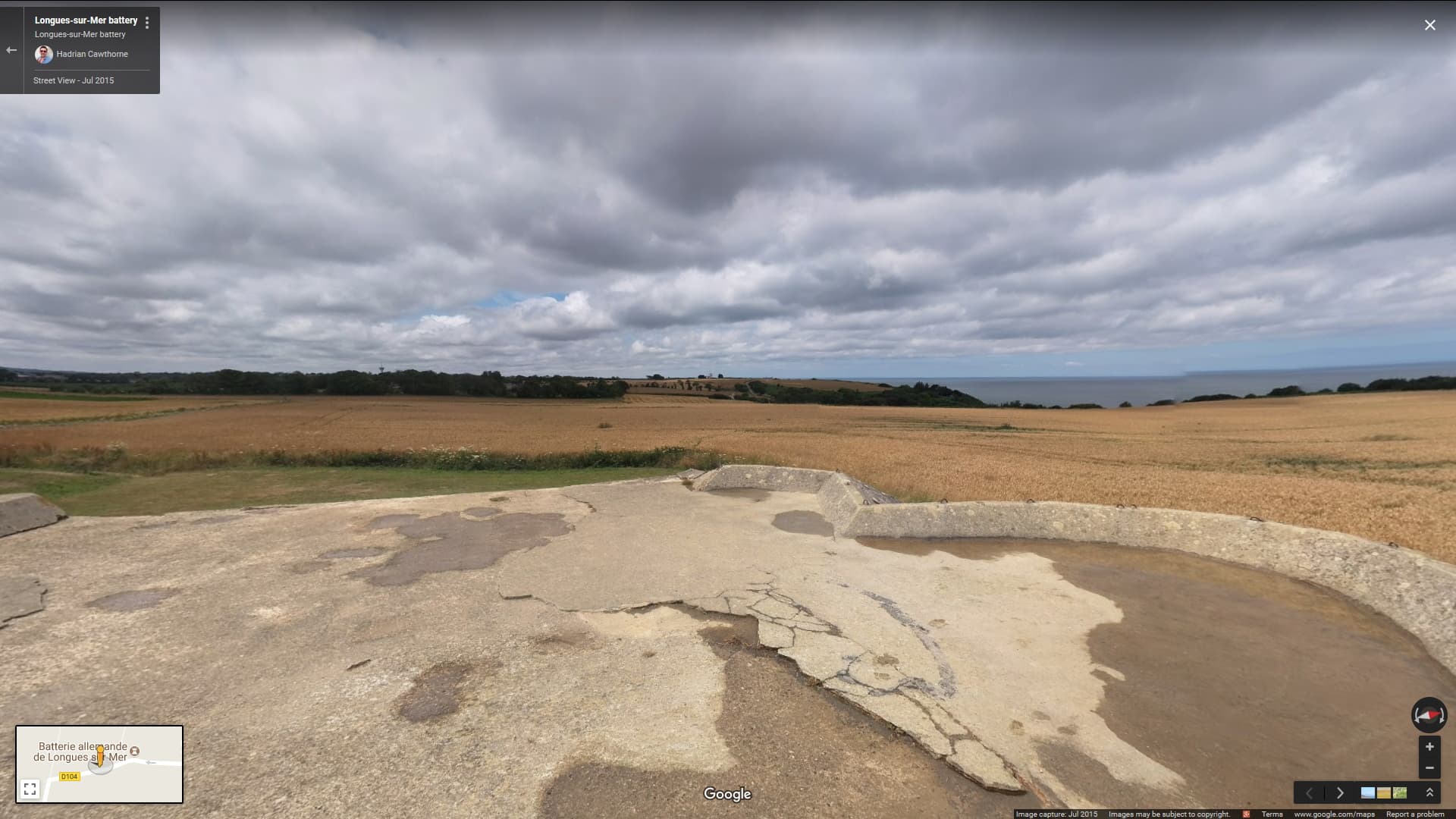
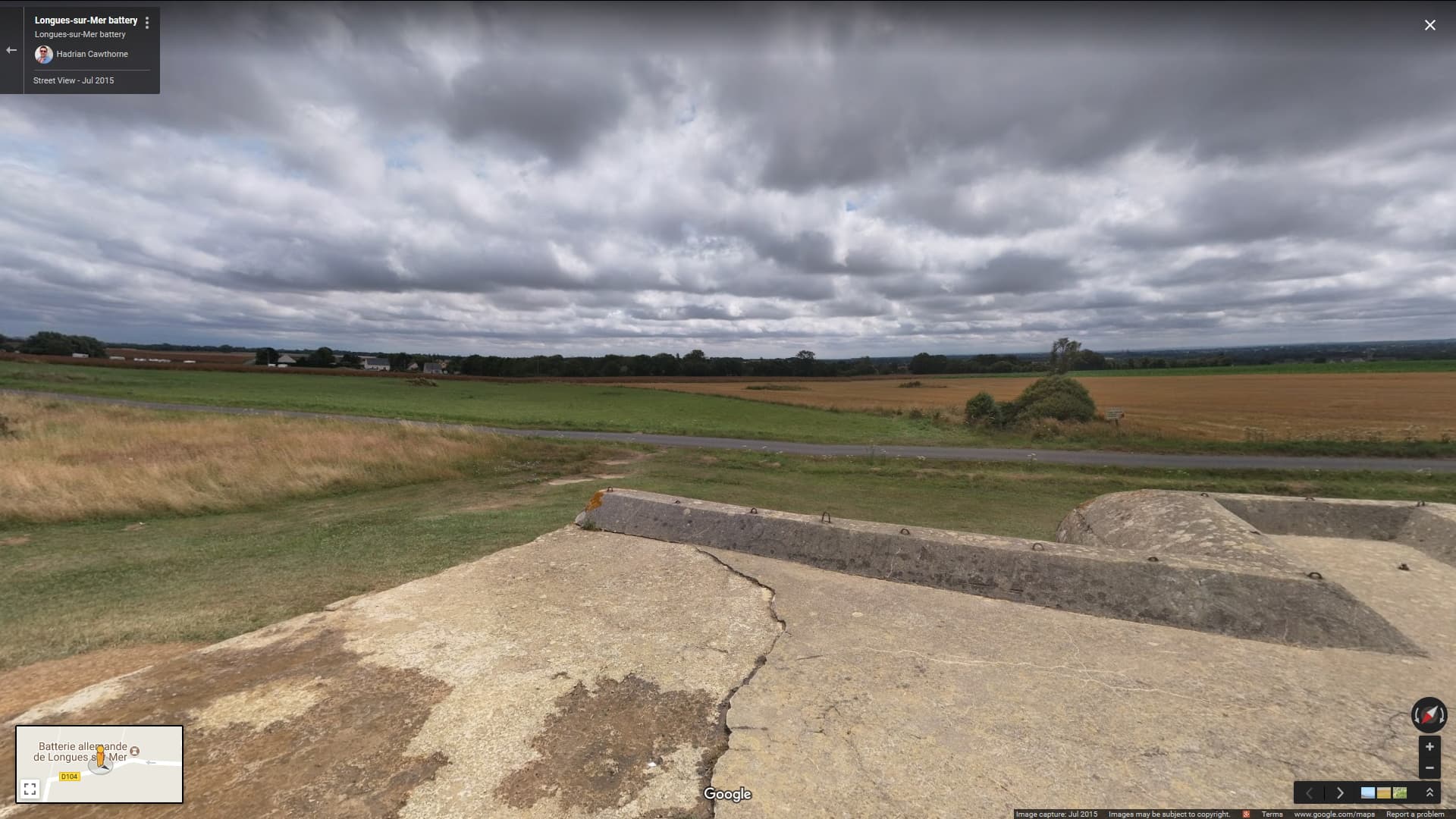
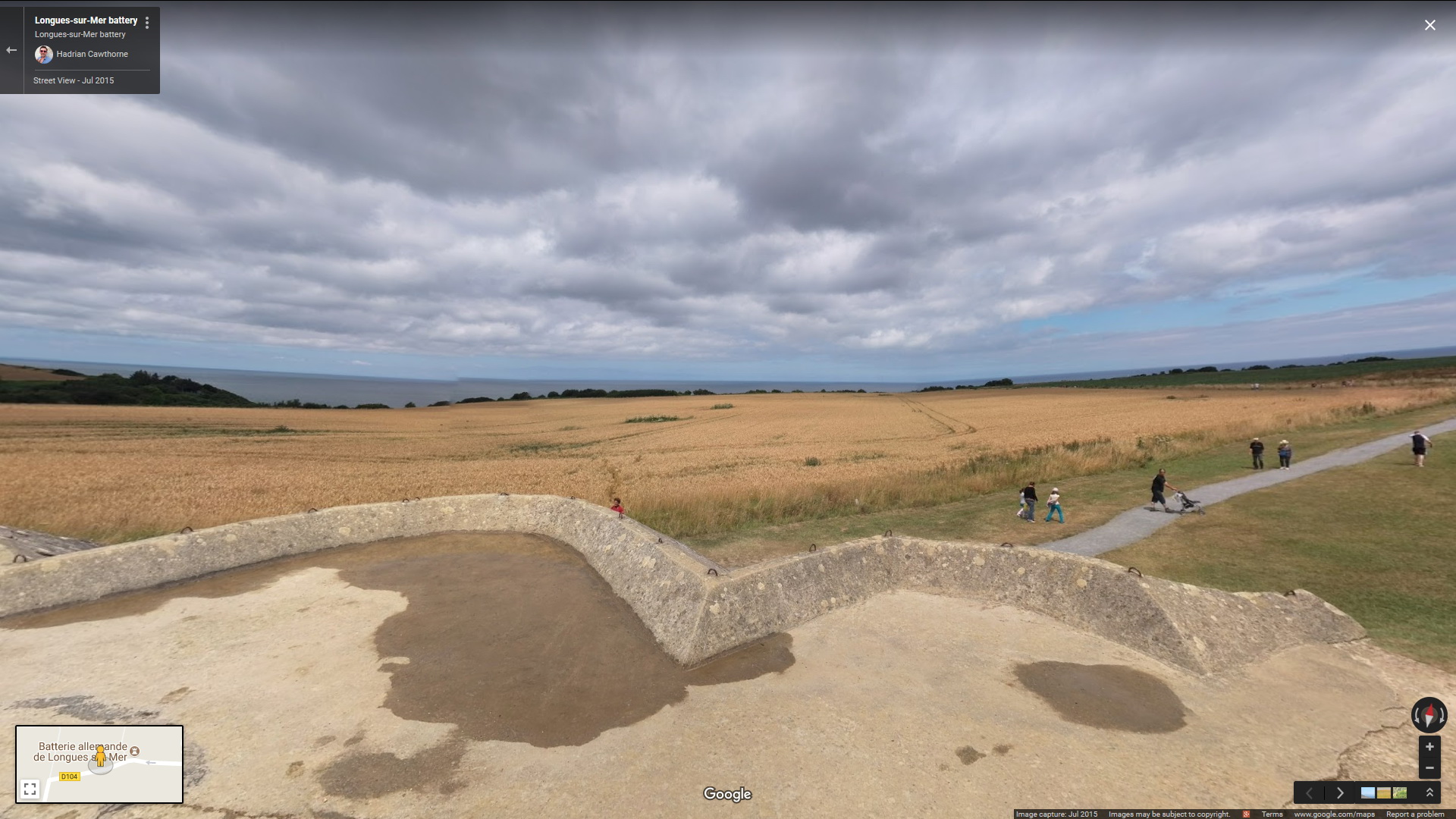
As you could see I referred to pictures of the front, the rear and top of that bunker (I believe it to be the 3rd of the four existing there).

Now, seeking a fine reproduction of the same. I only found two in 1/35 scale on the market and both were just prototypes of the actual ones at Longues.

The only one worth considering was the one from Masterpiece Models, which also sold the Naval 150mm Gun turret and Gun.

To my utter disappointment they were both wrong for my purpose but I bought them anyway.

Here are the depictions of the Boxes and actual built models by other modelers. You will immediately notice the huge differences between the boxed model and the actual one.
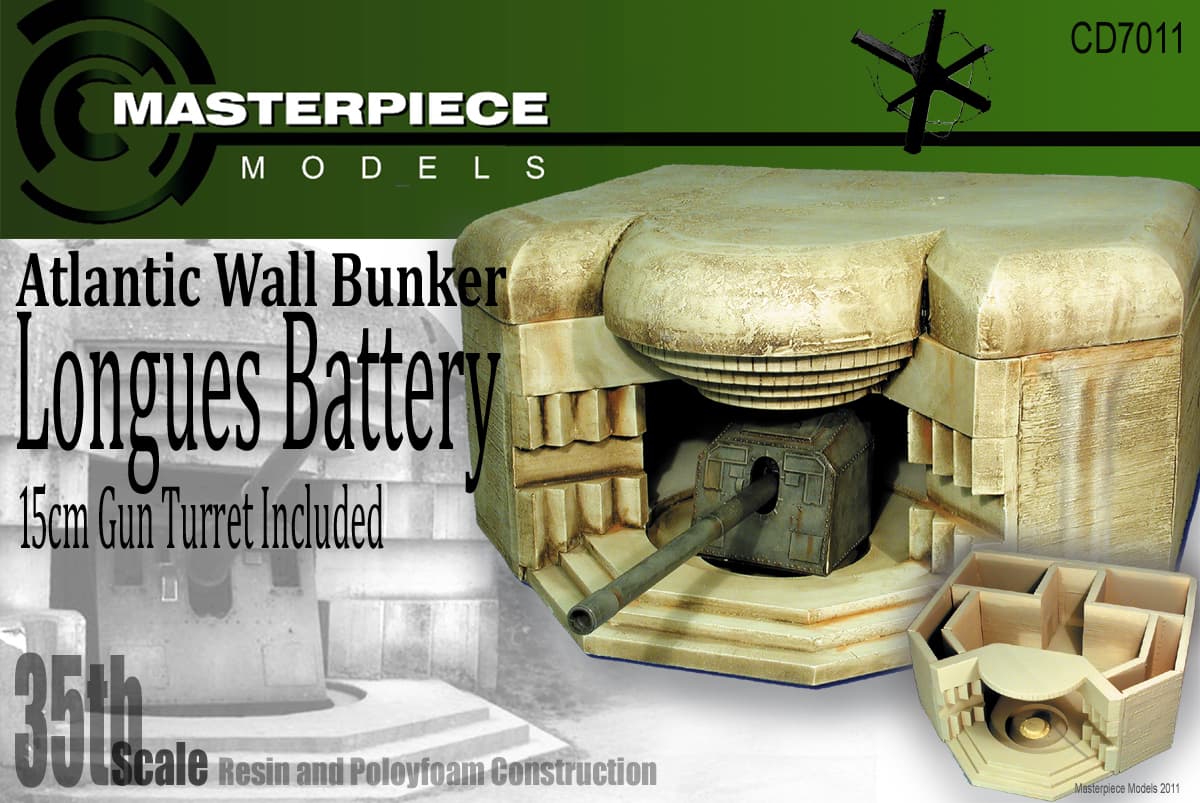
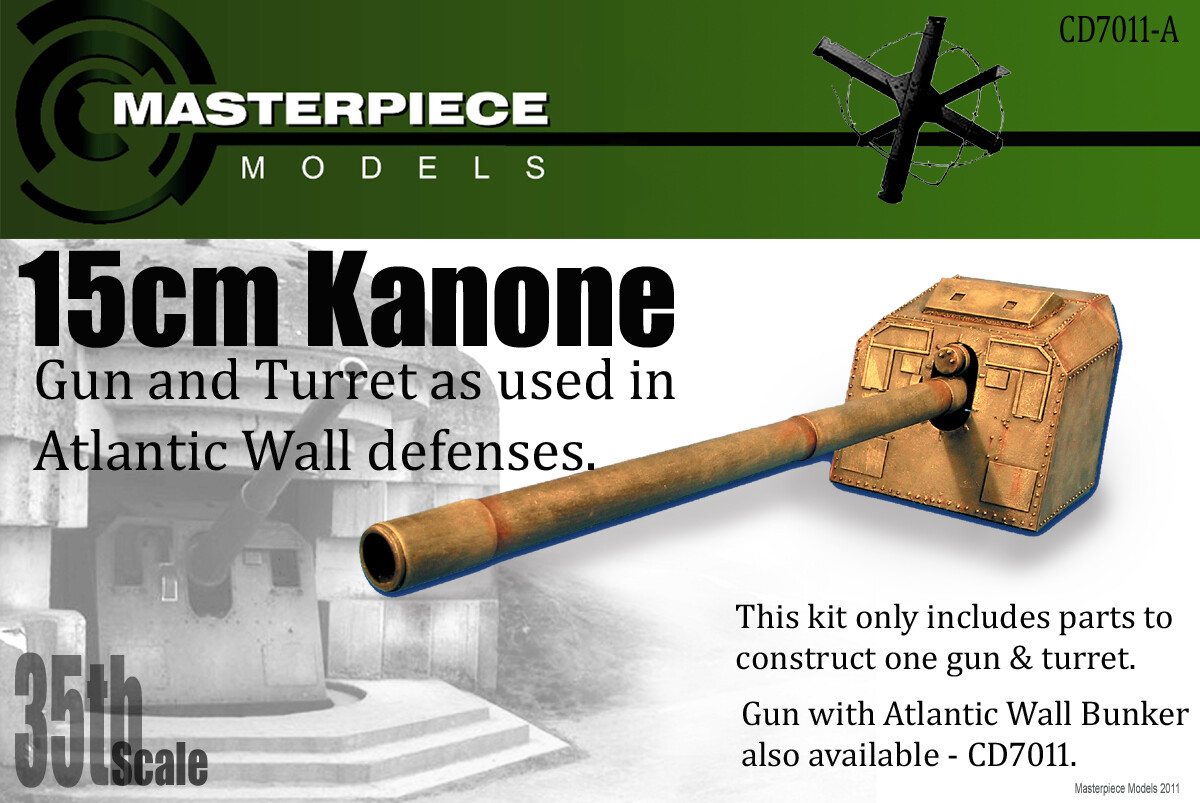
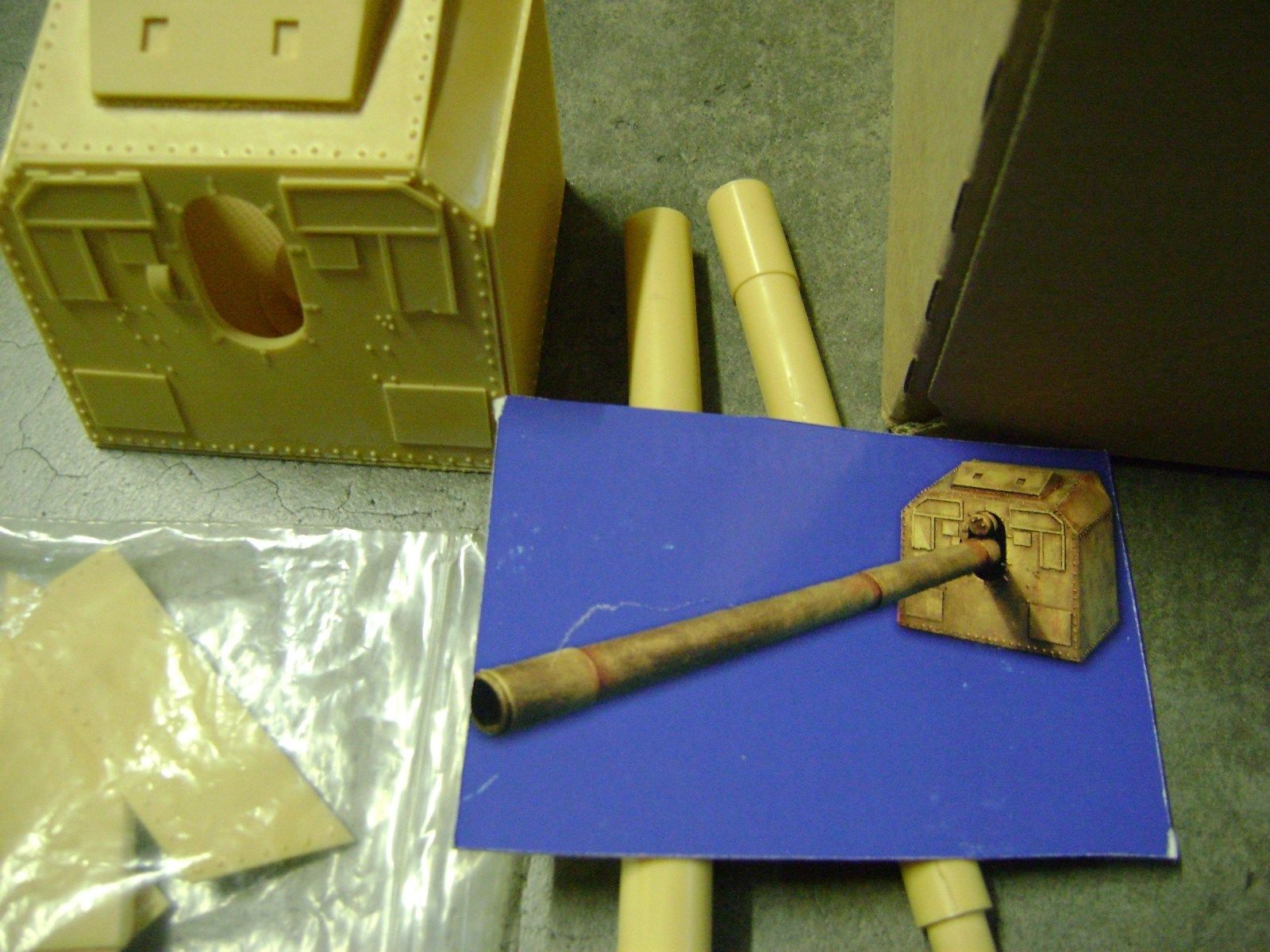
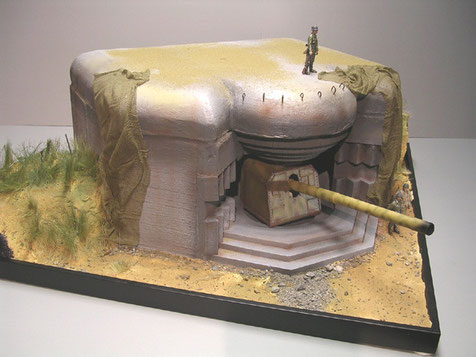
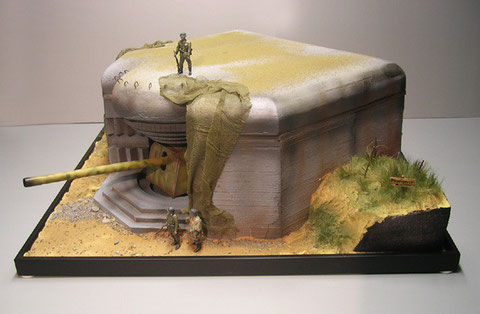
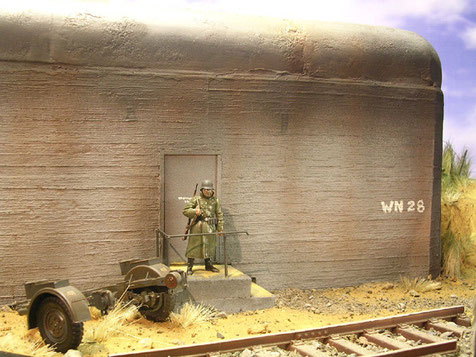
As you could see the roof is completely wrong and there is no rear wall protections to its entrance. The only correct part is the front of it.
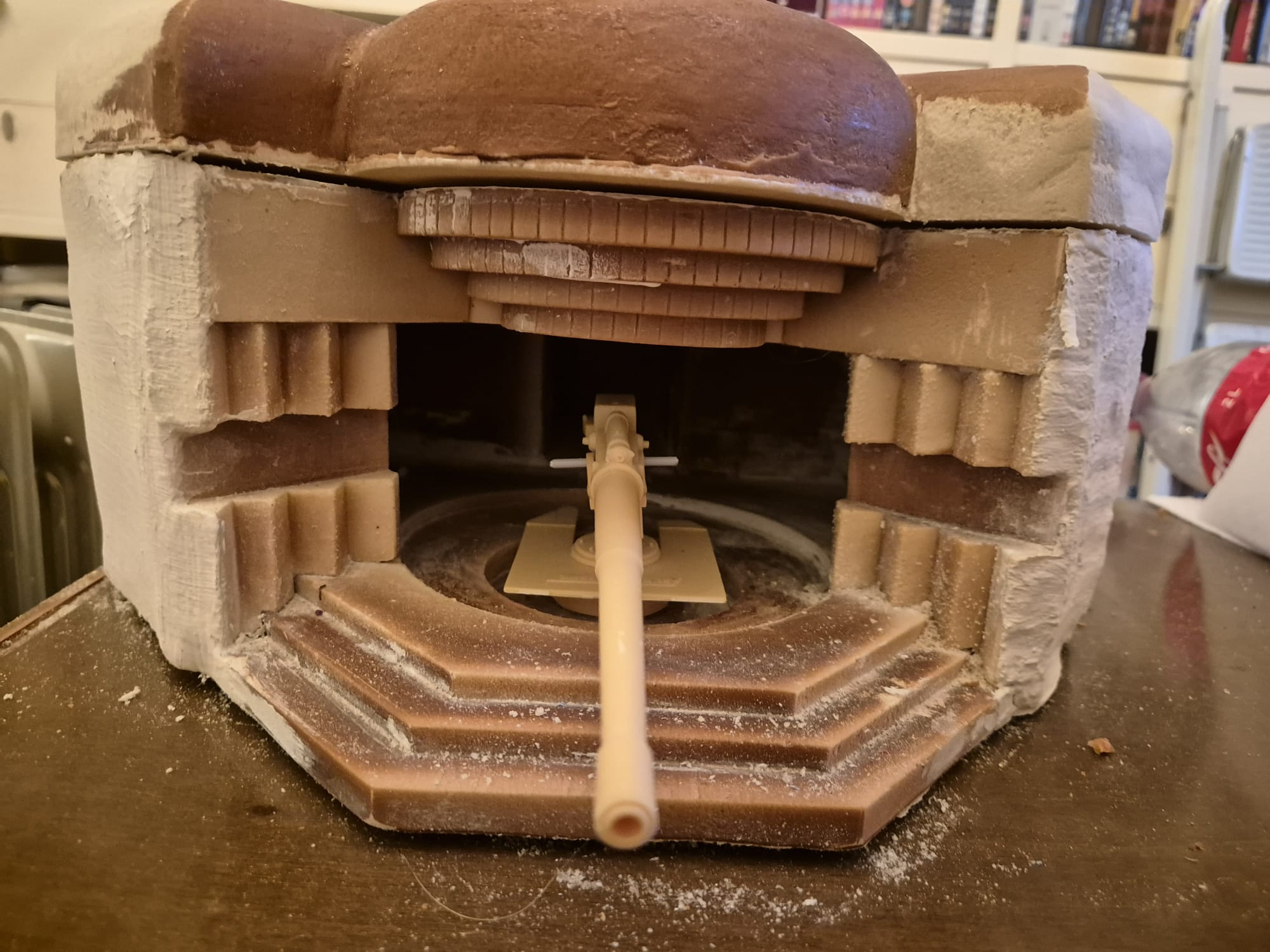
My immediate impression of the model itself was that the interior was completely wrong and that the parts made out of resin foam (light weight) were completely misaligned and flimsy.
I therefore decided that I could easily do without the interior since all I needed was a very clear view of the exterior structure and the Gun itself.
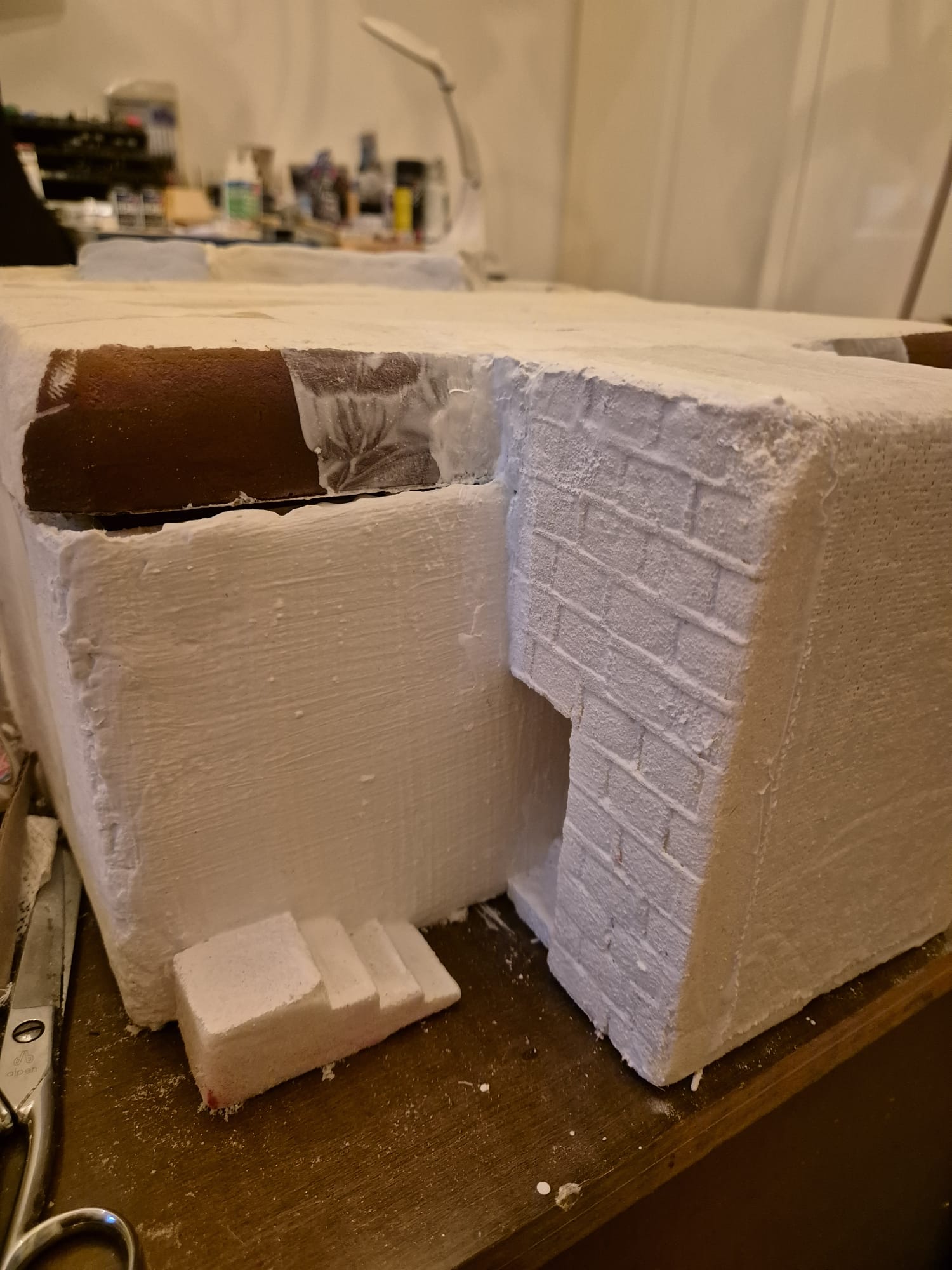
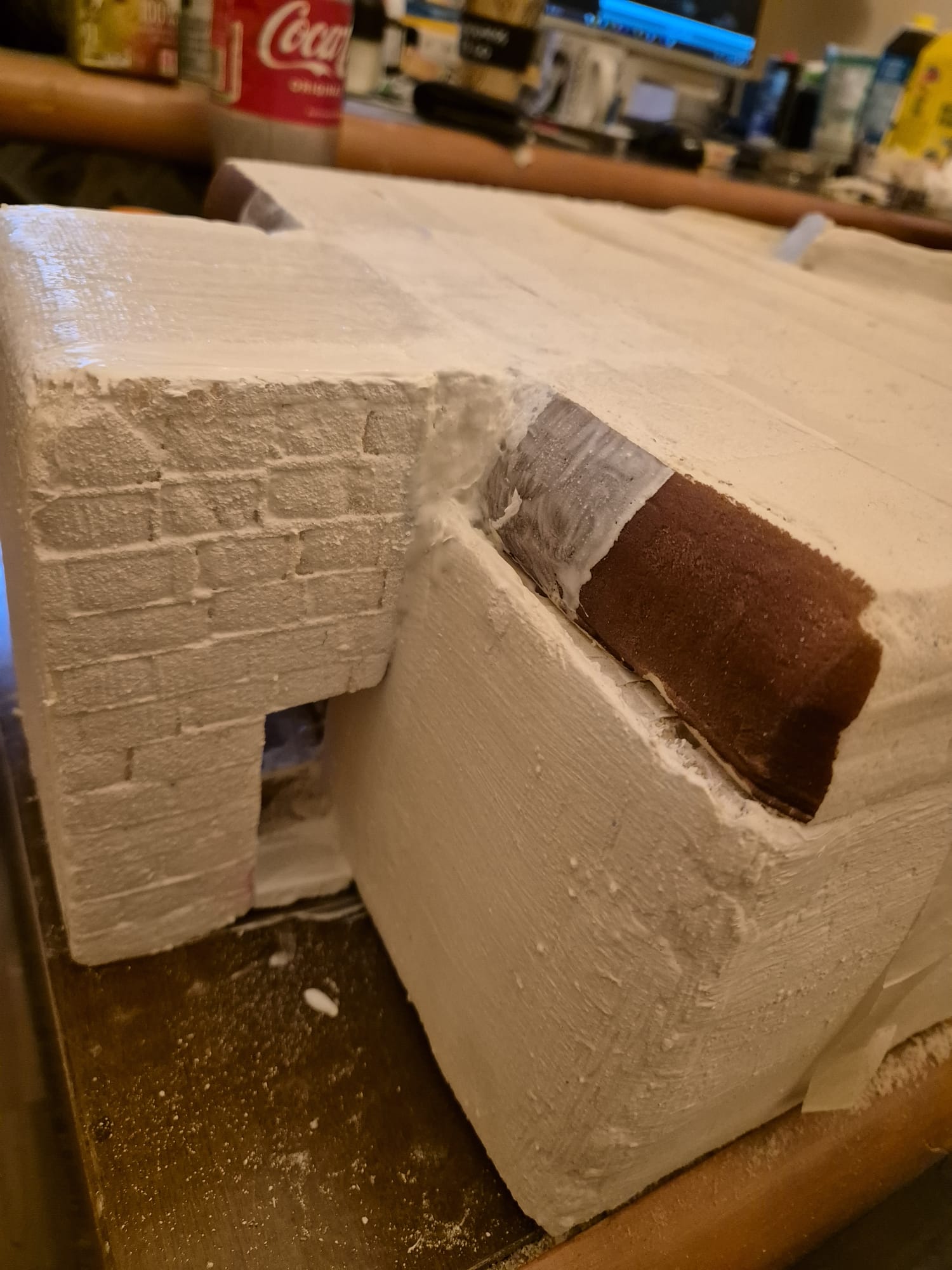
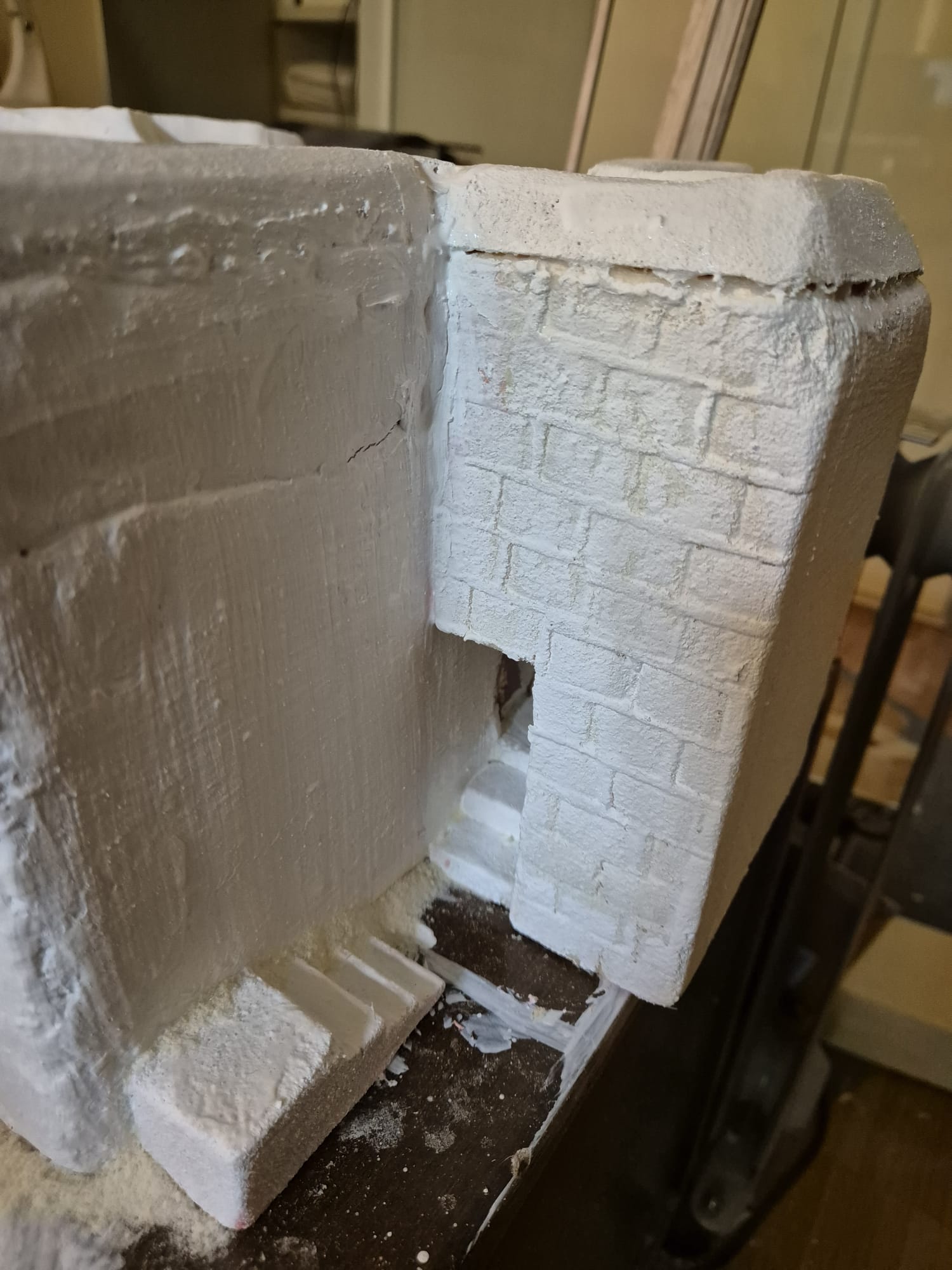
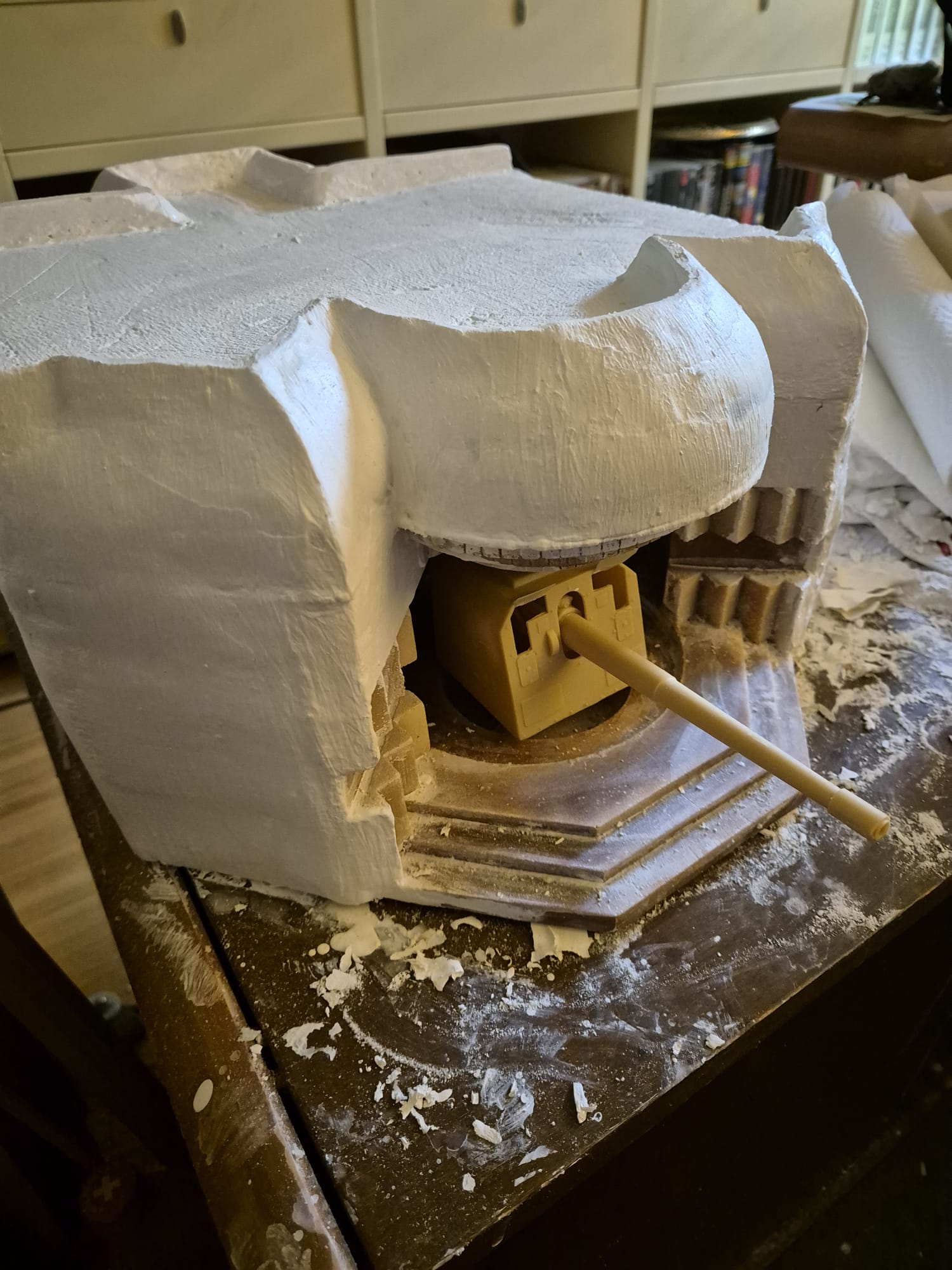
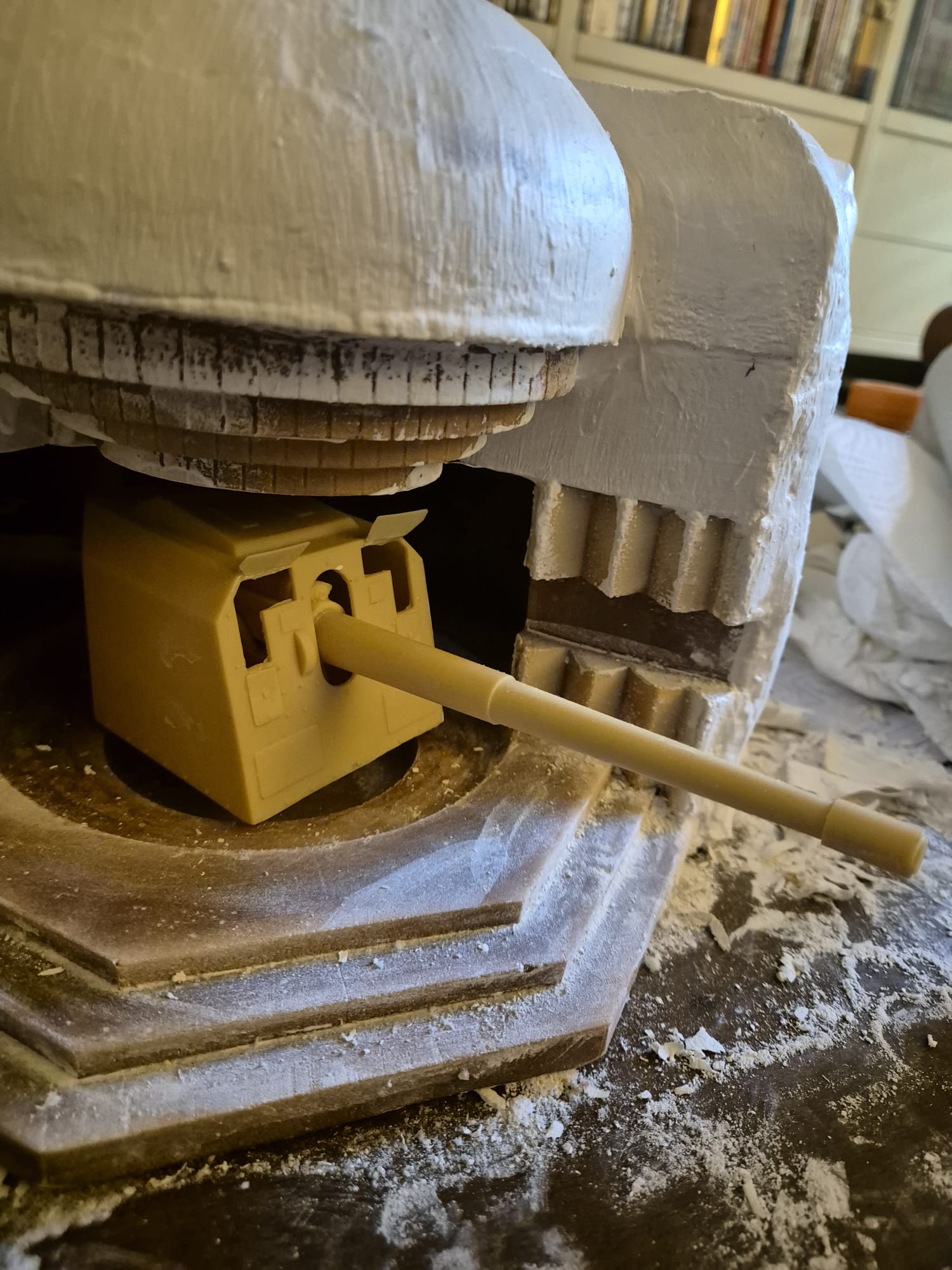
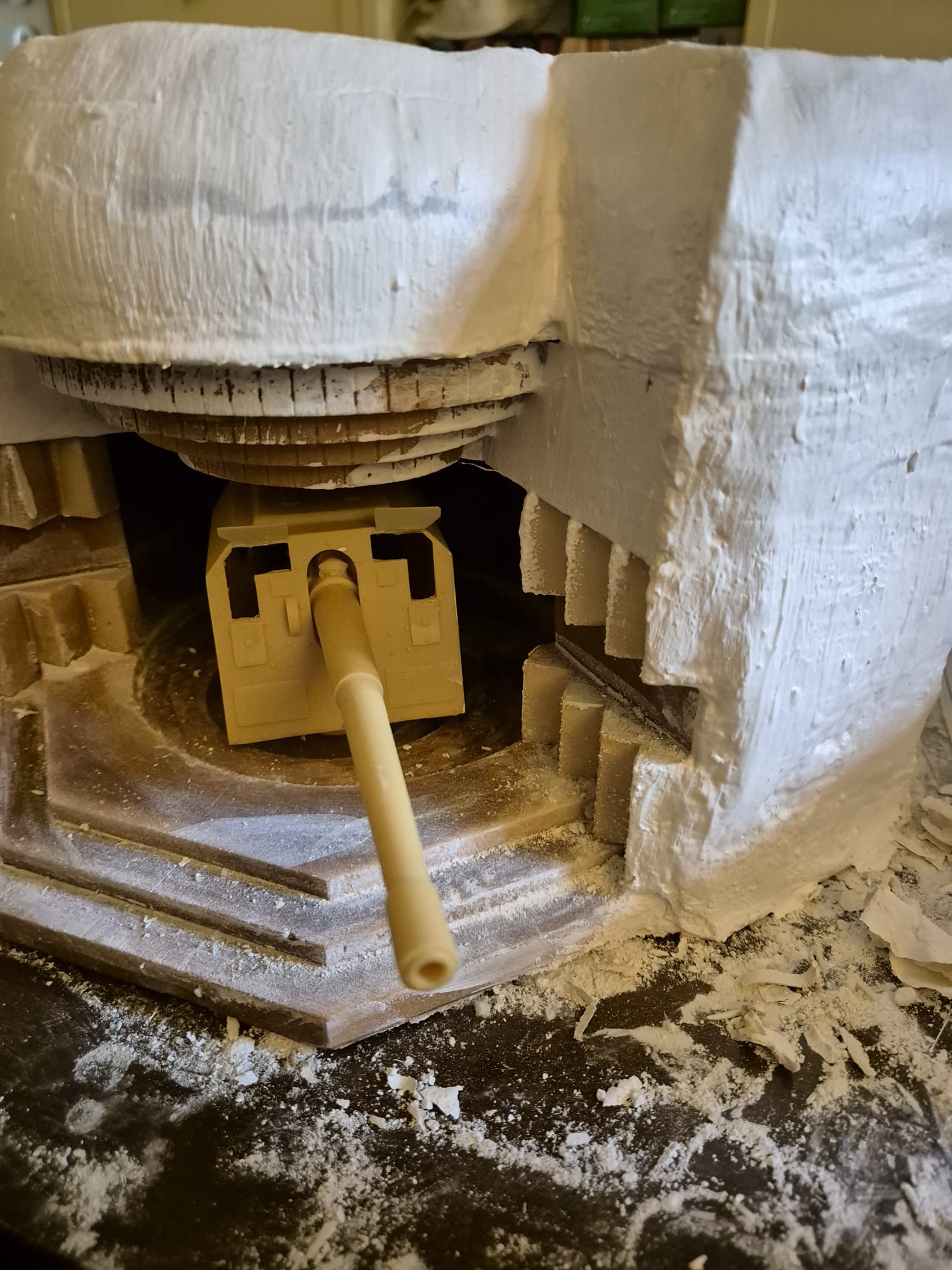
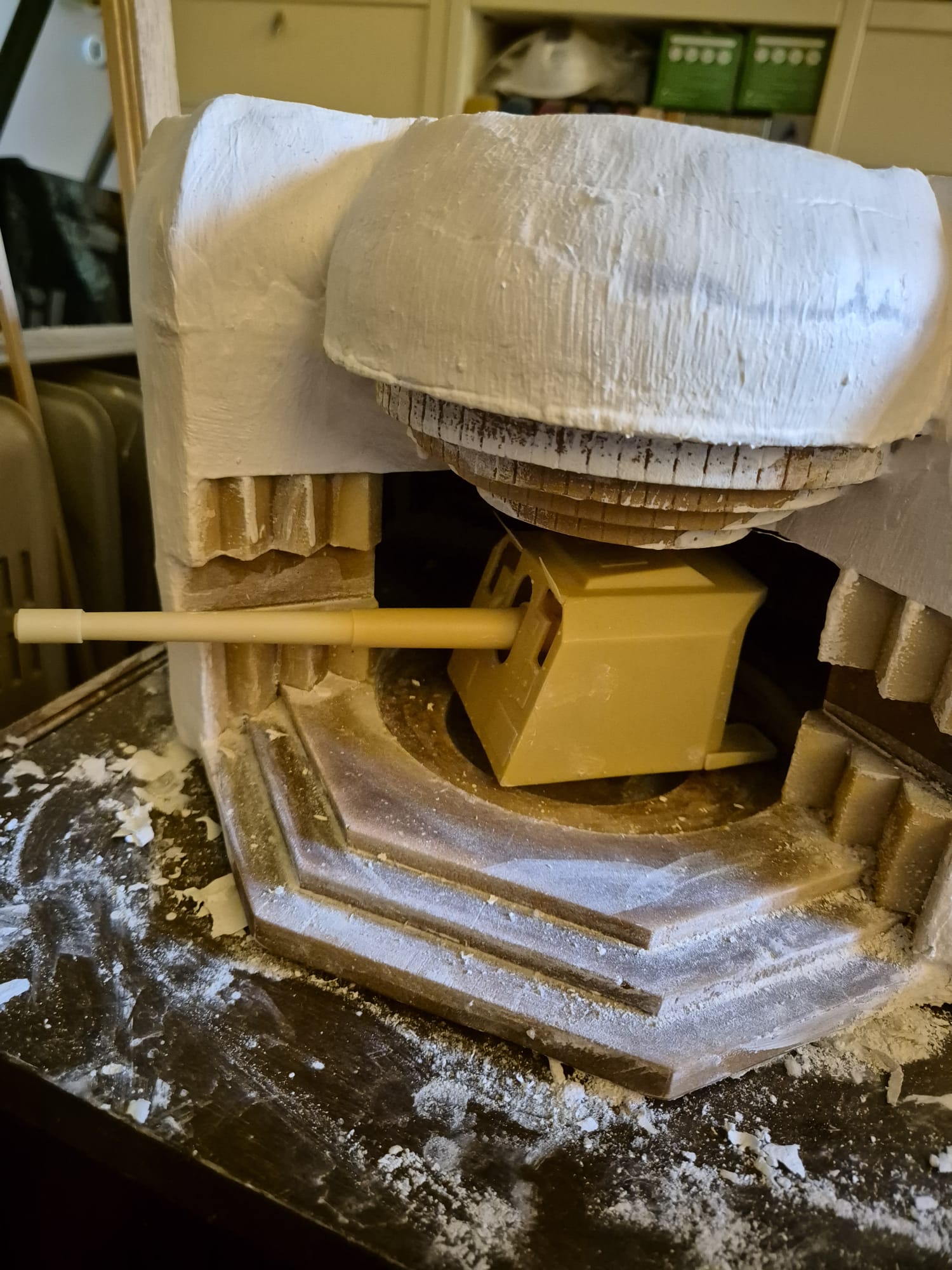
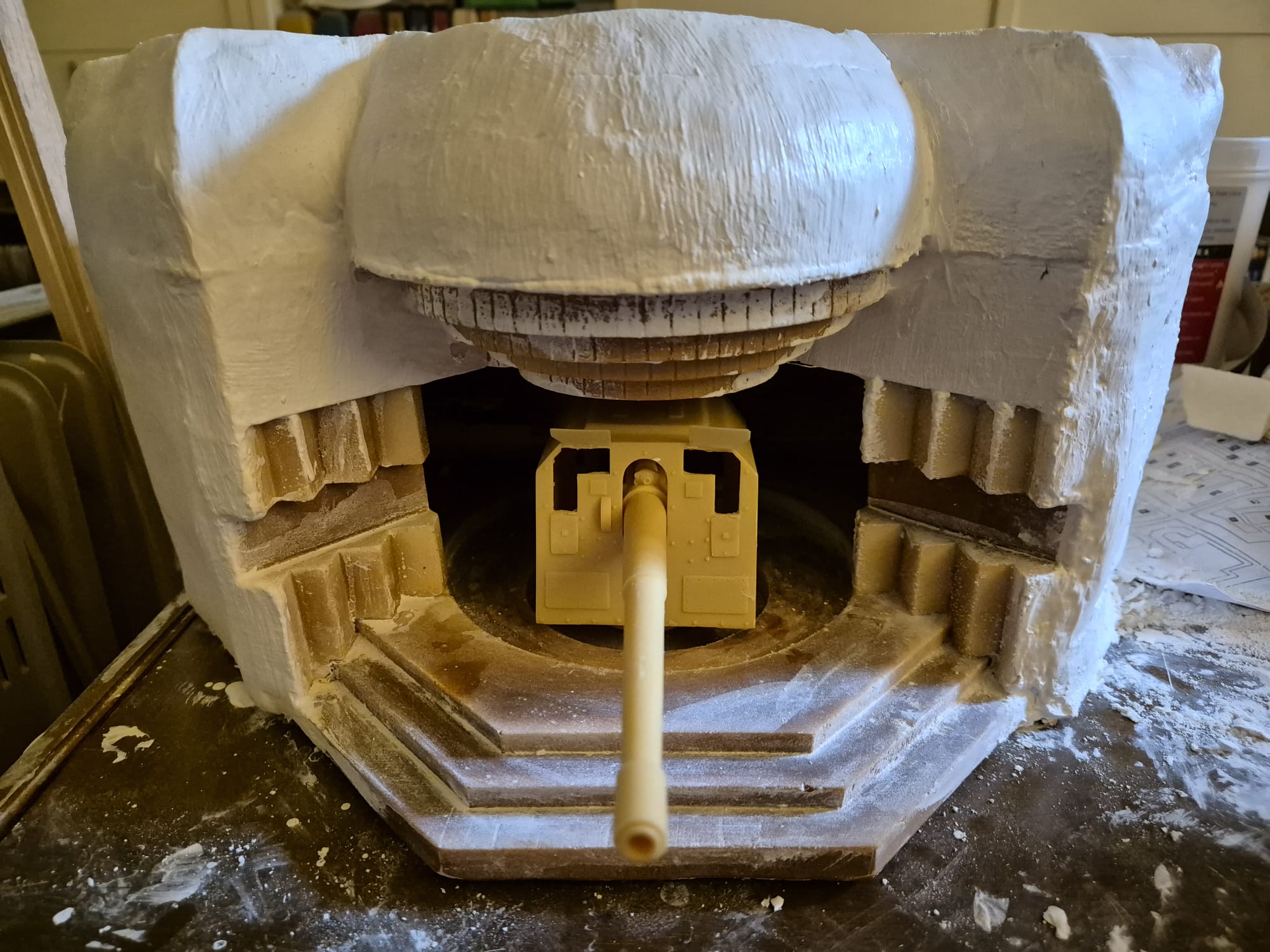
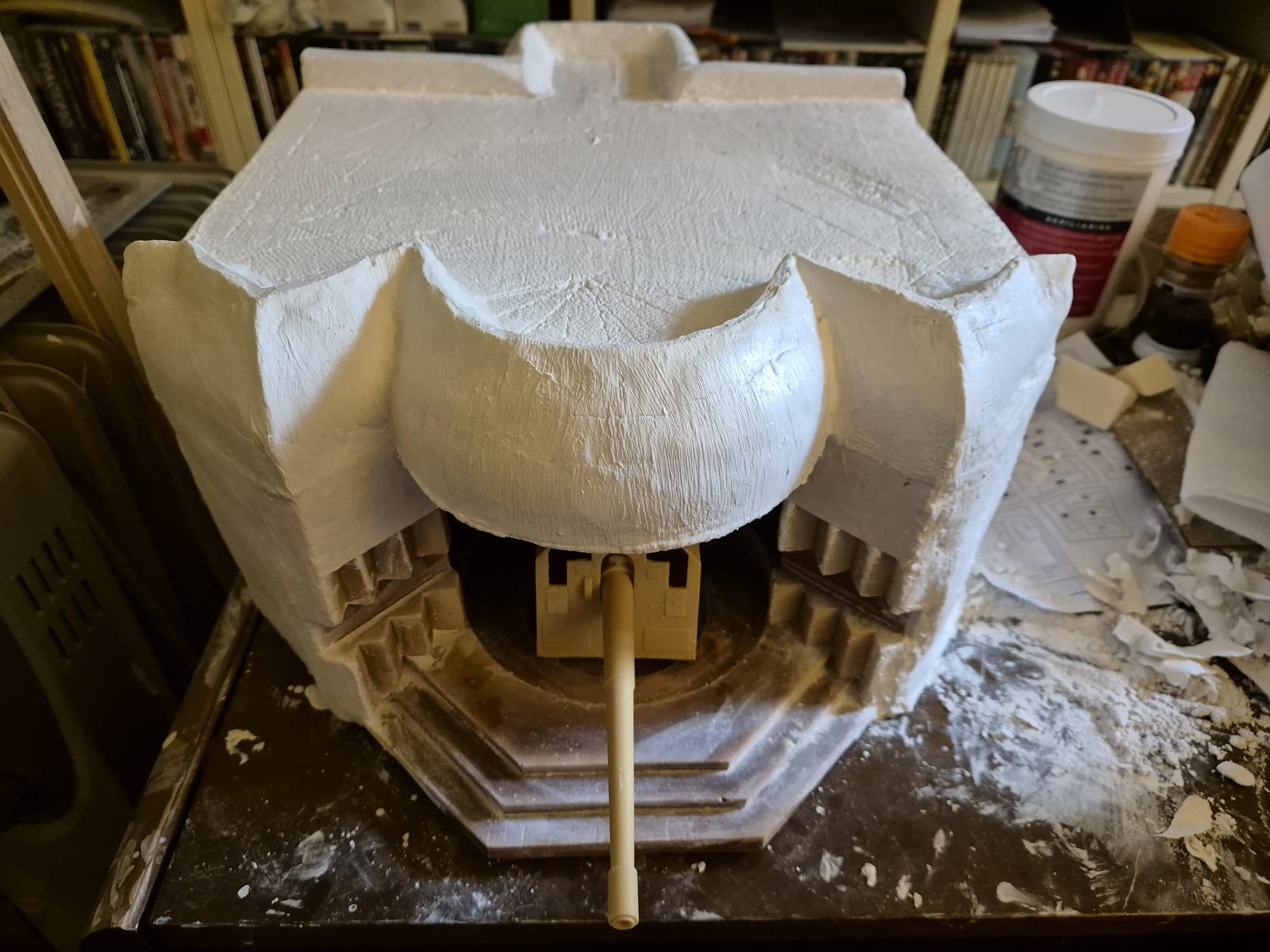
To make it solid and more sturdy I filled all the interiors with plaster and did the same to the outer walls except for the rooftop that had to be completely redesigned.
I also had to reinforce the walls with plaster cloth and that then covered with a resin modeling paste mixed with plaster powder.

Here are just a few pictures of the beginning of my ordeal.
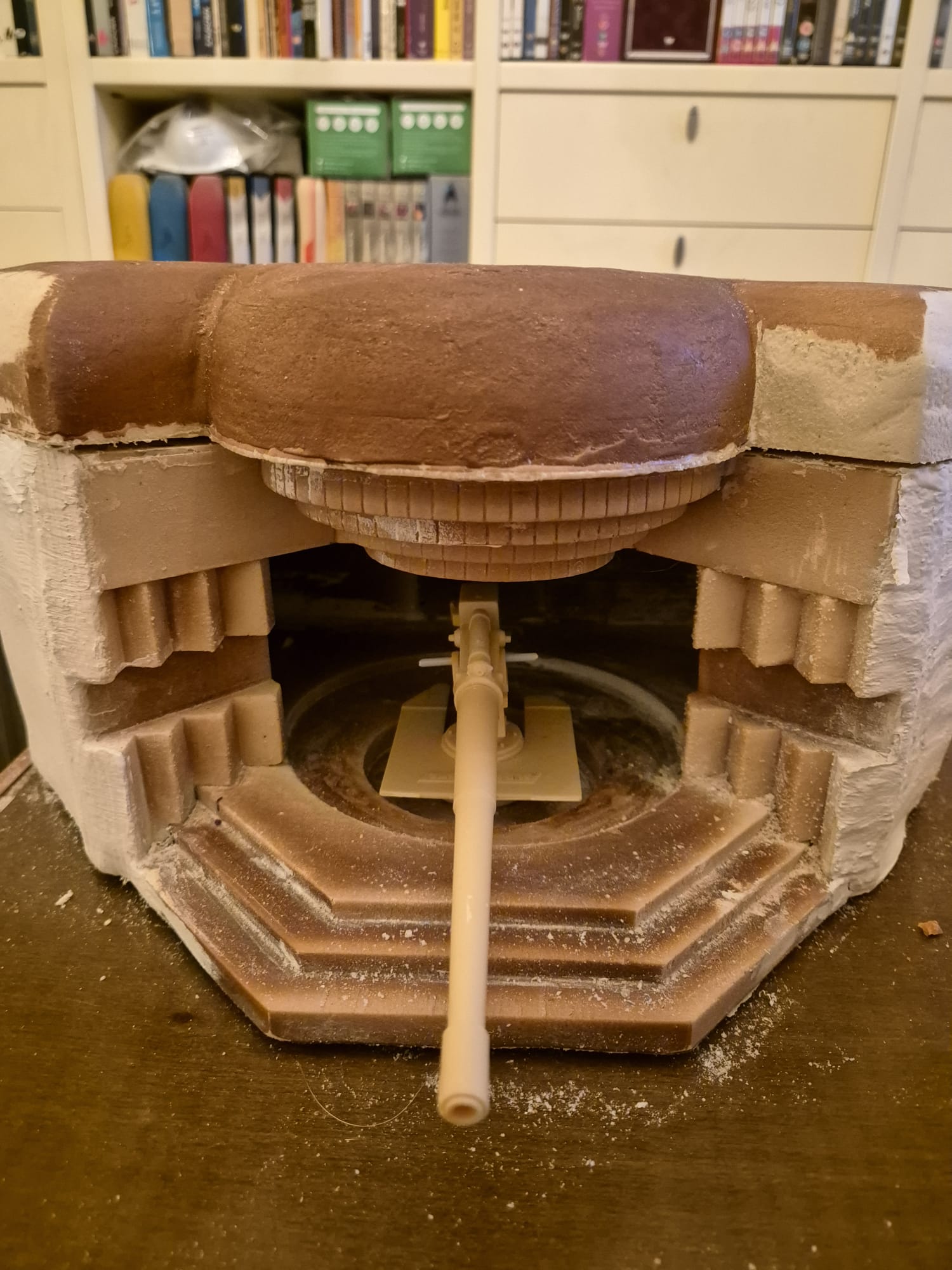


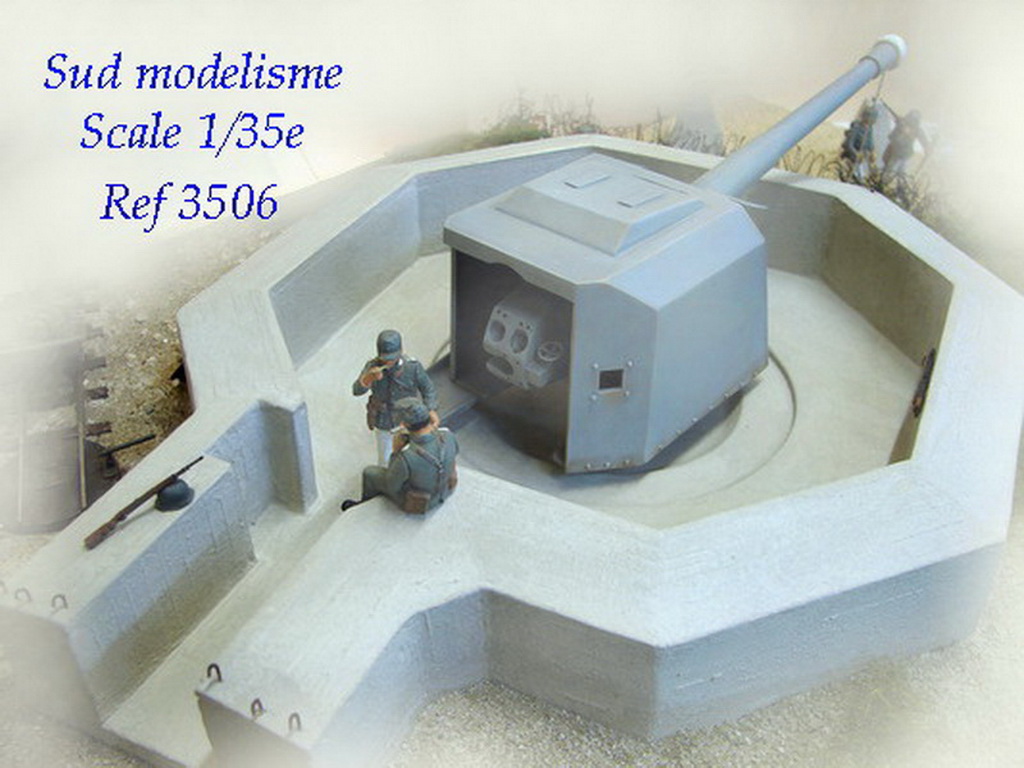
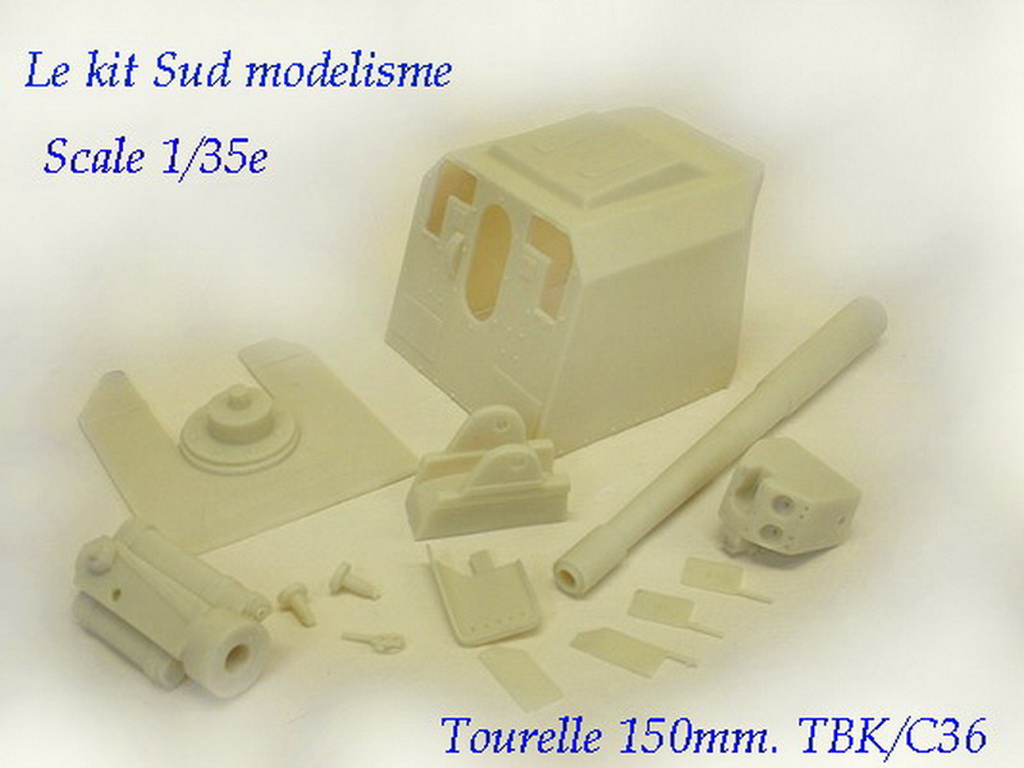
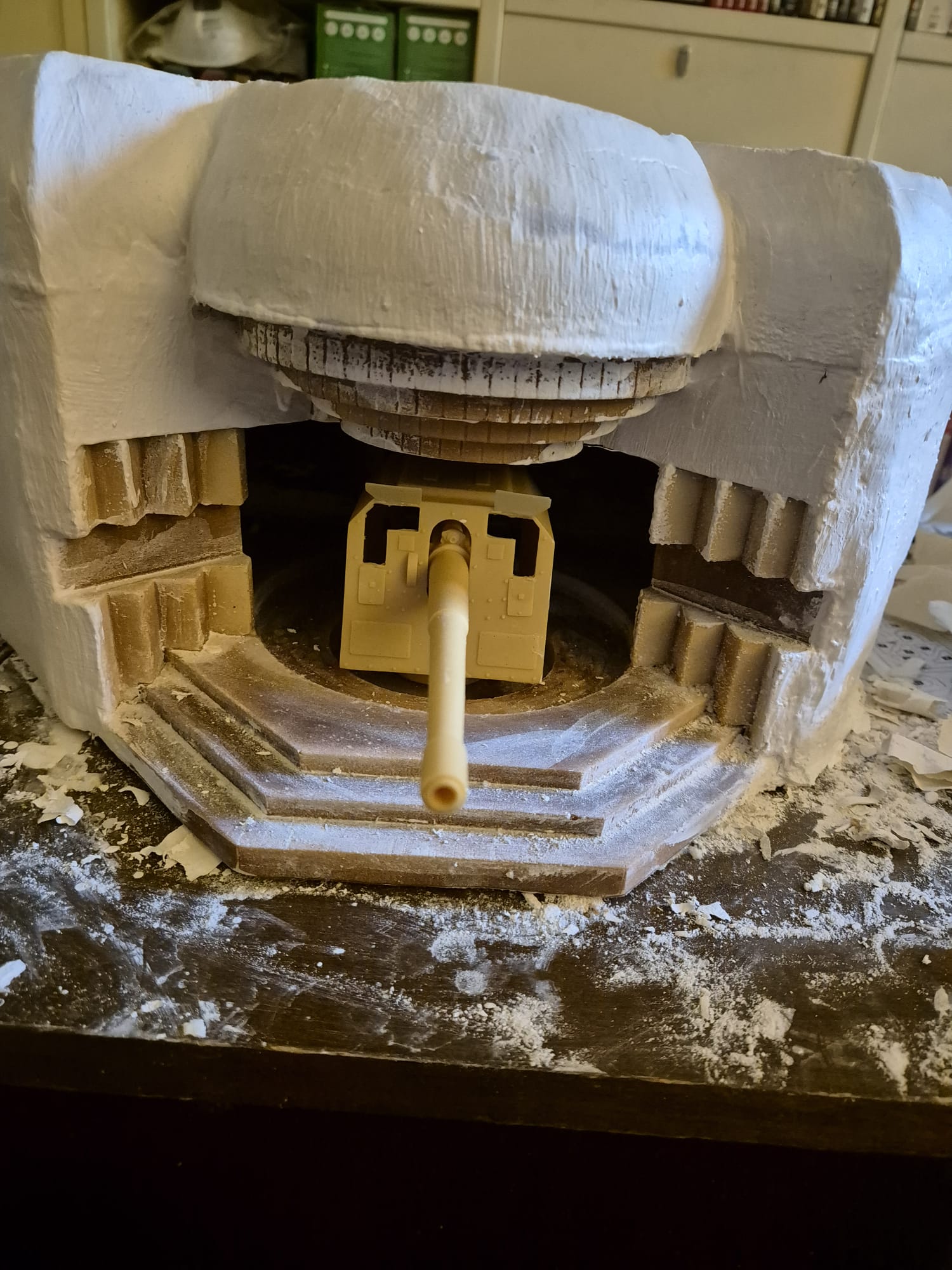
The Gun and Gun turret you have seen in the previous pictures were not from Masterpiece Models, since those were all of the wrong shape and the length of the Gun was also wrong.
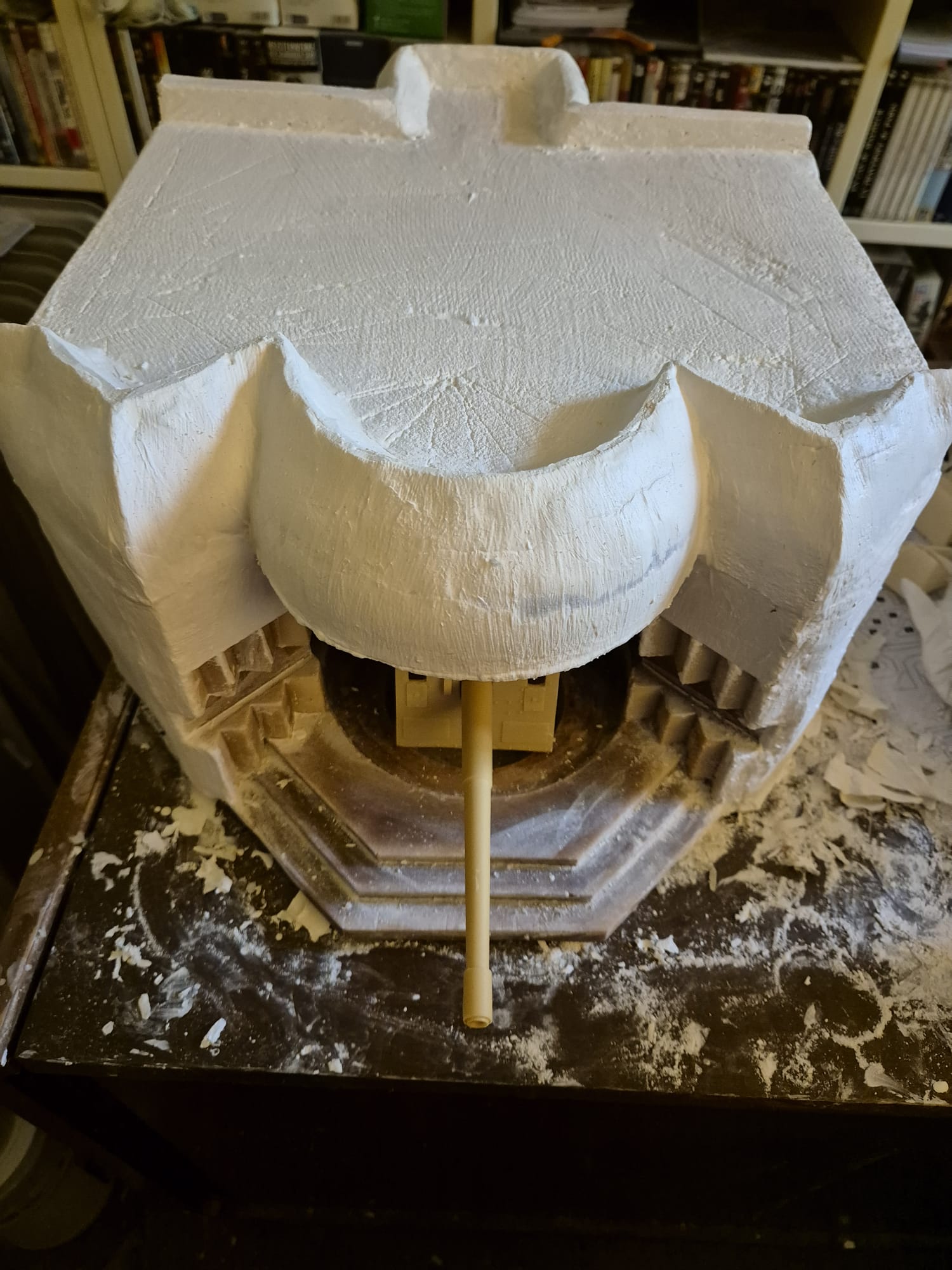
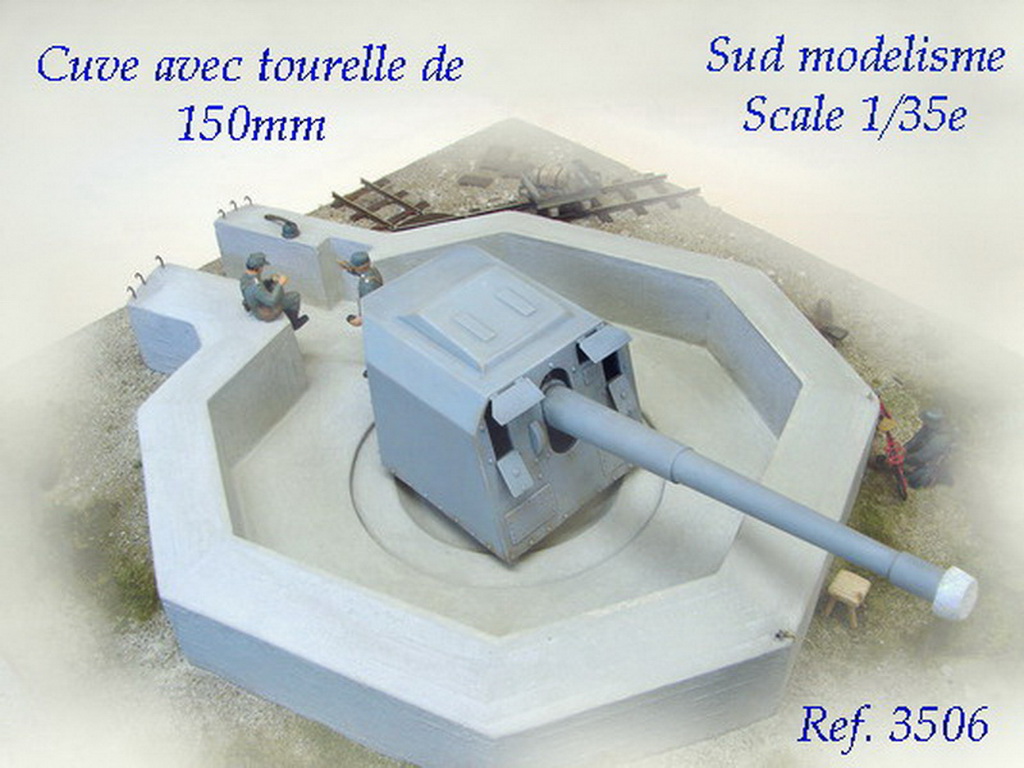
I therefore had to dish up more money to buy the correct one from a French Store called PN Sud modellisme which sold the correct reproduction of the turret and gun, including open shutters for the gunners to have a clear vision outside.

This is the said model:


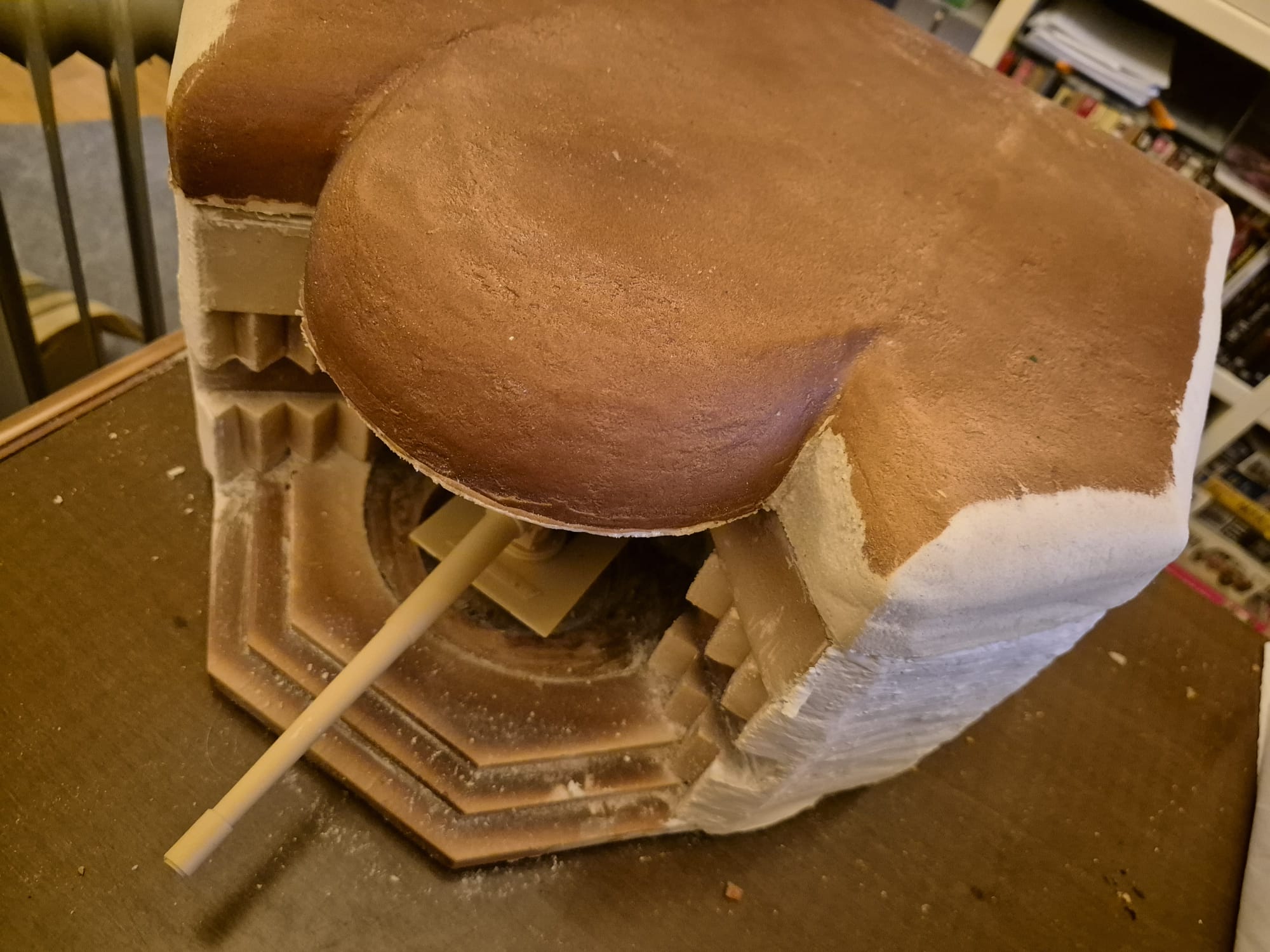
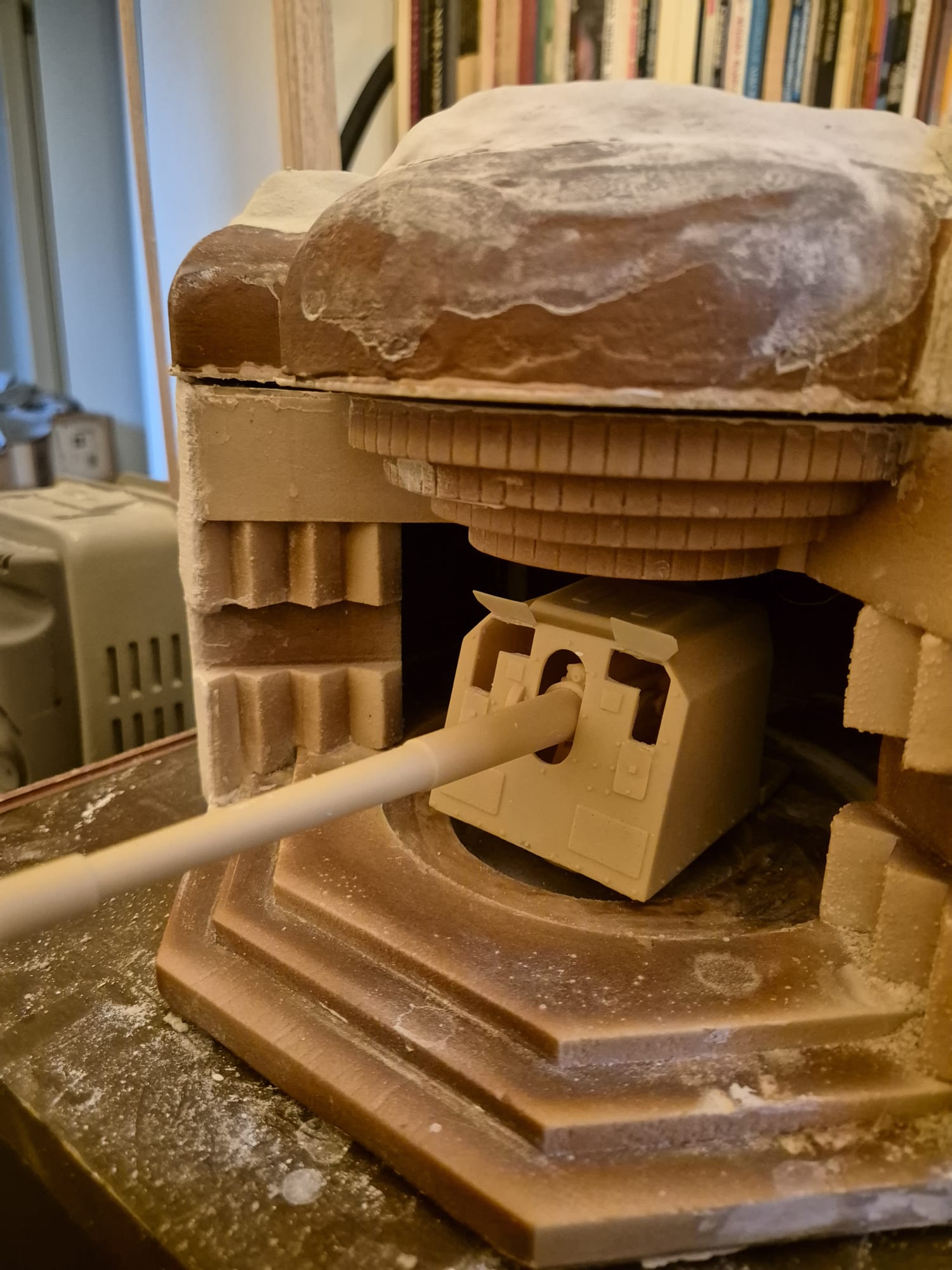
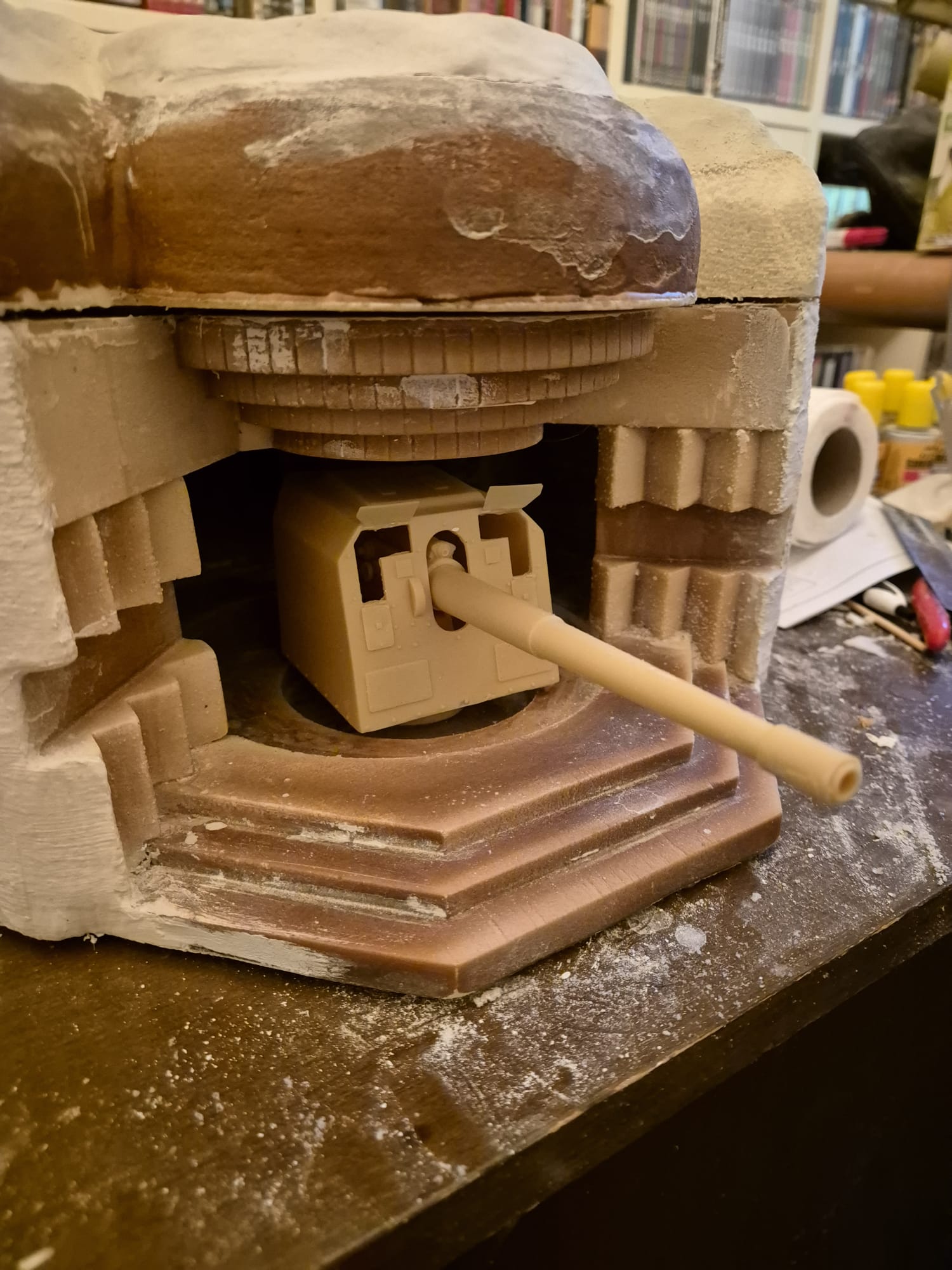
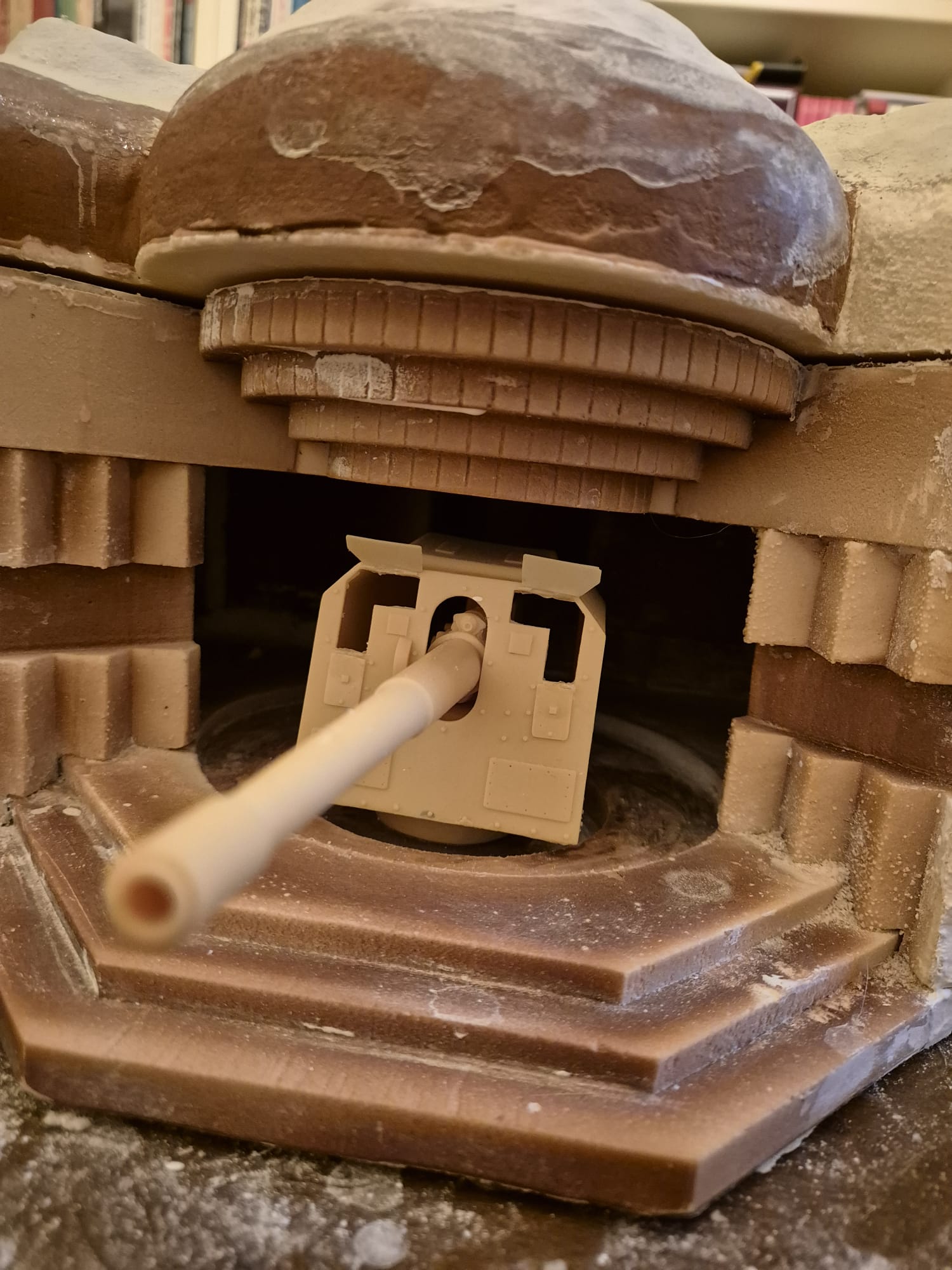
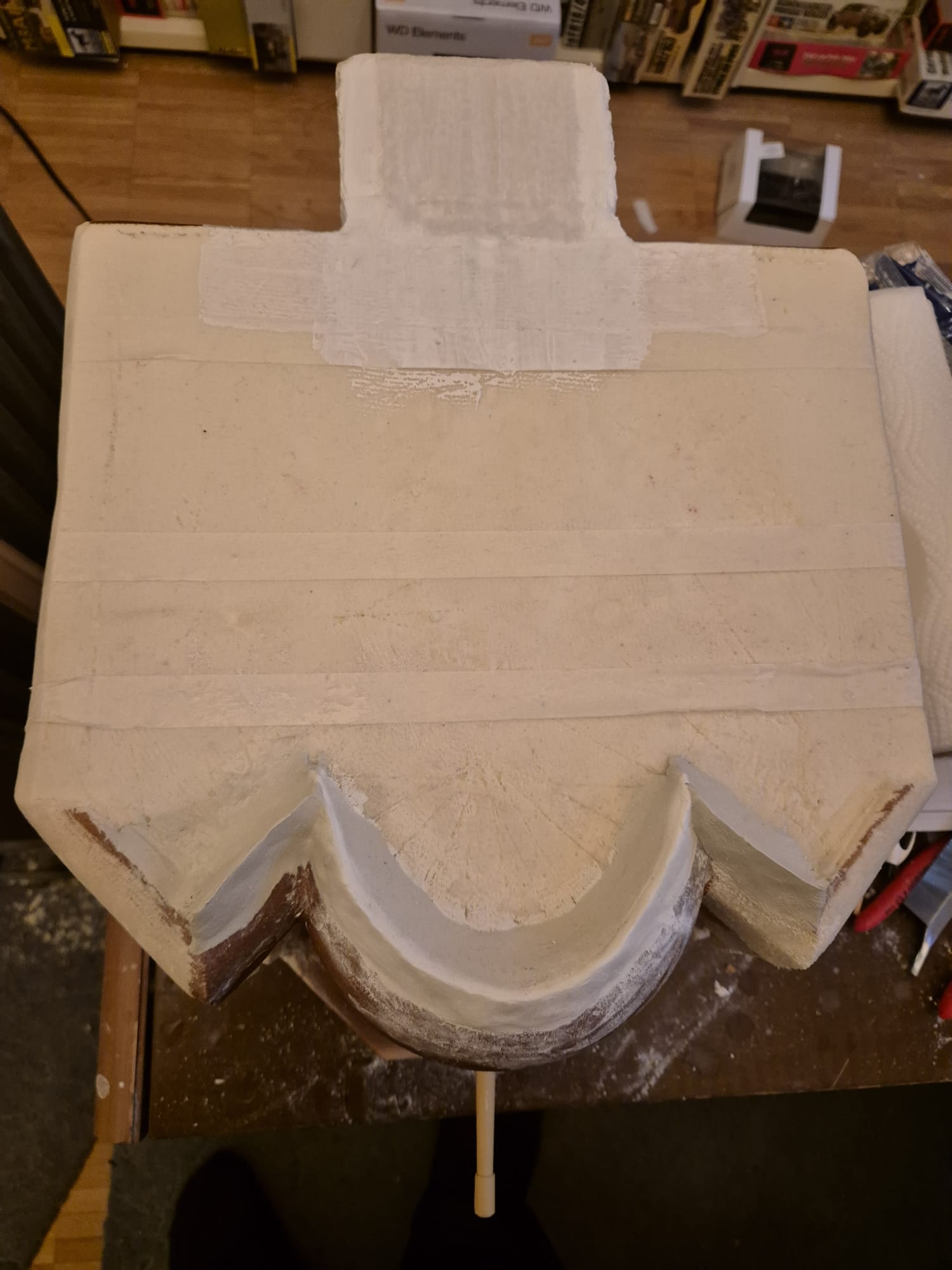
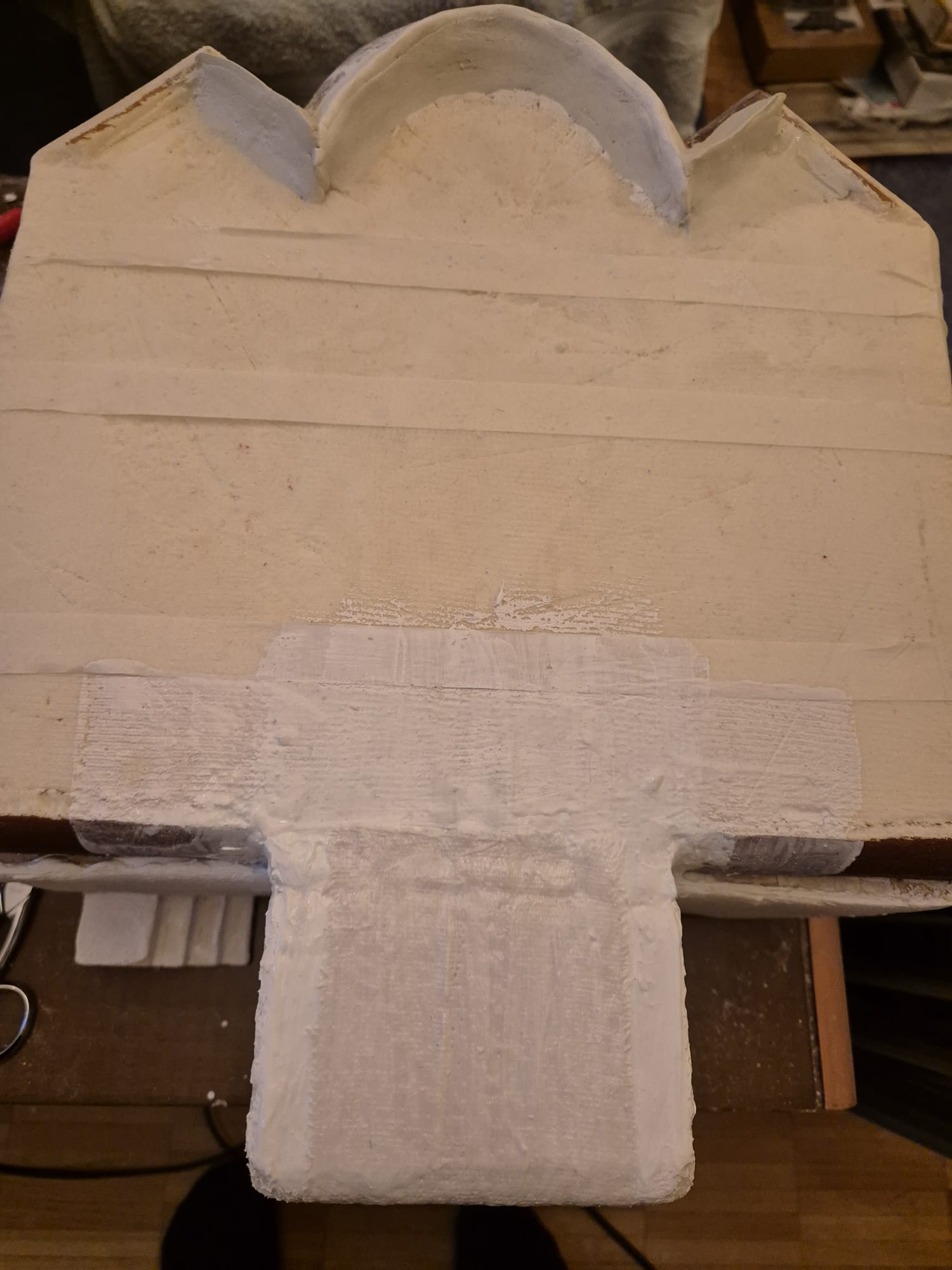
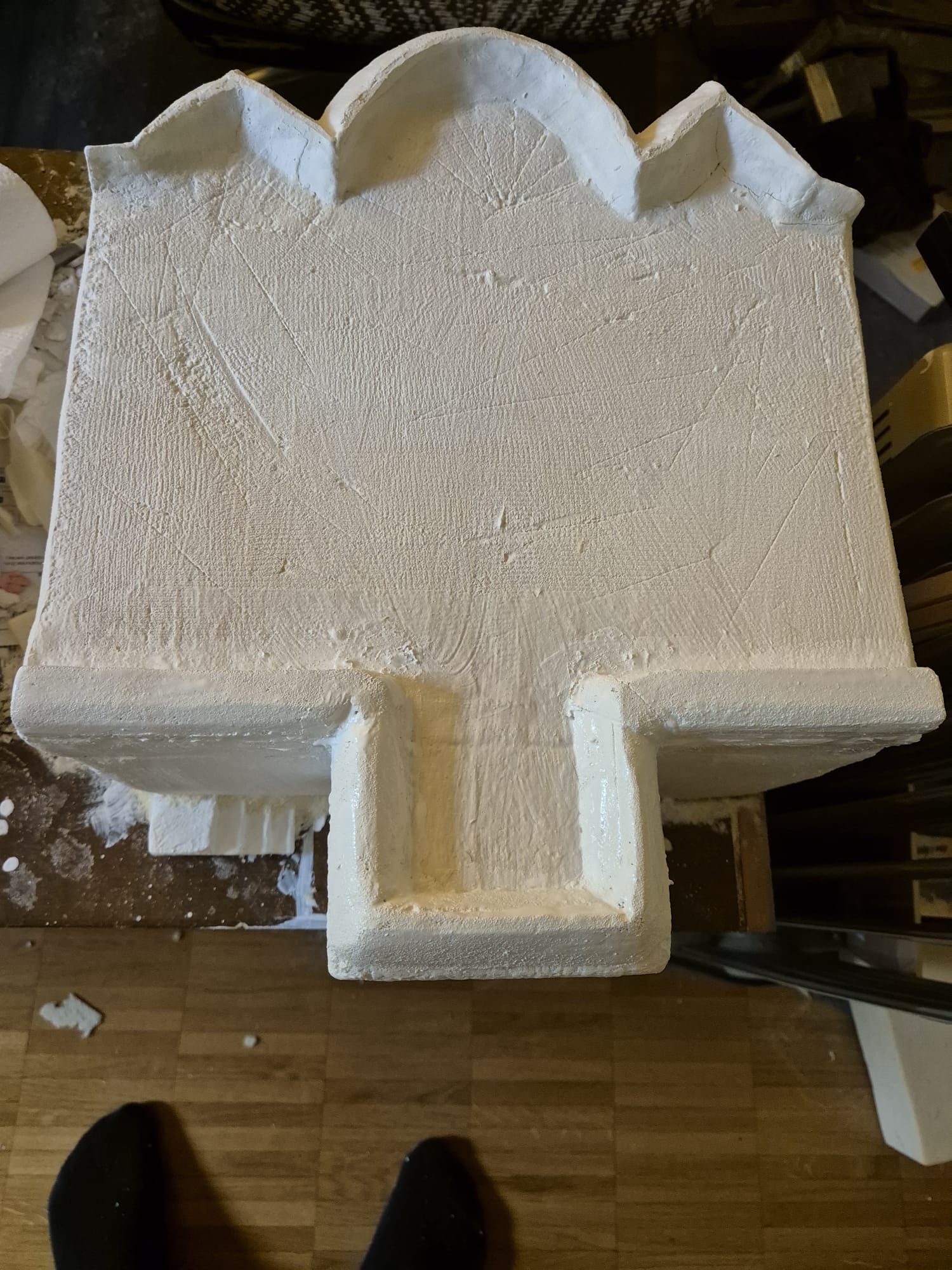
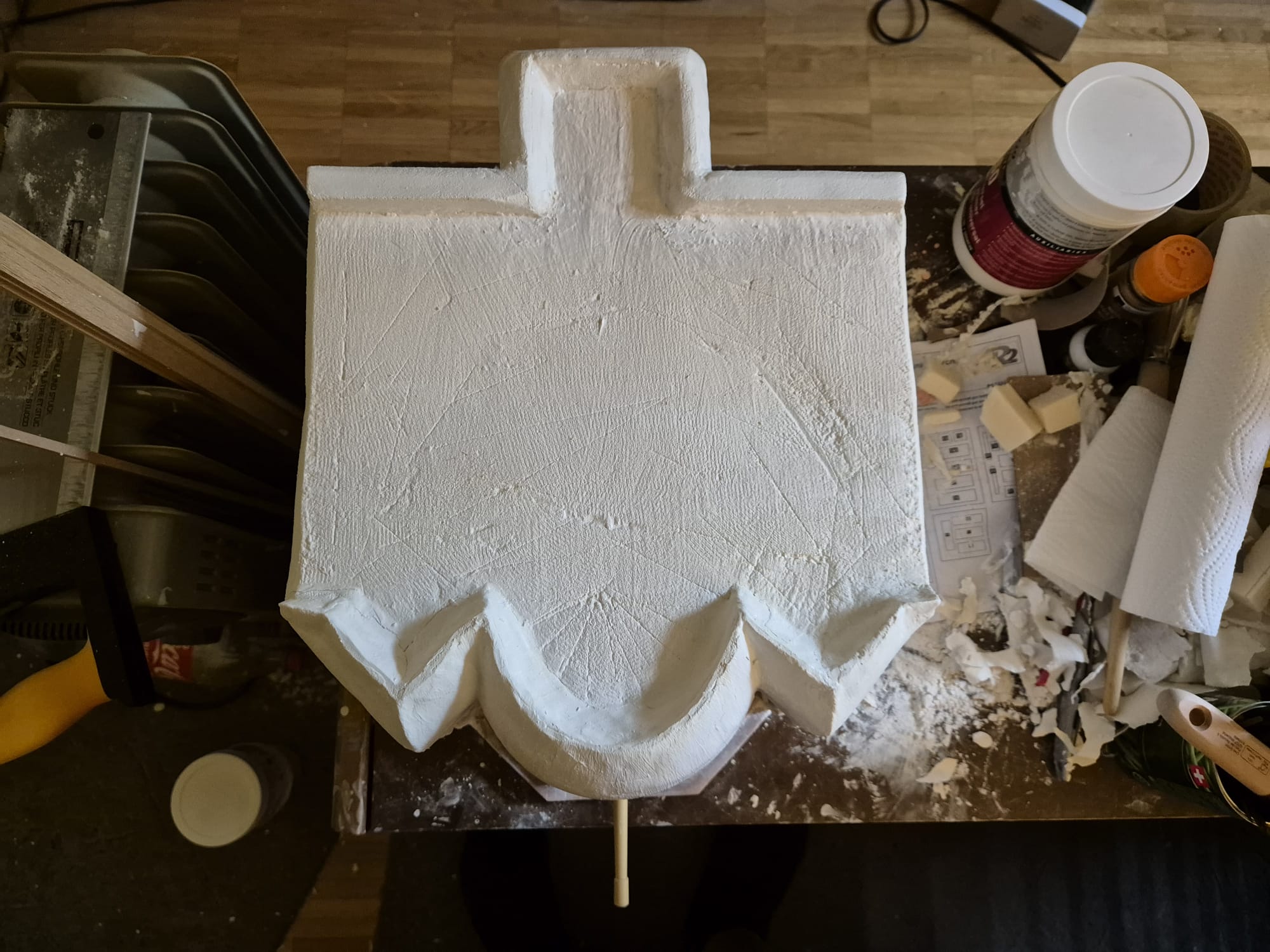
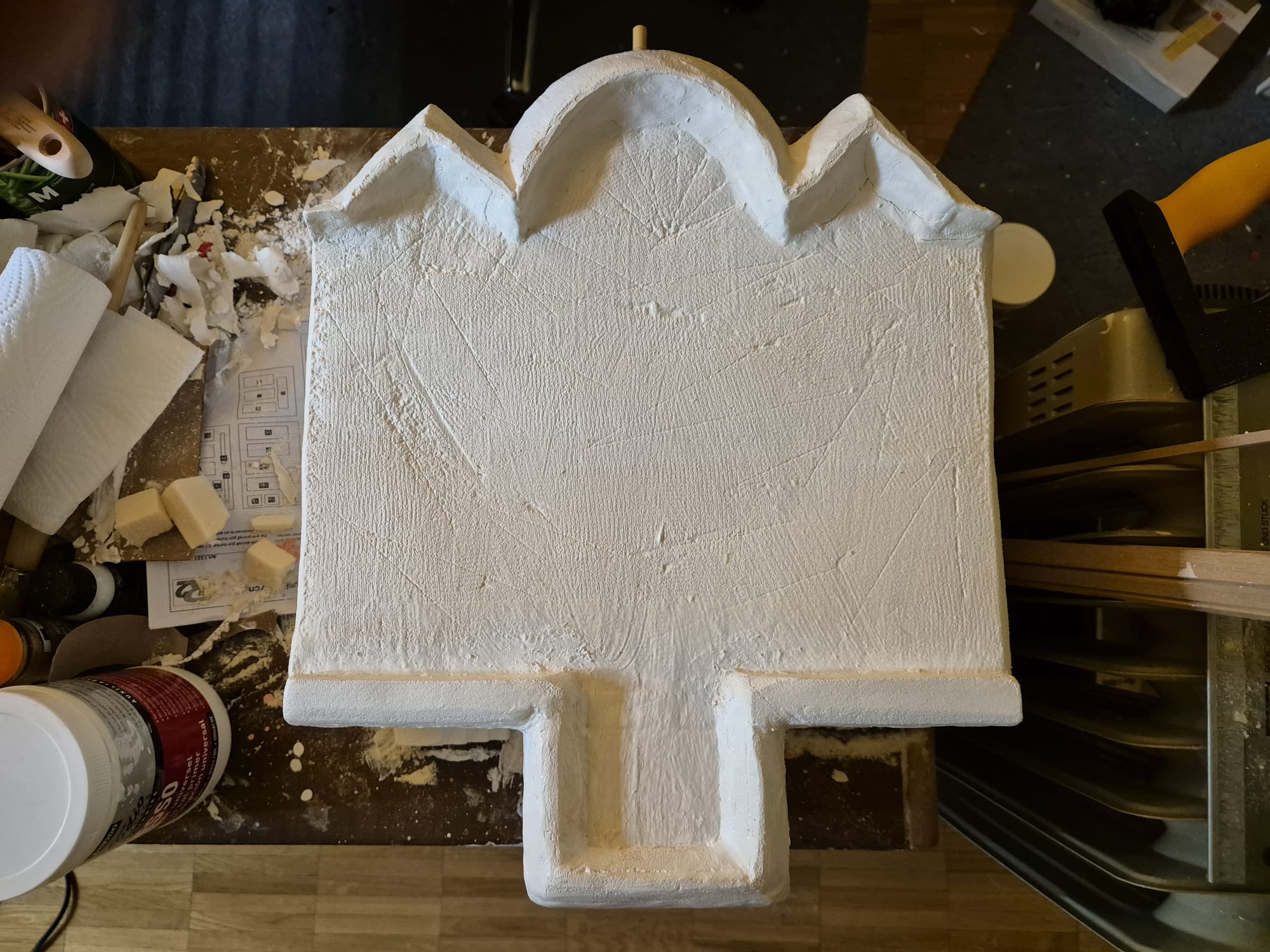
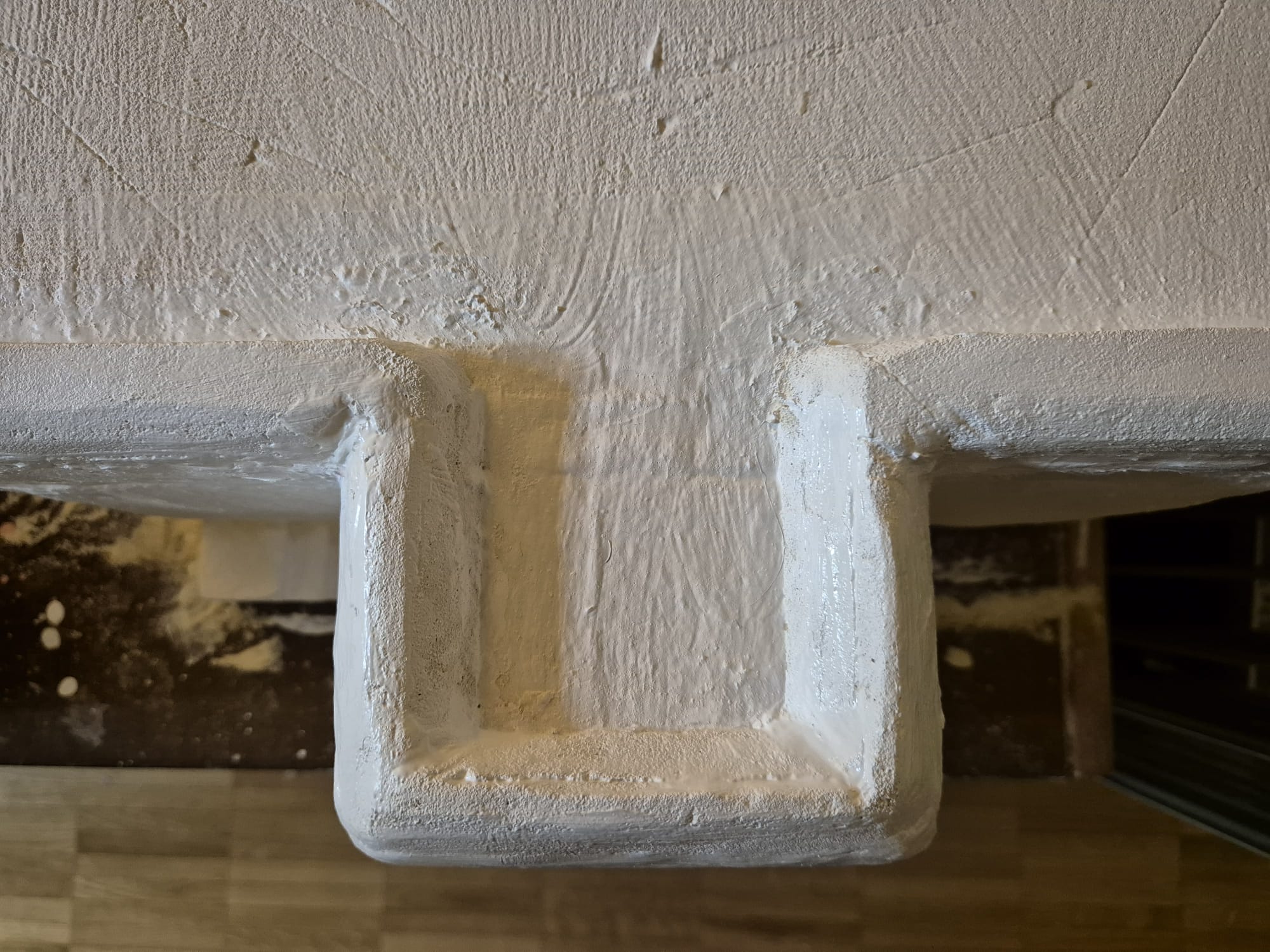
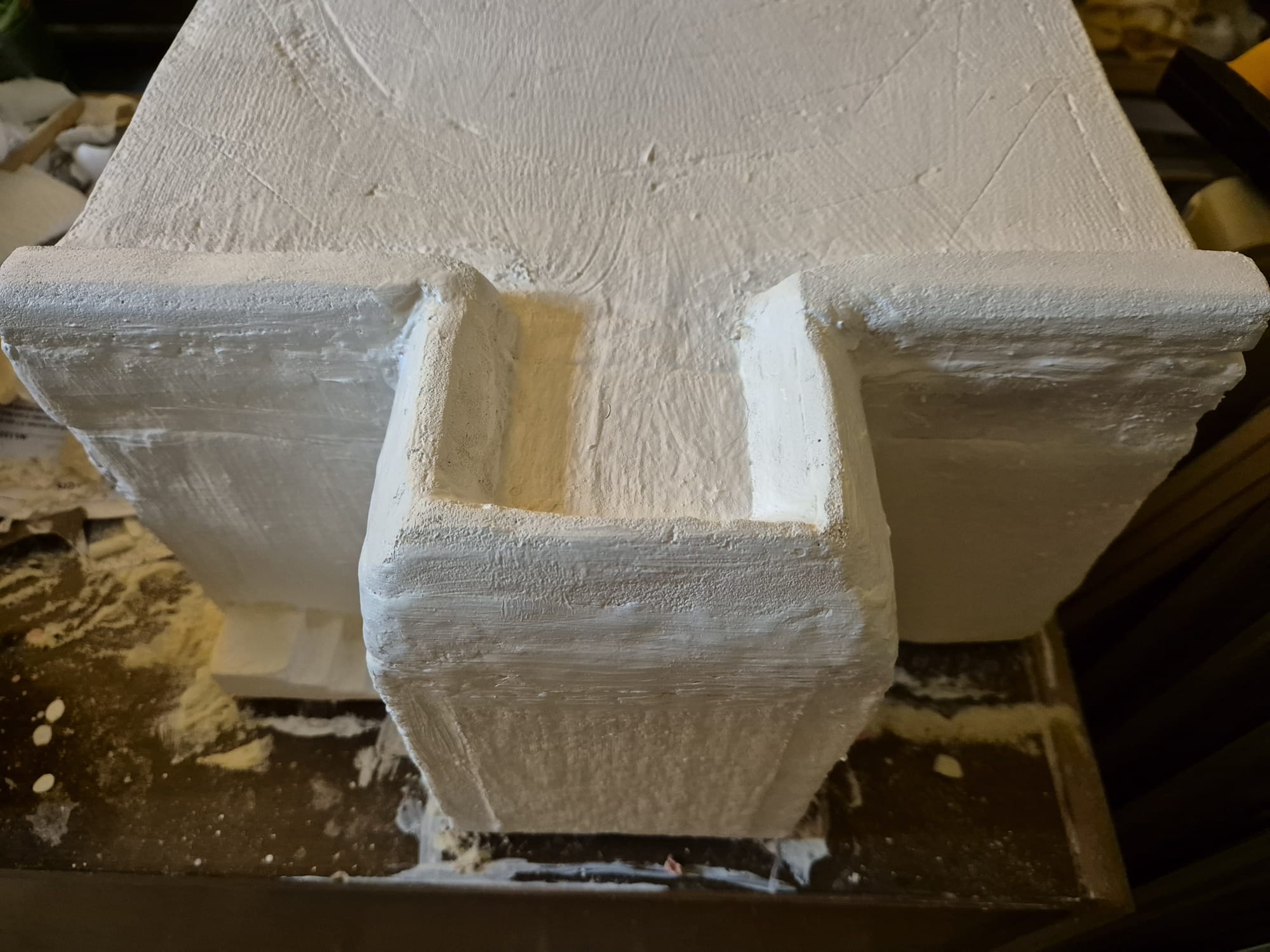
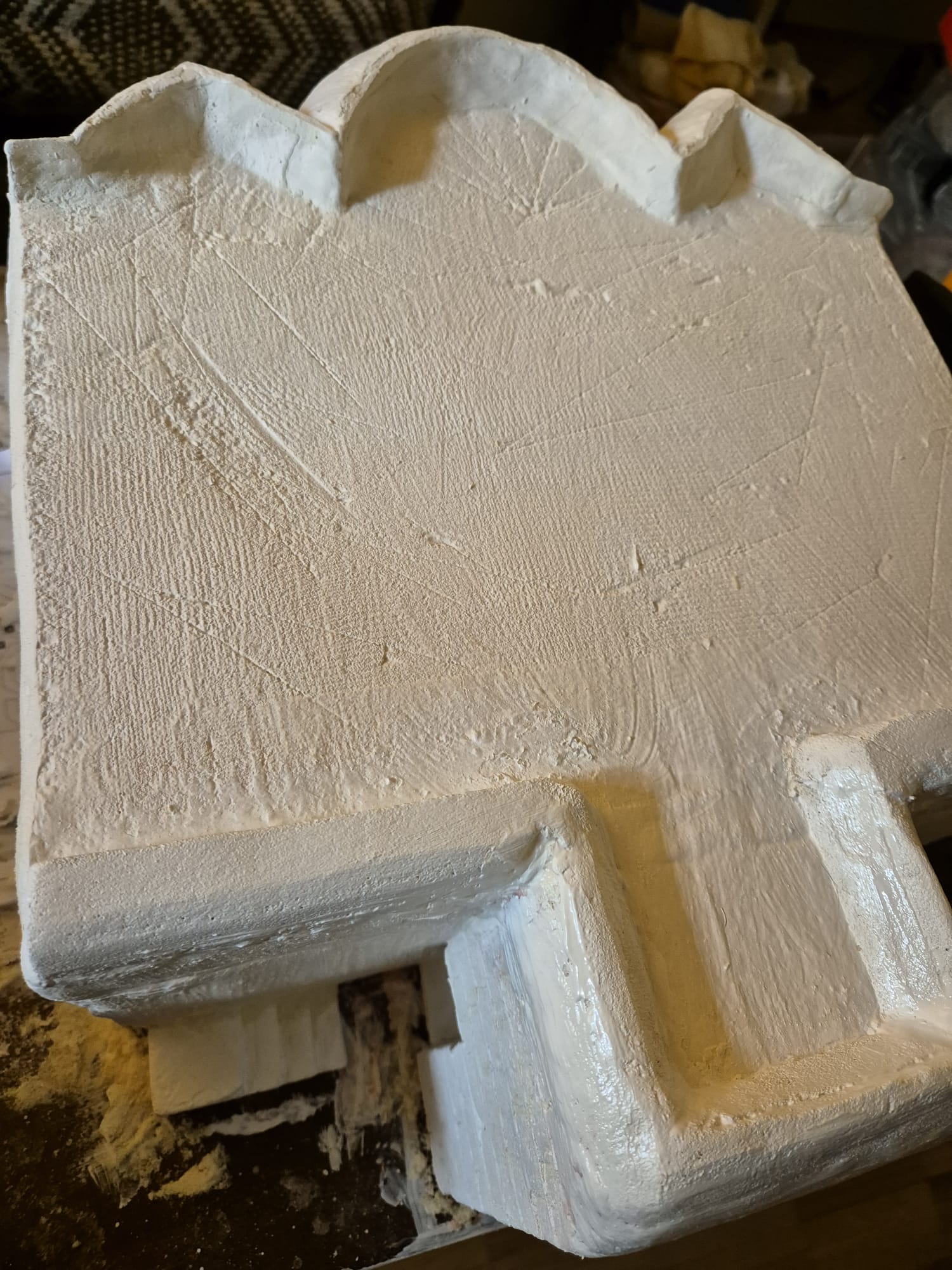
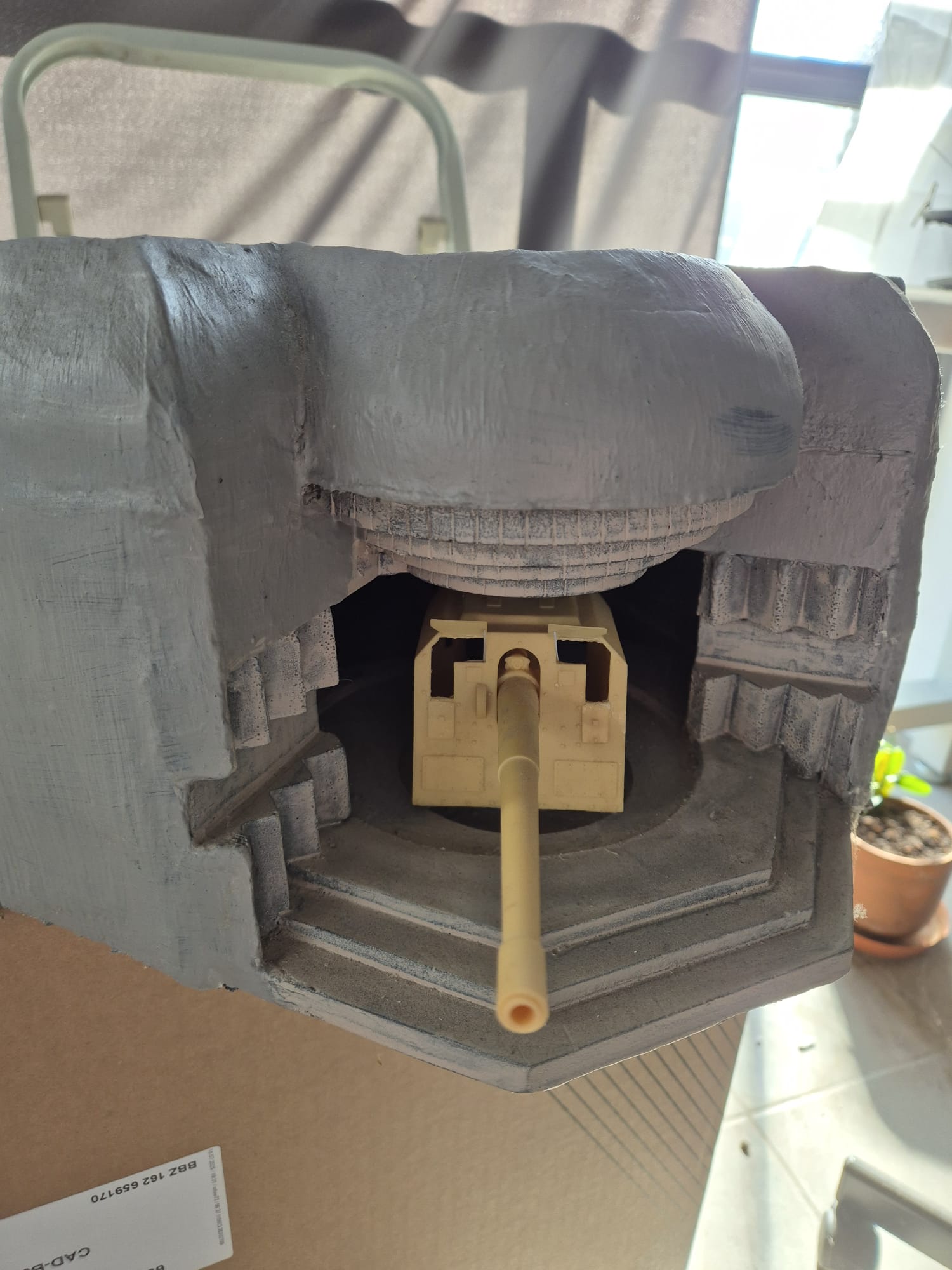
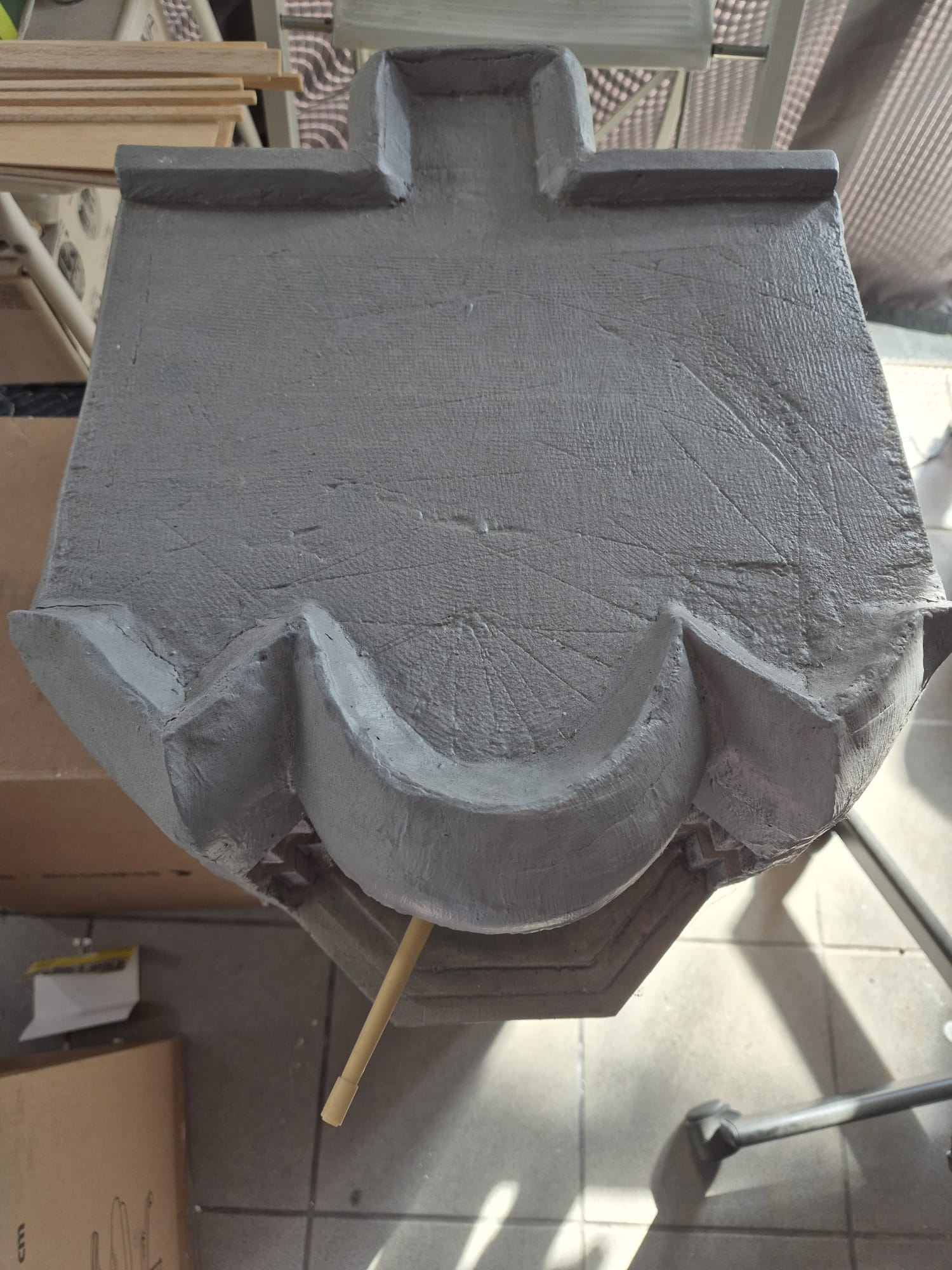
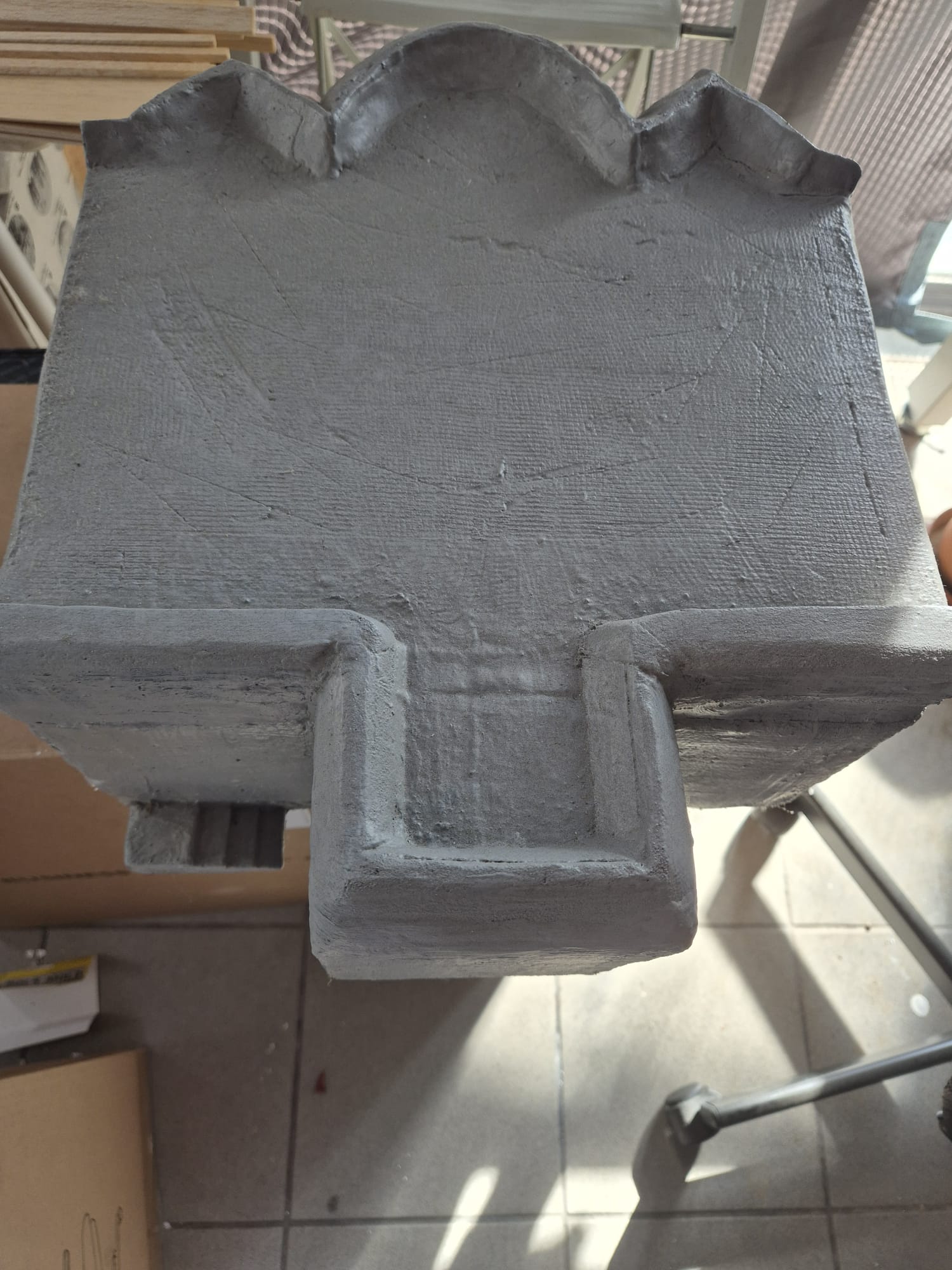
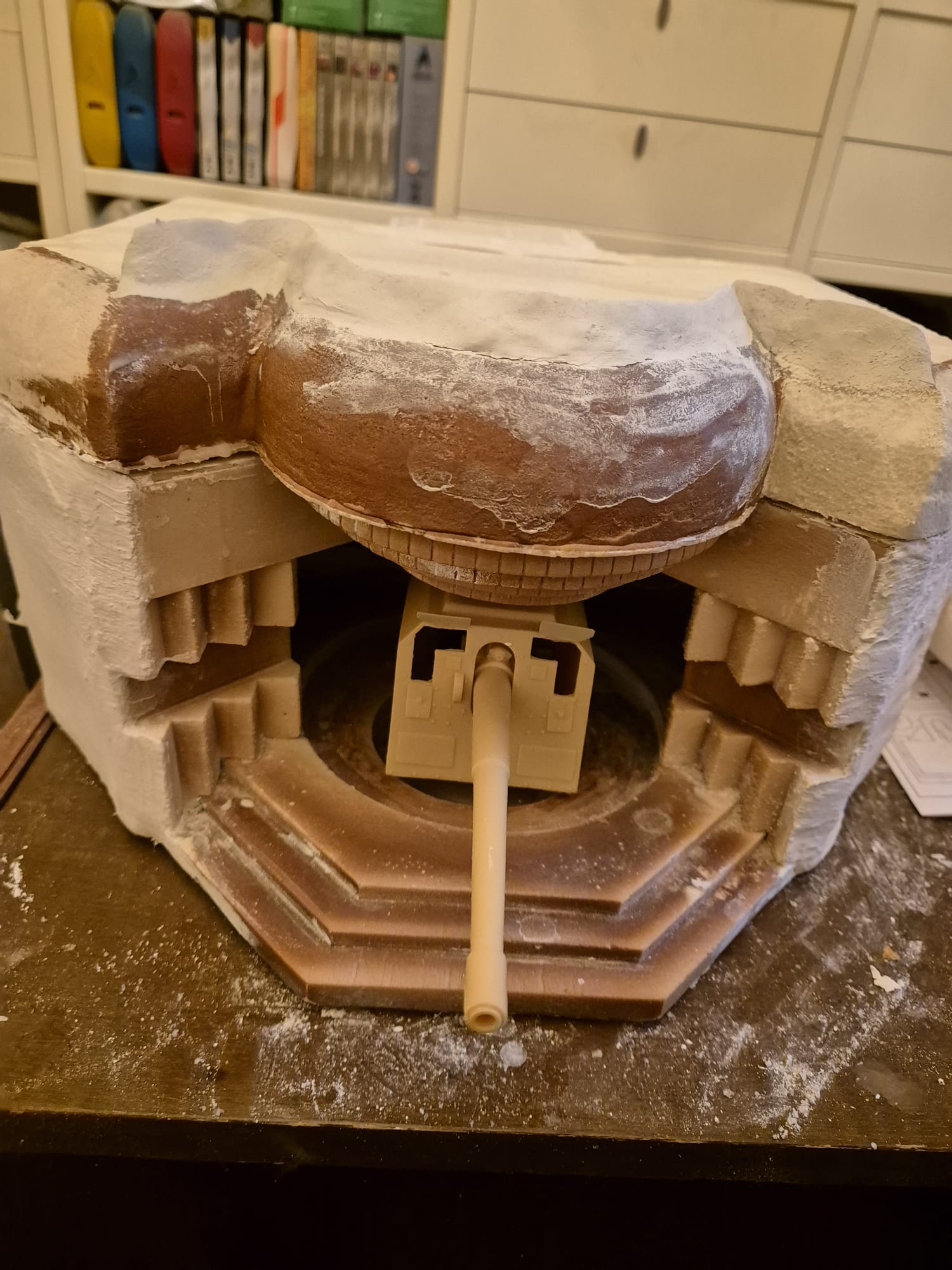
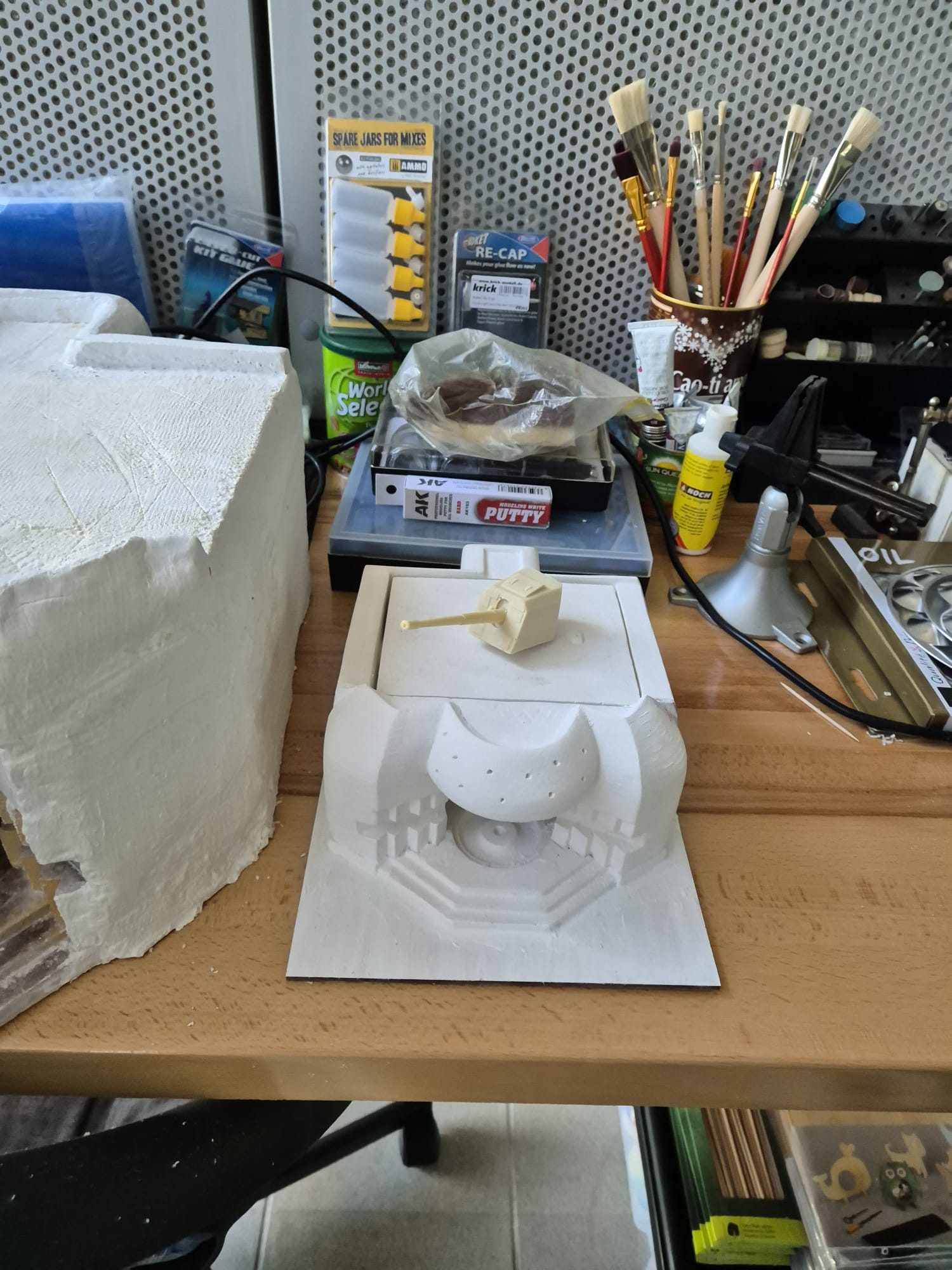
I then proceeded to sawing away the wrong contour of the roof and flattened it by sanding it completely flat. Furthermore I proceeded to apply the necessary parapets in front and on the rear of the rooftop.
The front was modeled with air drying clay modeled by hand and the rear with hard foam dipped into plaster and modeling paste.
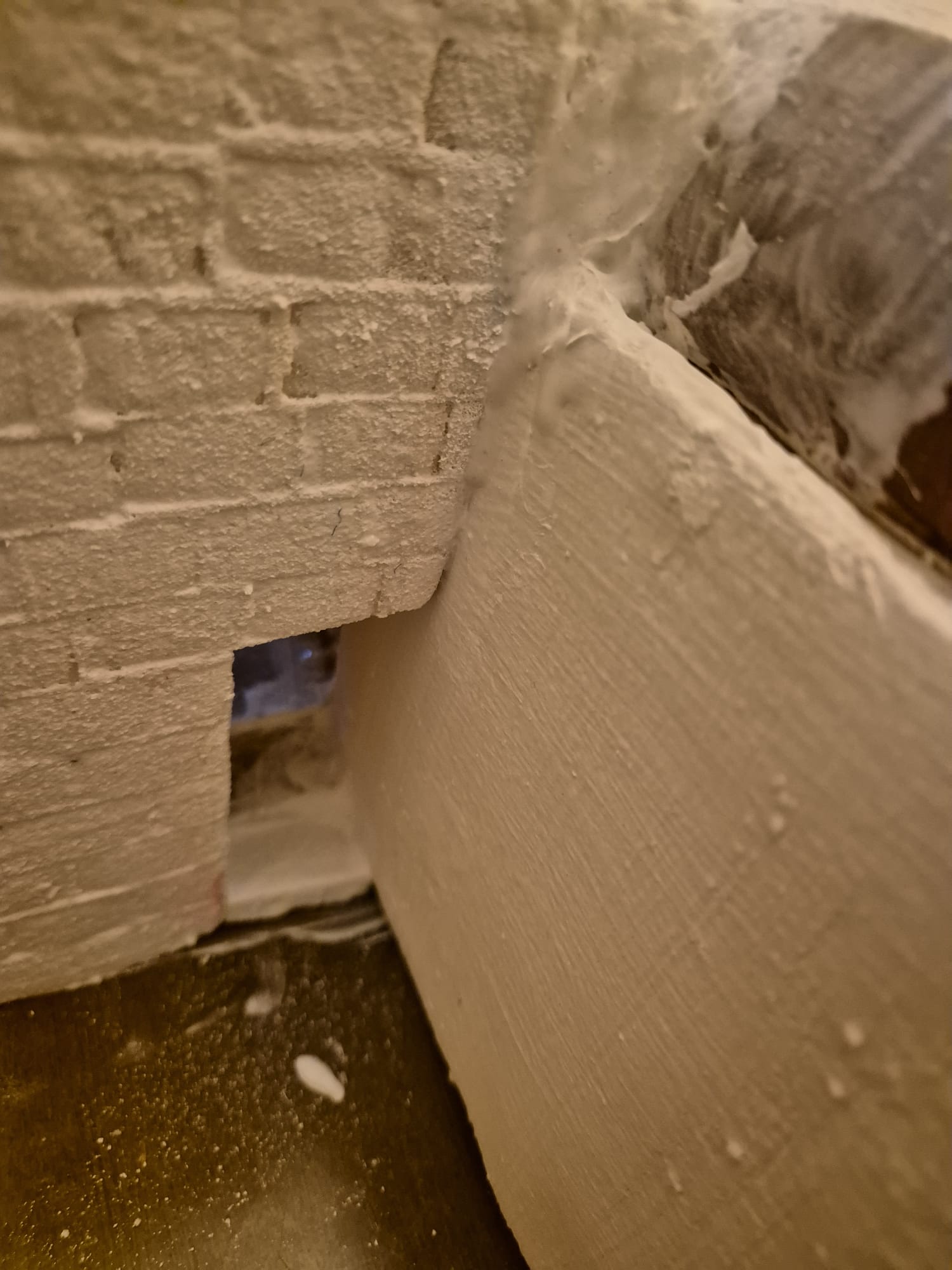
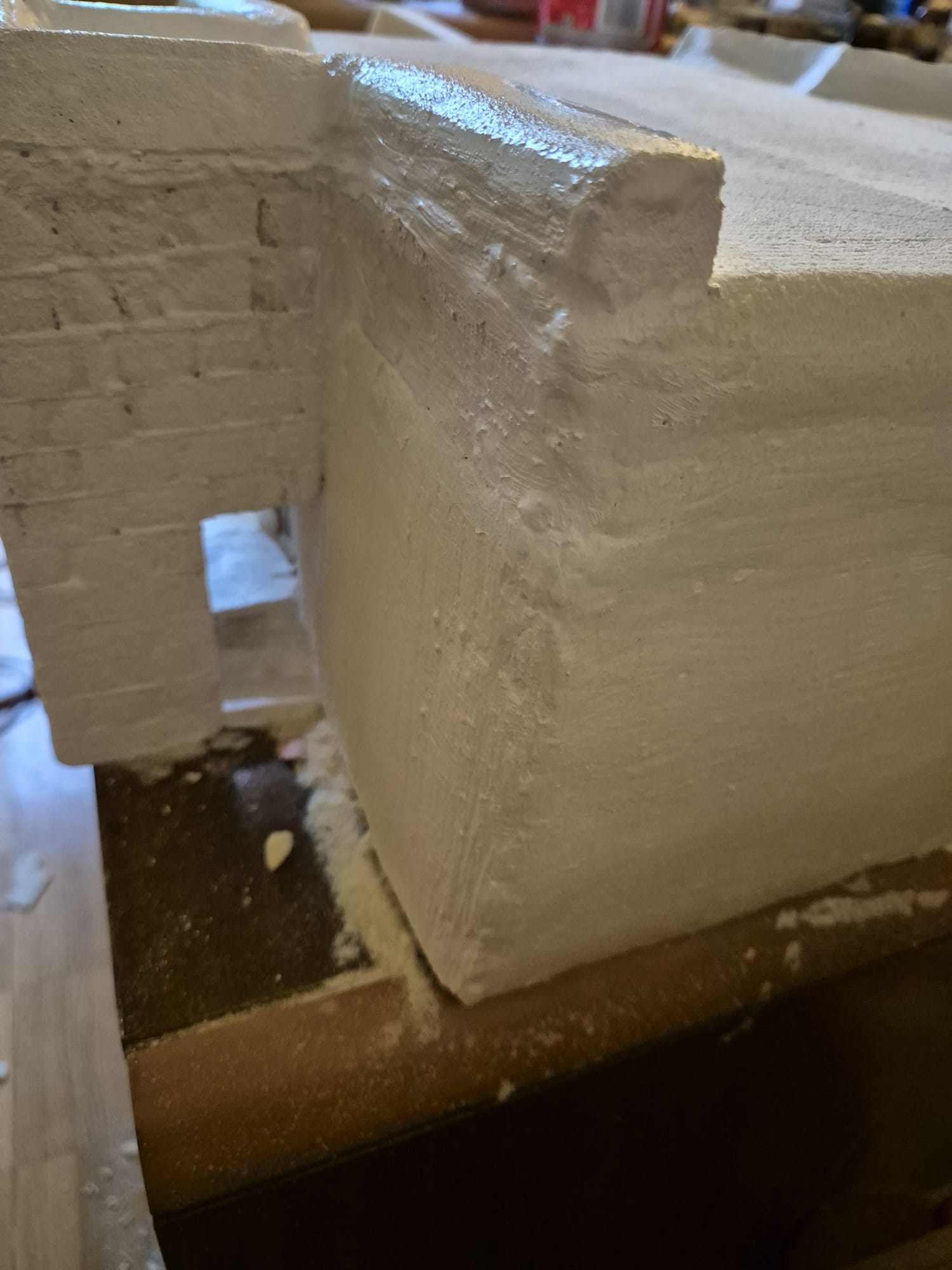
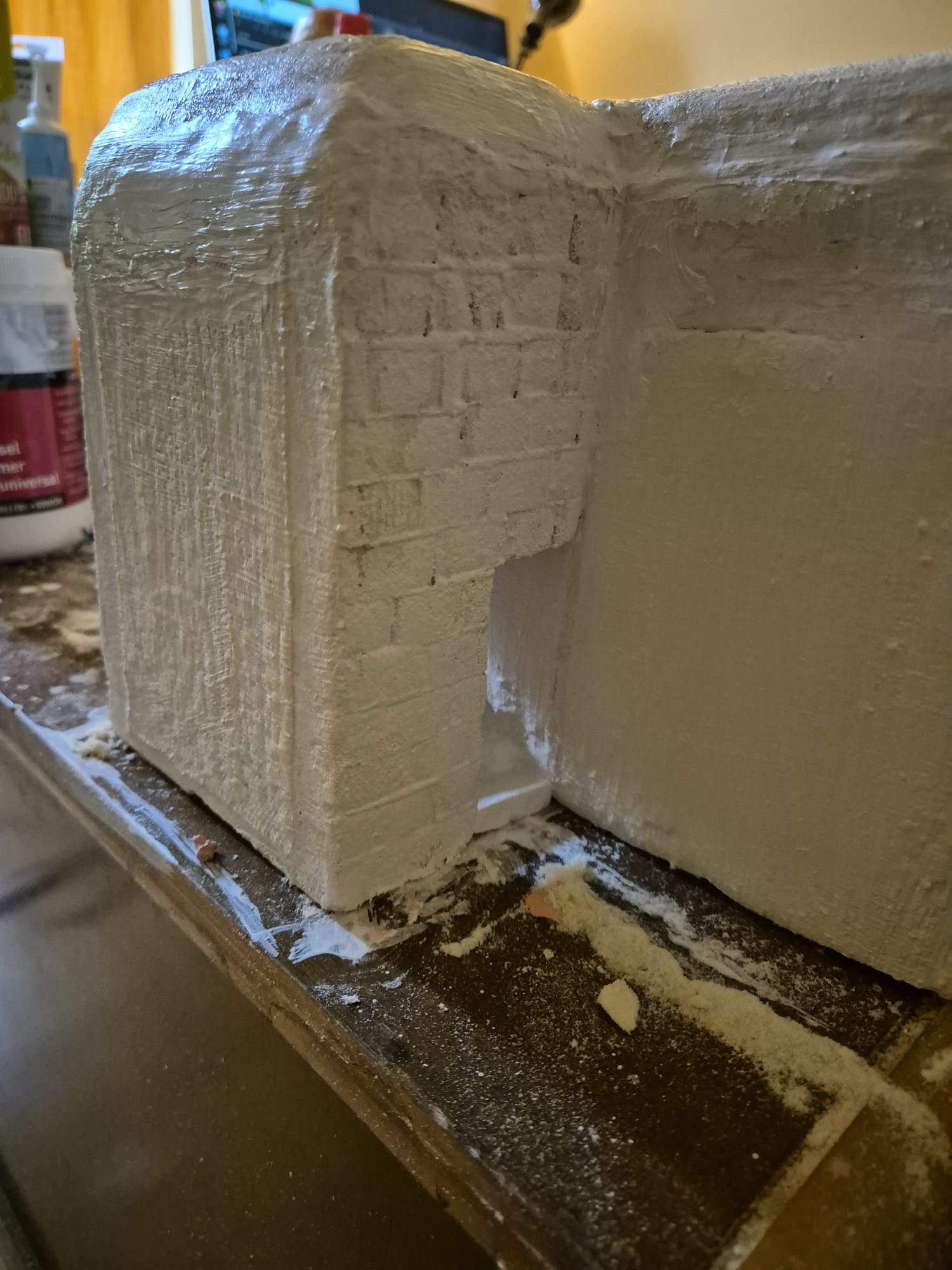
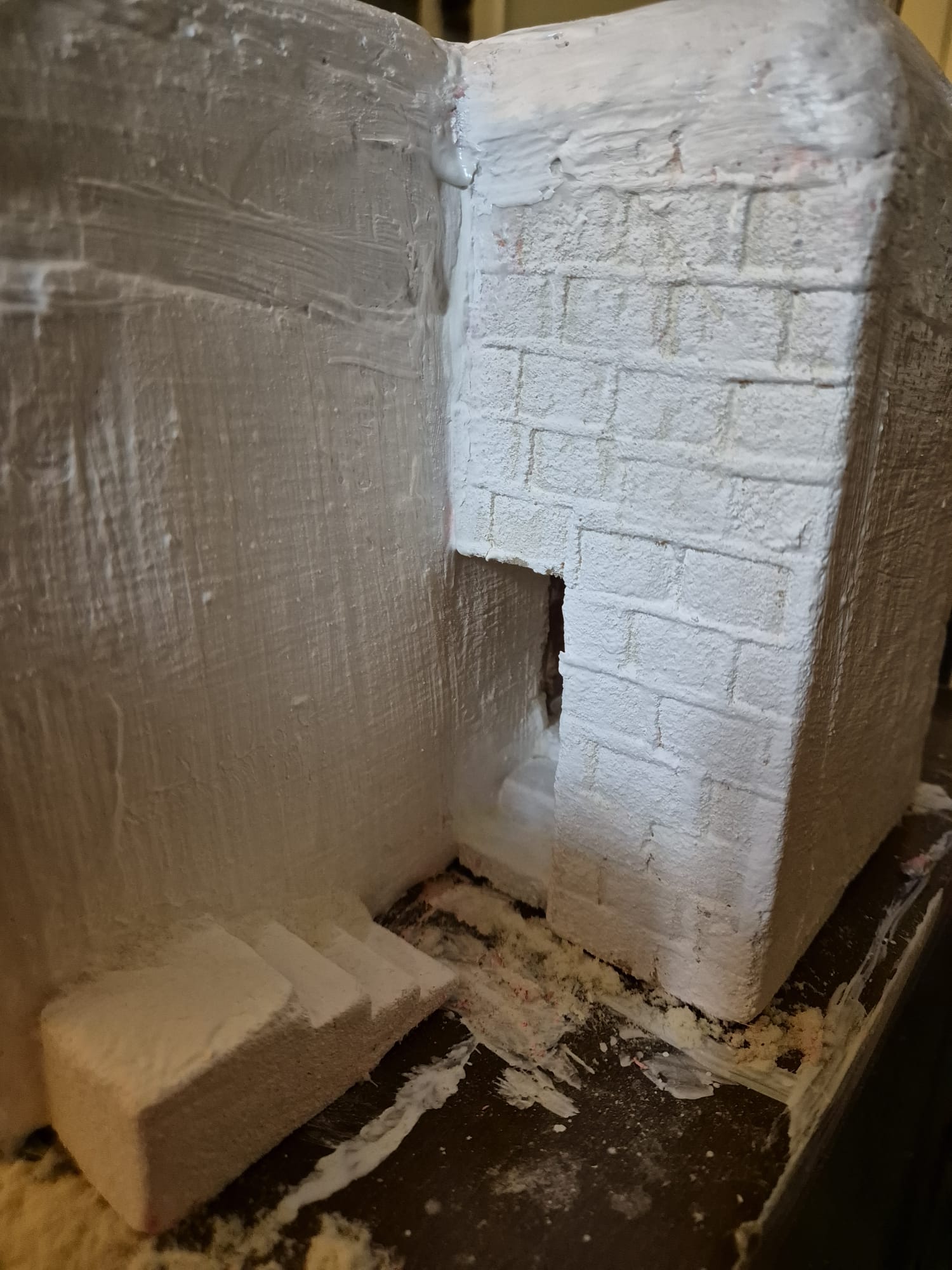
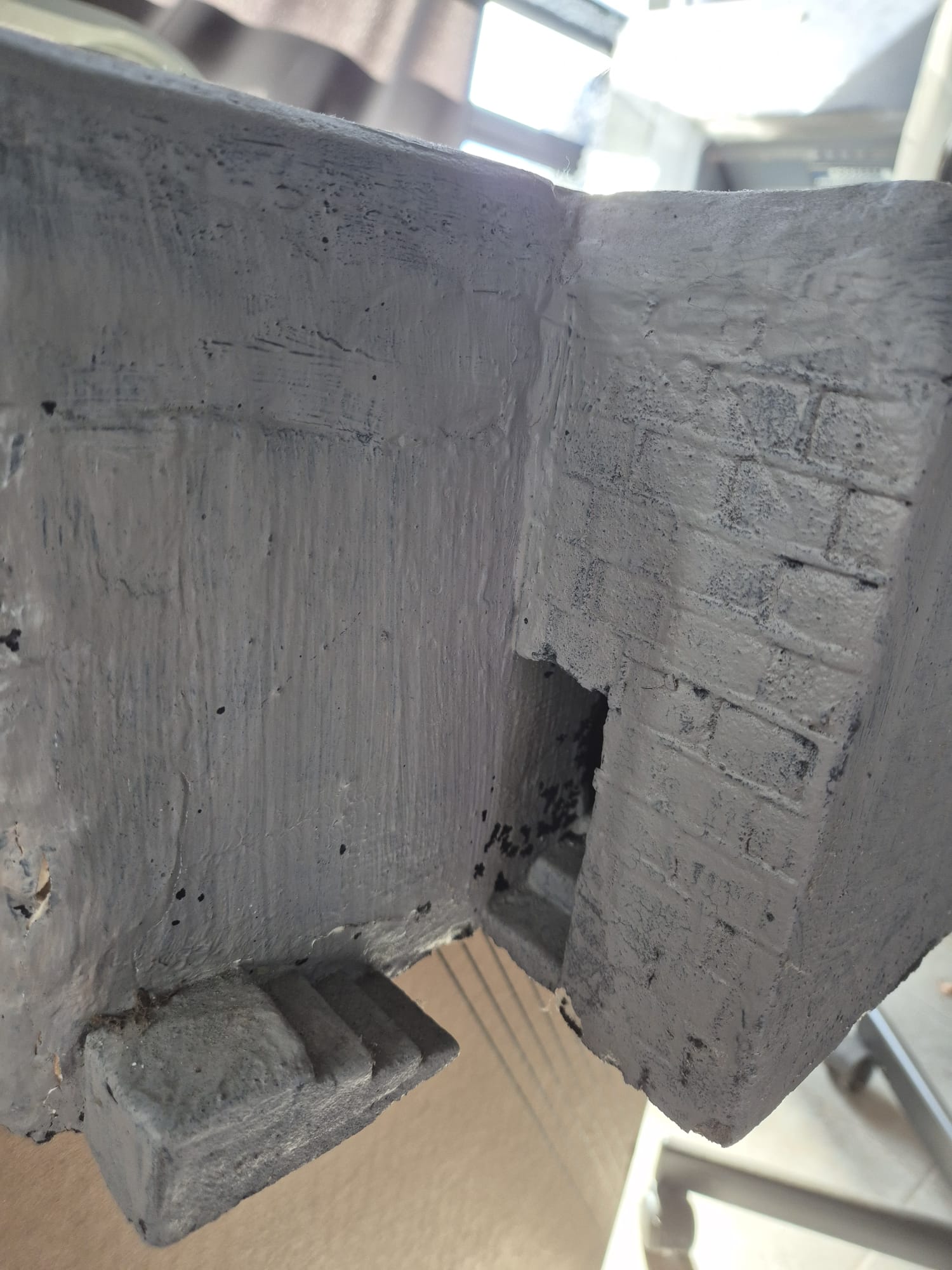
The same was performed to scratch build the massive protective rear entrance wall with a reinforcement with plaster cloth.
The side stone relief reproduction was made by pressing a rectangular piece of wood into the foam and then covering it all with plaster.

Here are the pictures of that work:


Now on my painting bench on my terrace it is awaiting a preliminary painting job..

Its cousin in 1/72 scale is also waiting, also acquired from PN Sud Modellisme, for a nice hand of filler and an appropriate painting. This one though did not require any further work and came in all the correct detailing parts.
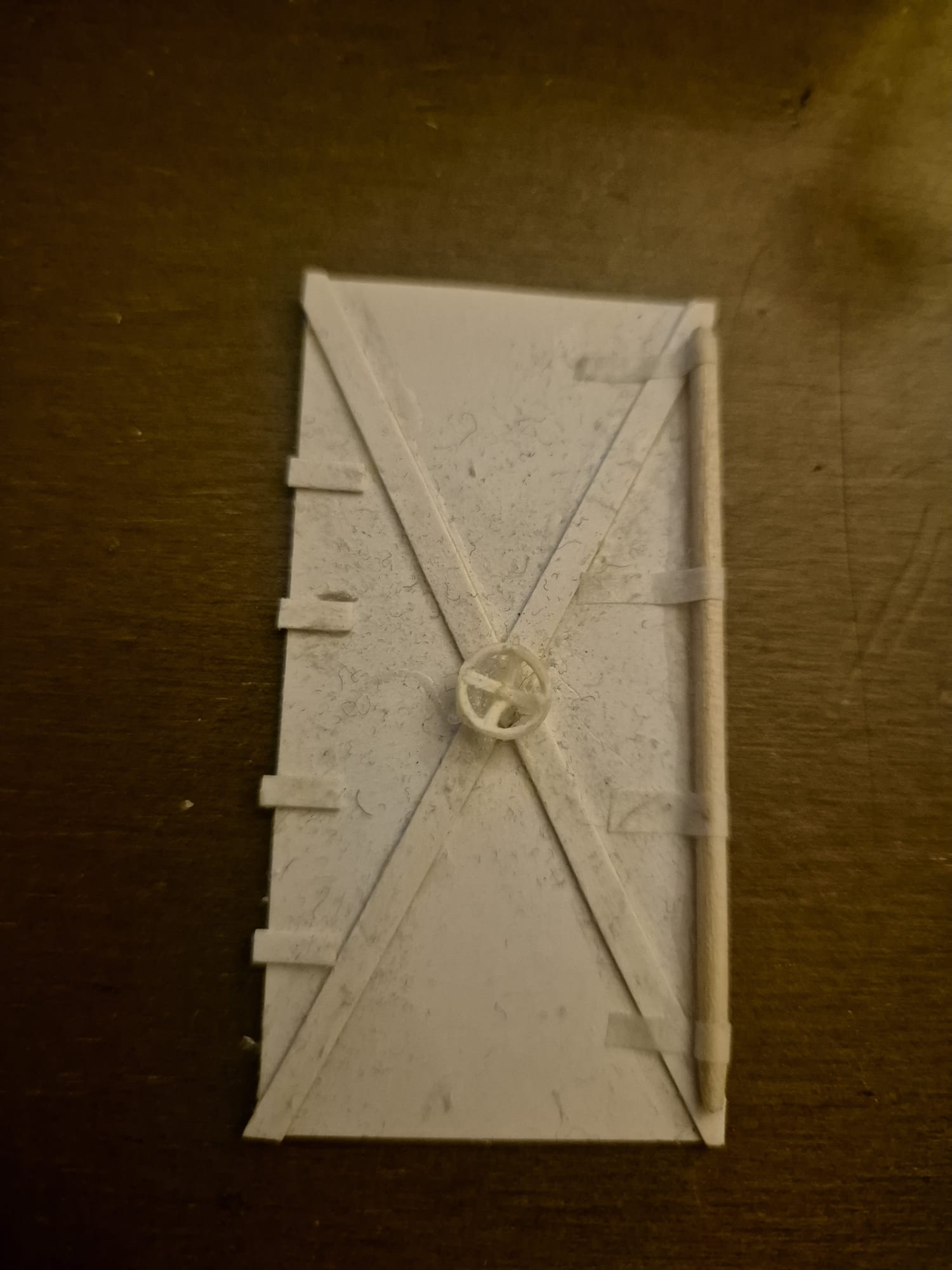
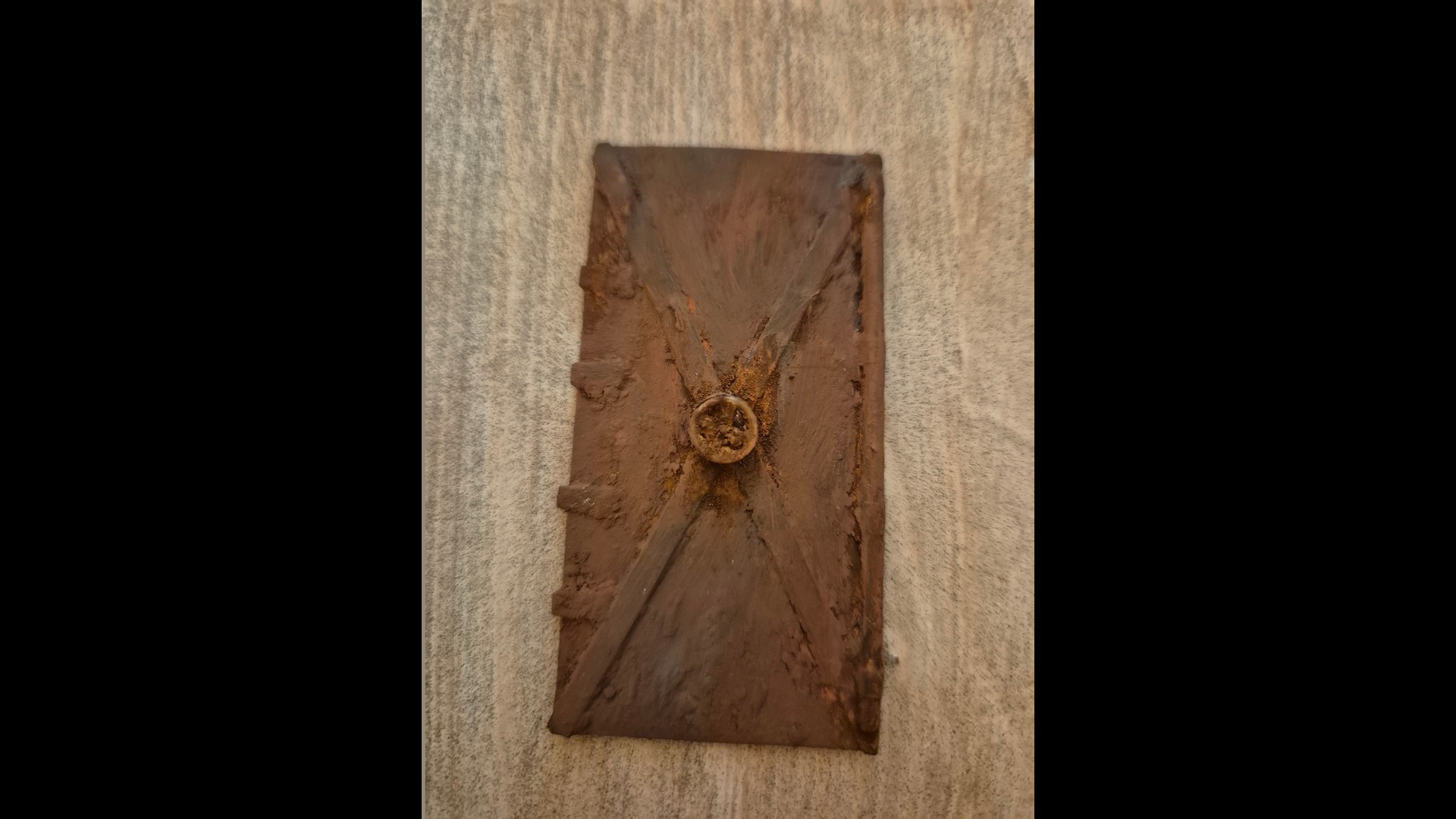
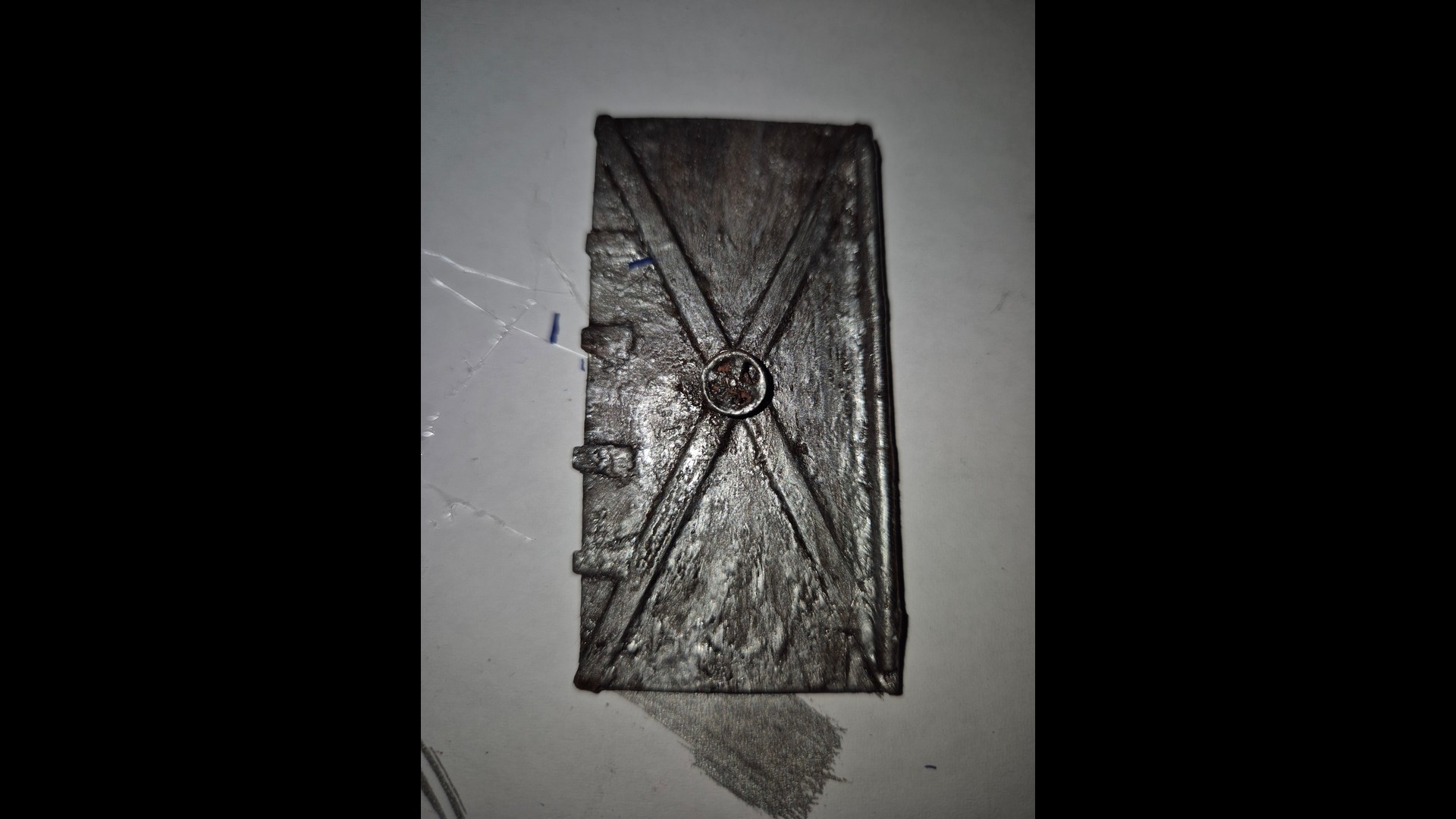
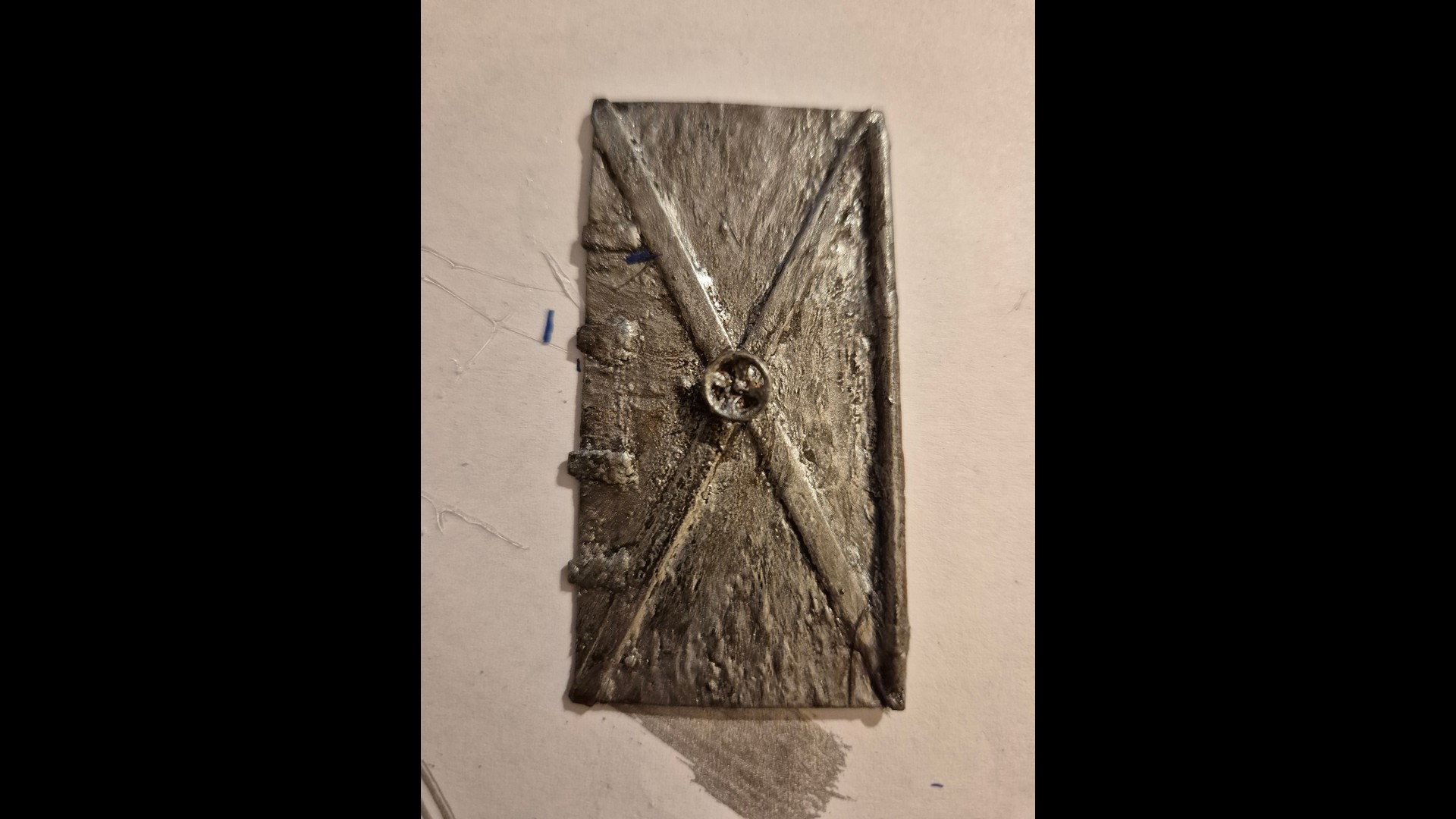
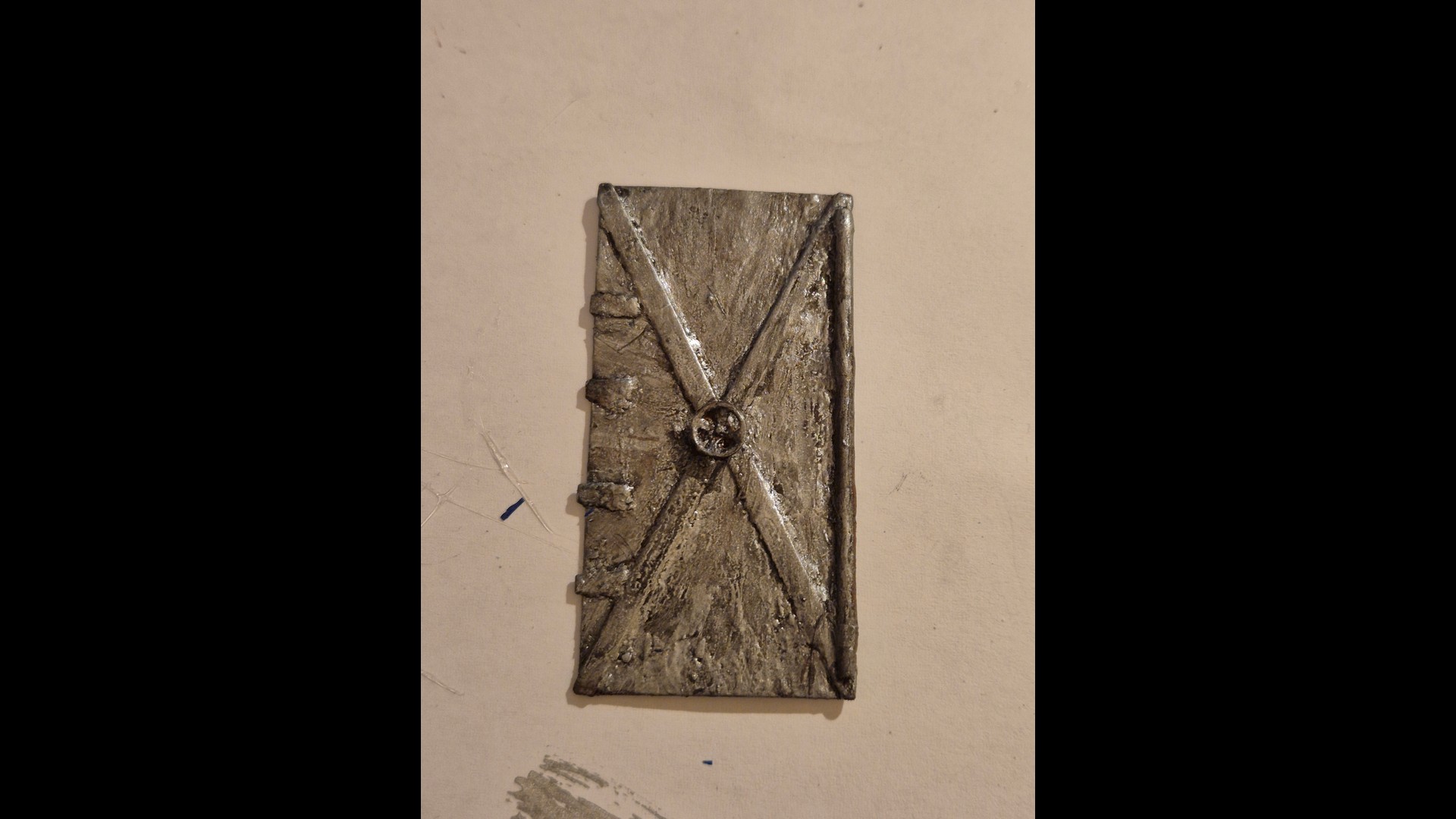
I also scratch built an iron door for the rear entrance to the Bunker. Remains to apply the square niches on the front face of the roof, air vents to the rear, and hooks and rings planted into the frontal and rear parapets.
The roof will be filled with terrain and vegetation.
4 Likes

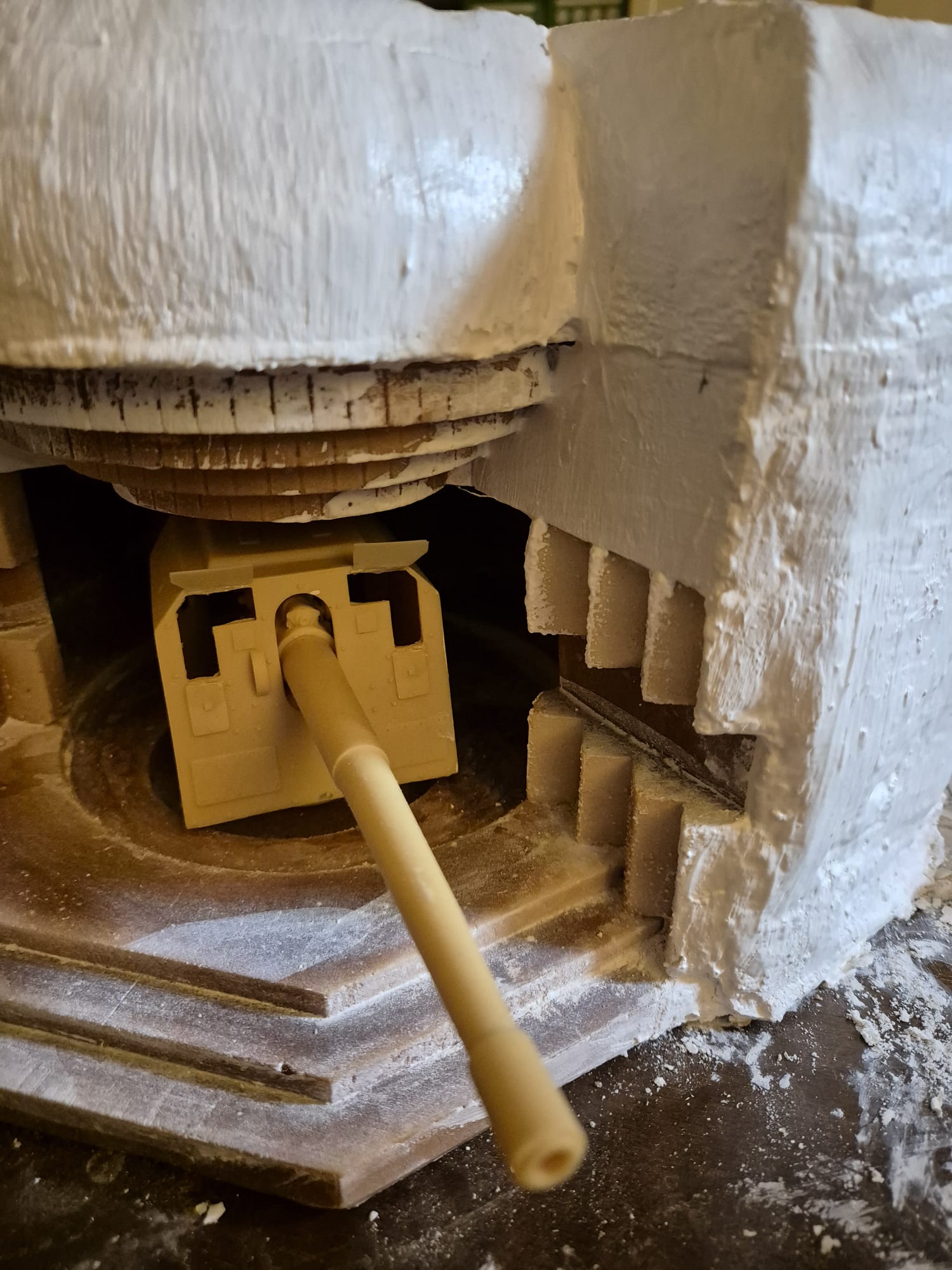
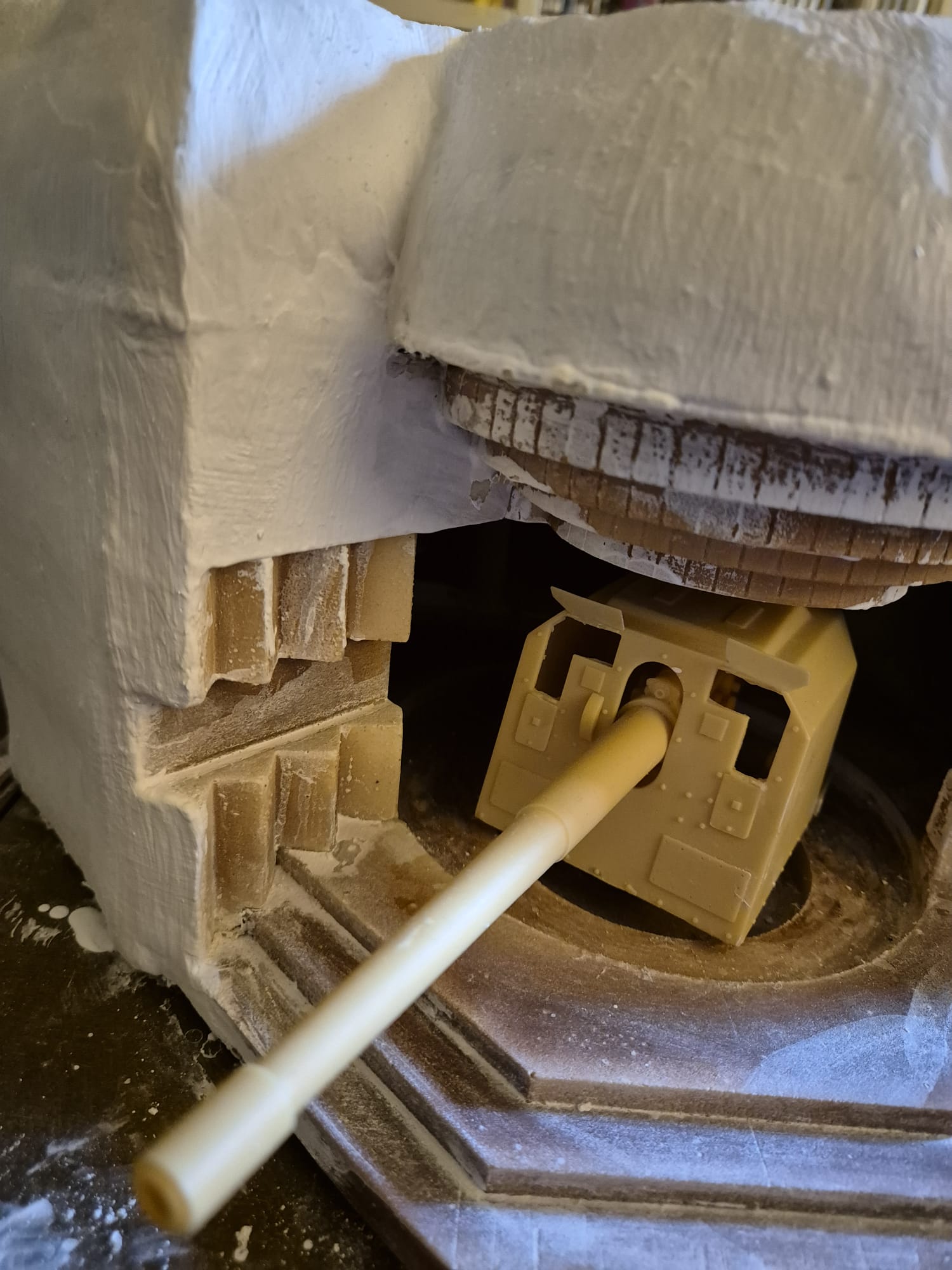
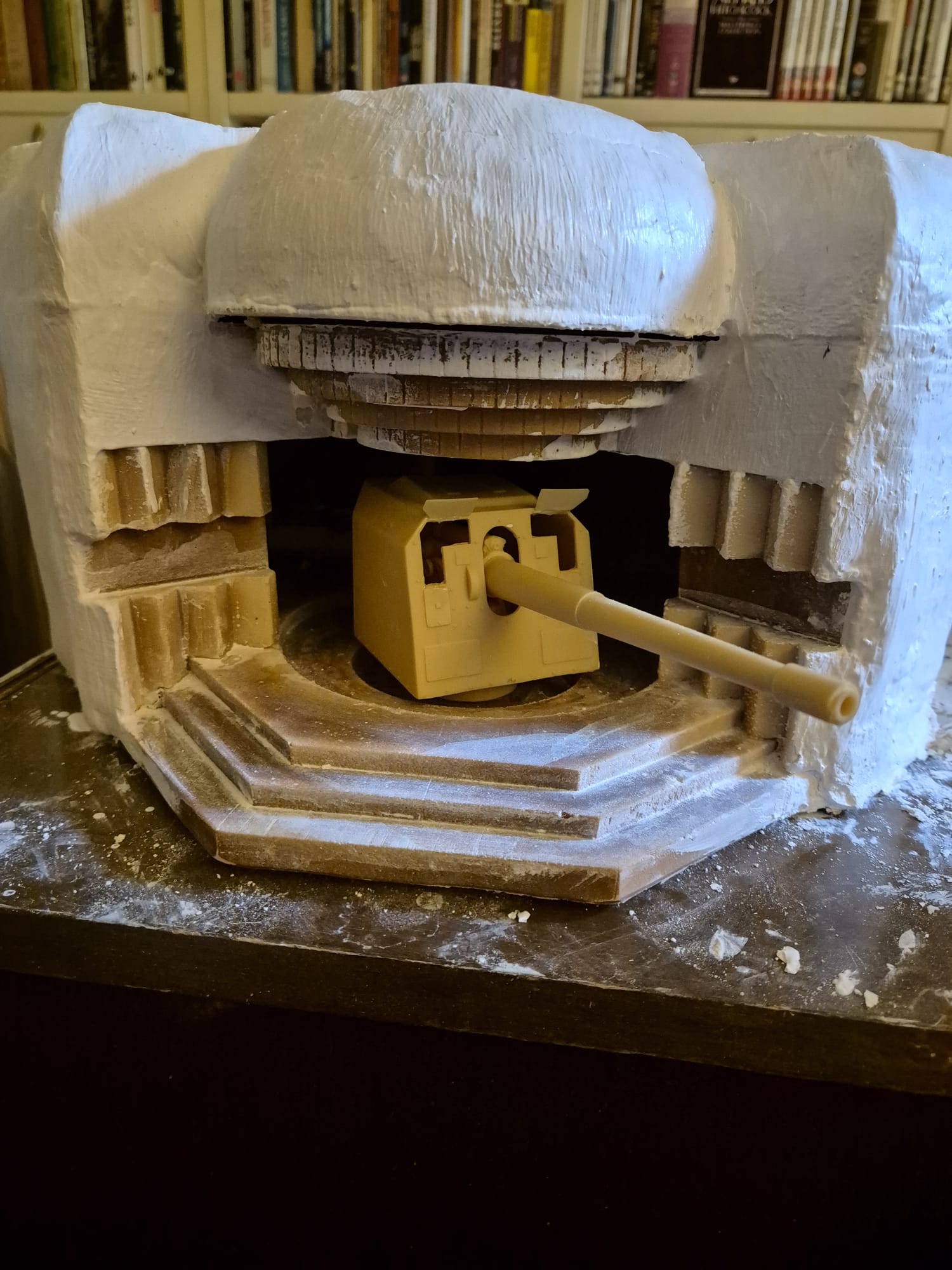
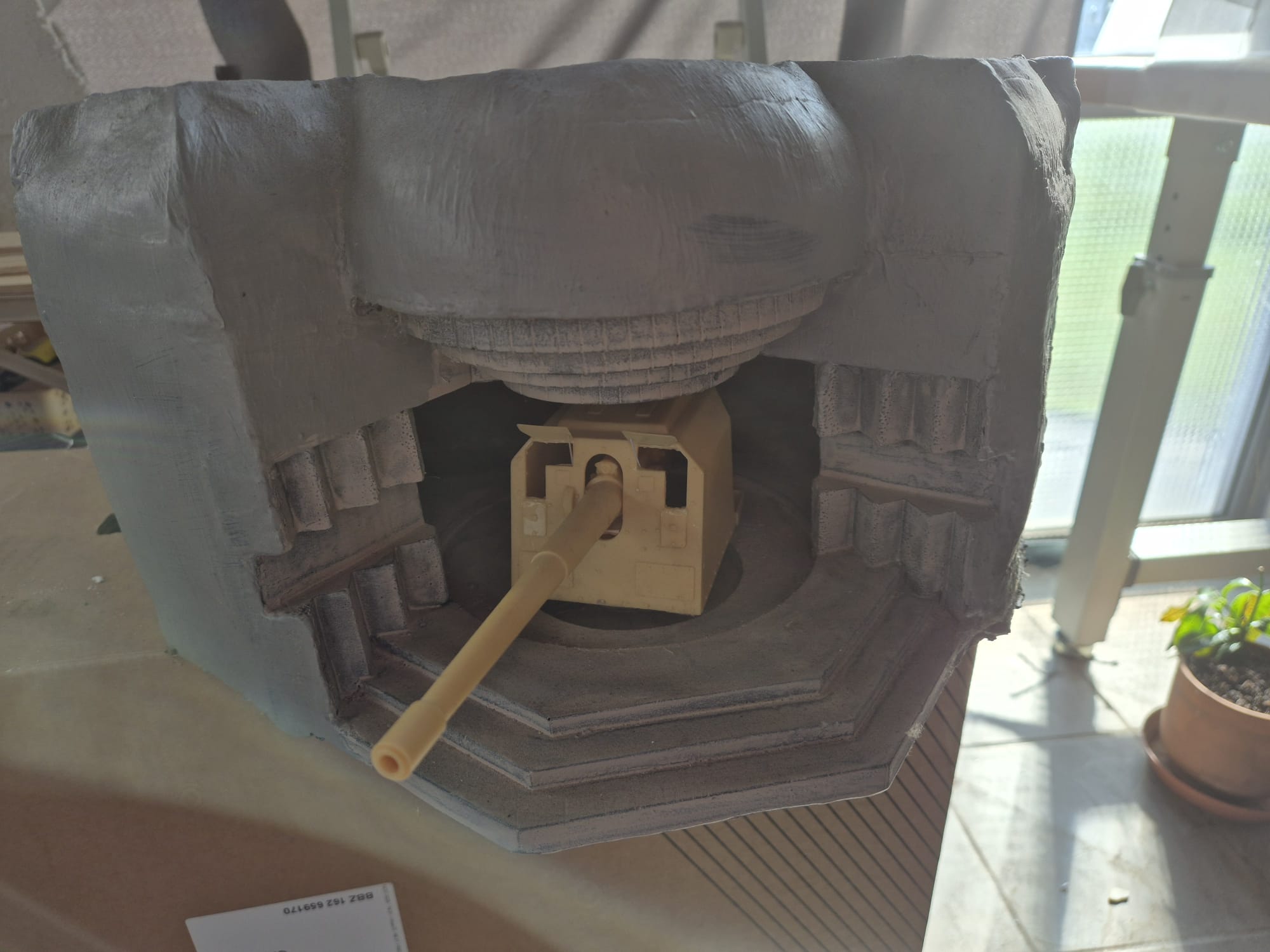
And this is how the Bunker looks right now, after the first preliminary painting in Gray. When temperatures will allow I will return to it and add the missing details as I have specified here on top and finish both the exterior and interior painting which are looking totally differently.
The outer walls are rather a Dark Grayish and looking worn (they also appeared like that in WWII), but the interior was in sandstone and will be painted accordingly. Also to be painted will be the turret and the 150mm gun. I found out that they were originally painted in a Medium Sea Gray but repainted in German Field Gray in a zig-zag pattern, while the gun itself remained in Medium Sea Gray.
They will also be washed and weathered accordingly.


2 Likes

Wow, that’s quite a project. It looks very legit! Are you planning on weathering it to look like now or when it was new?

One thing that amazes me is how those were built so quickly in real life. In today’s world, it would take years to build bunkers like that. I don’t know how long it took the Germans (maybe you do?), but I’m guessing it was quick considering the time line of WWII.

2 Likes

That is one impressive project indeed! Great work on the texture of the concrete. Now I must ask where will you display such a large build once it is completed?

3 Likes

Very impressed with your work Pat along with the research that you have done!
I am really looking forward to see this completed!
I did a little digging and I am blown away with the construction timeframe of WN48!
So the construction of the WN48 German battery at Longues-sur-Mer(part of the Atlantic Wall), began in September 1943 and was completed by April 1944. This intensive building project, carried out by the Organisation Todt, took approximately seven to eight months to complete before the D-Day landings.

So yeah @Samphoto, I don’t think any of our construction businesses today could match this timeline!

Happy Modeling,
Mike

2 Likes

Nope, they would spend 9 months on the land survey and permits

1 Like

The Todt organization didn’t have to worry about things like environmental impact studies, coastal commission approval, or OSHA regulations. :wink:

2 Likes

Hi Samphoto and thank you for your kind comment.
Now, about the construction of the real ones. I

t took six months to do so, since they were already built in late 1943 and finished early 1944.
The foundations were laid as usual, but the walls were made out of heavy rectangular stones carried to the site by heavy trucks and placed in place using heavy cranes by sealing them in armed concrete.
The top instead, was in one piece and was prefabricated in a German led factory in France. That too was then lifted and carefully positioned with four heavy cranes.
The whole operation, from design to finished building was in the hands of the Organization Todt and was partially made by slave workers.
Contrary to what many believe, these were not Wehrmacht Bunkers but rather a commission by the Kriegsmarine. In fact the guns were leftovers of naval guns and the same can be said for its turret.

Regarding the painting, although today’s bunkers are rather kept well, they nevertheless are constantly exposed to the capricious weather conditions in Normandy, especially in the Autumn/Winter seasons, but also partially in the Springtime, since rainfall comes an goes often, as well as being exposed to winds and the salinity of the coastline.

But contrary to what some believe, that they looked splendid when first built, I must disappoint them, since after all, these were not holiday resorts but real fortresses and therefore very often roughly built, although very sturdy to protect the operators in case of aerial or naval attacks.

But I repeat, due to the harsh weather conditions in Normandy already in early 1944 these bunkers acquired already a rather battered aspect already back then. Also a misconception was that the Bunkers in Normandy were all painted in camouflage colors. This does not correspond to reality.
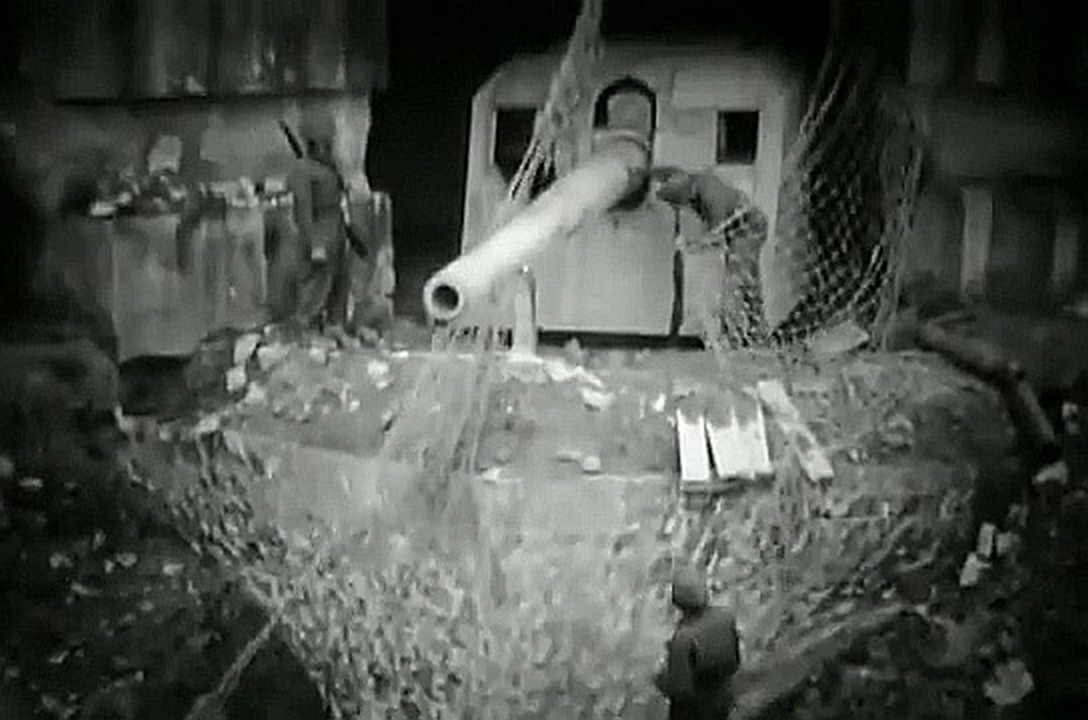
Much rather and also due to time constraints and to chronic paint shortages Germans preferred using camouflage nets to cover the front of these gun laden bunkers.

They wouldn’t bother to camouflage them in a painted pattern also because all heavy bunkers were usually encased in the surrounding terrain and their tops, such as here, in the Longues-sur-Mer Battery were completely covered with earth and rich vegetation. No better method as to hide them with the surrounding terrain.

And to your first question (I am answering your questions like a crab, in reverse order :laughing:), there’s no doubt that I will have to mess the bunker up after having paint it throughly and correctly. So, yes, I will not only weathering it, but prior to that give it various washes of Black, Brown, Earth and even Olive Green to simulate various natural effects on it, like sooth, dirt, dust, mold and grime. I will also add some rust stains to the following applications of the hooks and rings holding the frontal camouflage net.

I usually finish such heavy bunkers with a mixture of all above named acrylic colors heavily thinned in water and generously letting them flow down from the walls. Should the final effect be too strong, I can easily tone it down with a sponge first and with a paper towel later.

Finally, I will use an airbrush to evenly apply a dead flat varnish overall.

I hope I have given you an idea on how much more work still remains to be done on it.

Once the painting and weathering will be done, I will bury the entire structure into faithfully recreated mounds encasing it as you have seen in the pictures above with added vegetation all around it.

The scene will then be filled with British/Canadian troops having found them abandoned by its German crews. There will also be some vehicles involved in it.

But all this is reserved for a future build. I am still busy with “The Last Warning (April 14th, 1944)” and then preparing a larger one of the second landing on Omaha Beach under WN61, in the American sector between Fox Green and Easy Red.

Be well and do great things. The sky is just the limit!

:sweat_smile: Stikpusher,… in my living room, of course, and wait until you will get to see my next project. The second landing on Omaha Beach between Fox Green and Easy Red. That one will indeed be an ordeal and a half. :rofl:

Thank you Butz. Historic Dioramas to be really worth the build, just require such attention to detail, since there is always someone out there, especially historians or history scholars ready to nail you to the wall if you do not do your homework correctly.
I am sorry to say that this specific diorama will have to wait its full construction at a later date, since I am still building the first of a series dedicated to the D-Day landings called “The Last Warning (April 14th, 1944)” involving one of the many Normandy inspections to the Bunkers by Field Marshal Erwin Rommel. See my articles about it under “Modeling subjects” and “Dioramas”.
This will then be followed by a complicated and rather detailed second landing on Omaha Beach between sectors Fox Green and Easy Red, where the Germans had a huge Bunker harboring an 88mm PAK 43/41 in it and various others on top of the bluffs where the American Cemetery now lies.
Following that, there will be two dioramas dedicated to the Battle at Carentan.
So, as you can see, pretty darned busy schedule already.
Please be patient and enjoy my other work.
Be well and do whatever brings you joy and happiness.