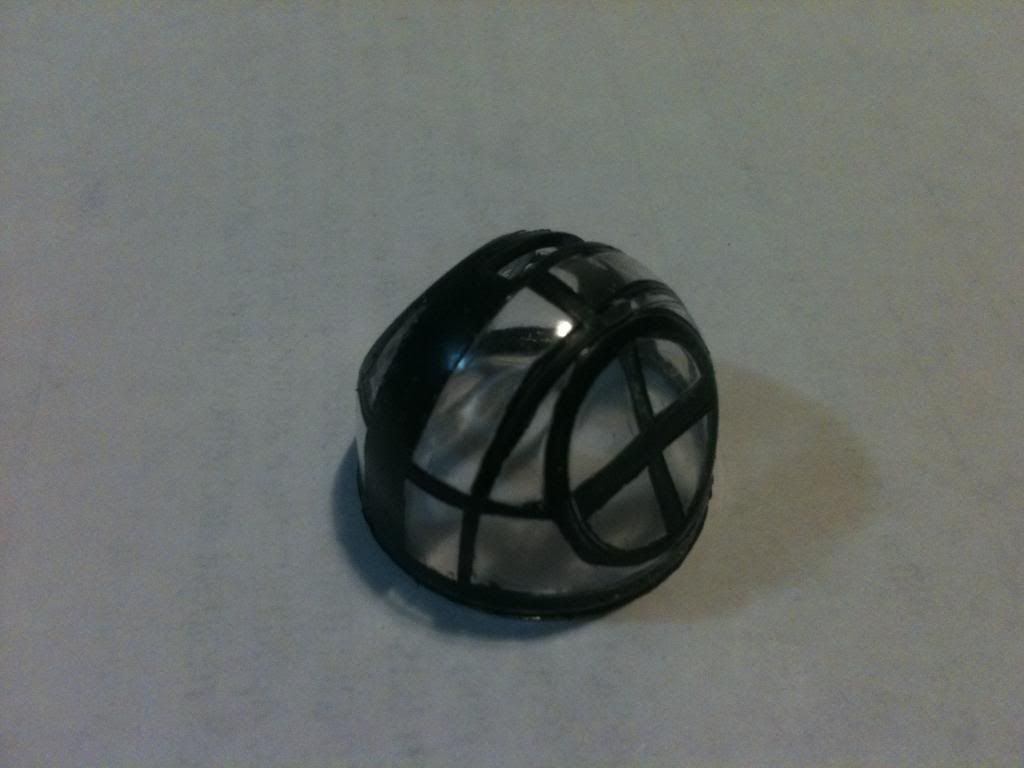
I know this has been covered a multitude of times but here goes. I need a way to mask canopies without making a mess. I’ve tried scotch tape and masking tape but I get paint bleed under. Frisket film in a bottle is generally useless. I have heard about using self adhesive backed foil but I haven’t got a clue what kind to use or, for that matter, where to get this stuff. I am going to try my hand again at an aircraft soon. I have only been making military models for the last 50 years. Any help would be greatly appreciated.
After trying several different options, I still go back to masking tape. Future coat on the canopy will allow you to scrape away a little bit of bleed-through, if you happen to use acrylics, sometimes enamels if you’re careful. Another trick I’ve heard of is to give the masked area a light coat of dull-coat ahead of any paint, that will seal up the tape & not show much if the dull coat happens to bleed through.
I’ve had some success with Parafilm. Its a wax based sealer for scientific uses but its clear and will stretch round complex curves. As its clear you can see through it and it cuts easily with a good knife blade
I use Tamiya’s yellow masking tape (same sorta stuff as the Eduard masks) and that stuff works better than anything else I’ve used. Just use a new #11 blade to cut around the framing and make sure the cut edges are smooshed down nice and tight.
I would stay as far as I can run from Scotch-type tapes as they can be a beast to remove.
I hate masking canopies and such, so Ditto on the Eduard masks. These are truely God sent. Just make sure you get the pre-cut ones. Other than these, Use Tamiya tape, there is no substitute for it. While its more expensive that scotch tape, blue tape or the like, its was specifically designed for this purpose. Here’s my method if the canopy is simple (like a P-51D, Spitfire, or P-47 Bubbletop) or Eduard masks aren’t available. If you try the following, you shouldn’t have any bleed under issues.
Take a 4 inch or so piece lay it down on a clean piece of glass or mirror then cut it into thin strips with a new #11 Exacto or sharp scalpel-like instrument of choice.
Wash the clear parts with soap and water then let them dry. I use dishwashing detergent. We want to make sure all oils are gone that could affect tape adhesion.
After this, “frame out” the window panels with the strips leaving the frames themselves exposed…ie, your covering the window pane only. Do this by putting the strip on the pane as needed and once you reach the end of the frame, cut it Guillotine sytle with the Exacto. Just work your way around the pane with this method until its framed out. I use a second new blade just for the Guillotine part because the original blade tends to dull a bit when slicing the strips. Once done, fill in the rest of the pane with your cheap tape of choice.
Its Tedious on a subject like an HE 111, A6M zero or an Avenger, but the results are worth it.
If your canopy framing isn’t very complex, you could decal it. Grab a clear decal sheet from the LHS, and paint the interior color first, then follow with the outside color. All you’d have to do then is cut some strips out, soak, and apply.
I may be a little late, but here it goes I like to use coat the canopy with future and let it dry a few coats is best, then I use Tamiya tape is excellent, once I press the tape into the canopy panel I finish the edges with Micro Mark’s Burnishing tool #82328 brings 3 extra tips (diff. sizes). and then after that I use a brand new blade to cut the excess tape you get sharp clean corners and lines. Hope this helps
I use Tamiya tape from time to time but I find myself always going back to Scotch tape. Its clear so its easy to see the window panels beneath it. I never have had any bleed through with it, but I burnish it down quite will around the edges with a toothpick before I paint. Afterwards, lightly run your blade around the edges to break the paint and peel away. You can gently slide the edge of the blade underneath one corner and begin to pull there without marking the canopy or messing up the painted frames. One thing, it doesn’t seem to lay down as well as Tamiya tape on complex curved surfaces. When I have those, I pretty much use lawdogs approach with strips.
I guess I’m old school in that I still use Scotch magic tape. I cover the entire canopy, then use a new exacto #11 blade to cut around the framework, then burnish the edges with a toothpick. With the frosty Magic tape you can easily see if the tape is adhering to the canopy. I then dust on the first coat of paint with my airbrush (the interior color of the framework) which helps to seal the edges further. Then apply the exterior colors.
When dry, I run around the edges of the tape with a new blade and then lift up a corner far enough so I can grab it with a pair of needlenose tweezers. If there is any residual tape adhesive left on the part it can be easily removed using a loop of tape to dap it off.
Whatever method you use, it just takes patience and practice.
I’ve had very good results with Bare Metal Foil, available at your LHS. It is adhesive and I keep it in the fridge to keep it fresh. I dip in Future, and after a couple of days drying time, foil the canopy, burnish and then using a new # 11, cut along the raised framing lines and peel that back to expose the frame.
I know others have already stated this, but my favorite method is Bare Metal Foil. And the February issue of FSM has a good article on using foil just for this. I think the key is to seal the edges of the foil once you get it on the canopy.
Mask in whatever way you are comfortable ans use high quality masking material. When you spray the paint DO NOT spray into the edge of the tape, but spray from behind the edge and in very light coats. This way you are less likely to get paint to bleed under the tape. I also use a coat of clear or Future to “seal” the tape edge before spraying the color. If any paint gets under the mask onto the clear canopy a soft wood toothpick with a mild polishing compound (toothpaste) can be used to burnish away the paint. As stated above a coat of Future before masking and painting also helps. Welcome back from the “Dark Side” of modeling.
The Eduard masks especially in 1/72 are a real timesaver on complex canopies. Last week I masked the Airfix Zero in about 45 minutes. Boring work but easy.
Today I had to mask a Me109k blown style canopy which is very simple. In the end I used Parafilm and some care. It took about the same amount of time. I had some restarts but the result was good.
The difference was that the zero was a much more complex canopy, it would take a lot longer, the risk of scratching the canopy with the blade is high and we all have done this at some point. So the $6 dollars to me was worth it for the zero…
I always use either Tamiya masking tape or ordinary masking tape, I use my thumbnail to press it tightly against the frame ( I apply a lot of pressure) and use a new #11 blade and after I have cut round the tape I always go over it with my thumbnail again. You need a tight seal and even at that there is usually a bit of bleed through so all you have to do is scrape the tiny excess away with your thumbnail, this way I remove any excess without damaging the clear part, and even at that there is micromesh should you scratch the canopy. Or look and see if Eduard have made any masks which are brilliant.
The Eduard masks are good for complex canopies, but for simple ones I use Parafilm. With it, you MUST use a sharp knife and corners can be tricky, but you get no bleed through.