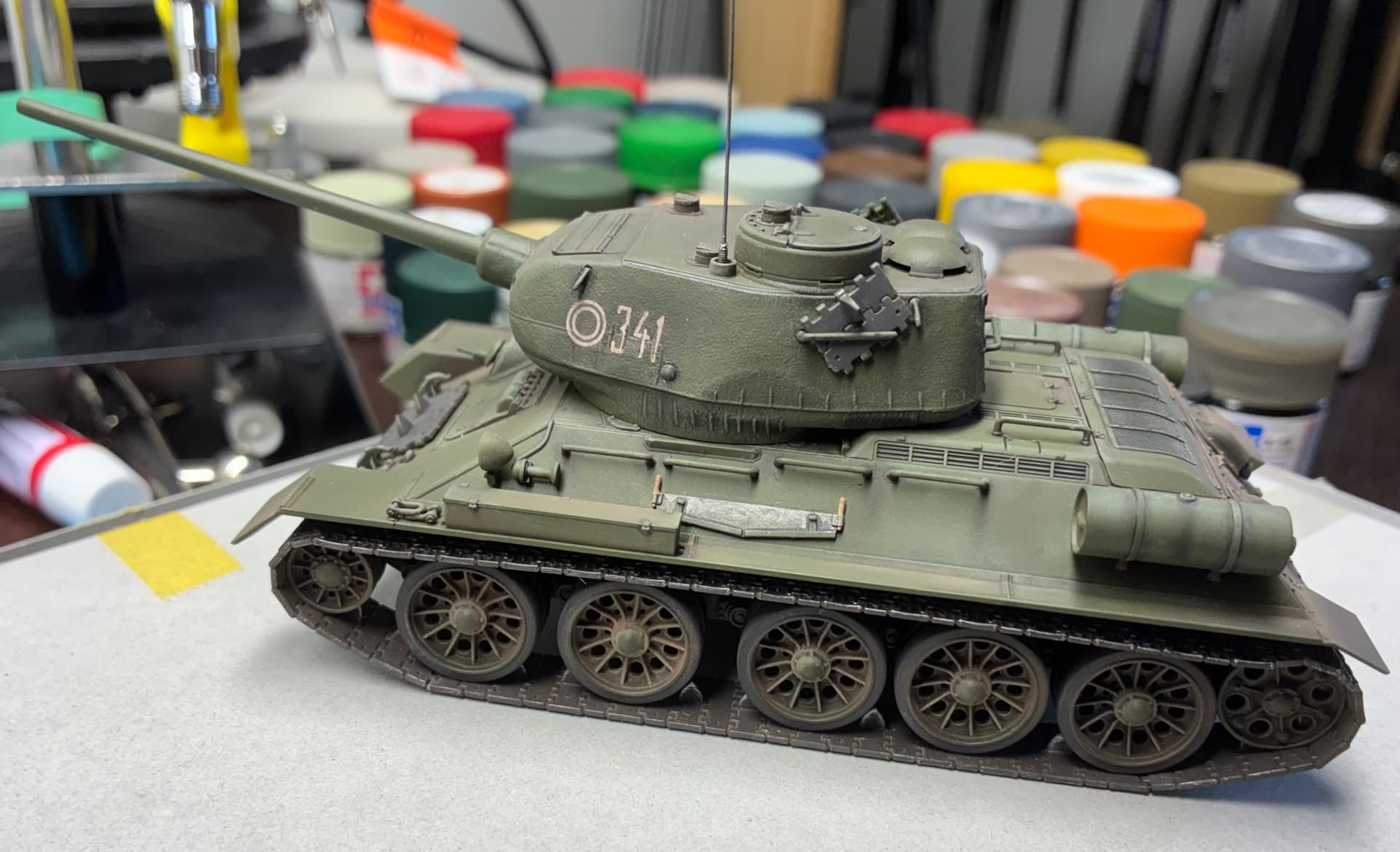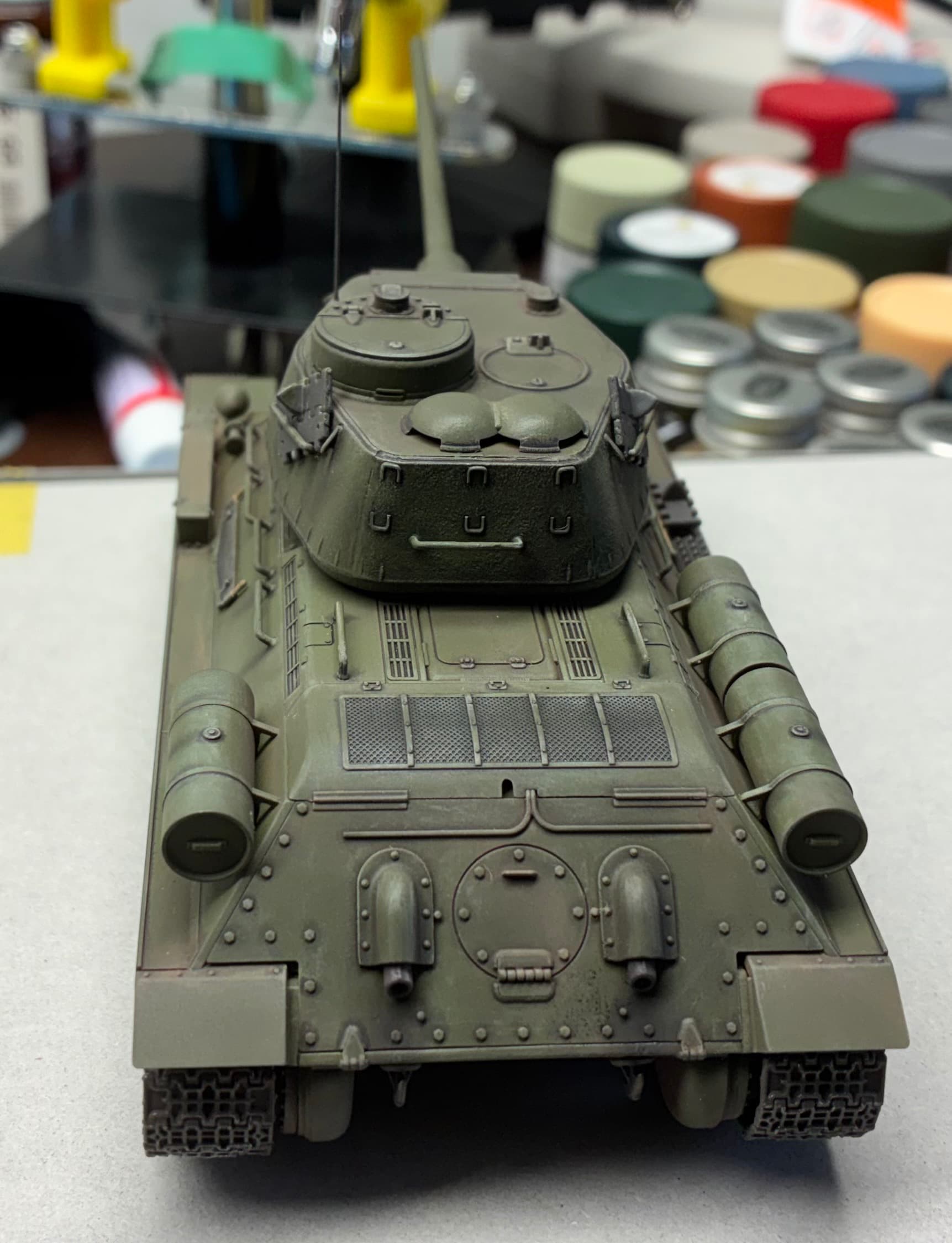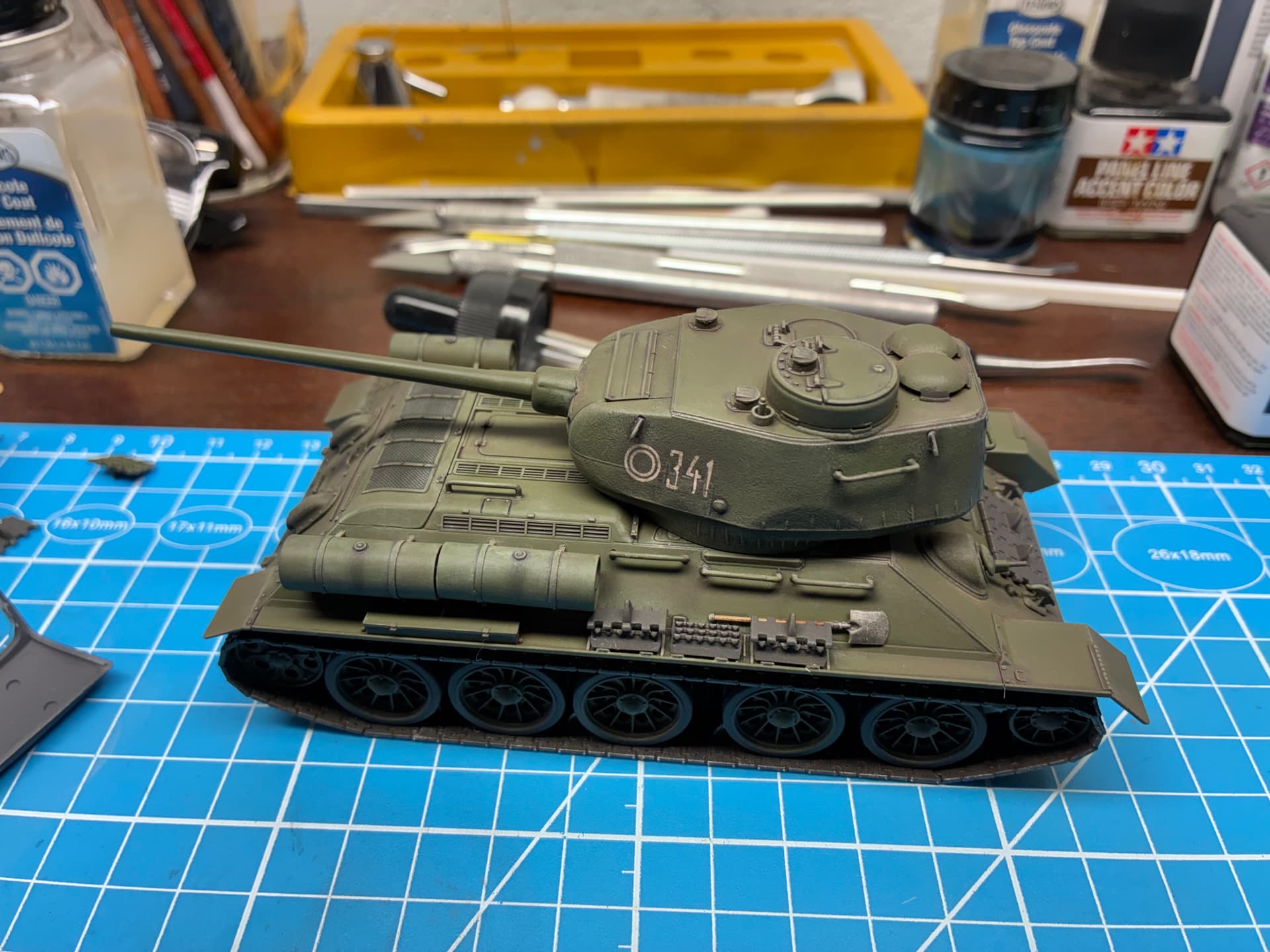
Just finishing a 1/48 Tamiya T34-85.
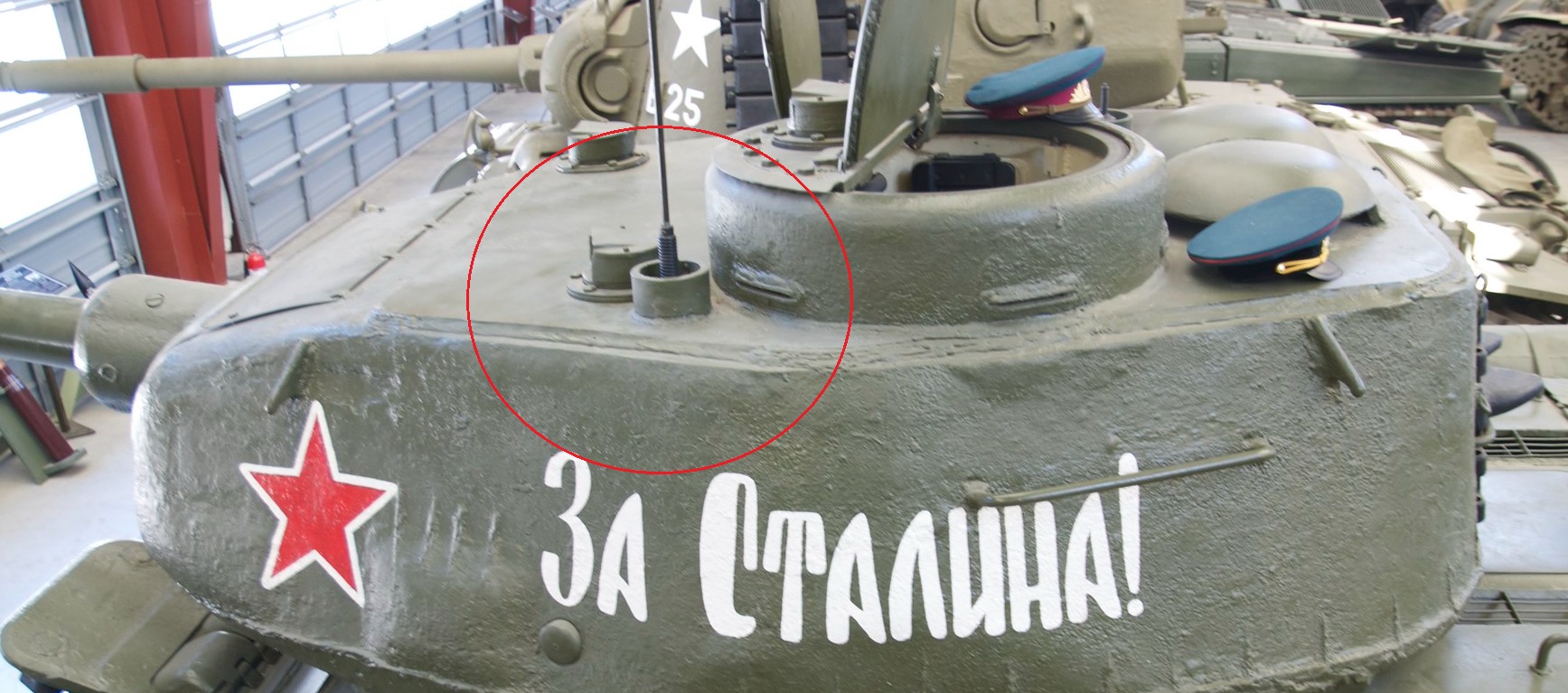
Most WW2 Russian T34 did not have radios. The kit has an antenna mount on the turret.
Should I add an antenna, remove the mount, or just leave it alone?
BTW - This is my first Russian armor model.
Just finishing a 1/48 Tamiya T34-85.
Most WW2 Russian T34 did not have radios. The kit has an antenna mount on the turret.
Should I add an antenna, remove the mount, or just leave it alone?
BTW - This is my first Russian armor model.
Beautifully built T-34 you have there!
Yes, T-34s had radios, but initially, they were scarce, so only company commanders’ tanks received them, while others used signal flags.
Radios became standard issue later in the war, especially with the T-34-85 model, though some tanks still lacked them due to supply issues or doctrine..
So with that being said, I believe this kit depicts a late war T-34 so adding an antenna would be proper.
Happy Modeling,
Mike
Antenna it is.
Thank you!
Nice job on your 4B0,nice variation.
My vote is for an antenna. You can use a single strand of copper wire from a usb cable.
I went with the antenna but am not 100% on the diameter. Was much smaller bear painting. It’s stretched sprue.
This brought back something I remember reading years ago, and now I’m trying to remember exactly where I read it.
I believe it may have been in Tom Clancy’s Red Storm Rising. There was a discussion about Soviet tanks where some of the tanks could receive radio instructions but couldn’t transmit back. The commander could tell everybody what to do, but when the situation changed the individual crews couldn’t report back or react nearly as effectively.
I always thought that was fascinating because I’d never considered how much something as seemingly simple as two-way radio communication could affect the effectiveness of an entire tank unit.
Now you’ve got me wondering how much of that applied to the T-34/85 and what radio equipment it actually carried.
Good question about the radio. That’s been an issue for me for years when building weather military vehicles.
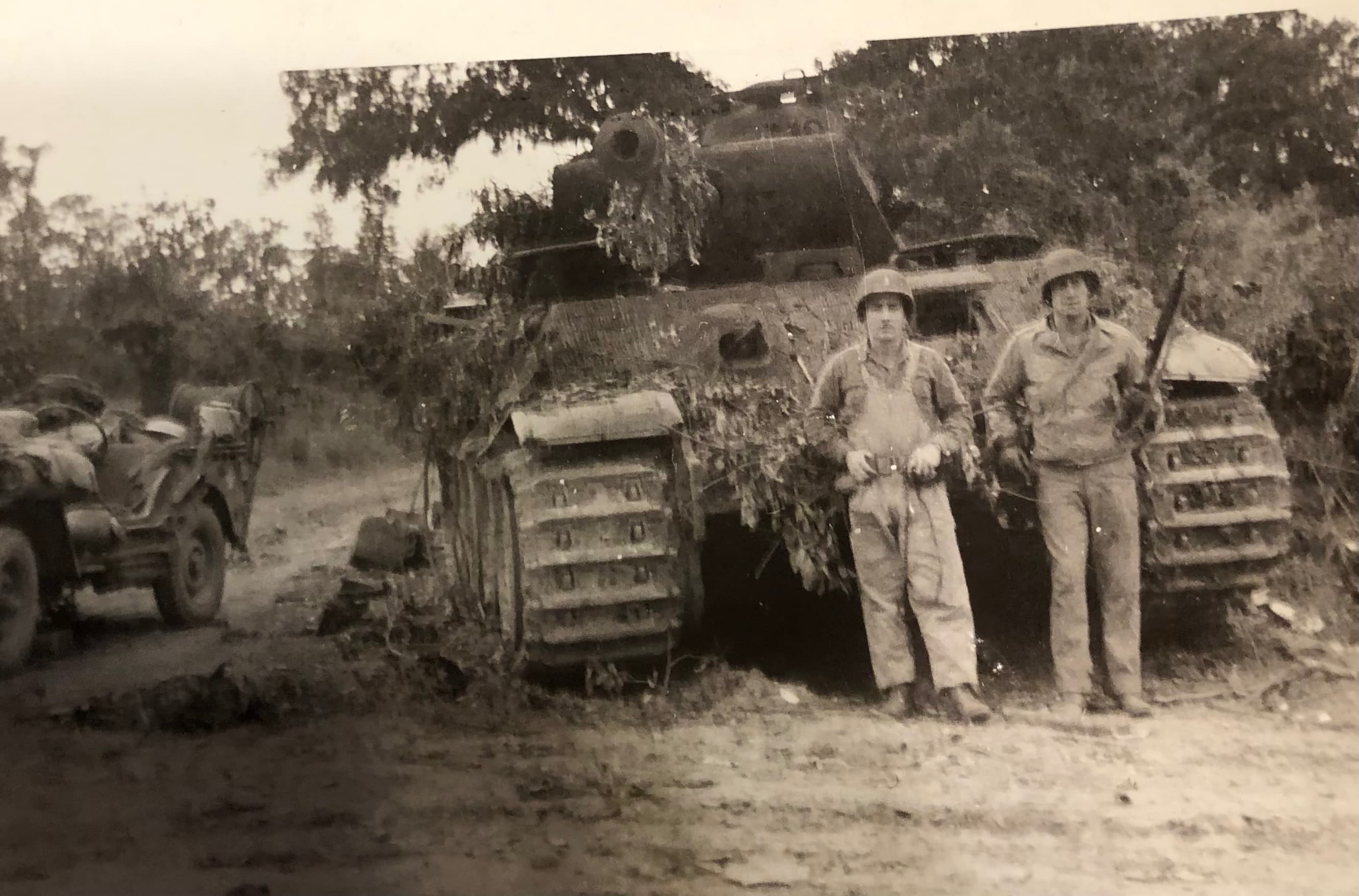
My father served in Europe during WW2. I used to chat with him (he has passed) about kits I would make and there was one common comment which was:
Everything was different even from the factory because getting a vehicle to the war front was way more important than making them all the same. And once they got to the field, they were added to, painted with whatever they could get with no disregard to color or standard. Case in point, Dad was commander for a half dozen M7 PRIESTs. When they got replacement vehicles, the first thing was to paint over the big white star, or target, as he called them.
I try to keep that in mind when building kits… There were no standards and when there was, few followed them due to the availability of “regulation” parts/paint etc. with field mechanical mods designed by soldiers in the field.
My dad was in WWII as well, although he was in the Pacific Theater, so I found this little bit of firsthand information really interesting.
It’s also a good reminder that everything in the field wasn’t necessarily as neat and standardized as we sometimes make it when we’re building models. I ran into something similar when I was researching my Desert Storm Harrier. Some of those aircraft came in wearing green and gray camouflage and were repainted in the field, sometimes with paint mixed right there on location. I eventually learned there really wasn’t necessarily one “exactly right” paint job because different aircraft could look a little different depending on how and where they were repainted.
So hearing the same kind of thing from your dad’s WWII experience is really useful. It’s another reminder that sometimes the historically accurate answer may actually include a little imperfection and variation.